
The residential lettings market for rentals in Oxford features exceptionally high demand, limited housing stock, and rapidly rising price growth. Strong academic institutions, expanding biotechnology sectors, and strict green belt development limits constrain supply, driving competitive rental conditions across all suburbs.
- What Are the Average Monthly Costs for Different Property Types for Rentals in Oxford?
- Which Neighbourhoods Offer the Best Options for Residential Rentals in Oxford?
- How Does the Legal Tenancy Process Work for Rentals in Oxford?
- What Council Tax and Utility Responsibilities Apply to Rentals in Oxford?
- How Do Student Rentals in Oxford Differ from Professional Lettings?
- What Are the Transport Links and Parking Considerations for Rentals in Oxford?
- What Are Houses in Multiple Occupation Licensing Rules for Rentals in Oxford?
- How Can Prospective Tenants Successfully Secure Property for Rentals in Oxford?
- What Future Market Trends Will Impact Options for Rentals in Oxford?
Oxford represents one of the most competitive residential lettings markets in the United Kingdom. Housing supply remains strictly constrained by geographic and planning factors, including the historic city boundary and surrounding green belt land. Consequently, property developments struggle to keep pace with demographic expansion.
Demand is driven by two main universities, large NHS hospital trusts, and a expanding technology sector. Average rental prices in Oxford consistently exceed regional averages outside of London. Landlords routinely receive multiple applications within days of listing a property.
Tenants face swift transaction cycles, requiring upfront preparation of references and deposit funds. Letting agents enforce strict background checks, income thresholds, and guarantor checks before finalizing leases. Furthermore, energy efficiency mandates and licensing laws shape the types of properties available to let.
What Are the Average Monthly Costs for Different Property Types for Rentals in Oxford?
Average monthly rental costs in Oxford range from nine hundred pounds for single rooms to over two thousand five hundred pounds for detached family homes. Studios, flats, and terraced houses vary in cost depending on location, size, and council tax band.
Understanding average monthly expenditures is essential for prospective tenants budgeting for a move to Oxford.
A single room inside a shared house or House in Multiple Occupation generally costs between seven hundred fifty pounds and nine hundred fifty pounds per month. Studio apartments average one thousand one hundred pounds per month, while one-bedroom self-contained flats cost between one thousand two hundred fifty pounds and one thousand four hundred fifty pounds.
Two-bedroom apartments suitable for small families or professional sharers range from one thousand five hundred fifty pounds to one thousand eight hundred50 pounds per month. Three-bedroom terraced houses typically command between one thousand nine hundred pounds and two thousand three hundred pounds monthly.
Larger four-bedroom detached family homes in prime residential areas routinely exceed two thousand six hundred pounds per month. Utility bills, internet services, and council tax charges add further monthly expenses to these baseline rental rates.
Which Neighbourhoods Offer the Best Options for Residential Rentals in Oxford?
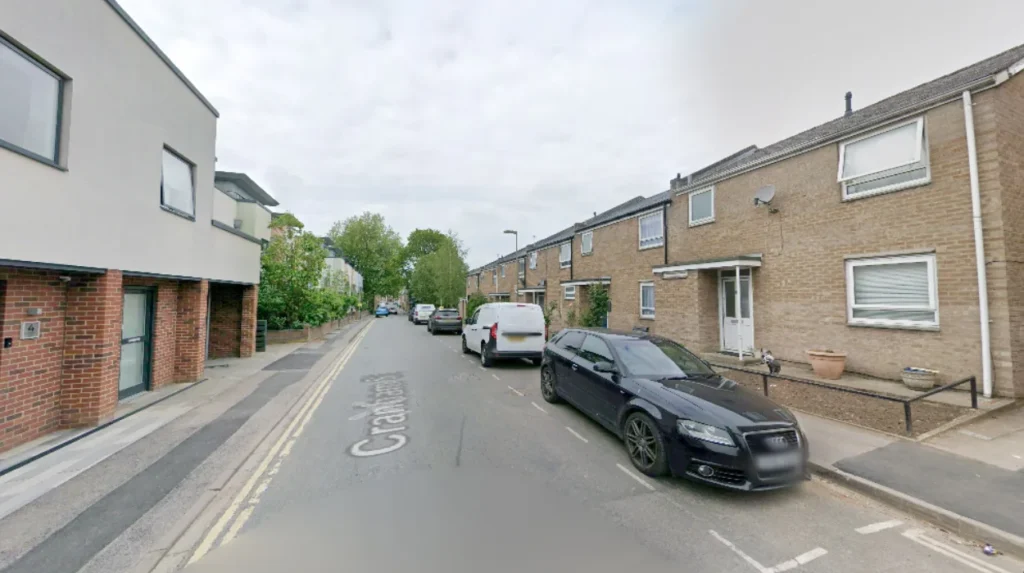
Top neighbourhoods for rentals in Oxford include Jericho, Headington, Cowley, Summertown, and East Oxford. Each district offers distinct price points, transportation links, proximity to major employers, local public amenities, and varied residential architectural styles for tenants.
Jericho sits directly north-west of the city centre and features historic Victorian terraced housing, independent restaurants, and immediate proximity to university departments. Summertown, located further north, provides high-end apartments, leafy residential avenues, top-performing schools, and boutique shopping parades popular with families and senior professionals.
Headington serves as the primary hub for medical staff and research scientists due to its proximity to the John Radcliffe Hospital and Oxford Brookes University. Cowley and East Oxford deliver diverse cultural amenities, vibrant independent businesses, and relatively accessible price points popular with young professionals and graduate students.
Botley, situated to the west, provides modern residential developments and convenient access to the main railway station and the A34 bypass. Marston offers suburban quietness with direct footpaths into central Oxford across the University Parks meadow system.
How Does the Legal Tenancy Process Work for Rentals in Oxford?
The legal tenancy process in Oxford requires passing identity checks, securing holding deposits, signing Assured Shorthold Tenancy agreements, and registering security deposits in government-approved protection schemes within thirty days of payment under United Kingdom housing law.
Landlords and letting agents in Oxford operate under standard housing frameworks established across England. The process begins with a formal application and the payment of a holding deposit capped at one week of rent. Agents perform Right to Rent immigration checks, credit assessments, employer verification, and previous landlord references.
Once verified, parties execute a legal tenancy agreement, traditionally an Assured Shorthold Tenancy for a fixed term of six or twelve months. Security deposits are legally capped at five weeks of rent for agreements where total annual rent remains below fifty thousand pounds.
Landlords must protect this deposit inside a government-backed scheme like the Deposit Protection Service within thirty calendar days. Tenants must receive statutory documents including Gas Safety Certificates, Energy Performance Certificates, and the government How to Rent guide before moving in.
What Council Tax and Utility Responsibilities Apply to Rentals in Oxford?
Tenants renting property in Oxford are legally responsible for paying local council tax to Oxford City Council, alongside utility costs including electricity, gas, water, internet, and television licensing unless explicit inclusive lease terms apply.
Council tax charges are determined by Oxford City Council based on property valuation bands ranging from Band A to Band H. Full-time students attending recognized institutions can apply for complete council tax exemption certificates.
Single occupants receive a twenty-five percent discount on their annual council tax liability upon formal registration. Utility arrangements require tenants to take meter readings on the official move-in date and set up accounts with utility providers. Water services across Oxford are supplied by Thames Water, calculated via property rateable value or physical water meters.
Gas and electricity supplies can be selected by the tenant unless the tenancy agreement explicitly reserves energy supplier choice to the landlord. Tenants must also secure separate contents insurance policies to protect personal property, as landlord insurance covers structural aspects only.
How Do Student Rentals in Oxford Differ from Professional Lettings?
Student rentals in Oxford operate on strict academic cycles with fixed July or September start dates, joint tenancy agreements, and guarantor requirements, whereas professional lettings offer flexible rolling start dates and individual referencing options.
Student housing availability closely follows the academic calendar of the University of Oxford and Oxford Brookes University. Landlords catering to students list properties up to nine months in advance, usually between November and February for the following academic year.
Student lets predominantly utilize joint and several liability contracts, making all occupants collectively responsible for total house rent. Most student landlords require UK-based financial guarantors or upfront termly rent payments from international applicants. In contrast, professional lettings become available continuously throughout the calendar year with typical notice periods of one to two months.
Professional tenants are evaluated on individual employment income, generally requiring annual earnings equal to thirty times the monthly rental price. Professional leases also tend to offer long-term renewal options past the initial twelve-month term.
What Are the Transport Links and Parking Considerations for Rentals in Oxford?
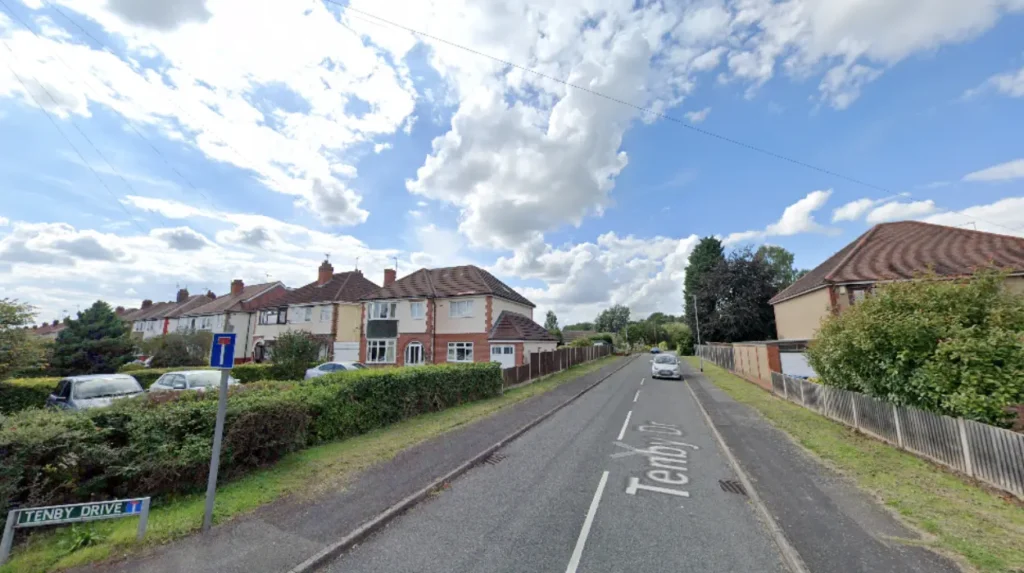
Transport links in Oxford prioritize public transit, cycling routes, and park-and-ride systems, while residential parking requires controlled parking zone permits issued directly by Oxfordshire County Council under strict eligibility rules.
Oxford features extensive public transportation networks, including comprehensive local bus routes operated by the Oxford Bus Company and Stagecoach. The city contains two main railway stations: Oxford Station in the city centre and Oxford Parkway in the northern suburb of Water Eaton. Both stations provide direct rail services into London Paddington and London Marylebone within sixty minutes.
Cycling infrastructure is highly developed, with dedicated bike lanes connecting residential suburbs to university campuses and business parks. Vehicle ownership in Oxford requires careful planning due to municipal traffic reduction strategies, Zero Emission Zones, and Low Traffic Neighbourhoods. S
treet parking across central residential zones is strictly restricted through Controlled Parking Zones. Tenants must apply for annual residential parking permits through Oxfordshire County Council, presenting proof of address and vehicle registration.
What Are Houses in Multiple Occupation Licensing Rules for Rentals in Oxford?
Oxford City Council enforces strict city-wide Houses in Multiple Occupation licensing rules, requiring any rented property occupied by three or more tenants from different family units to maintain a valid municipal license.
Oxford City Council operates an additional licensing scheme covering all Houses in Multiple Occupation across the entire city boundary. A property qualifies as an HMO if it is rented by three or more individuals forming more than one household who share kitchen or bathroom facilities.
Landlords must apply for and maintain a formal license from the council, demonstrating that the property meets minimum space and safety requirements. Required safety standards include mains-powered interlinked fire alarms, certified fire doors, emergency lighting, and annual gas and electrical safety checks.
Municipal inspectors conduct periodic property visits to check bedroom floor areas, kitchen appliance ratios, and waste storage facilities. Operating an unlicensed HMO in Oxford carries severe financial penalties, civil penalty notices, or rent repayment orders issued through property tribunals.
How Can Prospective Tenants Successfully Secure Property for Rentals in Oxford?
Prospective tenants can secure property for rentals in Oxford by registering early with letting agencies, preparing reference documents in advance, arranging immediate viewings, and making prompt, well-supported holding deposit offers.
Speed and preparation are crucial factors when searching for rental property in the Oxford lettings market. Prospective renters should create direct profiles on major property portals and register directly with leading local letting agencies. Having required documents pre-organized accelerates application processing times significantly.
Essential paperwork includes photo identification, proof of current address, three months of bank statements, three months of payslips, and contact details for employers and previous landlords. Attending property viewings promptly upon listing release increases the likelihood of securing a lease.
Making a clear written offer specifying proposed move-in dates, lease duration, and any specific tenancy requests presents a professional image to landlords. Supplying complete background documentation alongside the initial holding deposit prevents administrative delays and protects against competing applicant offers.
What Future Market Trends Will Impact Options for Rentals in Oxford?
Future market trends affecting rentals in Oxford include expanded energy performance regulations, major urban development schemes, increased build-to-rent projects, and ongoing municipal housing policy updates across Oxfordshire.
The Oxford rental sector continues to evolve under changing national legislation and local planning strategies. Incoming national energy policies require rental properties to achieve higher Energy Performance Certificate ratings, encouraging landlords to modernize heating systems and structural insulation.
Major urban expansion projects, such as developments in North West Oxford and Oxford North, are adding hundreds of new purpose-built rental units to total housing inventory. Build-to-Rent developments are introducing professionally managed apartment blocks featuring flexible leasing terms, integrated gym facilities, and communal workspace areas.
Locally, municipal policies focus on increasing affordable housing allocations and improving environmental standards for private lettings. Ongoing investments in regional transport links, including the East West Rail link connecting Oxford to Cambridge, will expand commuter options and shape suburban rental demand patterns over the coming decade.
How hard is it to find private rentals in Oxford?
Finding private rentals in Oxford is fast-paced and highly competitive due to strong student and professional demand. Housing stock is limited, so properties are often let within days of listed publication. Applicants should prepare references, proof of income, and deposit funds in advance to secure a lease quickly.
What salary do you need to live comfortably in Oxford?
To rent a one-bedroom flat comfortably in Oxford, a single professional typically needs an annual gross salary between thirty-five thousand and forty thousand pounds. Letting agencies generally apply an affordability ratio requiring your annual salary to equal at least thirty times the monthly rental price.
Are utilities usually included in Oxford rental prices?
Utilities are rarely included in standard residential private lettings in Oxford unless renting a room in a shared house or student accommodation. Tenants are usually responsible for setting up and paying for gas, electricity, water, internet, and council tax separately from their baseline monthly rent.
How much deposit do I need to pay for a rental in Oxford?
Under the Tenant Fees Act, security deposits for rentals in England are capped at a maximum of five weeks of rent for properties with an annual rent under fifty thousand pounds. Additionally, a holding deposit of one week of rent is required to reserve a property during referencing.
Do students in Oxford pay municipal council tax on rentals?
Full-time university students in Oxford are exempt from paying municipal council tax. To claim this discount, students must obtain an official certificate of student status from their university administration and submit it directly to Oxford City Council upon moving into the property.