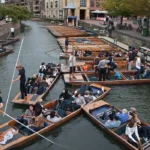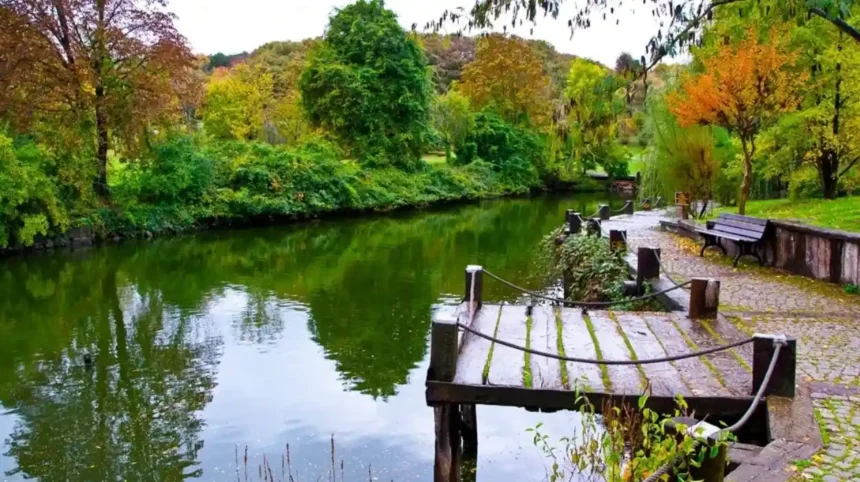
The best punting picnic ideas and spots involve portable finger foods and scenic locations like the Cambridge Backs or the Oxford Cherwell. Ideal menus feature crustless sandwiches, chilled seasonal fruits, and sparkling beverages paired with historically significant university riverbank backdrops.
- How do you plan the menu for a punting picnic?
- Where are the top punting picnic spots located in Cambridge?
- What are the most popular punting picnic spots in Oxford?
- How does historical punting culture influence modern picnic traditions?
- What equipment is necessary for a successful punting picnic?
- How do weather conditions affect punting picnic planning?
- What are the safety and etiquette rules for river picnics?
Punting is a traditional boating activity using a flat-bottomed boat propelled by a long pole pushed against the riverbed. This practice originated in the 19th century as a utility for cargo transport and fishing before evolving into a popular recreational pastime. The English cities of Cambridge and Oxford remain the primary hubs for this activity due to their shallow, slow-moving rivers and proximity to historic architecture. A successful picnic requires food items that remain stable in a moving vessel and do not require heavy cutlery. Common menu selections include English heritage items such as pork pies, scotch eggs, and scones with clotted cream. These foods provide high caloric density and structural integrity for outdoor consumption.
The physical environment of a punting spot dictates the logistical requirements of the picnic. In Cambridge, the River Cam flows past seven prestigious colleges, offering views of the Bridge of Sighs and King’s College Chapel. This stretch of water is known as the Backs and serves as a premier location for stationary dining on the water. In Oxford, the River Cherwell provides a more rural and shaded experience, passing through Christ Church Meadow and the University Botanic Garden. These spots offer varying levels of wind protection and sun exposure, which affects food preservation. Strategizing a picnic involves selecting items that withstand temperature fluctuations and remain appetizing after several hours of travel.
How do you plan the menu for a punting picnic?
Planning a punting picnic menu requires prioritizing cold, bite-sized items that do not require reheating or complex assembly on board. Essential components include savory pastries, pre-cut cheeses, artisanal breads, and refreshing liquids stored in insulated containers to maintain safe temperatures.
The foundation of a punting menu rests on the three categories of portability: stability, temperature resistance, and ease of consumption. Savory pastries like Galettes or Cornish pasties are effective because the outer crust protects the inner ingredients from environmental exposure. Meats such as sliced roast beef or smoked salmon should be prepared with citrus or vinegar-based marinades to ensure freshness during the excursion. Cheese selections should focus on hard or semi-hard varieties like Cheddar or Gruyère, which do not liquefy rapidly in direct sunlight. Bread should be pre-sliced or broken into individual portions to eliminate the need for knives. These choices reduce the risk of spills and cross-contamination within the confined space of a punt.
Hydration and beverage selection must account for the limited storage space available under the wooden seats of a standard punt. Water remains the primary necessity, typically served in glass or stainless steel bottles to minimize plastic waste. Traditional punting beverages include Pimm’s No. 1 Cup, which is a gin-based fruit cup frequently garnished with cucumber, mint, and strawberries. Non-alcoholic alternatives include elderflower cordial or ginger beer, providing a crisp flavor profile that complements outdoor dining. All liquids should be pre-chilled to 4 degrees Celsius before being placed in a cooler bag. This thermal management ensures that drinks remain refreshing throughout the typical two to three-hour duration of a standard punting session.
Where are the top punting picnic spots located in Cambridge?
The top punting picnic spots in Cambridge are located along the River Cam, specifically the stretch known as the Backs and the upper river toward Grantchester. These areas provide historic views of the university and expansive green meadows for mooring.
The Backs refers to the parkland and gardens situated behind the colleges of the University of Cambridge. This area includes iconic landmarks such as the Wren Library at Trinity College and the Gothic architecture of King’s College Chapel. Punting through this section allows participants to eat while viewing stone bridges and manicured lawns that are otherwise inaccessible to the general public. The river current in this section is minimal, making it easy to remain stationary for dining purposes. This urban waterway serves as a site for both guided tours and self-hire punting, allowing for different levels of privacy. The architectural density provides significant shade during the afternoon hours, which helps in maintaining the quality of the picnic food.
The route toward Grantchester offers a different ecological and social environment compared to the collegiate center. This upstream journey passes through Coe Fen and Sheep’s Green, which are protected natural areas characterized by willow trees and grazing livestock. Grantchester Meadows is a vast expanse of grassland where punters frequently moor their boats to eat on the bank. This location was popularized by the Neo-Pagan group of intellectuals and the poet Rupert Brooke in the early 20th century. The meadows provide approximately two miles of riverbank access, allowing for social distancing between different groups of picnickers. The water is shallower in this region, which facilitates easier poling for those who are inexperienced in the art of punting.
What are the most popular punting picnic spots in Oxford?
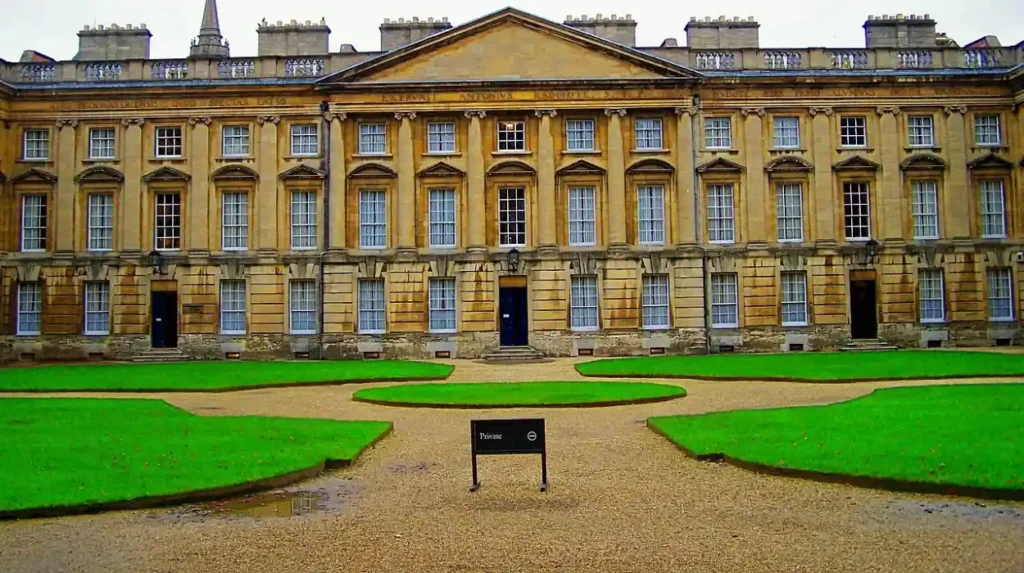
Popular punting picnic spots in Oxford are situated along the River Cherwell, including Christ Church Meadow and the leafy banks of Mesopotamia. These locations offer a tranquil, nature-oriented experience away from the bustling city center and the main Thames navigation.
Christ Church Meadow is a large, triangular area of open parkland bounded by the River Thames and the River Cherwell. It is owned by Christ Church College and has been open to the public for centuries. Punting along the Cherwell side of the meadow provides a view of the college spires and the 12th-century cathedral. The banks are lined with ancient trees that provide a canopy over the water, creating a cool environment for summer picnics. This spot is favored for its historical significance and its proximity to the Oxford city center. The meadow is also a site for cattle grazing, which adds to the pastoral atmosphere of the dining experience.
Mesopotamia is a narrow strip of land between two branches of the River Cherwell, located near the University Parks. The name is derived from the Greek for land between rivers, and it features a scenic walk and numerous secluded mooring spots. This area is less crowded than the main university stretches, making it ideal for those seeking a quiet picnic environment. The presence of diverse birdlife, including kingfishers and swans, enhances the natural appeal of this location. The water here is often covered in water lilies during the mid-summer months, providing a unique aesthetic backdrop. The distance from the main boat houses ensures that only dedicated punters reach these peaceful segments of the river.
How does historical punting culture influence modern picnic traditions?
Historical punting culture influences modern traditions through the continued use of Edwardian-style hampers and specific attire such as boater hats. The emphasis on leisure and aesthetic presentation stems from the early 20th-century trend of river-based social gatherings.
The transition of punting from a commercial activity to a leisure pursuit occurred during the late Victorian and Edwardian eras. During this time, the upper classes adopted punting as a way to display social status and enjoy the outdoors in a refined manner. The picnic became a central component of this social ritual, requiring specialized equipment such as wicker hampers and porcelain dishware. Modern enthusiasts often emulate this aesthetic by choosing high-quality containers and traditional English food items.
This historical link preserves a specific style of dining that focuses on slow consumption and visual harmony with the surrounding landscape. The use of wooden punts rather than fiberglass alternatives further reinforces this connection to the past.
The cultural significance of the punting picnic is also reflected in literature and academic history. Figures like Lewis Carroll and the aforementioned Rupert Brooke utilized the river as a setting for intellectual discourse and creative inspiration. This legacy has cemented the idea of the river picnic as a cerebral and sophisticated event rather than a simple meal. Today, universities continue to host garden parties and punting events that follow these established protocols. The persistence of these traditions ensures that punting remains a distinctively British experience. Even as modern convenience foods become available, the preference for classic picnic fare remains dominant among the student and tourist populations in university towns.
What equipment is necessary for a successful punting picnic?

Essential equipment for a punting picnic includes a sturdy wicker hamper, waterproof blankets, insulated cooling bags, and reusable melamine or bamboo tableware. These items ensure food safety, comfort on the wooden boat slats, and environmental sustainability during the trip.
A wicker hamper serves as the primary vessel for transporting food and supplies due to its structural rigidity and traditional appearance. The interior of the hamper should be organized to prevent the movement of glass bottles or fragile containers. Waterproof blankets are necessary because the floor of a punt can become damp from the dripping pole used for propulsion. These blankets provide a dry surface for seating and prevent moisture from seeping into clothing. Selecting blankets with a fleece top and a polyester backing offers the best combination of comfort and protection. This equipment allows participants to sit comfortably for extended periods while navigating the river or moored at a scenic spot.
Tableware for a punt must be durable and lightweight to avoid breakage and excessive weight. Melamine or bamboo plates and cups are preferred over glass or ceramic because they do not shatter if dropped on the boat floor. Reusable cutlery sets made of stainless steel or wood are more functional than flimsy plastic alternatives. Napkins, preferably made of linen or heavy cotton, are essential for managing finger foods and keeping the boat clean. A small waste bag should also be included to ensure that all refuse is removed from the river environment. Proper equipment management prevents accidents and ensures that the focus remains on the dining experience and the scenery.
How do weather conditions affect punting picnic planning?
Weather conditions affect punting picnics by dictating food choices, clothing requirements, and the selection of mooring spots. High temperatures necessitate increased hydration and cooling, while wind or rain require protective gear and more secure food packaging.
Temperature plays a critical role in food safety during an outdoor picnic. In temperatures exceeding 25 degrees Celsius, perishable items like mayonnaise-based salads or soft cheeses degrade rapidly. Punters must use ice packs or frozen water bottles within insulated bags to keep the core temperature of the food below 5 degrees Celsius. Conversely, in cooler weather, the inclusion of a thermos containing hot tea or soup can enhance the comfort of the participants. The angle of the sun also dictates which side of the river is most comfortable for mooring. Shaded spots under willow trees are highly sought after during peak summer months to prevent sunburn and heat exhaustion.
Wind and rain present physical challenges to the stability of the punt and the enjoyment of the meal. High winds can make poling difficult and may blow lightweight picnic items off the boat. In such conditions, it is advisable to seek narrow stretches of the river with high banks or dense foliage to act as a windbreak. Rain requires the use of umbrellas or waterproof ponchos, though most punting companies provide these for their guests. If heavy rain is forecast, it is often better to reschedule or plan to eat under a bridge. Monitoring local meteorological data before departing ensures that the group is prepared for any sudden changes in the environment.
What are the safety and etiquette rules for river picnics?
Safety and etiquette rules for river picnics include maintaining a low center of gravity, avoiding the blocking of river traffic, and adhering to leave-no-trace principles. Proper conduct ensures the safety of all passengers and preserves the river for other users.
Safety on a punt begins with the distribution of weight. Passengers should sit on the provided cushions and avoid standing up while the boat is in motion, as punts are relatively narrow and can tilt. The person poling the boat must be aware of overhead obstacles like low-hanging branches and bridge arches. It is essential to keep hands and feet inside the boat to avoid injury from collisions with other vessels or the riverbank. Life jackets are usually available and should be worn by non-swimmers or children. Alcohol consumption should be moderate to ensure that the person steering the boat remains in full control of the vessel at all times.
Etiquette involves respecting the space and experience of other river users. When mooring for a picnic, punters should ensure they are not obstructing the main channel or preventing others from passing through narrow sections. Noise levels should be kept reasonable to maintain the tranquil atmosphere that many people seek on the river. Feeding the local wildlife, such as swans and ducks, is generally discouraged as it can lead to aggressive behavior and health issues for the animals. Finally, all trash must be collected and disposed of in designated bins on land. Following these guidelines helps maintain the ecological health of the river and the social harmony of the punting community.
Where is punting most popular?
Punting is most popular in the historic English university cities of Cambridge and Oxford. These locations are the global epicenters for the activity, offering iconic river routes through the River Cam and River Cherwell for locals and tourists alike.
Is punting suitable for all ages?
Punting is suitable for all ages because the flat-bottomed boats are exceptionally stable and the water remains shallow and slow-moving. Children and seniors can safely enjoy the experience, especially when chauffeured by experienced professionals on guided river tours.
What is the most visited vacation spot?
Bangkok is currently the most visited vacation spot globally, attracting over 30 million international arrivals annually. It leads major world cities like London and Paris due to its vibrant street culture, historic temples, and status as a major travel hub.
What are the top 3 countries to visit?
The top 3 countries to visit based on international arrival statistics are France, Spain, and the United States. These nations consistently lead global tourism rankings by offering a diverse mix of historical landmarks, world-class culinary scenes, and vast natural landscapes.
What are the top 5 tourist attractions in the world?
The top 5 tourist attractions in the world include the Eiffel Tower, the Colosseum, the Statue of Liberty, the Great Pyramid of Giza, and the Sagrada Família. These sites draw millions of visitors annually for their cultural and architectural significance.