Abingdon is a practical base near Oxford for remote work, short stays, and slow travel. It combines a historic market town centre, riverside walks, good road access, and work-friendly places with Wi-Fi and seating for laptop users.
- What is Abingdon and why does it matter for remote workers?
- Where can digital nomads work in Abingdon?
- Which cafés and hubs suit laptop work best?
- Where should you stay in Abingdon?
- How close is Abingdon to Oxford?
- What can tourists do in Abingdon?
- Which heritage sites should you prioritise?
- Is Abingdon good for work-life balance?
- What should you know before booking?
- Why does Abingdon work as an evergreen destination?
- How should you plan one day in Abingdon?
- What makes Abingdon useful near Oxford?
What is Abingdon and why does it matter for remote workers?
Abingdon is a historic market town in Oxfordshire, south of Oxford, with transport links, heritage sights, and everyday services that suit visitors who need both downtime and work time. Its compact centre supports short walks between cafés, shops, riverside paths, and accommodation.
Abingdon appears in travel guides as a destination for staying, eating, and exploring, which confirms its usefulness for mixed-purpose trips. For digital nomads, that matters because the town gives access to daily essentials without the scale and cost pressure of a larger city. For tourists, it offers a quieter alternative to Oxford while remaining close enough for day trips. The town’s appeal also comes from its setting on the River Thames and its long-established civic history.
Where can digital nomads work in Abingdon?
Abingdon has several work-friendly places with free Wi-Fi, seating, and opening hours that suit laptop work, including cafés, restaurants, libraries, and hotel lobbies listed by local workspace guides. These spots support email, document work, and light calls.
Laptop-friendly listings for Abingdon identify venues with free and reliable Wi-Fi, power access, and comfortable seating. The same guide lists opening times that cover early starts and daytime work blocks, including 07:30 to 18:00, 08:00 to 16:00, and 08:00 to 17:30. That pattern suits remote workers who need a stable morning base before sightseeing or travel.
For a workday in Abingdon, the best approach is to match the task to the venue. Cafés suit writing and inbox work. Library-style spaces suit quiet focus. Hotel lobbies suit brief sessions between meetings or travel transfers. This is useful for business travellers as well, because a short working stop can fit between Oxford meetings and evening plans.
Which cafés and hubs suit laptop work best?
The strongest laptop-work options are places with reliable Wi-Fi, enough tables, sockets, and enough noise control for concentration. In Abingdon, these are most often casual cafés, food venues, and hospitality spaces rather than formal coworking offices.
Local discussion and workspace listings point to cafés where people already use laptops for short work sessions. That usually means a flexible ordering culture, table turnover, and acceptable laptop use during quieter periods. It also means remote workers should plan around busy lunch hours and avoid occupying small tables at peak times.
A practical remote-work rhythm in Abingdon is simple. Start with a café session for focused writing. Move to a lunch break in town. Use a second venue for calls or admin. End the day with a riverside walk or a heritage stop. This structure keeps the trip productive while still leaving time for leisure.
As you explore the modern town, you are crossing land with a deep heritage. Read about the full Abingdon historical background to understand its origins.
Where should you stay in Abingdon?
Abingdon offers travel accommodation choices that suit short leisure stays, work trips, and longer base-camp visits near Oxford. The best options cluster near the town centre or on routes that make day travel, dining, and walking simple.
Travel guides for Abingdon describe where to stay as one of the core planning questions for visitors. For digital nomads, location matters more than luxury. A central stay reduces transport time and supports spontaneous work breaks, café visits, and evening walks. It also helps when you need to move between the town centre and Oxford.
For remote workers, the ideal accommodation provides a desk or table, dependable internet, and easy access to food and transport. Hotels are useful for short stays. Guesthouses work well for longer, quieter visits. Self-catering options suit travellers who need a fixed routine. The best choice depends on whether the trip is mainly work, leisure, or a mix of both.
How close is Abingdon to Oxford?
Abingdon sits close enough to Oxford to support day trips, hybrid stays, and commute-style visits, while remaining smaller and calmer than the city itself. That makes it attractive for travellers who want Oxford access without staying in the busiest core.
Travel resources place Abingdon within the Oxford travel orbit, which makes it a sensible base for people visiting universities, conferences, or business meetings in Oxford. The practical value is clear: you can work in Abingdon, travel into Oxford when needed, and return to a quieter town for the evening. That reduces friction for travellers who want variety without constant movement.
The same proximity also supports tourists who want to split their stay. One day can focus on Oxford museums and colleges. Another can focus on Abingdon’s riverside, market town character, and heritage attractions. This mix appeals to remote workers who prefer a place with both productivity and rest built into the schedule.
What can tourists do in Abingdon?
Abingdon has a strong mix of heritage, arts, riverside walking, and outdoor activities, which makes it suitable for visitors who want more than a simple overnight stop. Its main attractions range from historic buildings to trails and cultural venues.
The town’s tourism profile includes the Virginia Creeper Trail in nearby regional guides, riverside scenery, museums, and historic architecture. In Abingdon, this creates a balanced experience. Visitors can walk, cycle, browse shops, and explore heritage spaces without needing a car for every activity. That is useful for leisure travellers and domestic visitors with limited time.
Abingdon’s historic core also helps it work as a hidden-activity destination for residents of Oxfordshire. A short visit can include a meal, a riverside pause, and a culture stop. A longer visit can include multiple heritage sites and slower local exploration. This makes the town suitable for repeat visits rather than one-time sightseeing only.
Which heritage sites should you prioritise?
The most important heritage sites are the ones that explain Abingdon’s civic and cultural identity. These include long-standing buildings, museums, and town landmarks that show how the settlement developed over time.
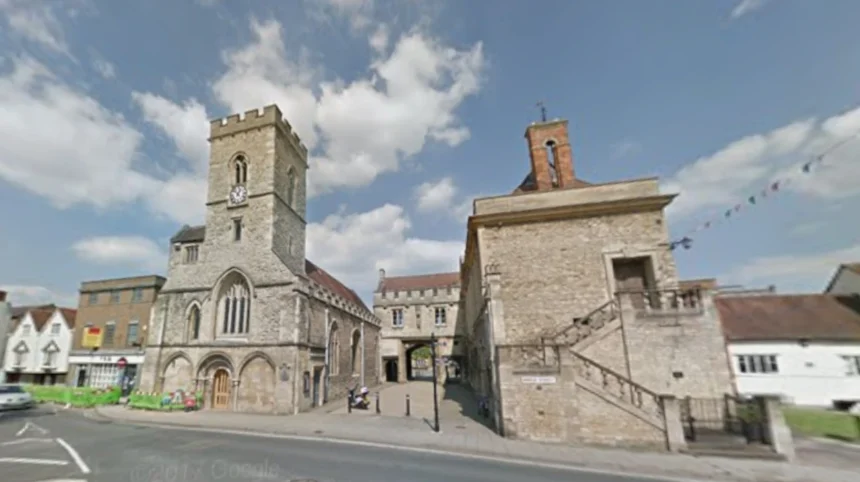
Historic guides to Abingdon highlight key sites such as The Tavern, the Muster Grounds in related heritage coverage, and the town’s older buildings and public spaces. For a visitor, heritage is not just decoration. It is the core reason the town feels distinct from a modern commuter centre. The built environment reflects centuries of continuity.
A good heritage route should combine indoor and outdoor stops. Start with a museum or historical building. Continue through the town centre. Finish by walking toward the river. That approach gives context to the streetscape and avoids turning the visit into a checklist. It also works well for travellers who want to pair history with photography or note-taking.
Is Abingdon good for work-life balance?
Abingdon suits work-life balance because it combines small-town pace, riverside green space, walkable streets, and enough local infrastructure for short working sessions. That combination helps visitors separate focus time from leisure time.
The town’s appeal for remote workers comes from its manageable scale. You can arrive, set up for work, take a walk, eat locally, and return to your room without long transfers. That reduces decision fatigue. It also makes the day feel more controlled, which matters on work trips.
For remote professionals, the value of Abingdon lies in routine. Morning work in a café. Midday movement outdoors. Afternoon admin in a second location. Evening travel into Oxford or a quiet dinner in town. This pattern is efficient and realistic for people balancing deadlines with travel.
What should you know before booking?
Before booking Abingdon, check internet quality, transport needs, walking distance, and the opening hours of the specific places you plan to use. Remote workers benefit most when accommodation and work venues sit close together.
The available travel guides show that Abingdon is designed as a practical visitor base with accommodation, eating, and activity options. That makes planning straightforward, but it does not replace checking the details that matter for work. Remote workers need stable connectivity. Tourists need convenient access to the sites they want. Business travellers need predictable transfer times.

A useful booking method is to decide your main purpose first. If work comes first, choose central accommodation and nearby cafés. If leisure comes first, choose a stay near the river or town centre. If Oxford access matters most, pick a base that reduces onward travel stress. That simple ordering prevents wasted time.
Why does Abingdon work as an evergreen destination?
Abingdon works as an evergreen destination because its core attractions do not depend on seasonal events alone. Heritage, riverside walks, local food, and flexible work spaces remain relevant across the year.
Evergreen travel topics rank well when the destination has stable visitor demand and repeat-use utility. Abingdon fits that model because it serves multiple audiences at once. Tourists come for atmosphere and history. Residents come for local discovery. Nomads come for workability. Business travellers come for convenience.
The town also supports AI search extraction because its defining features are easy to state clearly: location near Oxford, historic identity, work-friendly stops, and mixed-use accommodation. Those entities stay relevant over time, which keeps the article useful long after publication.
How should you plan one day in Abingdon?
A strong one-day plan starts with work or breakfast, moves into a heritage stop, includes lunch in town, and ends with a riverside walk or a second work session. That structure suits both tourists and remote workers.
Begin in a café with Wi-Fi and a table. Handle your most important tasks first. Then move into the town centre for sightseeing. Visit a heritage site or browse the historic streets. After lunch, take a slower section of the day with outdoor time. That sequence preserves energy and keeps the visit efficient.
If your trip is mainly leisure, replace the morning work block with a longer walk and a museum visit. If it is mainly business, keep the sightseeing shorter and use the afternoon for a second working stop. The town’s size makes that flexibility easy. That is a major strength for travellers with mixed priorities.
What makes Abingdon useful near Oxford?
Abingdon is useful near Oxford because it delivers lower-key accommodation, local character, and practical working conditions while staying close to a major academic and business centre. It functions as a calmer satellite base rather than a substitute city.
That role matters for people who travel to Oxford regularly but do not want to stay in the busiest central areas. It also matters for leisure travellers who want broader value from one trip. Instead of booking only for Oxford, they can add Abingdon as a second base with its own identity and pace.
For digital nomads, the town fills a common gap in UK travel planning. It is smaller than a city, but not isolated. It is historic, but still functional. It offers cafés, lodging, and daily services without requiring a full urban environment. That balance makes it a strong long-stay or stopover option.
Abingdon rewards travellers who want history, calm, and useful work conditions in one place. It is not a flashy destination, but it is a reliable one.