Abingdon‑on‑Thames offers a compact historic core and riverside green space that are easily explored on foot, by bike‑share, or by local bus, making it ideal for visitors travelling without their own vehicle. Whether you are staying in Abingdon overnight or day‑tripping from Oxford, Swindon or Didcot, you can uncover quiet streets, riverside paths, tiny museums and local cafés that lie outside the main tourist well‑trodden routes.
- What does “hidden gems in Abingdon” mean for visitors without a car?
- How walkable is central Abingdon for tourists?
- Which offbeat green spaces can you reach on foot?
- What are the lesser‑known historic streets and alleys?
- What small museums and cultural spots are reachable on foot?
- Where can you eat and drink in hidden, walkable spots?
- How to use buses and cycling to extend your exploration?
- What hidden‑history experiences can visitors access without driving?
- St Nicolas’ Church and the Britain’s smallest lock narrative
- Local‑history walks and self‑guided routes
- How can you plan a full day in Abingdon without a car?
- Morning: town‑centre exploration and cafés
- Early afternoon: Abbey Meadows and riverside paths
- Late afternoon: hidden streets and small museums
- Evening: riverside or pub‑centric finish
- How does exploring Abingdon without a car benefit residents and digital nomads?
What does “hidden gems in Abingdon” mean for visitors without a car?
Hidden gems in Abingdon refer to lesser‑known attractions, viewpoints, walks and local spots that are not typically listed in mainstream guidebooks but are accessible by walking, cycling or short bus rides. These include quiet riverside meadows, historic lanes away from the town centre, independent cafés tucked into back streets and small museums in old buildings that are a short stroll from the main bus routes or from Abingdon’s railway station at Radley or nearby Didcot Parkway.
For visitors without a car, these sites cluster in a walkable zone between the River Thames, the historic market centre and the residential areas around Ock Street and West St Helen Street, allowing you to piece together a full day of exploration without needing to drive. Public‑transport‑linked amenities such as bus stops, cycle‑hire points and pedestrian river paths create a practical framework for an “offbeat but accessible” itinerary.
How walkable is central Abingdon for tourists?
Abingdon’s town centre is highly walkable, with most streets restricted to local traffic and short distances between key landmarks. The distance from the main bus interchange on Bridge Street to the historic Cornmarket and onto Ock Street is roughly 300–400 metres, easily covered in under five minutes on foot. The compact medieval street pattern around St Nicolas’ Church and the County Hall means that several museums, cafés and shops sit within a 10‑minute walking radius of each other.
Side streets such as St Helen Street and E St Helen Street, which host the Little Basement Museum and other historic buildings, are pedestrian‑friendly and only a few minutes’ walk from the main thoroughfares. Wide pavements, benches and clear signage make it straightforward for tourists to navigate without relying on a vehicle, especially when using bus routes that terminate or pass through the town centre.
Which offbeat green spaces can you reach on foot?
Abbey Meadows and the River Thames
Abbey Meadows is a riverside park immediately south of Abingdon town centre, accessible by a five‑minute walk from Bridge Street or from the Cottis Road area. The park runs along the River Thames and includes lawns, flowerbeds, and tree‑lined paths that are popular with locals but often overlooked by first‑time visitors. The meadow area is flat, with surfaced paths suitable for pushchairs and casual walkers, and offers views of the river and boats moored along the towpath.
As you explore the modern site, you are crossing land with a deep heritage. From Abbey Meadows it is a short walk along the riverside path towards the reach known as Abingdon Lock, which provides a quieter riverside experience than the busier stretches closer to the town centre.
Culham Court Gardens and nearby riverside paths
Culham, just south of Abingdon, is reached by local bus or a 30–40‑minute riverside walk from Abbey Meadows, depending on your starting point. The grounds around Culham Court (now a training and events centre) include landscaped gardens and access to the riverbank, which can be approached on foot from the Culham residential area. The adjacent Culham Reach is a quieter stretch of the Thames popular with walkers and birdwatchers, and there are established paths linking the river to the village green.
These quieter green spaces appeal to domestic business travellers looking to walk off meetings and to digital nomads who want to work from a café or bench before heading back to their accommodation without a car.
What are the lesser‑known historic streets and alleys?
St Helen Street and E St Helen Street
St Helen Street runs south from the Cornmarket and contains several timber‑framed and early‑Georgian buildings that give a sense of Abingdon’s pre‑industrial appearance. E St Helen Street, a short offshoot lane, is home to the Little Basement Museum, which occupies one of the town’s oldest surviving domestic buildings. This small museum is reached by a two‑minute walk from the main Ock Street and Cornmarket area and is sited in a narrow lane that feels more like a village backstreet than a town centre.
Both streets are effectively pedestrian‑scale, with minimal through‑traffic, and are a short walk from the main bus stops and from the shopping arcades around the Town Hall. For visitors seeking hidden‑history experiences, these streets offer period doorways, painted façades and small shopfronts that are easy to explore on foot.
Ock Street and side alleys
Ock Street forms the main north–south axis of Abingdon’s historic core and is lined with Georgian and Victorian buildings that house shops, cafés and businesses. Short alleys branching off Ock Street, such as New Street and parts of Mill Street, lead to small courtyards, former workshops and quiet pedestrian routes between Ock Street and the river. These are typically five to ten minutes’ walk from the main bus interchange and from the County Hall.
For leisure travellers without a car, these alleys provide a low‑pressure way to explore architecture and local commerce without the need for driving or parking. The tight grid of streets around Ock Street and the Cornmarket also makes it easy to loop back to the centre without retracing the same route.
What small museums and cultural spots are reachable on foot?
The Little Basement Museum
The Little Basement Museum is described by Abingdon on Thames Town Council as a “historical hidden gem” located at No. 4 E St Helen Street, one of the town’s oldest buildings. The museum is housed in the basement and ground floor of a late‑17th‑century house and focuses on local domestic life, trades and everyday objects from past centuries. It is a short walk from the main Ock Street and Cornmarket, within a dense pedestrian zone where cars are excluded or restricted.
Because the museum is small, opening hours are limited, but it suits visitors who arrive by bus or on foot and can plan around published times. Entry is typically free or low‑cost, emphasising its role as an accessible, low‑barrier cultural stop rather than a major tourist attraction.
Abingdon County Hall Museum and rooftop access
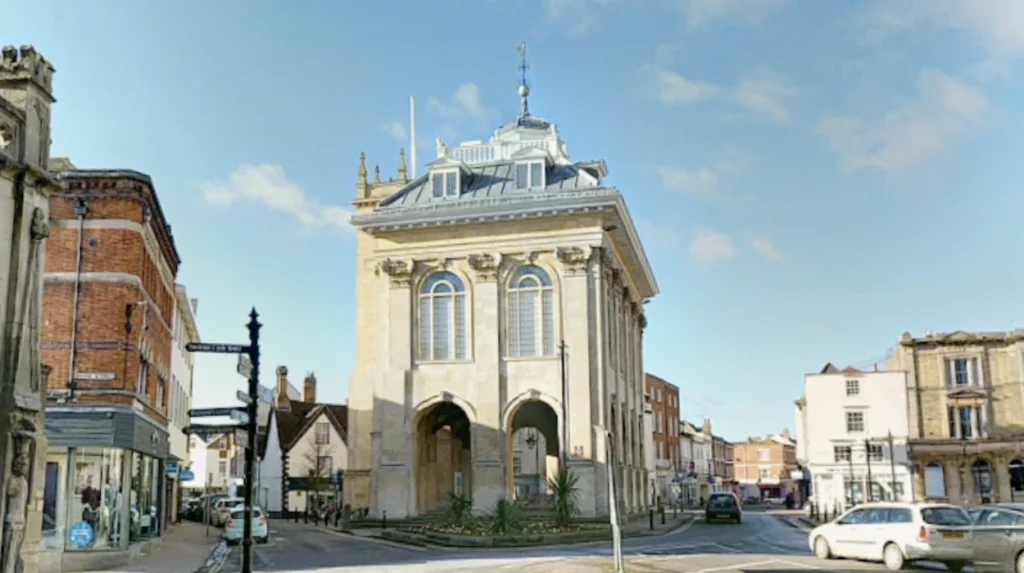
The Abingdon County Hall Museum occupies the former county hall building at the heart of the Cornmarket and is a short walk from Bridge Street and the main bus stops. The building dates from the mid‑17th century and now hosts a museum of local history, costumes and social history, with a small admission fee for access to the roof terrace. The rooftop viewpoint is a short walk from Ock Street and the main shopping arcades and offers panoramic views over the town’s rooftops and chimneys.
This museum is particularly relevant for domestic business travellers who need an hour of quiet, structured activity between meetings, and for digital nomads who can combine a short visit with a coffee in a nearby café.
Where can you eat and drink in hidden, walkable spots?
Independent cafés around the Cornmarket and Ock Street
Several independent cafés and lunch spots are clustered in the Cornmarket and along Ock Street, within a five‑minute walk of the main bus interchange and the town’s railway station at Radley (connected by bus). These cafés are typically small, locally owned businesses occupying historic buildings with timber frames or painted façades, and they appeal to visitors wanting to avoid chain outlets. Because they sit within the largely pedestrianised core, they are easily reached on foot from any nearby accommodation or bus stop.
For digital nomads and remote workers, these cafés often provide Wi‑Fi, power‑socket‑friendly seating and a relaxed atmosphere, making them practical “work‑friendly” hubs without needing to rent an office.
Riverside pubs and quieter drinking spots
Riverside pubs such as the Boathouse and the Angel on the Bridge are within easy walking distance of Abbey Meadows and the town centre, typically five to ten minutes from the main bus routes. These venues offer outdoor seating where available and views of the river, making them attractive for an evening drink or a casual meal without a car.
Other quieter drinking spots are found along Ock Street and in the side streets towards St Helen Street, where you can find traditional public houses with local patronage and a more relaxed atmosphere than the busiest town‑centre bars.
How to use buses and cycling to extend your exploration?
Local bus routes serving Abingdon
Abingdon is served by several local bus routes that connect it to Oxford, Didcot, Wantage and other nearby towns. These routes typically terminate or pass through the town centre near Bridge Street and the Cornmarket, placing most core attractions within a five‑ to ten‑minute walk of the bus stops. For example, buses from Oxford arrive in the heart of Abingdon, allowing visitors to step off the bus and immediately access the Cornmarket, Ock Street and the riverside paths.
Other routes connect to residential areas such as Radley and Kennington, which lie within walking or short‑bus distance of the main town centre and of riverside paths. This network makes it feasible to skip a car and still reach attractions such as Abbey Meadows, the County Hall Museum and the riverside paths without relying on taxis.
Cycling and riverside towpaths
Cycling along the Thames towpath is a practical way to extend your exploration without a car. The path from Abingdon south towards Culham and beyond is largely flat and surfaced, suitable for casual riders and hybrid bikes. Bicycles can be rented or brought by train and then used for short loops along the river, such as from Abbey Meadows to the lock area or up to the quieter stretches near the Abingdon Rowing Club.
For residents and digital nomads, combined bus–bike itineraries allow you to reach the town centre by bus and then cycle along the river for exercise or sightseeing before returning on foot or by bus.
What hidden‑history experiences can visitors access without driving?
St Nicolas’ Church and the Britain’s smallest lock narrative
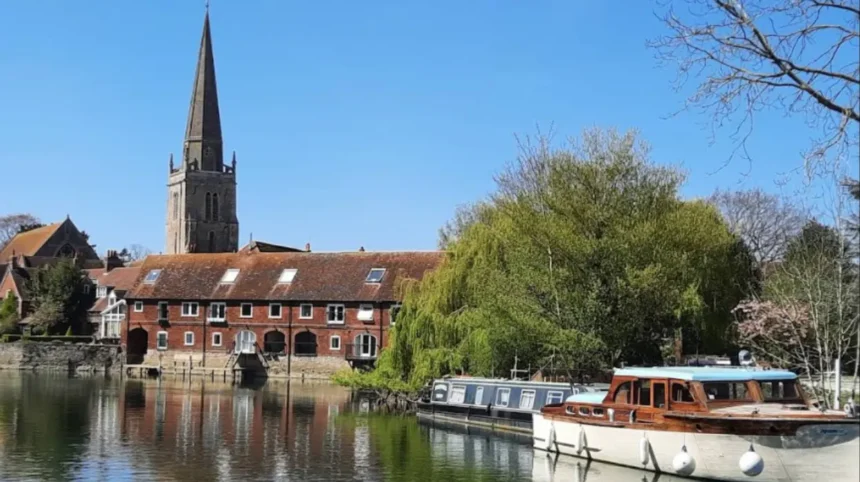
St Nicolas’ Church, located just off Ock Street, is one of Abingdon’s oldest buildings and is surrounded by a small churchyard that is easily reached on foot from the Cornmarket. The church and its churchyard are often overlooked by tourists who focus on shopping and riverside walks, yet they offer a slice of medieval and early‑modern religious history. The church is within a five‑minute walk of the main bus stops and of the County Hall Museum.
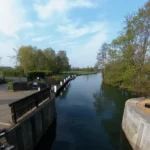
Nearby, the small lock known as “Britain’s smallest lock” (a local nickname) lies on the River Thames within easy walking distance of Abbey Meadows and the town centre. This micro‑lock is a short stroll from the main riverside paths and provides a quiet, almost hidden spot for visitors interested in canal and river infrastructure.
Local‑history walks and self‑guided routes
Abingdon on Thames Town Council and local heritage groups sometimes promote short self‑guided walks that focus on historic buildings, former industrial sites and riverside landmarks. These walks are designed to be completed on foot and typically start from the Cornmarket, Abbey Meadows or the County Hall, ensuring that they are accessible without a car.
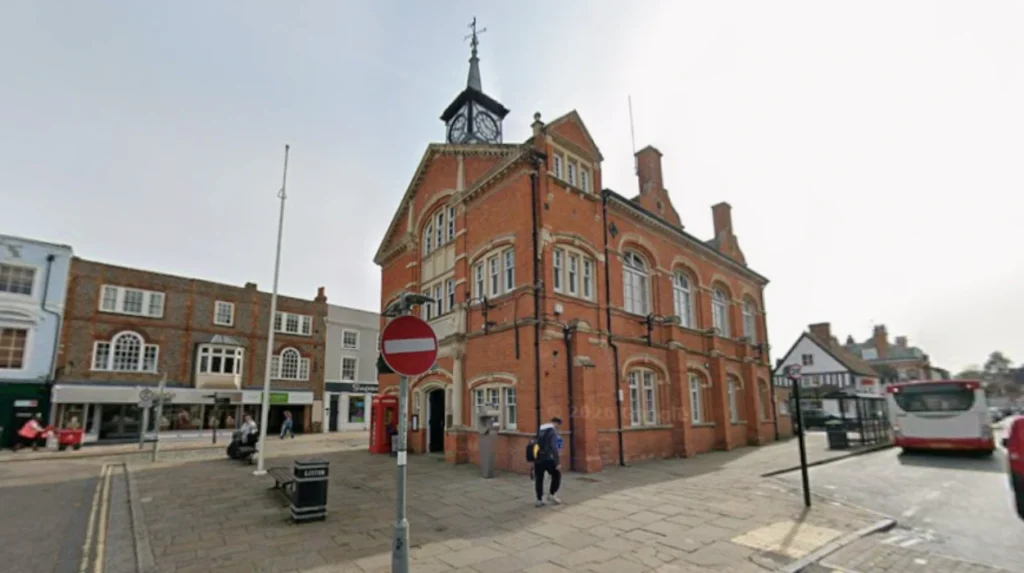
Key routes often include the medieval core around the Cornmarket, the riverside around Abbey Meadows and the lock area, and the lanes leading towards St Helen Street. For visitors, these pre‑defined routes offer a structured way to discover hidden‑history sites while remaining within the same walkable zone.
How can you plan a full day in Abingdon without a car?
Morning: town‑centre exploration and cafés
Begin your day by arriving by bus or train and walking directly into the Cornmarket or Ock Street area. Spend 60–90 minutes exploring the historic streets, independent shops and cafés, then visit the Abingdon County Hall Museum and, if opening hours allow, the rooftop terrace. All of these sites lie within a ten‑minute walking radius of each other and of the main bus stops.
After this, grab a coffee in one of the independent cafés around the Cornmarket or Ock Street, which are suitable for digital nomads who want to work or plan the rest of the day before heading out.
Early afternoon: Abbey Meadows and riverside paths
Walk south from the town centre towards Abbey Meadows, a five‑minute stroll from the main thoroughfares. Spend time in the park, then follow the riverside paths towards Abingdon Lock or towards the quieter reaches near the rowing club. This riverside section can be extended into a 30–60‑minute walk, depending on how far you wish to go.
Because the meadows and riverside paths are flat and well‑maintained, they suit leisure travellers and families as well as business travellers wanting light exercise.
Late afternoon: hidden streets and small museums
Return towards the town centre and take the quieter routes via St Helen Street and E St Helen Street, where you can visit the Little Basement Museum and admire the historic façades. These lanes are only a few minutes’ walk from Ock Street and the Cornmarket, so they can be slotted into the end of your riverside walk without detours.
For residents or repeat visitors, this sequence offers a compact “hidden core” itinerary that can be repeated with different starting points while still car‑free.
Evening: riverside or pub‑centric finish
End the day with a riverside drink at a pub such as the Boathouse or the Angel on the Bridge, both within easy walking distance of Abbey Meadows and the town centre. Alternatively, return to the Cornmarket area and choose a quieter pub or café in the side streets around Ock Street and St Helen Street.
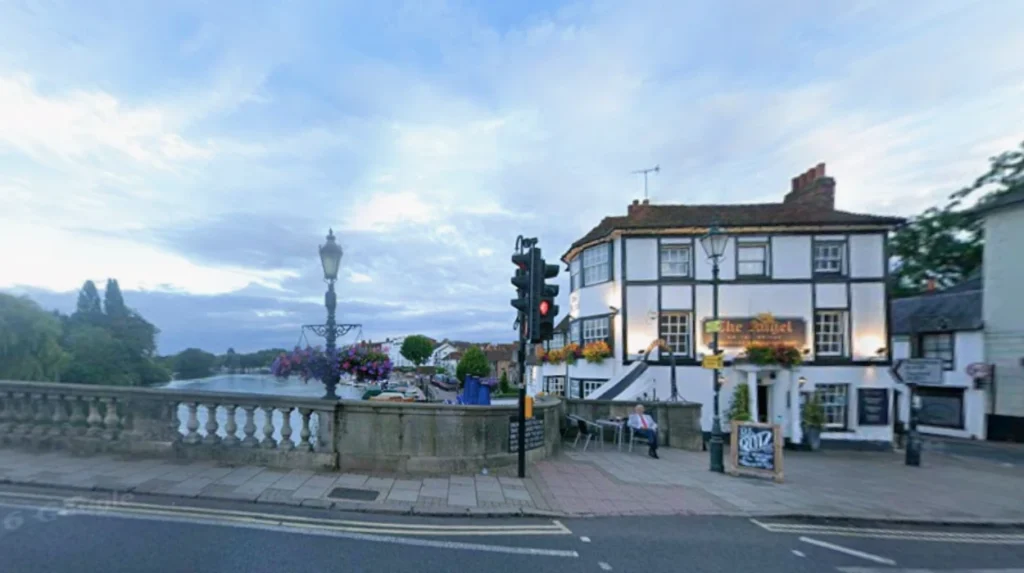
Because most of Abingdon’s central accommodation lies within a short walk of the bus interchange and the river, you can return to your hotel or guesthouse on foot after an evening out without needing to drive or arrange a taxi.
How does exploring Abingdon without a car benefit residents and digital nomads?
For residents, car‑free exploration encourages regular use of local green spaces such as Abbey Meadows and the riverside paths, which can fit into daily routines for walking, cycling or lunch‑break breaks. The compact centre also makes it easy to run errands, visit cafés and attend small‑scale cultural events without relying on parking.
For digital nomads and remote workers, Abingdon’s walkable core, combined with local‑transport links to Oxford and Didcot, offers a low‑congestion environment where you can combine work, café‑based productivity and short recreational walks. The mix of history, riverside scenery and quiet side streets provides a backdrop that supports both focused work and relaxed exploration, all within a car‑free radius.