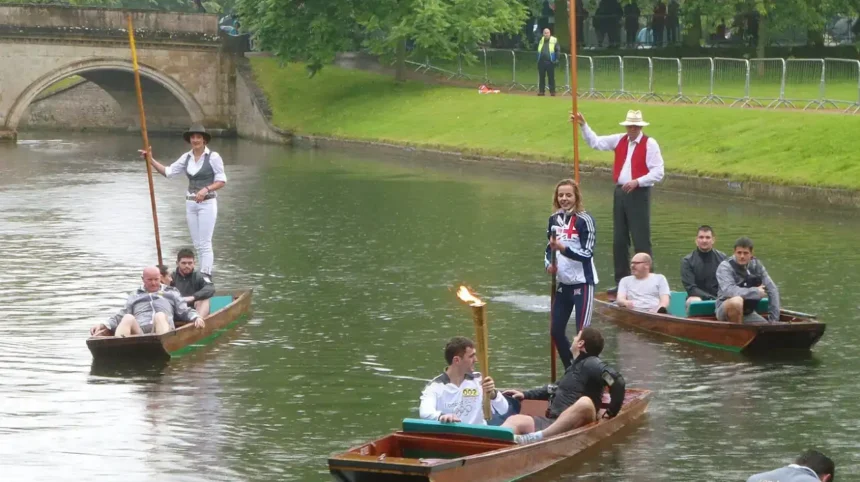
Punting is a traditional boating activity where a flat-bottomed boat is propelled through shallow water using a long pole. The practice originated in the medieval period for commercial transport but transitioned into a popular leisure activity in the early 20th century. In cities like Cambridge and Oxford, punting serves as a primary tourist attraction and a cultural hallmark.
- What are the best family-friendly punting tips for a safe trip?
- How should parents prepare for a punting trip with toddlers?
- Why is the timing of a punting tour important for families?
- What equipment is necessary for family-friendly punting?
- Where are the best locations for family-friendly punting?
- How does punting contribute to children’s education and development?
- What safety regulations govern commercial family punting?
- How can families identify a reputable punting company?
- What are the environmental impacts of family punting?
- How should families handle weather changes during a punting trip?
- What are the historical origins of the punt boat?
Family-friendly punting refers to specialized practices designed to accommodate parents, guardians, and children in a safe aquatic environment. This activity requires specific knowledge of boat stability, river etiquette, and passenger management to prevent accidents. Modern punting companies provide equipment such as life jackets and cushioned seating to enhance the experience for diverse age groups.
What are the best family-friendly punting tips for a safe trip?
Families should prioritize safety by ensuring all children wear fitted life jackets and remain seated throughout the journey. Choosing a chauffeured tour instead of self-punting reduces physical risks while allowing parents to focus entirely on supervising their children near the water.
Safety is the fundamental requirement for any river-based activity involving minors. Life jackets are mandatory for non-swimmers and highly recommended for all children under the age of 12. Punting poles are heavy and made of wood or aluminum which can cause injury if handled by inexperienced users. Professional chauffeurs undergo rigorous training to navigate crowded waterways and manage boat balance effectively. Keeping hands and feet inside the boat prevents injury from collisions with stone bridge walls or other vessels. Families must follow the instructions of the boat operator regarding weight distribution to maintain a level center of gravity.
How should parents prepare for a punting trip with toddlers?
Preparation involves packing sun protection, snacks, and quiet entertainment to keep toddlers occupied during the forty-five-minute tour. Parents must select a departure time during mid-morning or early afternoon when the river traffic is lower and the weather is temperate.
Toddlers require constant supervision because the open sides of a punt offer no physical barriers. Bringing a favorite toy or a small book helps maintain engagement while the boat moves at a slow pace. Sunscreen with a high SPF rating and wide-brimmed hats protect sensitive skin from UV rays reflecting off the water surface. Hydration is critical as the temperature on the river can feel higher than on land during summer months. Selecting a tour company that offers private bookings allows families more space and reduces the stress of sharing a boat. High-density foam cushions provide comfort for small children who may find wooden slats difficult for long durations.
Why is the timing of a punting tour important for families?

Optimal timing ensures a peaceful environment and avoids the peak congestion of midday crowds and large student groups. Early morning sessions between 09:00 and 11:00 provide the calmest waters and the most opportunities to observe local river wildlife.
River traffic levels fluctuate significantly throughout the day based on tourist arrival patterns and weather conditions. High congestion increases the risk of minor collisions between punts which can startle young children or cause loss of balance. Morning light offers the best conditions for photography and minimizes the exposure to intense afternoon heat. Wildlife species like swans, ducks, and kingfishers are more active during the early hours when human noise is minimal. Families benefit from shorter wait times at the departure docks during these off-peak periods. Booking in advance secures a specific time slot and prevents the frustration of standing in long queues with children.
What equipment is necessary for family-friendly punting?
Necessary equipment includes a stable flat-bottomed punt, long-reach poles for propulsion, waterproof cushions, and Coast Guard-approved life vests. High-quality tour operators provide umbrellas for rain protection and warm blankets for trips during the cooler autumn or spring months.
The design of a traditional punt allows it to operate in water as shallow as six inches. Commercial punts are typically built from mahogany or fiberglass and can hold up to twelve passengers safely. Cushions are essential for lumbar support and to prevent slipping on the wet floorboards of the boat. Life vests must be adjusted to fit the specific weight and height of each child to be effective. Umbrellas serve a dual purpose by providing shade from the sun and a shield against sudden rain showers. Blankets are a standard provision for evening tours or winter sessions to prevent hypothermia in younger passengers.
Where are the best locations for family-friendly punting?
The River Cam in Cambridge and the River Cherwell in Oxford are the premier global locations for family punting. These rivers offer shallow depths, historic scenery, and established infrastructure including specialized boat yards that cater to the specific needs of visiting families.
Cambridge offers a unique perspective of the university colleges known as the Backs which include King’s College and Trinity College. The River Cam is regulated by the Conservators of the River Cam to ensure safety and environmental standards. Oxford provides a more rural and tranquil experience through the University Parks and the Christ Church Meadow area. Both cities have designated punting stations where staff assist with boarding and disembarking to ensure passenger stability. The shallow nature of these rivers makes them significantly safer than tidal rivers or deep lakes for recreational boating. Accessibility features at these locations often include ramps for strollers and nearby public restroom facilities.
How does punting contribute to children’s education and development?
Punting provides an outdoor classroom where children learn about local history, architecture, and freshwater ecosystems through direct observation. Guides often share facts about historical figures and scientific discoveries associated with the landmarks visible from the river banks.
Educational engagement occurs when children observe the structural engineering of bridges such as the Mathematical Bridge or the Bridge of Sighs. Biological lessons are frequent as guides identify various plant species like weeping willows and diverse river fauna. Understanding the physics of the punt pole and the leverage required for propulsion introduces basic mechanical principles. The experience encourages children to appreciate heritage conservation and the importance of maintaining clean water systems. Sensory development is stimulated by the sounds of the water and the tactile experience of the wooden boat. Learning river etiquette teaches children about social responsibility and respect for shared public spaces.
What safety regulations govern commercial family punting?
Commercial punting is governed by local navigation authorities that mandate boat inspections, maximum passenger capacities, and public liability insurance. Operators must provide safety briefings to all passengers and ensure that all equipment meets national maritime safety standards.
The Environment Agency and local city councils oversee the licensing of punters to ensure professional conduct and safety. Boats must undergo annual buoyancy tests to prove they are seaworthy and capable of carrying the listed weight limits. Chauffeurs often hold certifications in first aid and water rescue to manage any emergencies effectively. Overcrowding is strictly prohibited as it compromises the stability of the flat-bottomed vessel in moving water. Safety signage at docks informs passengers of the risks associated with standing or leaning over the edges. Compliance with these regulations ensures that family tours remain a low-risk activity for the general public.
How can families identify a reputable punting company?
Families can identify reputable companies by checking for official licenses, reading verified customer reviews, and confirming the availability of child-specific safety gear. Established companies usually have permanent ticket offices and clearly marked boarding areas with trained staff members.
Professional companies display their licensing credentials prominently at their point of sale or on their official digital platforms. Verified reviews on travel websites provide insight into the quality of the guides and the cleanliness of the boats. A reputable operator will prioritize safety over profit by refusing to launch during dangerous weather conditions. They offer transparent pricing models and do not use aggressive touting tactics on public sidewalks. Quality of service is often reflected in the maintenance level of the boats and the uniforms of the staff. Reliable companies provide clear communication regarding the duration of the tour and the specific route taken.
What are the environmental impacts of family punting?
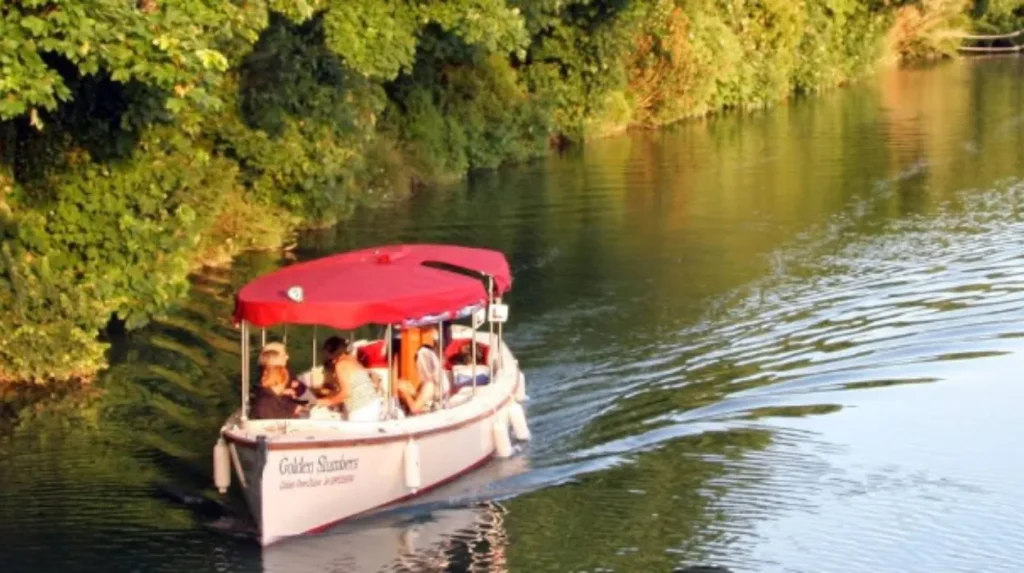
Punting is a low-impact, sustainable form of tourism because it relies on manual human power rather than internal combustion engines. This method prevents noise pollution and eliminates the release of carbon emissions or oil leaks into the river ecosystem.
The manual nature of punting preserves the tranquility of the riverbanks for both residents and wildlife species. Frequent punting helps oxygenate the water through the movement of the pole and the displacement of the boat. However, operators must be careful not to disturb the riverbed excessively to protect the spawning grounds of local fish. Educational tours often include information on river conservation to encourage environmentally responsible behavior among young visitors. Proper waste management practices at punting stations ensure that litter does not enter the waterway from tourist groups. The use of traditional materials like wood in boat construction reduces the reliance on synthetic plastics and chemicals.
How should families handle weather changes during a punting trip?
Families should monitor local weather forecasts and bring layers of clothing to adapt to changing temperatures or unexpected precipitation during the tour. Most professional punting companies provide large umbrellas and waterproof blankets to keep passengers dry during light rain.
Weather patterns can shift rapidly, causing a drop in temperature once the boat is on the water. Lightweight waterproof jackets are easy to pack and provide an essential barrier against wind and moisture. In the event of thunder or lightning, all punting activities must cease immediately and boats must return to the nearest dock. High winds can make steering difficult and may lead to the cancellation of tours for safety reasons. During periods of extreme heat, families should seek boats with overhead canopies or choose early morning slots. Operators generally offer rescheduling options if the weather becomes unsuitable for a comfortable family experience.
What are the historical origins of the punt boat?
The punt boat originated as a utilitarian vessel for hunting, fishing, and transporting cargo in the marshy wetlands of the English Fens. Its design was later adapted for pleasure boating by university students and residents in the late nineteenth century.
The word punt is derived from the Latin term ponto, which refers to a flat-bottomed boat or bridge of boats. Early punts were constructed from local oak or elm and were designed to navigate through reeds and thick vegetation. The transition to recreational use began in the 1860s as a way for the wealthy to enjoy the river. By the Edwardian era, punting had become a fashionable social activity accompanied by picnics and music. The traditional technique of standing at the rear of the boat to pole was standardized during this period. Today, the design remains largely unchanged, preserving a historical connection to the traditional English river culture.
How to prepare for a rafting trip?
To prepare for a rafting trip, families should research rapid classifications and pack essential safety gear like life jackets. Best family-friendly punting tips for your river trip recommend wearing waterproof clothing, applying sunscreen, and bringing hydration to ensure physical comfort.
When to avoid Rishikesh?
Families should avoid Rishikesh during the monsoon season from July to September due to heavy rainfall and dangerous river currents. Best family-friendly punting tips for your river trip suggest visiting during temperate months to ensure all outdoor activities remain safe.
What river do you punt on in Oxford?
In Oxford, families primarily punt on the River Cherwell, which offers shallow, calm waters ideal for children. Best family-friendly punting tips for your river trip highlight this river for its scenic views of Botanic Gardens and lush college meadows.
Where is the best place to punt in Oxford?
Magdalen Bridge Boathouse is the best location for families because it offers central access and stable boats. Best family-friendly punting tips for your river trip suggest starting here to enjoy a leisurely route past the historic Christ Church Meadow.
Is Harry Potter filmed in Oxford?
Yes, several Harry Potter scenes were filmed at Oxford locations including Christ Church College and the Bodleian Library. Best family-friendly punting tips for your river trip include spotting these famous architectural landmarks while gliding past the university buildings from the water.