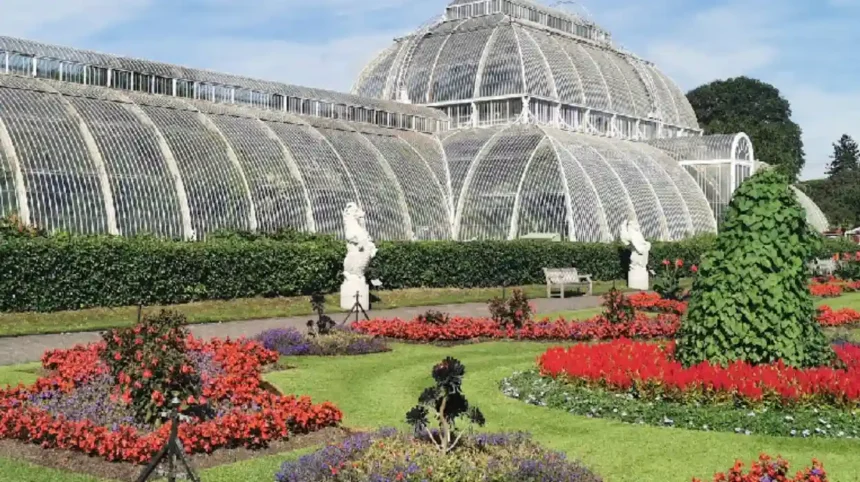
A botanic garden rare plant guide is a comprehensive scientific document or digital database used to identify, catalog, and manage threatened flora. These guides provide essential data on species taxonomy, conservation status, habitat requirements, and specific protocols for ex-situ preservation.
- How do botanic gardens contribute to rare plant conservation?
- What is the historical context of rare plant documentation?
- How are rare plant species classified for conservation?
- What are the key components of a professional plant guide?
- Which processes facilitate successful rare plant recovery?
- How do seed banks serve as genetic insurance policies?
- What role does horticultural management play in species survival?
- How do international policies govern rare plant records?
- What impact does climate change have on rare plant distribution?
- How do data and statistics support conservation efforts?
- What are the future trends for botanic garden rare plant guides?
- FAQs About the Botanic Garden Rare Plant
- Why are botanic gardens essential for preventing plant extinction?
- Can individuals purchase rare plants directly from a botanic garden?
- How do scientists identify and source rare plants for botanical collections?
- What is the difference between a public park and a professional botanic garden?
- How can the general public support the conservation of rare plant species?
The guide serves as a primary tool for researchers and conservationists. It functions as a central repository for morphological descriptions and genetic data. Every entry in the guide corresponds to an accessioned specimen in a living collection. These documents facilitate the exchange of information between global botanical institutions. Curators use these records to track the health of individual plants. The guide ensures that rare species receive the specialized care they require.
A botanic garden’s rare plant guide defines specific conservation priorities for staff. It utilizes standardized nomenclature from the World Flora Online (WFO) database. This ensures that every plant is correctly identified across international borders. The guide also documents the provenance of every plant in the collection. Accurate provenance data is critical for maintaining the genetic integrity of species. Without this information, scientists cannot perform effective reintroduction into the wild.
How do botanic gardens contribute to rare plant conservation?
Botanic gardens contribute to rare plant conservation by maintaining living collections of endangered species as insurance against extinction. They facilitate scientific research, provide seeds for restoration projects, and educate the public about the urgent need for global biodiversity protection efforts.
Conservation efforts in botanic gardens are divided into two main categories. Ex-situ conservation involves the maintenance of plants outside their natural environments. In-situ conservation focuses on protecting plants within their native ecological habitats. Botanic gardens act as a bridge between these two distinct strategies. They provide the plant material necessary for restoring degraded wild ecosystems. This dual approach increases the survival probability for critically endangered species.
The Global Strategy for Plant Conservation (GSPC) guides these institutional activities. Botanic gardens hold approximately 30 percent of all known plant species. This includes a significant portion of the world’s rarest and most threatened flora. By growing these plants, gardens prevent the total loss of genetic diversity. They serve as nurseries for species that can no longer survive alone. Institutional expertise in propagation is a cornerstone of modern conservation science.
What is the historical context of rare plant documentation?
The historical context of rare plant documentation originates in the early Renaissance physic gardens of Europe. These gardens evolved from medicinal herb collections into scientific institutions focused on the classification, study, and preservation of global flora through detailed written records.
Early botanical gardens were established at universities in Italy during the 1540s. These institutions focused on teaching medical students about the properties of plants. Documentation was limited to simple descriptions of medicinal uses and growth habits. As global exploration increased, gardens began receiving exotic and unknown species. This expansion required more sophisticated systems for naming and recording every plant. The development of the Linnaean system revolutionized how gardens documented their collections.
By the 19th century, botanic gardens became centers for economic botany research. Documentation expanded to include agricultural potential and industrial uses for rare plants. Many gardens established herbaria to store dried specimens alongside their living records. This period marked the beginning of a truly scientific approach to curation. Modern botanic garden rare plant guides are the direct descendants of these records. They reflect a shift from economic exploitation to proactive species conservation.
How are rare plant species classified for conservation?
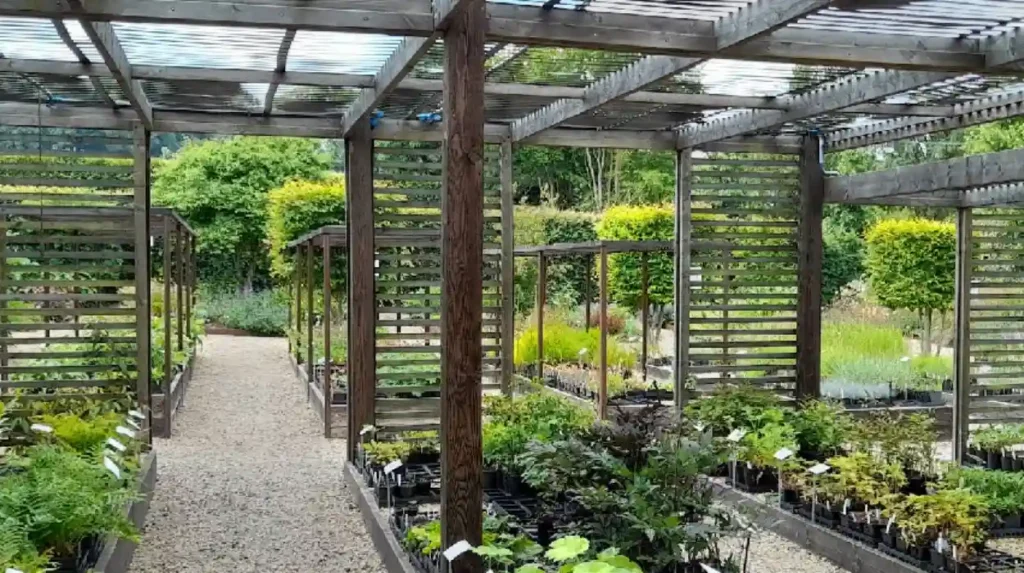
Rare plant species are classified using the International Union for Conservation of Nature Red List of Threatened Species criteria. This system categorizes plants based on their risk of extinction, ranging from least concern to critically endangered or extinct in the wild.
The classification process begins with a thorough assessment of a species population. Scientists measure the total number of mature individuals remaining in the wild. They also analyze the geographical range and habitat stability of the species. A species is considered rare if it has a very limited distribution. It is also rare if it exists in small, isolated populations. These factors make the species highly vulnerable to environmental changes or disasters.
The IUCN system uses specific categories like endangered and vulnerable for classification. Critically endangered species face an extremely high risk of extinction very soon. Endangered species are likely to become extinct if current threats continue. Vulnerable species are at high risk of becoming endangered in the future. Data from these assessments is integrated into every botanic garden’s rare plant guide. This allows gardens to prioritize the most at-risk plants for intensive care.
What are the key components of a professional plant guide?
A professional plant guide includes detailed taxonomic data, precise geographic coordinates, and comprehensive cultivation requirements. It also features high-quality photographs, conservation status labels, and specific information regarding the genetic history and source of every documented plant specimen.
The most critical component of a guide is the scientific name. This includes the genus, species, and any subspecies or variety designations. The guide must also list the author of the scientific name. This ensures that researchers are referring to the same biological entity globally. Taxonomic clarity prevents confusion during seed exchanges and collaborative research projects. Common names are included but are secondary to the formal scientific nomenclature.
Every entry must also contain data about the plant’s natural habitat. This includes information on soil types, moisture levels, and sunlight requirements. The guide provides instructions for the daily horticultural care of the species. It outlines the specific methods used for propagation, such as seed or cuttings. Phenological data, such as flowering and fruiting times, is also recorded annually. This level of detail ensures the long-term success of the collection.
Which processes facilitate successful rare plant recovery?
Successful rare plant recovery is facilitated through a combination of propagation, habitat restoration, and controlled reintroduction programs. Scientists use genetic mapping to ensure diversity, while ecologists prepare the original environment to receive and support the new plant populations.
The recovery process often begins in a controlled greenhouse or laboratory. Experts use tissue culture or seed germination to produce many healthy plants. These individuals grow until they are strong enough for outdoor survival. Genetic diversity is prioritized to ensure the new population is resilient. This prevents the negative effects of inbreeding in small, isolated plant groups. Careful selection of parent material is essential for a successful outcome.
The final stage of recovery is the reintroduction into the wild. Ecologists select sites that closely match the species’ historical home range. They monitor the reintroduced plants for several years after the initial planting. Success is measured by the ability of the plants to reproduce naturally. Regular monitoring helps scientists understand which factors contribute most to survival. This data is then used to refine future plant recovery strategies.
How do seed banks serve as genetic insurance policies?
Seed banks serve as genetic insurance by storing seeds in climate-controlled environments to preserve them for centuries. These facilities protect plant species from catastrophic events like wildfires, habitat destruction, or climate change by maintaining a viable backup supply.
Seeds are collected from diverse wild populations to maximize genetic representation. Once at the bank, they are cleaned and carefully dried out. Lowering the moisture content allows the seeds to survive much longer. They are then placed in airtight containers and frozen at low temperatures. In this state, the biological activity of the seed slows down significantly. This process allows seeds to remain viable for many decades or more.
The Millennium Seed Bank is one of the largest such facilities worldwide. It holds billions of seeds from thousands of different plant species globally. These collections are regularly tested to ensure they can still germinate properly. If the germination rate drops, the seeds are grown into plants. New seeds are then harvested and returned to the storage facility. This cycle ensures that the genetic insurance policy remains active indefinitely.
What role does horticultural management play in species survival?
Horticultural management ensures species survival by creating specialized artificial environments that mimic the natural conditions of rare plants. Expert horticulturists manage watering, nutrition, and pest control to keep endangered specimens healthy and ready for reproduction.
Living collections in botanic gardens require a very high level of care. Horticulturists must understand the unique needs of every rare species they grow. This often involves replicating specific soil chemistries from remote parts of the world. They may also need to adjust the temperature and humidity in greenhouses. Proper management prevents the loss of rare plants to common diseases or pests. Healthy plants are more likely to produce high-quality seeds for research.
Staff also manage the reproductive biology of rare plants in their care. This can include hand pollination for species that lack natural pollinators nearby. They must carefully track which individuals are breeding to maintain genetic health. Accurate labeling and record keeping are essential parts of this management process. The botanical garden rare plant guide is updated with these daily observations. These details provide a complete history of the species’ life in cultivation.
How do international policies govern rare plant records?
International policies like CITES and the Convention on Biological Diversity govern rare plant records by regulating trade and access. These laws ensure that rare plants are collected legally and that the benefits of their use are shared.
The Convention on International Trade in Endangered Species (CITES) is a global treaty. It regulates the movement of threatened plants across international borders for any purpose. Botanic gardens must follow strict permit requirements when exchanging rare plant material. This prevents the illegal poaching of species from their native wild habitats. CITES helps ensure that international trade does not threaten the survival of plants. It protects thousands of species of orchids, cacti, and tropical timber trees.
The Nagoya Protocol is another essential international agreement for botanic gardens. It focuses on the fair and equitable sharing of benefits from plants. When a garden collects a plant, it must have the provider’s consent. This is especially important for plants used in medicines or agriculture. Documentation in the botanical garden rare plant guide must include legal permits. This ensures that all research and conservation activities are ethically and legally sound.
What impact does climate change have on rare plant distribution?
Climate change impacts rare plant distribution by altering temperature and rainfall patterns, forcing species to migrate or face extinction. Many rare plants have specialized niches and cannot adapt quickly enough to the rapidly changing environmental conditions.
Warming temperatures are pushing many plant species toward the poles or higher. For rare plants with limited mobility, this shift is often impossible. Habitat fragmentation makes it difficult for species to find new suitable areas. Changes in precipitation can lead to prolonged droughts or increased flooding events. These stressors weaken plant populations and reduce their ability to reproduce successfully. Some species may lose their essential pollinators due to mismatched timing.
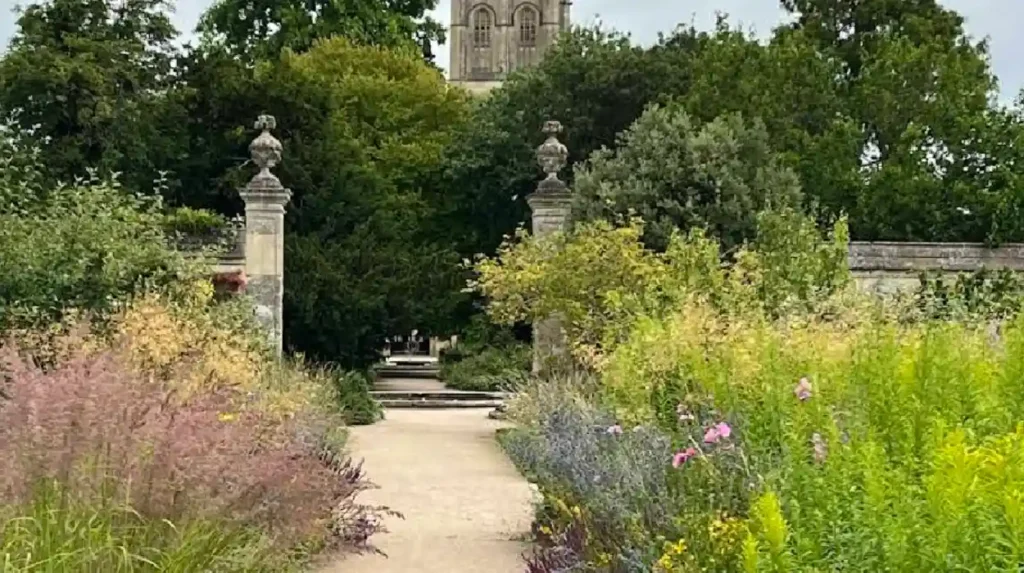
Botanic gardens use climate modeling to predict where plants will survive. This research helps determine which species are at the highest risk. The botanic garden rare plant guide tracks these changes in distribution over time. This information is vital for planning assisted migration or conservation efforts. Gardens act as refuges for species that can no longer survive naturally. Their role as climate-resilient nurseries is becoming more important every year.
How do data and statistics support conservation efforts?
Data and statistics support conservation efforts by providing a measurable way to track species decline and the success of recovery programs. Quantitative analysis helps scientists prioritize resources for the plants that are most likely to disappear.
Current statistics show that approximately 30 percent of the world’s trees are threatened. At least 11 percent of native plants in the United States face extinction. These numbers come from intensive monitoring and data collection by botanic gardens. Statistical models help predict the future health of a specific plant population. They can identify the primary factors that lead to species loss in the wild. This allows conservationists to target the most significant threats directly.
Data sharing between institutions is facilitated by platforms like the BGCI databases. These systems allow gardeners to see which species are already in cultivation. This prevents unnecessary duplication of efforts and helps identify gaps in collections. If a species is not held in any garden, it becomes a priority. High factual density in these records improves the quality of scientific research. It ensures that every conservation action is based on solid evidence.
What are the future trends for botanic garden rare plant guides?
Future trends for botanic garden rare plant guides include the integration of genomic data, real-time environmental monitoring, and interactive digital interfaces. These advancements will allow for more precise genetic management and broader public engagement with plant conservation.
Genomic sequencing is becoming a standard part of rare plant documentation now. It allows scientists to understand the exact genetic makeup of their collections. This information helps in selecting the best individuals for restoration projects. Digital guides are also becoming more interactive and accessible for everyone. Mobile applications allow visitors to learn about rare plants while they walk. This increases public awareness and support for vital conservation work globally.
Real time sensors in gardens provide data on soil and weather conditions. This data is linked directly to the digital records of each plant. It allows for immediate adjustments in care if a plant shows stress. Artificial intelligence is also being used to identify rare plant species automatically. These tools help researchers monitor large areas of land more efficiently than before. The future of the botanical garden’s rare plant guide is digital.
FAQs About the Botanic Garden Rare Plant
Why are botanic gardens essential for preventing plant extinction?
Botanic gardens serve as living laboratories and seed banks that preserve the genetic diversity of endangered species outside their natural habitats. They provide a safe haven for plants threatened by climate change and urban development while facilitating critical research for future reintroduction. These institutions act as a global insurance policy against the total loss of planetary biodiversity.
Can individuals purchase rare plants directly from a botanic garden?
Most botanic gardens do not sell rare or endangered species from their primary conservation collections to the public due to strict legal and ethical regulations. However, many host seasonal plant sales featuring propagated common species or non-threatened varieties to fund their conservation programs. Always check specific garden policies and CITES regulations before attempting to acquire rare flora.
How do scientists identify and source rare plants for botanical collections?
Researchers identify rare plants through field surveys, historical records, and global databases like the IUCN Red List to determine which species are most at risk. Sourcing involves ethical seed collection or taking cuttings from wild populations under strict government permits and international treaties. This ensures that the acquisition process does not further damage the fragile ecosystems where these plants naturally occur.
What is the difference between a public park and a professional botanic garden?
A professional botanic garden is a documented collection of living plants maintained specifically for the purposes of scientific research, conservation, and education. Unlike public parks, which prioritize recreation and aesthetics, botanic gardens accession every plant with detailed records of its origin and taxonomy. This rigorous documentation turns a simple garden into a vital resource for global botanical science and species recovery.
How can the general public support the conservation of rare plant species?
The public can support conservation by donating to botanic gardens, volunteering for local habitat restoration projects, and advocating for environmental protection laws. Choosing to grow native plants in home gardens also helps support local pollinators and strengthens the broader ecosystem. Additionally, practicing ethical tourism by not removing plants from the wild prevents the further decline of sensitive and rare populations.