Antiquarian book hunting combines historical research, local knowledge, and practical search skills to locate rare and early‑printed books. In Oxford, this activity is supported by university libraries, specialist booksellers, and long‑standing book‑fair traditions. These tips help structured, evergreen readers identify, evaluate, and acquire antiquarian books in a way that remains relevant over time.
- What is an antiquarian book and why does it matter?
- Which Oxford venues offer the best antiquarian book hunting?
- How do you define your antiquarian hunting goals?
- What bibliographic skills do you need for antiquarian hunting?
- How do you use Oxford library catalogs for antiquarian hunting?
- What commercial sources in Oxford serve antiquarian hunters?
- How do you evaluate condition and authenticity when hunting antiquarian books?
- What pricing and negotiation strategies work for Oxford antiquarian books?
- How do you protect and preserve antiquarian books after acquisition?
- What legal and ethical considerations apply to antiquarian book hunting?
- How does digital research support Oxford antiquarian hunting?
- What networking and community resources help antiquarian hunters in Oxford?
- How can you build a long‑term antiquarian collection in Oxford?
What is an antiquarian book and why does it matter?
An antiquarian book is any printed book that is old enough to be considered a collectible or historical object, typically issued before the 20th century. Such books matter because they record textual, material, and cultural histories not always visible in later editions. In antiquarian markets, factors such as printing date, edition, condition, and provenance determine significance and value. For example, a 17th‑century medical text, a 19th‑century philosophical first edition, or an early map book can all qualify as antiquarian works depending on rarity and context. Collectors in Oxford often use these books to study pedagogy, bibliography, or the history of ideas across the university’s long reading tradition.
Which Oxford venues offer the best antiquarian book hunting?
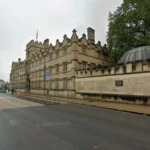
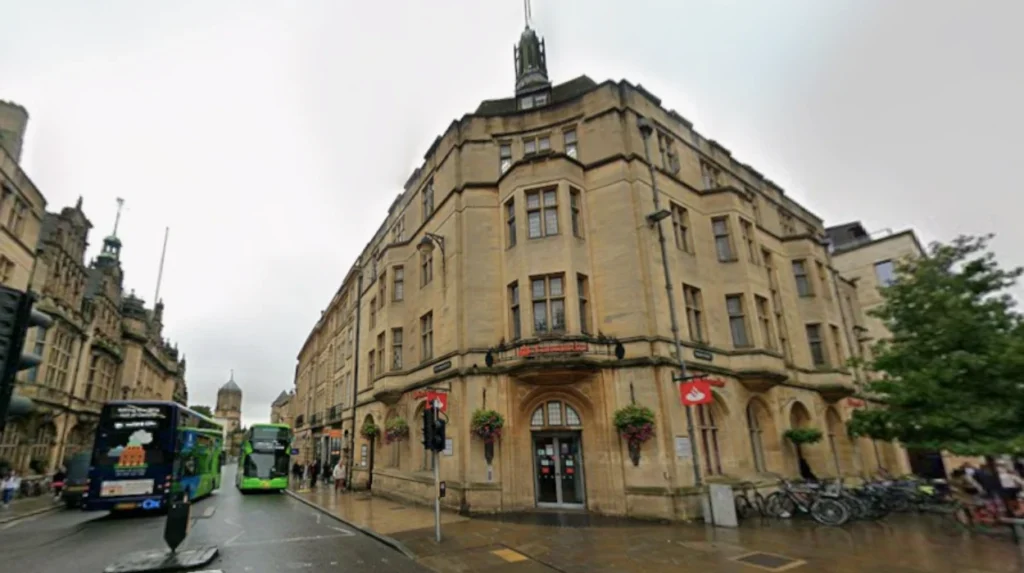
Oxford provides multiple physical and digital venues where antiquarian book hunting is particularly effective. The Bodleian Libraries, including the Weston Library and the Rare Books Reading Room, hold millions of early printed books searchable via SOLO, the university’s online catalog. On the commercial side, Blackwell’s Rare Books on Broad Street stocks antiquarian and collectable volumes, including early printing, fine bindings, and modern first editions. Sanders of Oxford, an Antiquarian Booksellers Association member on High Street, specializes in antique prints, maps, and related books from the 15th to the 20th century. Smaller bookshops and used‑book outlets in Jericho and the city centre also yield occasional antiquarian finds, especially in philosophy, literature, and theology. By combining institutional collections with trade stock, Oxford readers can explore both reference‑only and purchase‑driven antiquarian hunting.
How do you define your antiquarian hunting goals?
Defining goals means choosing a clear focus for what type of antiquarian books you seek. Examples include early science and medicine texts, 17th‑century theology, 19th‑century travel literature, or specific authors’ works such as early editions of Darwin or Ruskin. A focused goal reduces wasted time in vast catalogs and helps you learn the bibliographic markers of that subfield. For example, a philosophy‑focused hunter might prioritize original Oxford editions of logic or ethics treatises, while a literary collector might seek first editions of late‑Victorian novels. Writing a short statement of scope—such as “English‑language theology printed before 1800” or “Oxford University Press first editions 1900–1940”—creates a reusable research frame for future hunts and catalog searches.
What bibliographic skills do you need for antiquarian hunting?
Bibliographic skills enable you to recognize and verify an antiquarian book’s edition, printing date, and authenticity. Key skills include reading title pages, colophons, and publisher imprints; identifying typographic features such as font styles and page layout; and understanding bibliographic terms such as “first edition,” “second issue,” and “reprint.” For example, knowing that a colophon in a 15th–17th‑century book often records the printer, place, and year of printing helps distinguish original early material from later facsimiles. Oxford libraries and rare‑book guides typically provide free handouts or online guides explaining these conventions, which remain stable over time and are directly applicable to catalogue entries and dealer descriptions.
How do you use Oxford library catalogs for antiquarian hunting?
Oxford library catalogs, especially SOLO, allow you to locate antiquarian holdings by author, title, subject, or classification. You can filter by “early printed books” or “special collections” to narrow results to material likely to be pre‑1900 or rare. SOLO links to detailed catalog records that include publication dates, physical descriptions, and shelf locations in the Bodleian or other college libraries. Creating saved searches or alerts for specific terms—such as “incunabula,” “17th‑century medicine,” or “Oxford University Press–Editiones Clarendon”—helps you track new catalog entries over time. When planning a visit, you can also check opening hours and order requirements for the rare books reading rooms, which typically require advance registration and supervised access.
What commercial sources in Oxford serve antiquarian hunters?
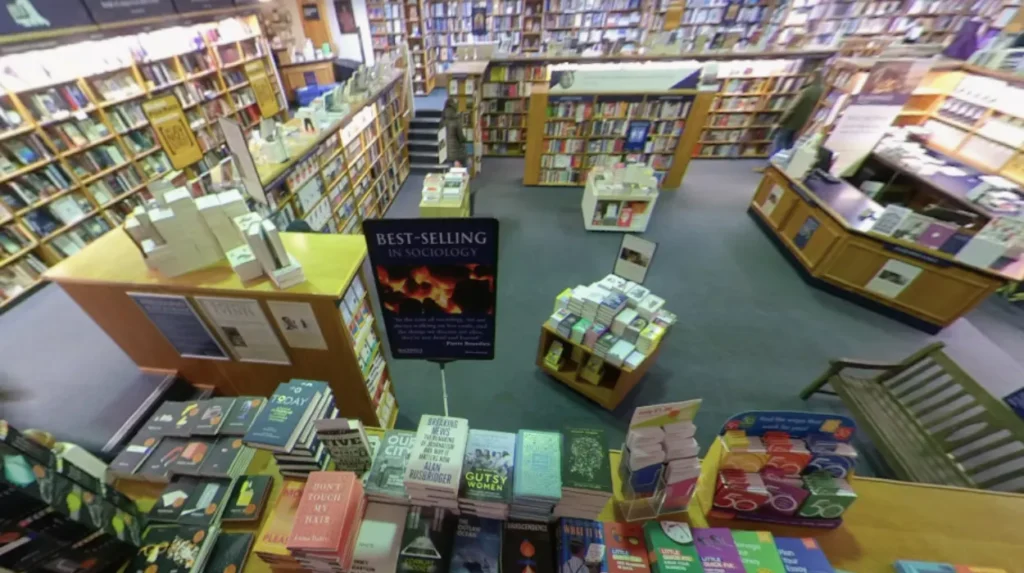
Commercial sources in Oxford include established rare‑book shops, general second‑hand bookstores, and occasional book fairs. Blackwell’s Rare Books, located on the second floor of the Broad Street flagship store, offers antiquarian books, early printing, and fine bindings across subjects such as literature, philosophy, and topography. Sanders of Oxford, a long‑running antiquarian firm, focuses on antique prints and maps but also stocks related books that handle historical geography and cartographic literature. Charity shops and independent bookstores in the city may not specialize in antiquarian material but can surprise you with 19th‑century textbooks, devotional works, or old university handbooks. Registering with these shops and asking them to email you about arrivals in your preferred subjects increases the chances of serendipitous finds.
How do you evaluate condition and authenticity when hunting antiquarian books?
When evaluating an antiquarian book, you must assess its physical condition, binding integrity, and evidence of authenticity. Key checks include looking for intact spines, clean margins, absence of major water or insect damage, and secured endpapers. Signs of significant restoration or later re‑binding should be noted, because they can affect scholarly and commercial value. Authenticity checks involve comparing the title page, typography, and paper with known examples of the same edition, often via library catalogues or standard reference works. For example, identifying consistent watermark patterns, printer’s devices, or jacket styles for a given year can distinguish original prints from later reissues. If in doubt, conservators or rare‑book librarians at Oxford institutions can advise on specific issues without necessarily charging for basic guidance.
What pricing and negotiation strategies work for Oxford antiquarian books?
Antiquarian book prices are influenced by rarity, demand, condition, and provenance, not just age. In Oxford, a typical antiquarian volume might range from a few pounds for a modest 19th‑century textbook to several hundred pounds for a rare first edition or early print. Before negotiation, you should research comparable prices using online catalogues, auction records, and standard bibliographies such as those published by the Antiquarian Booksellers Association. When negotiating in person, being polite, showing knowledge of the book’s context, and offering a reasonable price slightly below the seller’s asking point can be effective. Many Oxford booksellers are willing to discuss fair value, especially if they know you are serious and may return for future purchases.
How do you protect and preserve antiquarian books after acquisition?
Preservation begins at the moment of purchase, with careful handling, appropriate storage, and a controlled environment. Antiquarian books should be kept upright on shelves, supported by bookends, in a cool, dry room away from direct sunlight and radiator heat. Avoid plastic wrappers that trap moisture; lignin‑free paper or archival boxes are better for long‑term storage. When handling rare books, wash or clean your hands and avoid eating or drinking nearby to reduce the risk of stains and grease. For valuable items, consider climate‑controlled storage or professional conservation if the pages, binding, or spine show fragility or advanced deterioration. Proper preservation not only sustains the book’s condition but also maintains its potential for future research and scholarly citation.
What legal and ethical considerations apply to antiquarian book hunting?
Legal and ethical considerations include respecting copyright, export controls, and cultural‑property laws even when dealing with old books. In the United Kingdom, copyright typically expires 70 years after the author’s death, but certain reproductions or editions may carry separate rights. Exporting very old or culturally significant books may require official documentation or permits, particularly if they originated outside the UK. Ethically, antiquarian hunters should avoid acquiring material known or suspected to be stolen from libraries or private collections, and should respect the provenance records that accompany donated or sold books. In Oxford, institutions and booksellers often follow strict guidelines for provenance and acquisition, and following their lead supports a trustworthy book‑hunting culture.
How does digital research support Oxford antiquarian hunting?
Digital research complements physical hunting by allowing you to cross‑check editions, prices, and bibliographic data before visiting libraries or shops. Online catalogues such as SOLO, the English Short Title Catalogue, and major national library databases let you verify publication dates, variant states, and holdings across institutions. Digital auction archives and rare‑book marketplace sites help you track typical prices for comparable editions and identify trends in demand. For example, a 19th‑century Oxford‑printed medical text might appear in multiple library catalogues, confirming its originality and printing range. These digital tools create a feedback loop between online research and on‑the‑ground hunting, making each Oxford visit more targeted and efficient.
What networking and community resources help antiquarian hunters in Oxford?
Oxford’s academic and bookselling communities provide informal networks that can support antiquarian hunting over time. Engaging with Bodleian special‑collections staff, college librarians, and local booksellers builds relationships that yield alerts about new acquisitions or upcoming sales. Joining or following local book‑collecting societies, such as Oxford‑area chapters of the Private Libraries Association or similar groups, gives access to meetings, lectures, and member‑only auction lists. Online forums and discussion groups for rare‑book enthusiasts can also connect you with Oxford‑based readers and collectors who share finds, bibliography tips, and practical advice. These networks turn solitary hunting into a collaborative, ongoing practice that deepens your understanding of the local antiquarian ecosystem.
How can you build a long‑term antiquarian collection in Oxford?
Building a long‑term collection means treating each acquisition as part of a coherent, documented project rather than a random series of purchases. This involves keeping a simple inventory with author, title, date, publisher, and condition notes, ideally backed up in digital form. You can also organize by theme, such as “Oxford‑printed philosophy 1800–1900” or “British exploration narratives 1750–1850,” which aligns with Oxford’s scholarly strengths. Over time, revisiting shops and catalogues with your collection plan in mind helps you fill gaps and refine your focus. A well‑documented, thematically organized collection remains useful for research, teaching, and potential future donation or sale, reinforcing the educational and cultural value of Oxford‑based antiquarian hunting.