Oxford captivates as the world-renowned “City of Dreaming Spires,” blending over a millennium of academic excellence with picturesque riverside charm. This evergreen area guide for Oxford Daily readers explores its timeless history, vibrant neighborhoods, must-see attractions, culinary delights, outdoor pursuits, and practical living tips, optimized for those planning a visit or relocation.
Rich Historical Roots
Oxford traces its origins to Saxon times as Oxenaforda, a vital river crossing where the Thames (locally the Isis) meets the Cherwell, serving as a frontier between Mercia and Wessex. The Normans fortified it in 1071 with Oxford Castle, initially timber and later stone, underscoring its strategic role. Teaching began here in 1096, evolving into the University of Oxford, the oldest in the English-speaking world, as scholars fled papal conflicts abroad.
By the 12th century, royal drama unfolded when Empress Matilda endured a siege during The Anarchy, cementing Oxford’s place in English lore. The 13th century birthed early colleges like University (1249) and Balliol, while the 16th saw religious strife—Archbishop Cranmer and Bishops Latimer and Ridley met martyrdom on Broad Street in 1555-56, now marked by the Martyrs’ Memorial. Railways in 1844 spurred growth, transforming it from a scholarly enclave into a bustling hub, though suburban expansion followed in the 20th century.
Iconic University and Colleges
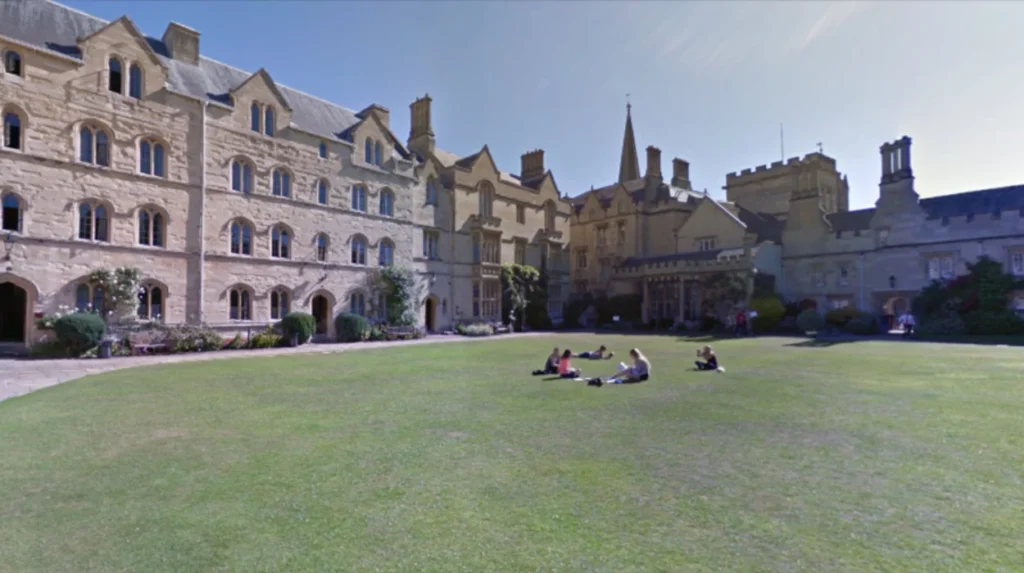
At Oxford’s heart lie 39 autonomous colleges, each a architectural gem with storied pasts. Christ Church, the grandest, boasts a Great Hall evoking Hogwarts and Christopher Wren’s Tom Tower; it counts 16 British prime ministers and Lewis Carroll among alumni. Magdalen College enchants with its 15th-century tower, deer park, and May Morning hymns sung from the chapel atop.
The Bodleian Library, Europe’s ancient continuously used repository since 1602, safeguards over 13 million treasures, its Divinity School mirroring Hogwarts’ infirmary. Nearby, the Radcliffe Camera’s circular dome anchors Radcliffe Square’s neoclassical splendor. Punting along the Cherwell or Isis reveals these spires intimately, a 19th-century pastime that persists. Oxford’s tutorial system, fostering rigorous debate, has yielded 72 Nobel laureates, as academic records affirm.
Vibrant Neighborhoods to Explore
Central Oxford pulses around High Street, Carfax Tower, and the Covered Market, alive with fresh produce, crafts, and historic pubs. Jericho, hugging the canal north, has morphed from industrial grit into a bohemian haven of trendy cafes, street murals, and the intimate Phoenix Picturehouse cinema.
Upscale Summertown along Banbury Road tempts with chic boutiques, delis, and the Summertown Pavilion shopping enclave, ideal for refined strolls. Eastward Headington cradles the Oxford University Botanic Garden—Britain’s oldest from 1621—and the opulent Headington Hill Hall. South in Cowley Road, global flavors abound in Indian, Ethiopian, and vegan spots, paired with gigs at the O2 Academy.
Iffley Village offers serene respite with its ancient lock and the Iffley Track, where Roger Bannister shattered the four-minute mile in 1954. These districts weave student energy with local tranquility, showcasing Oxford’s multifaceted appeal.
Must-Visit Attractions
The Ashmolean Museum, opened in 1683 as Britain’s first public museum, houses Pre-Raphaelite masterpieces, Egyptian mummies, and the Alfred Jewel. Pitt Rivers Museum thrills with ethnographic oddities like shrunken heads amid gothic displays. The Oxford University Museum of Natural History stuns via dinosaur skeletons and Charles Darwin’s own desk.
Merton College’s chapel preserves 13th-century stained glass, while Corpus Christi displays the teddy bear that inspired Winnie-the-Pooh. Venture to Blenheim Palace, 10 miles north—Winston Churchill’s 1874 birthplace—across 2,000 acres of state rooms, lakes, and labyrinthine gardens. Oxford’s medieval planned layout eyes UNESCO status, per UK heritage listings.
Literary pilgrims flock to the Eagle and Child pub, haunt of Tolkien and C.S. Lewis’ Inklings circle. Darker tales include the 1577 Black Assizes plague that felled a judge and prisoners alike.
Local Food and Drink Scene
From opulent college banquets to eclectic street eats, Oxford’s foodscape delights. Classic punter fare—pork pie, local cheese, and ale—pairs perfectly at the 13th-century Turf Tavern. Contemporary gems like Edamame’s sushi near Covered Market or The Cherwell Boathouse’s riverside elegance elevate the experience.
Craft brews shine in Brakspear’s Oxford Blue or Thornbridge Jaipur IPA at venerable inns like The Bear, famous for its tied collections of student knotted ties. Gee’s Restaurant in a Victorian conservatory excels in vegetarian fare. Cowley Road bursts with Big Ginger’s vegan Jamaican patties and Kazbar’s Moroccan tagines. University-linked farms champion sustainable sourcing, as studies highlight.
Wednesday and Thursday farmers’ markets brim with artisanal cheeses and chutneys, while the Chocolate Café crafts decadent truffles for sweet indulgences.

Outdoor Activities and Green Spaces
Rivers shape Oxford’s leisure: punt from Folly or Magdalen Bridge amid willow-fringed vistas. The 850-acre University Parks encompass the botanic garden’s 5,000 plant species. Port Meadow, a millennia-old common, permits wild grazing and Thames swims.
Pedal the Thames Path National Trail or Cherwell Valley, with affordable citywide bike hires. South Park provides playgrounds and panoramic college dome views. Binsey’s Trilleck’s Oak nods to Tolkien’s Lord of the Rings inspirations. Over 70 parks bolster biodiversity, as official sources note.
Practical Visitor Guide
Reach Oxford via 1-hour trains from London Paddington or 90-minute buses from Heathrow; Oxford Parkway serves northern routes. Park & Ride at Pear Tree or Redbridge sidesteps center traffic. Navigate by foot, Stagecoach buses (3-day passes often free for visitors), or Oxontrike bikes; core zones restrict cars.
Stay at boutique Malmaison (ex-prison), family Vanbrugh House, or YHA hostels. Prime visits span spring blossoms, summer punts, and autumn terms; dodge June exams. Budget £100 daily: £30 punting, free museums, £15 college tours. Catch the Oxford Literary Festival in March or November Christmas Lights.
Living in Oxford: Area Insights
Summertown draws professionals with £700k homes; Jericho’s £600k flats suit creatives. Cowley offers family semis at £450k. Education shines: 90% state primaries rated “outstanding,” plus seven grammars.
The “knowledge triangle” of university, hospitals, and Begbroke Nano science park fuels a <3% unemployment rate and £38k median salary. Innovation has birthed 2,000+ spinouts, per research. Trains whisk to London in 25 minutes; 100+ electric buses advance green commutes.
Cultural and Modern Life
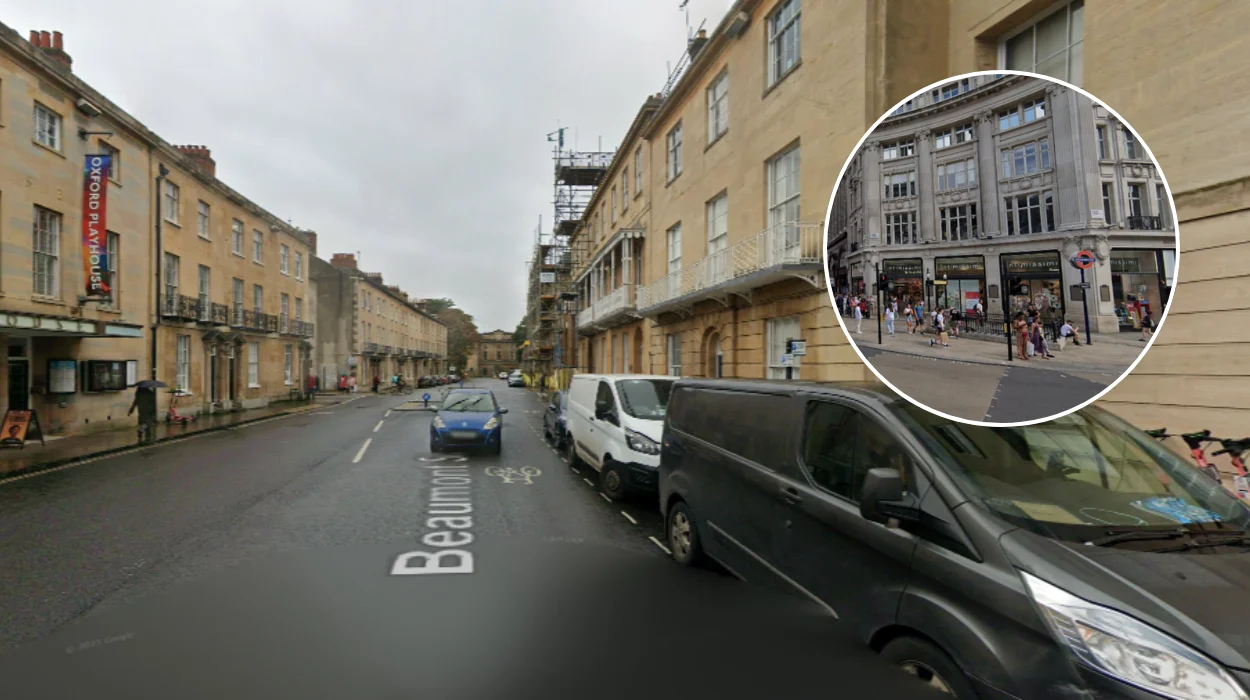
With 25% students, Oxford buzzes via the New Theatre (Richard Burton’s Taming of the Shrew stage) and Burton Taylor Studio. Oxford Playhouse delivers bold drama; Holywell Music Room, from 1742, claims the world’s oldest concert hall title.
Screen icons include Harry Potter, Golden Compass, and The Theory of Everything. Saïd Business School pioneers fintech; ARC Oxford spotlights contemporary art. A 30% non-UK-born populace, with mosques and gurdwaras, enriches its tapestry.
Why Oxford Endures
Oxford’s enduring magic fuses intellectual legacy with natural allure, from Saxon origins to a global beacon. Punting beneath spires or wandering ancient meadows reveals why it forever inspires.