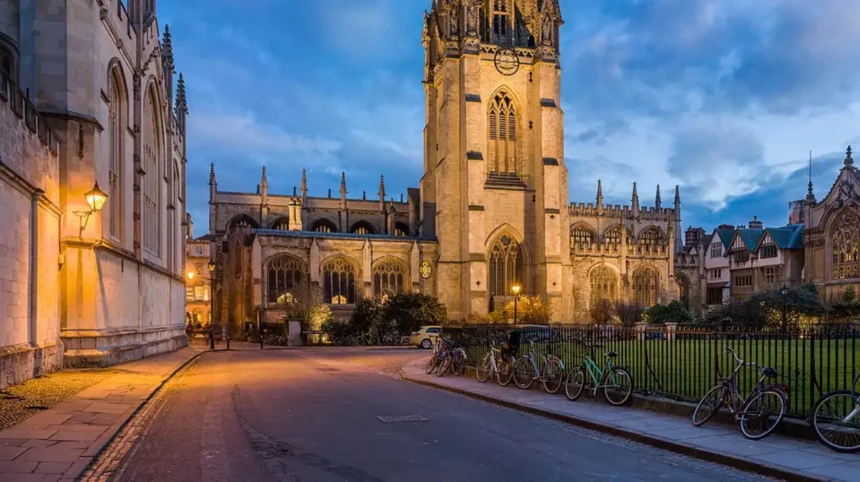
University Church museum spaces represent distinctive architectural environments where religious worship, academic tradition, and cultural preservation converge. These specialized areas within historic university churches serve multiple functions as exhibition venues, heritage interpretation centers, and public education spaces. The transformation of church buildings into multifunctional cultural spaces reflects centuries of institutional evolution and adaptive reuse of sacred architecture.
- What Defines University Church Museum Spaces?
- How Did University Churches Originally Function as Academic Centers?
- What Architectural Features Make Churches Suitable for Museum Spaces?
- How Do University Church Museum Spaces Balance Sacred and Secular Functions?
- What Challenges Face University Church Museum Operations?
- How Do University Church Museum Spaces Contribute to Cultural Heritage?
- FAQS About University Churches
- What is the difference between a university church and a regular church?
- Can anyone visit the university church museum spaces, or are they restricted to students?
- Are university churches still used for actual worship services?
- How much does it cost to visit university church museums?
- What can you actually see in a university church museum space?
What Defines University Church Museum Spaces?
University Church museum spaces are designated areas within historic academic church buildings that house collections, exhibitions, and interpretive displays while maintaining their primary religious function. These spaces typically occupy former administrative rooms, libraries, tower platforms, and ancillary chambers originally built for university governance between the 13th and 17th centuries.
The architectural configuration of university church museum spaces emerged from practical necessity. Medieval universities required meeting halls, libraries, and ceremonial venues. Churches provided the only structures large enough to accommodate growing academic populations. The University Church of St Mary the Virgin in Oxford exemplifies this pattern. Around 1320, administrators added a two-story extension to the church’s north side. The ground floor became the convocation house for university parliament meetings. The upper story housed books bequeathed by Thomas Cobham, Bishop of Worcester, forming Oxford’s first university library. This dual-purpose construction established the precedent for church spaces serving both religious and institutional academic functions.
Modern university church museum spaces occupy these historical rooms. Former convocation houses display artifacts related to university governance. Old congregation chambers exhibit documents about academic ceremonies. Tower structures open as viewing platforms where visitors observe architectural features while learning about construction techniques. The integration of museum functions into church buildings preserves architectural heritage while providing educational value. These spaces document the physical evolution of academic institutions from their medieval origins through contemporary periods.
How Did University Churches Originally Function as Academic Centers?
University churches served as the first administrative, ceremonial, and educational buildings for medieval academic institutions. They hosted degree conferrals, examination sessions, legislative assemblies, judicial proceedings, and library services from the 13th through 17th centuries before universities constructed dedicated secular facilities.
The University Church at Oxford became the seat of university government by the early 13th century. Congregation, the supreme legislative body comprising all regent masters, assembled in the church from at least 1252. Degree ceremonies occurred in the nave. Lectures took place in various chapels. The Chancellor’s Court heard legal disputes within church walls. This concentration of academic activities within sacred space reflected medieval understanding of education as a religious duty. Universities existed to train clergy and educated Christians. Conducting academic business in churches symbolized the unity of faith and learning.
Spatial divisions within church buildings accommodated different university functions. At Oxford University Church, theologians occupied Congregation House. Canon lawyers used St Anne’s Chapel. Jurists gathered in St Thomas’s Chapel. Proctors with regent masters assembled in the Lady Chapel, later known as Brome Chapel. The entire Congregation convened in the chancel for major legislative decisions. This compartmentalization allowed simultaneous activities without disruption. Different faculties maintained separate jurisdictions within the same structure. The church architecture enabled complex institutional operations through strategic space allocation.
The arrangement proved problematic over time. William Laud, Archbishop of Canterbury, found graduation ceremonies irrelevant in the 1630s. Rowdy celebrations and sometimes clamorous disputations seemed inappropriate in sacred space. Following the Restoration in 1660, John Fell, Dean of Christ Church, commissioned Christopher Wren to design the Sheldonian Theatre. This purpose-built ceremony hall opened in 1669. University functions gradually transferred to specialized buildings. The church retained only the weekly University Sermon as its institutional connection to academic life. This separation of secular and sacred functions marked a fundamental shift in university spatial organization.
What Architectural Features Make Churches Suitable for Museum Spaces?
Church architecture provides museum-quality spaces through high ceilings for artifact display, thick stone walls for climate stability, secure ancillary rooms for storage, elevated galleries for viewing, and naturally compartmentalized layouts that separate exhibition zones without structural modification.
The vertical dimension of church architecture creates ideal exhibition environments. Clerestory windows positioned high in walls allow natural light without direct sun exposure that damages artifacts. Six-bay arcades with shafted piers divide interior space into distinct viewing zones. Canopied niches originally designed for religious statues accommodate artifact displays. The roof height enables large-scale installations and suspended exhibitions. Panel tracery windows with flamboyant battlemented parapets frame views while controlling light levels. These architectural elements serve museum functions without requiring alteration.
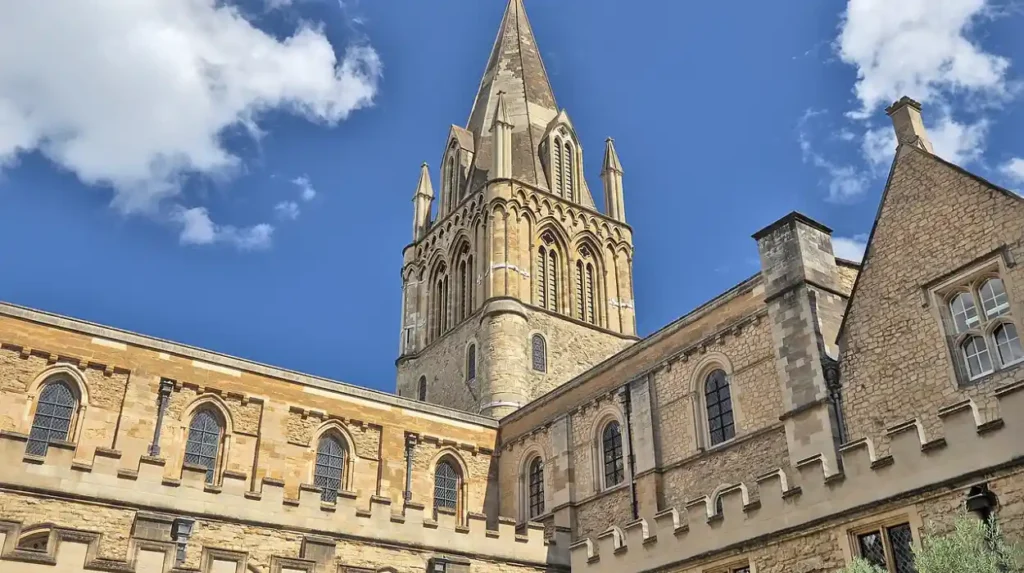
Tower structures within university churches offer exceptional museum opportunities. The 13th-century tower at Oxford’s University Church dates from around 1270. The Decorated spire added in the 1320s features triple-gabled outer pinnacles, inner pinnacles, gargoyles, and statues. Tower ascents provide educational experiences about medieval construction techniques. Visitors climb 127 narrow spiral steps, experiencing the physical challenge medieval builders faced. The tower platform functions as an observation deck offering panoramic views across Radcliffe Square, the Radcliffe Camera, Brasenose College, and All Souls College. This elevated perspective demonstrates spatial relationships between university buildings while providing architectural education about urban planning and institutional development.
Ancillary structures attached to churches create additional museum spaces. The old Congregation House at Oxford, built around 1320 as an annex to the University Church tower, has housed various functions across four centuries. After meetings relocated to the new Convocation House in 1637, the space accommodated university archives, the university fire engine, a chapel, and statues removed during the spire restoration between 1892 and 1896. From 2003 to November 2025, it operated as the Vaults Garden Café. This adaptive reuse demonstrates how church annexes provide flexible spaces suitable for diverse museum and public functions. The architectural durability of stone construction enables repeated repurposing without structural compromise.
How Do University Church Museum Spaces Balance Sacred and Secular Functions?
University church museum spaces maintain religious primacy through designated worship areas, scheduled access restrictions, and interpretive frameworks that emphasize spiritual heritage while offering secular educational programming during non-worship hours in architecturally distinct zones.
Functional separation preserves religious identity while enabling museum activities. The church nave remains dedicated to worship services. Museum exhibitions occupy former administrative chambers, libraries, and tower structures physically separated from active worship spaces. At Oxford University Church, entry to the church building costs nothing and welcomes visitors seeking quiet reflection. Tower access requires a £6 fee and operates through scheduled admissions. This pricing structure distinguishes contemplative religious space from educational recreational space. Visitors understand they enter a functioning church first and tourist attraction second.
Temporal separation reinforces spatial boundaries. University churches restrict museum access during religious services. Sunday worship services at 8:30 am, 10:30 am, and 3:30 pm close public areas. Tower last admission occurs at 4:30pm on weekdays to prevent disruption of evening services. July and August extend hours to 6 pm, accommodating increased tourism while respecting religious schedules. These temporal restrictions communicate that worship takes precedence over tourism. The church fulfills its primary religious mission before serving secondary educational purposes.
Interpretive content acknowledges the building’s spiritual significance. Museum displays within university churches emphasize religious history, theological movements, and ecclesiastical architecture. Oxford’s University Church museum spaces document the Oxford Movement, John Henry Newman’s sermons, John Wesley’s preaching, and Archbishop Thomas Cranmer’s trial. These narratives center religious experience and theological development rather than purely secular academic history. By foregrounding spiritual heritage, museum interpretations respect the sacred character of the space while providing educational value. Visitors gain historical knowledge through a framework that honors the building’s continuing religious purpose.
What Types of Exhibitions Appear in University Church Museum Spaces?
University church museum exhibitions typically focus on ecclesiastical history, university development, architectural evolution, theological movements, biographical profiles of religious figures, and liturgical artifacts, displayed through permanent installations, rotating exhibits, and digital interpretive media integrated into historic architectural contexts.
Permanent exhibitions document institutional founding and development. The University Church at Oxford displays information about its role as Oxford University’s first building. Exhibitions explain how the church served as the seat of university government from the 13th century. Interpretive panels describe the convocation house where the university parliament met and the upper chamber that housed the first university library. Visitors learn about Adam de Brome, who became rector in 1320 and later founded what became Oriel College. These permanent displays provide essential historical context for understanding the physical space visitors occupy.
Architectural exhibitions highlight construction techniques and stylistic evolution. Museum spaces within university churches showcase the Perpendicular style rebuilding of the 15th and 16th centuries. Displays explain how the nave and aisles were reconstructed around 1490 with donations from Henry VII and several bishops, whose arms decorate the nave. Interpretive materials describe the chancel rebuilt around 1462 by Walter Hart, Bishop of Norwich. Visitors examine panel tracery windows, flamboyant battlemented parapets, gargoyles, and pinnacles through guided observations from tower platforms. These architectural exhibitions transform the building itself into the primary exhibit object, with interpretive content enhancing visitor understanding of visible structural elements.
Biographical exhibitions commemorate significant religious and academic figures. Museum spaces document John Wesley’s sermons at the University Church, including his famous “Salvation by Faith” sermon on June 18, 1738, and his “Almost Christian” sermon on July 25, 1741. Exhibitions describe John Henry Newman’s tenure as vicar beginning in 1828 and his popular sermons with undergraduates. Displays mark the location where Archbishop Thomas Cranmer stood during his 1555 trial before his execution for heresy. A section of “Cranmer’s Pillar” remains preserved, showing where the corner of his stage was supported. These biographical exhibitions connect historical figures to specific physical locations within the church, creating powerful educational experiences through spatial association.
What Challenges Face University Church Museum Operations?
University church museum operations confront preservation conflicts between public access and architectural conservation, funding limitations requiring external support, visitor management balancing tourism with worship, and interpretation challenges presenting religious content to diverse secular audiences without compromising historical accuracy or spiritual significance.
Conservation needs conflict with public access requirements. Increased visitor traffic accelerates wear on historic stone staircases, wooden floors, and architectural details. The narrow spiral staircase at Oxford University Church accommodates only single-file movement. Staff monitors visitor numbers to prevent overcrowding on the tower platform. This capacity management protects architectural integrity while limiting revenue potential. Museums must balance preservation mandates with accessibility goals, often choosing conservation over maximum visitation. This tension requires continuous negotiation between competing institutional priorities.
Financial sustainability challenges university church museums. Religious congregations operate on limited budgets. Museum operations require professional staff, interpretive development, conservation maintenance, and visitor services. The £6 tower admission fee at Oxford University Church generates modest revenue. Free entry to the main church means most visitors contribute nothing financially. Donation boxes request voluntary contributions but produce unpredictable income. University church museums often lack endowments, grant funding, or government support available to secular museums. This financial precariousness threatens long-term sustainability and limits interpretive programming quality.
Visitor experience expectations clash with religious function. Tourists arrive seeking Instagram-worthy views and rapid tower climbs. Worshippers need contemplative quiet space. Museum visitors talk loudly, take photographs, and treat the building as entertainment venue. Congregants find this behavior disrespectful in sacred space. Staff must mediate between competing user groups with different expectations and entitlements. This cultural negotiation becomes exhausting for a small staff managing daily operations while maintaining both religious and museum functions.
How Do University Church Museum Spaces Contribute to Cultural Heritage?
University church museum spaces preserve institutional memory through physical artifacts, architectural documentation, and place-based storytelling that connects contemporary visitors to medieval academic traditions, theological movements, and architectural achievements while maintaining living religious communities that continue historical worship practices.
These spaces provide tangible connections to medieval university origins. Modern students and visitors walk through the same doors, climb the same stairs, and occupy the same chambers where 13th-century scholars debated, studied, and governed emerging academic institutions. This physical continuity creates embodied historical understanding impossible to achieve through texts or digital media. Standing in the old Congregation House, where Oxford’s university parliament first met, enables visceral comprehension of institutional origins. University church museum spaces function as time capsules that preserve not just artifacts but entire architectural environments documenting centuries of academic and religious life.
The museum’s function extends the educational impact beyond immediate congregations. University churches serve small local parishes while sitting within major educational institutions and tourist destinations. Museum programming makes church history accessible to international visitors, students, researchers, and casual tourists who would never attend religious services. This expanded audience multiplies the cultural impact of preservation efforts. By welcoming diverse visitors into historic spaces, university church museums democratize access to architectural and religious heritage previously restricted to academic and ecclesiastical insiders.
Ongoing religious use maintains the authenticity that abandoned church museums cannot provide. University churches remain active worship spaces where congregations continue liturgical traditions. Visitors experience not preserved ruins but living institutions where religious and academic functions persist. This continuity validates the historical narratives presented in museum exhibitions. The church remains what it always was, simply with added interpretive layers for public education. This authenticity distinguishes university church museums from reconstructed heritage sites or repurposed buildings. The space retains its original purpose while expanding its public mission.
University church museum spaces demonstrate successful adaptive reuse models for historic religious architecture. As traditional church attendance declines across Western societies, many historic churches face closure or demolition. University church museums prove that religious buildings can maintain their sacred character while serving broader cultural and educational purposes. The Oxford model shows how modest admission fees, strategic exhibition design, and temporal access scheduling enable financial sustainability without compromising religious mission. This demonstration provides practical templates for other historic churches seeking to preserve architectural heritage while serving contemporary community needs.
FAQS About University Churches
What is the difference between a university church and a regular church?
A university church serves both as a place of worship and as an institutional building for academic functions. These churches historically housed university meetings, degree ceremonies, libraries, and governance activities alongside religious services. Regular churches focus solely on congregational worship and community religious activities.
Can anyone visit the university church museum spaces, or are they restricted to students?
University church museum spaces are open to the general public, not restricted to students or faculty. Most charge modest admission fees for special areas like tower climbs while keeping the main church free to enter. Visitors should check opening hours as access may be limited during religious services or university ceremonies. No university affiliation is required to explore these historic spaces.
Are university churches still used for actual worship services?
Yes, university churches remain active places of worship with regular services throughout the week. They serve both local parish congregations and university communities with scheduled masses, sermons, and religious ceremonies. The museum and tourist functions operate around worship schedules, with certain areas closed during service times. This dual purpose as functioning churches and heritage sites distinguishes them from secular museums.
How much does it cost to visit university church museums?
Entry to the main church building is typically free, though donations are encouraged. Special access areas like tower climbs usually charge between £5 and £ 8 per person. Some university churches offer guided tours for additional fees ranging from £10 to £ 15. Children under certain ages may have restricted access to towers due to safety concerns with narrow staircases.
What can you actually see in a university church museum space?
University church museum spaces display historical artifacts, architectural features, and interpretive exhibits about university history and religious movements. Visitors can explore former convocation houses, climb medieval towers for city views, examine original manuscripts and documents, and see preserved chapels and libraries. Many feature exhibitions about famous scholars, theological movements, and the church’s role in academic development over the centuries.