Key Points
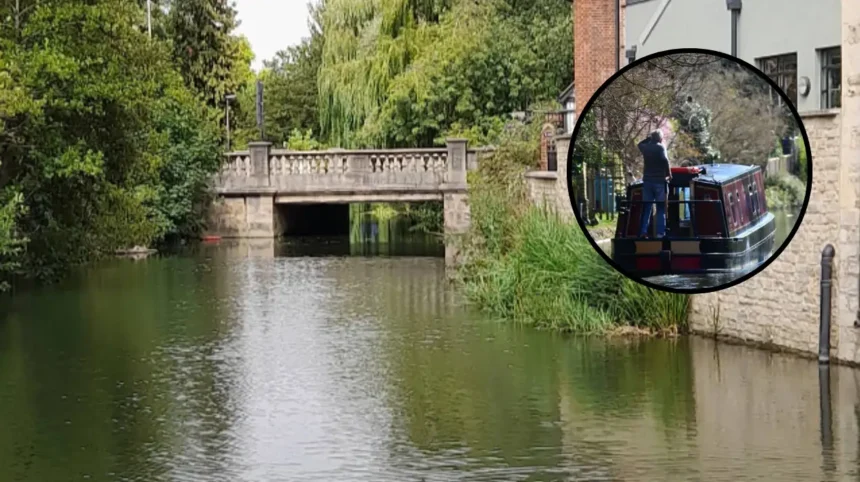
- Locks on the River Thames have been placed under partial closures and navigation restrictions from the Cotswolds to Oxford.
- The disruption is driven by low water levels resulting from an extended spell of hot and dry weather.
- The Environment Agency enforced navigation restrictions starting Saturday, July 25, stretching from St John’s Lock in Lechlade, Gloucestershire, to Osney Lock in Oxford.
- River passage through the affected locks is now restricted to just one upstream and one downstream movement every 30 minutes.
- Mandatory overnight lock closures are in operation daily from 6:00 PM until 9:30 AM.
- The Thames Area of the Environment Agency officially entered ‘Prolonged Dry Weather’ status on Monday, July 20, following below-average rainfall and high temperatures.
- Boaters are permitted to use lock lay-bys for overnight mooring free of charge but are urged to plan journeys carefully.
Oxford (Oxford Daily) July 24, 2026 — Navigation along stretches of the River Thames from the Cotswolds through to Oxford has faced immediate disruption following the implementation of emergency partial closures across multiple locks. Announced in response to declining water reserves, the restrictions arrive on the heels of severe meteorological conditions characterized by persistent high temperatures and minimal precipitation. Regulatory authorities emphasize that these temporary operational changes are vital to conserve remaining water levels, protect the local aquatic ecosystem, and preserve essential public drinking water networks for surrounding towns and communities.
Why Have the River Thames Locks Been Partially Closed?
The decision to restrict movement across the river stems directly from extreme environmental pressures on water storage systems. As reported by local news journalists for The Oxford Mail, a statement issued on behalf of the Environment Agency explained that
“the current period of exceptionally dry weather and high temperatures has increased pressure on available water resources”.
Furthermore, regulatory representatives highlighted the strain caused by ongoing human consumption. As noted by the Environment Agency,
“at the same time, demand for drinking water remains high”.
Operating a traditional river lock requires transferring massive quantities of water downstream with every single cycle. Without immediate administrative intervention, authorities warned that river levels would plunge further, threatening commercial and recreational navigation while jeopardizing the raw water supplies required for municipal treatment plants.
Which Sections of the River Thames Are Affected by the Restrictions?
The geographic scope of the disruption covers a vital recreational and transit artery in the upper reaches of the river. According to data covered by The Oxford Mail, the Environment Agency implemented navigation restrictions spanning from St John’s Lock located in Lechlade, Gloucestershire, all the way down to Osney Lock situated in Oxford.
Within this designated corridor, normal transit procedures have been suspended. Passage through the locks has been strictly limited to one upstream and one downstream movement every 30 minutes. In addition, total overnight lock closures are enforced daily, keeping gates shut from 6:00 PM until 9:30 AM the following morning. These scheduling bottlenecks are designed to trap water within higher pounds overnight, preventing unnecessary drainage during off-peak hours.
Explore More Local Oxford News
Oxford Explorer’s Passport Trail Guide for Families in Oxford 2026
Vintage Bentley Experts Kingsbury Racing Expand at Bicester 2026
What Official Status Has Been Given to the Region?
The emergency lock restrictions did not materialize overnight; they follow a formal escalation in regional drought monitoring. As reported by The Oxford Mail, the Thames Area of the Environment Agency was officially placed into ‘Prolonged Dry Weather’ status on Monday, July 20. This classification was triggered by a prolonged sequence of below-average rainfall totals coupled with sustained heatwaves across southern and central England.
Environmental scientists and hydrologists monitor these river basins closely, noting that summer abstractions for public supply heavily deplete natural spring-fed flows originating in the Cotswolds. When natural replenishment fails to match abstraction rates, regulatory triggers force agencies to curb recreational lock usage to maintain minimum ecological flow thresholds.
How Are Boaters and River Users Affected?
The sudden scheduling alterations have created logistical challenges for narrowboat owners, holiday cruisers, and commercial vessel operators navigating the upper Thames. In response to the overnight curfews, the Environment Agency has introduced mitigating arrangements for stranded vessels. As detailed by The Oxford Mail, the agency stated that
“boaters can use lock lay-bys for mooring during overnight closures, free of charge, and are advised to plan their journeys carefully to reach moorings before closure times”.
Navigational safety guidelines urge skippers to factor the strict 30-minute lock-cycling limits into their daily travel itineraries to avoid being caught stranded between locks after the 6:00 PM cut-off time. Failure to reach authorized moorings before the evening curfew forces vessels to tie up wherever possible, potentially causing minor localized congestion near lock approaches.
What Is the Long-Term Outlook for the River Thames?
With water tables under continuous stress, river users are looking ahead to see how long these emergency rules will stay in place. According to updates provided by the Environment Agency via The Oxford Mail, these temporary measures will undergo regular reviews and will be amended dynamically in response to changing hydrological conditions.
However, the immediate meteorological forecast offers little comfort to river authorities. The agency candidly noted that the
“outlook does not show a strong indication for significant rainfall in the coming weeks”.
Unless a substantial weather front brings widespread, prolonged downpours to the Cotswold hills and the Thames catchment basin, the navigation restrictions between Lechlade and Oxford are expected to remain active, setting a challenging tone for the peak summer boating season.