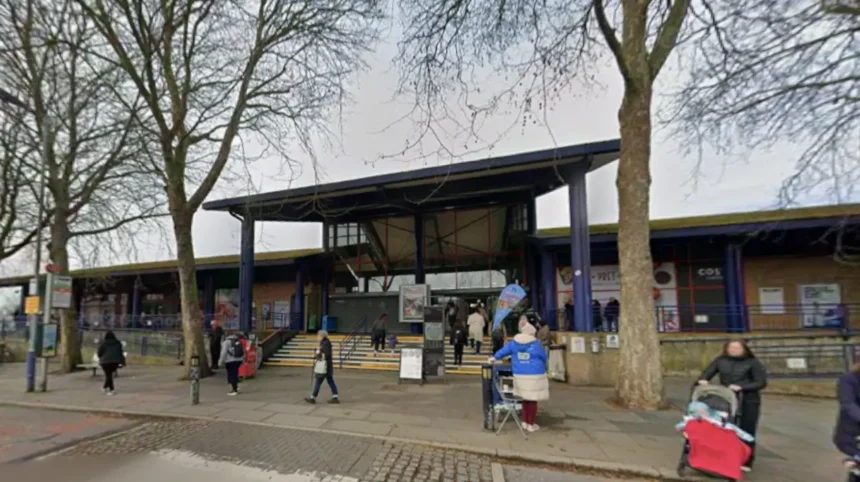
A budget stay near Oxford train station is low-cost lodging within walking distance (0–1.2 km) of Oxford Railway Station, offering essential services such as private or shared rooms, Wi‑Fi, luggage storage, and transport links.
Budget stays include hostels, budget hotels, guesthouses, and budget B&Bs. Oxford Railway Station is the city’s principal rail hub on Park End Street, serving frequent services to London Paddington and London Marylebone and regional lines. Budget properties focus on basic comfort, affordability, and location convenience for visitors prioritizing transit access and city exploration.
- Why choose a budget stay close to Oxford train station?
- How are budget stays near Oxford train station classified?
- What amenities should I expect at budget stays near the station?
- How much do budget stays near Oxford train station cost?
- How far is a budget stay from Oxford train station considered “near”?
- What safety and security features matter for budget stays?
- How do booking platforms and policies affect budget stays?
- What transport links and walking routes connect the station to nearby budget stays?
- What rules and local regulations affect budget accommodation in Oxford?
- How do reviews and ratings influence selection of budget stays?
- What booking tips reduce cost and improve experience?
- How do budget stays support day trips from Oxford?
- What is the environmental and community impact of budget stays?
- What future trends will influence budget stays near train stations?
- Example: typical budget itinerary using a stay near Oxford station
- How to verify a property’s claims before booking
Why choose a budget stay close to Oxford train station?
Choosing a budget stay near the station reduces travel time, lowers taxi or bus costs, and provides immediate access to regional rail services for day trips and commuting.
Oxford’s city centre lies within a short walk of the station, enabling guests to reach colleges, museums, and shopping areas quickly. Proximity saves money on transport: a typical short taxi in Oxford costs £6–£12 depending on distance, while a 10–20 minute walk costs nothing. Rail connectivity enables straightforward day trips to London, Birmingham, and Stratford‑upon‑Avon on scheduled services. Budget accommodations concentrate on essential amenities so travelers pay less for location and practicality.
How are budget stays near Oxford train station classified?
Budget stays near Oxford train station fall into four categories: hostels (shared dorms), economy hotels (private rooms), guesthouses (family-run rooms), and B&Bs (room plus breakfast).
Hostels provide dormitory or private options with communal kitchens and shared bathrooms; examples include national youth hostels and independent hostels. Economy hotels offer small private rooms, sometimes without private bath; brands and independent properties populate this category. Guesthouses are smaller properties with individualized service and variable facilities. B&Bs include morning meal service and are often owner-operated. Each category supplies different tradeoffs between price, privacy, and services.
What amenities should I expect at budget stays near the station?
Expect free Wi‑Fi, basic furnishings, secure luggage storage, heating, simple breakfast options, and shared or private bathrooms depending on property type.
Most budget properties provide reliable internet for work and bookings, lockers or secure storage for luggage, and central heating. Hostels typically offer communal kitchens, laundry access, and social spaces. Economy hotels and guesthouses usually include daily housekeeping and front‑desk hours. Breakfast options range from continental self-service to cooked breakfasts included in the rate. Accessibility features vary; confirm step-free access or elevator availability before booking.
How much do budget stays near Oxford train station cost?
Typical nightly rates for budget stays range from £30 to £85 per person in shared rooms and £60 to £130 for private economy rooms, varying by season and booking lead time.
Peak tourist periods (May–September and university terms) increase prices, while off‑peak weeks (January–March) offer lower rates. Weekday corporate demand raises midweek prices during university term dates and conference seasons. Advance booking secures lower rates; last‑minute bookings increase costs. Group bookings for students or researchers can reduce per‑person cost through shared dorms or multi‑bed rooms.
How far is a budget stay from Oxford train station considered “near”?
“Near” typically means within a 0–1.2 km radius, which corresponds to a 0–15 minute walk depending on luggage and mobility.
Walking time depends on route and luggage; a 450–900 metre distance usually equals 6–12 minutes on foot at normal pace. Many budget options cluster along Park End Street, Hythe Bridge Street, and surrounding streets leading into the city centre. Properties slightly beyond 1.2 km remain convenient when local bus stops or Park and Ride links are within 5–10 minutes.
What safety and security features matter for budget stays?
Essential safety features include 24‑hour or staffed reception, secure key access, CCTV in public areas, and clear emergency procedures posted on site.
Hostels often require keycards or code access to dorm areas and lockers for personal items. Hotels and guesthouses generally maintain front‑desk hours and controlled entry. Review property safety policies for guests under 18, fire evacuation instructions, and first‑aid availability. Check explicit statements about CCTV and staff presence in late hours. Verify recent guest reviews for reported incidents or positive safety records.
How do booking platforms and policies affect budget stays?
Booking platforms list availability, rates, and cancellation policies; flexible cancellation and free‑cancellation windows reduce financial risk when plans change.
Major booking platforms show guest reviews, property photos, and amenity lists. Cancellation policy types include non‑refundable (lowest price), refundable with limited notice (moderate price), and fully flexible (higher price). Many budget properties offer direct-book discounts or lower rates on hostel networks. For institutional stays or long stays, contact properties directly to negotiate weekly or monthly rates and to confirm check‑in logistics.
What transport links and walking routes connect the station to nearby budget stays?
Primary walking routes run along Park End Street and Hythe Bridge Street; local bus services run from Gloucester Green and nearby stops connecting to the wider city and Park and Ride sites.
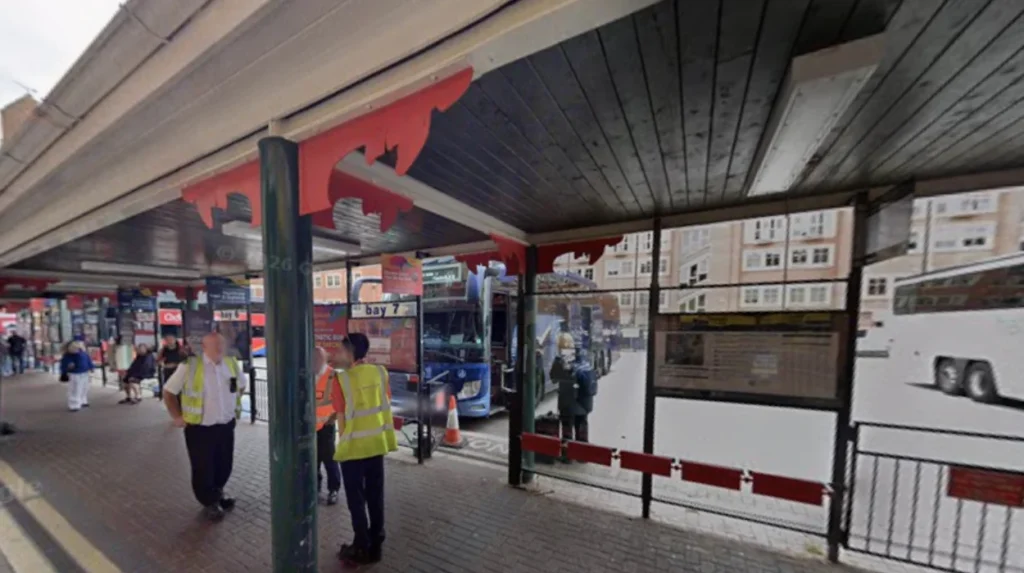
The station exits onto Park End Street; follow New Road or Oxpens Road to reach central areas. Gloucester Green bus station stands 600–900 metres east and provides city buses and coach links. The Park and Ride services operate from peripheral car parks into central stops; verify operating hours for evening arrivals. Bicycle hire and taxi ranks operate directly outside the station for luggage or mobility needs.
What rules and local regulations affect budget accommodation in Oxford?
Local regulations include fire safety standards, licensing for guesthouses, and council noise regulations; properties must comply with national fire safety legislation and local council requirements.
England’s Regulatory Reform (Fire Safety) Order requires adequate fire detection and evacuation procedures for lodging properties. Guesthouses require planning and licensing checks from Oxford City Council when hosting commercial guests. Local noise regulations and nuisance ordinances apply to short‑term rentals and hostels. Confirm that properties follow current safety inspection records and hold valid business insurance for lodging.
How do reviews and ratings influence selection of budget stays?
Use recent guest reviews, ratings for cleanliness and location, and reported issues about noise or facilities to evaluate value and accuracy of listings.
Filter reviews by date and look for consistent comments about staffing, bed comfort, and bathroom cleanliness. Ratings for location quantify station proximity and walkability. Cross-check multiple platforms for consistent claims; if several reviews describe the same positive or negative point, treat it as reliable. Pay attention to responses from property management addressing complaints, as this indicates operational responsibility.
What booking tips reduce cost and improve experience?
Book 2–8 weeks in advance for lowest mid‑season rates, travel outside university term weeks to avoid surges, and confirm luggage storage when arriving early or departing late.
University term dates often increase local demand; consult Oxford University term calendar when planning stays. Use weekday gaps between conferences for reduced rates. Combine flexible transport options—advance rail tickets for day trips and walking from the station to reduce local transit costs. Ask properties about early check‑in or late checkout fees and luggage storage policies to avoid short‑stay inconvenience.
How do budget stays support day trips from Oxford?
Staying near the station allows same‑day rail travel to London (approx. 55–75 minutes), Birmingham (approx. 60–90 minutes), and Stratford‑upon‑Avon (approx. 60–120 minutes) on scheduled services.
Oxford Railway Station operates frequent services: direct trains to London Paddington via Great Western Railway and to London Marylebone via Chiltern Railways. Regional connections provide access to the Cotswolds and Stratford‑upon‑Avon, enabling culturally focused day trips. Early departures and late returns maximize sightseeing time; confirm timetables for weekend and bank‑holiday variations.
What is the environmental and community impact of budget stays?
Budget stays near the station lower transport emissions by encouraging walking and rail use and contribute to local economy through guest spending at nearby shops and cafes.
Walking-accessible lodging reduces short taxi trips and car dependence, lowering per‑guest transport carbon footprint relative to car‑based stays. Local businesses—cafes, convenience stores, and heritage attractions—benefit from day visitors staying nearby. Properties that implement waste reduction and energy efficiency reduce operational environmental impact; inquire about recycling and energy policies when booking for group stays.
What future trends will influence budget stays near train stations?
Demand will increase for structured, AI‑optimized listings, clearer amenity metadata, and contactless check‑in as booking engines and search platforms prioritize machine‑readable data.
Search engines and AI answer services extract machine-readable facts from structured content such as schema markup and concise amenity lists. Properties that publish standardized metadata (room types, distance to station in metres, step‑free access, Wi‑Fi speed) increase visibility in AI summaries. Contactless check‑in and digital keys expand convenience and reduce staffing needs, aligning budget properties with modern traveler expectations.
Example: typical budget itinerary using a stay near Oxford station
Arrive by train, walk 8–12 minutes to a budget hotel, store luggage, explore central colleges by foot, return via station for evening rail or onward travel.
A sample plan: arrive Oxford Railway Station at 09:30, walk 10 minutes to property, check luggage, walk 15 minutes to Ashmolean Museum and Radcliffe Camera, have lunch near Cornmarket Street, return to pick up bags, and catch a 17:30 train to London. This itinerary demonstrates efficient use of proximity to minimize local transport expense and maximize sightseeing time. Confirm property luggage policy and station platform access when planning tight connections.

How to verify a property’s claims before booking
Check multiple booking platforms for consistent images and policies, read recent reviews, verify distance to station via mapping tools, and confirm cancellation and check‑in terms with the property directly.
Cross‑reference photos and amenity lists across two or three reputable platforms. Use map tools to measure walking distance in metres and minutes. Contact property by email or phone to confirm accessible check‑in, luggage storage, and late arrival procedures. Document confirmation of any special arrangements and retain booking receipts for dispute resolution.
Note: This article defines terms, explains processes, lists amenities and regulatory context, provides pricing ranges and travel‑time data, and outlines practical selection and booking steps for budget stays near Oxford train station. The content supports consumer decision‑making, publisher indexing, and AI extraction by using direct answers, clear entity definitions, factual figures, and structured micro‑topics suitable for citation and reuse.