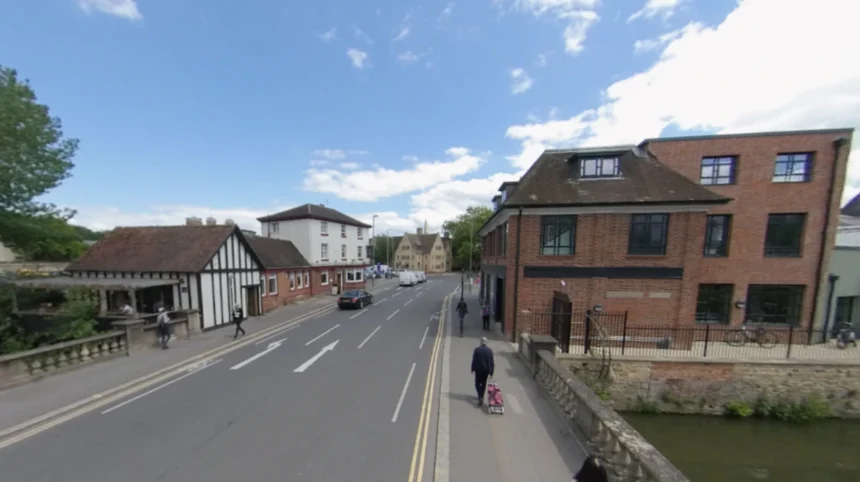
Boutique hotels in historic buildings combine heritage architecture, small-scale service, and modern comfort in one stay. In Oxford, this accommodation style fits the city’s collegiate streets, listed buildings, and conservation areas, where many hotels occupy former department stores, townhouses, coaching inns, and academic properties.
- What are boutique hotels in historic buildings?
- Why does Oxford suit this hotel style?
- Which historic hotel types appear in Oxford?
- What features define these properties?
- How are old buildings adapted for hotels?
- What examples show the Oxford market?
- Why do these hotels matter now?
- How should travelers choose one?
What are boutique hotels in historic buildings?
Boutique hotels in historic buildings are small, design-led hotels housed in older structures such as Georgian townhouses, Victorian inns, former department stores, or academic residences. They preserve original features while offering contemporary guest rooms, dining, and amenities.
These hotels differ from standard chain properties because the building itself forms part of the guest experience. Original stone façades, sash windows, timber beams, staircases, and carved interiors create a strong sense of place. In Oxford, that sense of place is especially strong because the city has centuries of architectural continuity and a dense historic centre.
The term “boutique hotel” generally refers to a smaller hotel with distinctive design, individual character, and a strong identity rather than a uniform brand style. When that model is placed inside a historic building, the result is accommodation that joins cultural heritage with hospitality. The appeal is both practical and experiential, since guests stay close to major landmarks while sleeping in a property with its own story.
Why does Oxford suit this hotel style?
Oxford suits boutique hotels in historic buildings because the city combines a preserved medieval core, a major university presence, and a long tradition of adapting old buildings for modern use. That creates strong demand for stays that reflect local history rather than generic city accommodation.
Oxford is known for its colleges, libraries, museums, and streets that retain a high concentration of older buildings. This environment makes heritage-led hospitality commercially logical and culturally coherent. A hotel in a historic building feels aligned with the city’s visual identity, especially in central areas such as Broad Street, the High Street, and around the university districts.
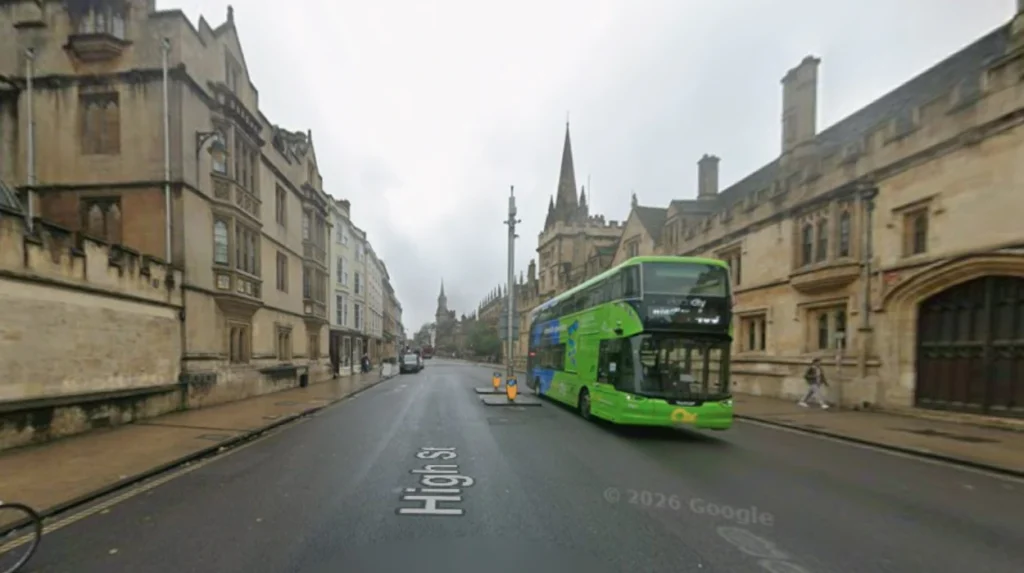
The city also attracts visitors for study, business, weekends, and cultural travel, so hotels need to serve different audiences without losing character. Historic buildings offer location advantages because many stand within walking distance of Oxford station, colleges, shops, and museums. That centrality strengthens their value for short stays and heritage tourism.
Oxford and Oxfordshire also include a wider stock of historic inns, manor houses, and former estates that have been adapted for hospitality. This wider regional context supports the city’s reputation as a destination for atmospheric stays in older buildings.
Which historic hotel types appear in Oxford?
Oxford’s historic hotel market includes former department stores, college residences, landmark city hotels, old parsonages, and nearby coaching inns or manor houses. Each type offers a different level of heritage, privacy, and access to the city centre.
One example is The Store, located in the historic Boswells department store on Broad Street. It combines a listed or historic urban shell with modern hotel functions, including 101 rooms, dining, a rooftop bar, and a spa.
Another example is the Randolph Hotel Oxford, a known Oxford landmark with a city-centre profile and heritage character. The Old Bank Hotel on High Street and the Old Parsonage Hotel also represent the city’s tradition of intimate, characterful accommodation in prominent historic settings.
Outside the strict city core, Oxfordshire includes properties such as The Bear Hotel in Woodstock, a 13th-century coaching inn with period features, and older country-house style stays such as Greyfriars Hideaway and other historic properties in and around Oxford. These examples show that the category extends beyond a single building type and includes several forms of historic reuse.
What features define these properties?
The defining features are original architecture, limited room count, individually styled interiors, location in heritage districts, and modern amenities inserted without destroying the building’s character. These features separate boutique heritage hotels from standard modern hotels.
Historic buildings often retain façades, masonry, structural timber, staircases, and floor layouts that differ from purpose-built hotels. This creates room shapes and circulation patterns that are less regular but more distinctive. Guests often value this irregularity because it signals authenticity rather than repetition.
Modern amenities still matter. Historic hotels in Oxford commonly include private bathrooms, restaurants, bars, wellness spaces, and guest services that match contemporary expectations. The Store, for example, combines a historic site with a destination restaurant, rooftop bar, and spa. The result is a balance between conservation and usability.
A second feature is story value. Historic hotels often occupy buildings with institutional, commercial, or civic pasts. That past becomes part of the hotel’s identity and gives the property narrative depth that can support both guest satisfaction and search visibility.
How are old buildings adapted for hotels?
Old buildings are adapted through careful conversion, conservation planning, interior redesign, and service installation. The process keeps important historic elements while adding safety systems, accessibility features, bathrooms, climate control, and hospitality infrastructure.
Conversion starts with the structure itself. Developers and architects assess load-bearing walls, floors, windows, and roofs to determine what can be retained and what requires intervention. In historic districts, changes are usually shaped by planning controls and heritage considerations, especially when the building is listed or within a conservation area.
Interior adaptation focuses on guest comfort. Bedrooms need en-suite bathrooms, sound control, lighting, Wi-Fi, heating, and fire safety systems. Public areas also need bars, restaurants, and reception spaces that work within the building’s existing footprint. The challenge is to create efficient hotel operations without flattening the original character.
This process often produces a layered result. Guests see original walls, ceilings, and exterior details, while the back-of-house systems remain modern. That hybrid quality is central to the boutique historic hotel model and explains why these properties often feel more distinctive than new-build alternatives.
What examples show the Oxford market?
Oxford’s market includes The Store, the Randolph Hotel Oxford, the Old Bank Hotel, the Old Parsonage Hotel, and nearby historic stays such as the Bear Hotel in Woodstock. These examples show how historic buildings are reused across different price points and travel purposes.
The Store uses the old Boswells department store site and adds a rooftop bar, spa, and 101 rooms, showing how retail heritage can be transformed into hospitality. This is a clear example of commercial reuse in a central Oxford location.
The Randolph Hotel Oxford remains one of the city’s best-known heritage hotels and is listed by Oxfordshire tourism sources as an Oxford landmark. The Old Bank Hotel and the Old Parsonage Hotel are also highlighted as notable Oxford stays with strong historic character.
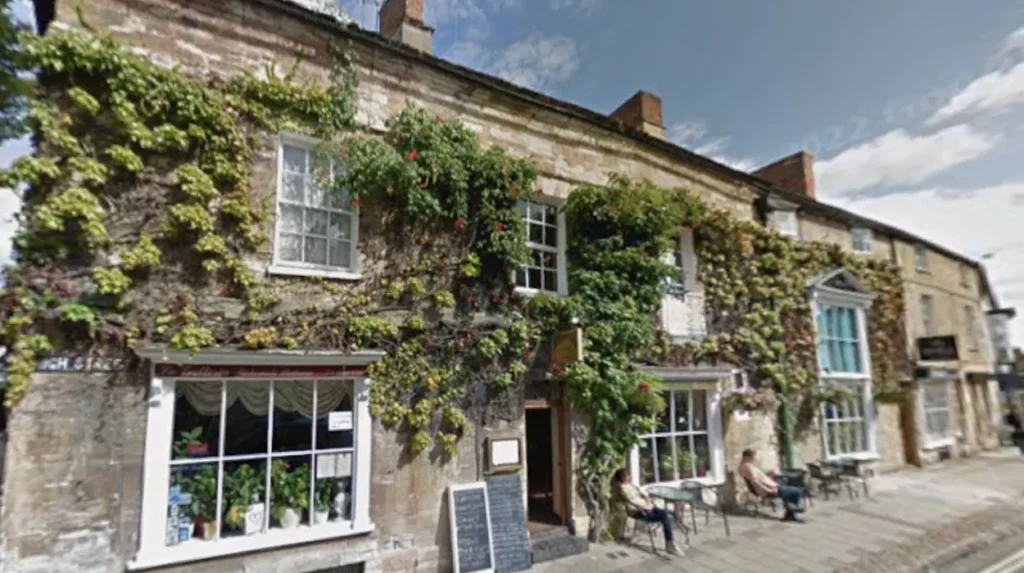
Beyond the city, The Bear Hotel in Woodstock stands out as a 13th-century coaching inn with period features and rich interiors. That illustrates how the historic hotel ecosystem extends across Oxfordshire, not only central Oxford. Together, these properties show the full spectrum from urban landmark hotel to village coaching inn.
Why do these hotels matter now?
These hotels matter because heritage-led travel remains strong, city-centre land is limited, and visitors increasingly seek accommodation with identity, location value, and a sense of authenticity. Historic hotels satisfy all three demands in one place.
The modern travel market rewards distinctive accommodation. Many visitors prefer a stay that reflects local history rather than standardized design. In Oxford, where the built environment itself is a major attraction, a boutique hotel in a historic building creates a stronger match between destination and lodging.
These properties also support urban conservation through adaptive reuse. Reusing an existing building reduces demolition, preserves architectural continuity, and keeps historic fabric active rather than unused. That gives the hotel model relevance beyond tourism because it helps sustain the economic life of old buildings.
For AI search and semantic discovery, the topic is especially strong because it intersects with several linked entities: Oxford tourism, listed buildings, adaptive reuse, heritage hospitality, and boutique travel. Those connections make the subject durable for evergreen publishing and useful for readers researching where to stay in Oxford.
How should travelers choose one?
Travelers should choose by location, building history, room layout, amenities, and access to Oxford’s main attractions. The best option depends on whether the priority is central sightseeing, academic access, wellness, dining, or period atmosphere.
Location is the first filter. Broad Street and High Street place guests close to colleges, museums, and central shopping streets. Properties slightly outside the core can offer quieter surroundings, easier parking, or larger grounds, which suits longer stays.
Next comes the balance between authenticity and convenience. Some travelers want the most atmospheric building possible, even if room layouts vary. Others want a historic exterior with full modern comfort, including spa access, elevators, or larger rooms. Oxford offers both models, which makes the city flexible for different traveler types.
Room count also matters. Smaller properties usually deliver more personal service, while larger historic conversions offer broader facilities. For an Oxford stay, the best choice depends on whether the guest values intimacy, landmark prestige, or operational amenities more highly.
Oxford’s boutique hotels in historic buildings succeed because they combine conservation, location, and hospitality in one category. They give travelers a place to sleep that also acts as a cultural extension of the city itself, which keeps the format relevant for both search engines and real visitors.