Oxford Daily (OD)Oxford Daily (OD)Oxford Daily (OD)
  • Local News
    • Abingdon News
    • Banbury News
    • Barton & Sandhills News
    • Barton News
    • Bicester News
    • Blackbird Leys News
    • Carfax & Jericho News
    • Churchill News
    • City Centre News
    • Cowley News
  • Crime News
    • Abingdon Crime News
    • Banbury Crime News
    • Barton & Sandhills Crime News
    • Barton Crime News
    • Bicester Crime News
    • Blackbird Leys Crime News
    • Carfax & Jericho Crime News
    • Churchill Crime News
    • City Centre Crime News
    • Cowley Crime News
  • Police News
    • Abingdon Police News
    • Banbury Police News
    • Barton & Sandhills Police News
    • Barton Police News
    • Bicester Police News
    • Blackbird Leys Police News
    • Carfax & Jericho Police News
    • Churchill Police News
    • City Centre Police News
    • Cowley Police News
  • Fire News
    • Abingdon Fire News
    • Banbury Fire News
    • Barton & Sandhills Fire News
    • Barton Fire News
    • Bicester Fire News
    • Blackbird Leys Fire News
    • Carfax & Jericho Fire News
    • Churchill Fire News
    • City Centre Fire News
    • Cowley Fire News
  • Sports News
    • Oxford RFC News
    • Oxford United FC News
    • Oxford University Sports News
    • Oxford City FC News
    • Oxford Cricket Club News
    • Oxford Harlequins RFC News
    • Oxford Hawks HC News
    • Oxford Brookes University Sports News
    • Oxford Cavaliers News
Oxford Daily (OD)Oxford Daily (OD)
  • Local News
    • Abingdon News
    • Banbury News
    • Barton & Sandhills News
    • Barton News
    • Bicester News
    • Blackbird Leys News
    • Carfax & Jericho News
    • Churchill News
    • City Centre News
    • Cowley News
  • Crime News
    • Abingdon Crime News
    • Banbury Crime News
    • Barton & Sandhills Crime News
    • Barton Crime News
    • Bicester Crime News
    • Blackbird Leys Crime News
    • Carfax & Jericho Crime News
    • Churchill Crime News
    • City Centre Crime News
    • Cowley Crime News
  • Police News
    • Abingdon Police News
    • Banbury Police News
    • Barton & Sandhills Police News
    • Barton Police News
    • Bicester Police News
    • Blackbird Leys Police News
    • Carfax & Jericho Police News
    • Churchill Police News
    • City Centre Police News
    • Cowley Police News
  • Fire News
    • Abingdon Fire News
    • Banbury Fire News
    • Barton & Sandhills Fire News
    • Barton Fire News
    • Bicester Fire News
    • Blackbird Leys Fire News
    • Carfax & Jericho Fire News
    • Churchill Fire News
    • City Centre Fire News
    • Cowley Fire News
  • Sports News
    • Oxford RFC News
    • Oxford United FC News
    • Oxford University Sports News
    • Oxford City FC News
    • Oxford Cricket Club News
    • Oxford Harlequins RFC News
    • Oxford Hawks HC News
    • Oxford Brookes University Sports News
    • Oxford Cavaliers News
Oxford Daily (OD) © 2026 - All Rights Reserved
Oxford Daily (OD) > Area Guide > What is Banbury Magistrates Court and How Does It Work
Area Guide

What is Banbury Magistrates Court and How Does It Work

News Desk
Last updated: May 19, 2026 8:30 am
News Desk
21 hours ago
Newsroom Staff -
@OxfordDailyNews
Share
What is Baanbury Magistrates Court and How Does It Work
Credit: Chris Juden/

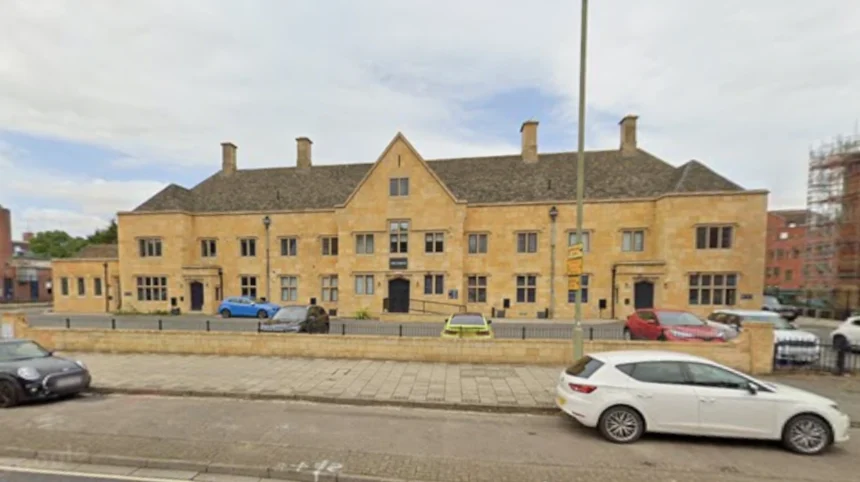
Banbury Magistrates Court is a criminal court located in Oxfordshire that forms part of the magistrates court system in England and Wales. The court is situated at The Court House, Warwick Road, Banbury, Oxfordshire, OX16 2AW, and operates under the administration of Her Majesty’s Courts and Tribunals Service. Magistrates courts represent the first tier of the criminal justice system in England and Wales, with Banbury Magistrates Court serving the local community by hearing summary offences and conducting preliminary hearings for more serious criminal matters. The court handles criminal prosecutions, bail applications, sentencing for minor offences, and committal proceedings for cases that require Crown Court trial. All criminal cases in the English and Welsh justice system begin in magistrates courts, making these institutions the cornerstone of criminal justice administration.

Contents
  • What is the history and jurisdiction of Banbury Magistrates Court?
  • Where is Banbury Magistrates’ Court located and how can people access it?
  • What types of cases does Banbury Magistrates Court handle?
  • How are magistrates’ courts structured and who presides over cases?
  • What facilities and services are available at Banbury Magistrates Court?
  • What is the criminal court process at Banbury Magistrates’ Court?
  • How should people prepare for court appearances at Banbury Magistrates’ Court?
  • What are the sentencing powers and limitations of Banbury Magistrates’ Court?
  • What is the current status and future of Banbury Magistrates Court?
  • FAQs About Banbury Magistrates Court
    • Can you go to Banbury Magistrates Court without a solicitor?
    • What happens at a first hearing in Banbury Magistrates’ Court?
    • How early should you arrive at Banbury Magistrates Court?
    • Can magistrates send someone straight to prison?
    • What should you wear to Banbury Magistrates Court?

What is the history and jurisdiction of Banbury Magistrates Court?

Banbury Magistrates Court operates as part of the Oxfordshire court system and was formed through the consolidation of regional petty sessions. The court emerged from the merger of North Oxfordshire Petty Sessions and Woodstock Petty Sessions in 1989, subsequently renamed Banbury Petty Sessions in 1994. Magistrates courts in England have existed for over 650 years, with justices of the peace serving communities as volunteer judicial officers. The jurisdiction of Banbury Magistrates Court extends across the Banbury area and surrounding communities in North Oxfordshire, handling criminal cases that originate within its geographical boundary.

The court exercises powers granted under the Magistrates’ Courts Act 1980 and subsequent legislation that governs summary justice in England and Wales. Banbury Magistrates Court shares administrative functions with Oxford Magistrates Court, located at Speedwell Street, Oxford, Oxfordshire, OX1 1RZ, with postal correspondence directed to the Oxford address. The Thames Valley court estate includes multiple magistrates’ courts that work together to manage criminal caseloads across Oxfordshire and surrounding counties.

Where is Banbury Magistrates’ Court located and how can people access it?

Banbury Magistrates Court is located at The Court House, Warwick Road, Banbury, Oxfordshire, OX16 2AW, in the town center of Banbury. The court building sits approximately 0.7 miles from Banbury railway station, representing a 15-minute walk via Castle Street for pedestrians. Visitors traveling by car can reach the courthouse in approximately 5 minutes from the station via the Cherwell Drive route, with parking facilities available nearby. Public transportation options include train services to Banbury station with onward walking or short car journeys to the courthouse.

The physical location on Warwick Road places the court in a central position within Banbury, making it accessible to residents across North Oxfordshire who have legal proceedings scheduled at the facility. Court users requiring specific accessibility arrangements will find disabled access, toilet facilities, and dedicated parking spaces available at the building. The postal address for written correspondence differs from the visiting address, with all mail directed to Oxford Magistrates Court at Speedwell Street, Oxford, Oxfordshire, OX1 1RZ.

What types of cases does Banbury Magistrates Court handle?

Banbury Magistrates Court handles criminal cases classified as summary offences, triable either way offences, and preliminary hearings for indictable offences. Summary offences represent the least serious criminal matters, including minor driving violations, low-level criminal damage, public order offences, and minor assault charges. These cases are tried entirely within the magistrates court, with magistrates or a district judge determining guilt and imposing sentences within their jurisdictional limits. Triable either way offences include theft, assault causing actual bodily harm, and fraud, which can be heard in either the magistrates court or the Crown Court depending on case severity and defendant election.

What is Banbury Magistrates Court and How Does It Work
Credit:
Elisa.rolle

For indictable only offences such as murder, rape, robbery, and serious violent crimes, Banbury Magistrates Court conducts preliminary hearings to address bail applications, case management issues, and committal to Crown Court for trial. The court also handles youth cases involving defendants aged between 10 and 17 years, with specialized youth court procedures that differ from adult criminal proceedings. Over 90 percent of all criminal prosecutions in England and Wales conclude in magistrates courts, demonstrating the volume and importance of these lower-tier judicial institutions in the criminal justice system.

How are magistrates’ courts structured and who presides over cases?

Magistrates courts in England and Wales operate with either a bench of lay magistrates or a single district judge presiding over proceedings. Lay magistrates, also known as justices of the peace, are unpaid volunteers from the local community who sit in panels of two or three to hear cases. These volunteers receive training in law, procedure, and sentencing guidelines, with a legally qualified justices clerk providing advice on complex legal points during hearings. The presiding magistrate, known as the chair, sits in the center and manages courtroom procedure while the panel deliberates collectively on verdicts and sentences.

District judges are professional, salaried members of the judiciary with legal qualifications who sit alone to hear more complex cases or those requiring specialized legal knowledge. At Banbury Magistrates Court, both lay magistrates and district judges hear cases depending on case complexity, judicial availability, and local court administration arrangements. Magistrates courts lack juries, with the magistrates or district judge serving as both judge and jury in determining facts and applying law. The magistracy represents one of the most diverse components of the English and Welsh justice system, with 57 percent of sitting magistrates being women and 14 percent from Black, Asian, and minority ethnic backgrounds as of July 2025.

What facilities and services are available at Banbury Magistrates Court?

Banbury Magistrates Court provides multiple facilities to support court users, legal professionals, and the administration of justice. The building includes baby changing facilities, refreshments, hearing enhancement technology for individuals with hearing difficulties, and full disabled access throughout. Guide dogs are permitted within the courthouse to assist visually impaired court users. Separate witness rooms exist for defence witnesses and prosecution witnesses to prevent contact before testimony. Professional spaces include a Crown Prosecution Service room, advocates room for barristers and solicitors, duty solicitor facilities, and two interview rooms for confidential legal consultations.

Video conference facilities enable remote hearings, although prison to court video links are not available at this location. The court maintains security screening at entrance points, with prohibited items including weapons, alcohol, and recording devices that might compromise proceedings. Court users must arrive at least 30 minutes before scheduled hearing times to allow for security checks, case delays, and orientation within the building. Mobile devices must be silenced during proceedings, and photography is strictly prohibited within courtrooms to maintain dignity and prevent intimidation of participants.

What is the criminal court process at Banbury Magistrates’ Court?

The criminal court process at Banbury Magistrates Court begins when prosecutors file charges against defendants for alleged criminal offences. Defendants appear before magistrates for their first hearing, where pleas are entered and case management decisions are made. For summary offences where defendants plead guilty, magistrates proceed directly to sentencing after considering facts, defendant circumstances, and sentencing guidelines. When defendants plead not guilty to summary charges, the court schedules a trial date with prosecution and defence presenting evidence before magistrates who determine guilt beyond reasonable doubt.

Triable either way offences require an allocation hearing where magistrates assess case seriousness and defendants elect magistrates court trial or Crown Court trial with jury. For indictable only offences, magistrates conduct preliminary hearings addressing bail, legal aid, disclosure, and case management before sending cases to Crown Court for trial. Sentencing powers in magistrates courts include fines up to £5000, community orders, suspended sentences, and custody up to 6 months for single offences or 12 months for multiple offences. Cases requiring greater sentences are committed to Crown Court for sentencing after conviction in magistrates court. Appeals from Banbury Magistrates Court decisions proceed to Crown Court for full rehearing or to the High Court for judicial review of procedural errors.

How should people prepare for court appearances at Banbury Magistrates’ Court?

What is Banbury Magistrates Court and How Does It Work
Credit: Chris Juden

Preparation for court appearances at Banbury Magistrates Court requires gathering all relevant documents, understanding court procedure, and arranging practical logistics. Defendants and witnesses should collect case papers, legal correspondence, identification documents, and any evidence relevant to their case. Legal representation provides significant advantages, with solicitors offering guidance on plea decisions, evidence presentation, and likely outcomes. Appropriate courtroom attire demonstrates respect for the judicial process, with business or smart casual clothing suitable and head coverings permitted only for religious purposes. Arrival at least 30 minutes before scheduled hearing times accommodates security screening, unexpected delays from earlier cases, and familiarization with courthouse layout.

Transportation planning should account for parking availability, public transport schedules, and potential traffic delays to ensure punctual attendance. Inside the courthouse, court users should identify their assigned courtroom from listings displayed at reception, check in with court staff, and wait in designated areas until called. During hearings, respectful behavior includes addressing magistrates as “Your Worship” or “Sir/Madam,” standing when the bench enters or leaves, speaking clearly when asked questions, and avoiding interruptions or outbursts. Legal advisers can explain courtroom etiquette, likely procedures, and answer questions about the process to reduce anxiety and ensure effective participation in proceedings.

What are the sentencing powers and limitations of Banbury Magistrates’ Court?

Banbury Magistrates’ Court exercises sentencing powers defined by statute for defendants convicted of criminal offences within its jurisdiction. For summary offences, magistrates can impose fines up to £5000, community orders requiring unpaid work or supervision, suspended sentences, and immediate custody up to 6 months per offence. Multiple offences heard consecutively enable magistrates to impose custody totaling 12 months across all matters. Community sentences include unpaid work requirements ranging from 40 to 300 hours, curfews monitored electronically, prohibited activity requirements, and rehabilitation activity requirements. Financial penalties vary according to offence seriousness and defendant means, with payment terms adjusted for individual circumstances.

Compensation orders direct offenders to pay victims for injury, loss, or damage caused by criminal conduct. Costs orders require defendants to contribute toward prosecution expenses when convicted. Driving offences attract penalty points, disqualification periods, and driving bans that magistrates impose according to statutory guidelines and offence severity. When case seriousness exceeds magistrates sentencing powers, courts commit defendants to the Crown Court for sentencing after conviction, with Crown Court judges empowered to impose longer custodial sentences and greater financial penalties. Sentencing decisions balance punishment, deterrence, rehabilitation, and public protection, guided by structured sentencing guidelines issued by the Sentencing Council for England and Wales.

What is the current status and future of Banbury Magistrates Court?

Banbury Magistrates Court has been subject to consultation regarding its future operation as part of Thames Valley court estate consolidation. The Ministry of Justice conducted a consultation on proposals affecting Banbury Magistrates and County Court, considering potential closure with work relocated to other existing courts. The consultation ran for 10 weeks, seeking views from everyone with an interest in court services at Banbury. Proposed closures would contribute to court estate consolidation and generate funds through property disposal to support ongoing court and tribunal service reform across England and Wales.

The consultation process follows Consultation Principles issued by the Cabinet Office, ensuring stakeholder engagement in decisions affecting local justice services. Court users, legal professionals, local authorities, and community organizations provided input on potential impacts of court closure on access to justice, travel times, and service quality. The magistrates court system across England and Wales faces ongoing challenges including case backlogs, with outstanding criminal caseloads in magistrates courts reaching 379,400 cases by December 2025, representing a 70 percent increase from pre-pandemic levels. These challenges drive discussions about court capacity, efficiency, and the balance between maintaining local access to justice and concentrating resources in larger court centers.

FAQs About Banbury Magistrates Court

  1. Can you go to Banbury Magistrates Court without a solicitor?

    Yes, you can represent yourself at Banbury Magistrates’ Court, especially for minor offences or first hearings. However, many people on Quora and Reddit recommend getting legal advice because court procedures, plea decisions, and sentencing rules can be confusing. Duty solicitors are often available at court for criminal matters and may provide free assistance on the day of your hearing.

  2. What happens at a first hearing in Banbury Magistrates’ Court?

    The first hearing is usually where the charges are read, your identity is confirmed, and you enter a guilty or not guilty plea. Magistrates then decide bail conditions, future hearing dates, or whether the case should move to Crown Court. Most hearings are fairly short, but waiting times inside the court building can be longer than expected.

  3. How early should you arrive at Banbury Magistrates Court?

    Most court users recommend arriving at least 30 minutes early because security checks, courtroom changes, and delays are common. You may also need time to speak with your solicitor or duty lawyer before the hearing starts. Bringing identification, court papers, and keeping your phone silent helps avoid unnecessary problems on the day.

  4. Can magistrates send someone straight to prison?

    Yes, magistrates can impose immediate custody for certain offences if the case is serious enough. Their sentencing powers are limited, usually up to 6 months for a single offence or 12 months for multiple offences. If magistrates believe a harsher sentence is necessary, the case is sent to Crown Court for sentencing.

  5. What should you wear to Banbury Magistrates Court?

    People do not need to wear formal suits, but smart and respectful clothing is strongly recommended. Reddit discussions often mention that appearance and behavior influence how seriously defendants are perceived in court. Avoid offensive clothing, hats inside the courtroom unless for religious reasons, and anything that may appear disrespectful to the magistrates.

Punting Picnic Ideas and Spots: The Ultimate Guide to River Dining
What are the Most Iconic bridges for punting views?
What Makes Blackwell’s Norbrok Iconic Window in Oxford Special?
What Is the Riverside Cherwell Path and How Do You Walk It in Oxford?
Merton College Mob Quad: 14th-Century Marvel
News Desk
ByNews Desk
Follow:
Independent voice of Oxford, delivering timely news, local insights, politics, business, and community stories with accuracy and impact.
Previous Article South Oxfordshire launches £320k community grant scheme, South Oxford 2026 South Oxfordshire launches £320k community grant scheme, South Oxford 2026
Next Article What Is Oxfordshire Artweeks And How Does It Work What Is Oxfordshire Artweeks And How Does It Work?

All the day’s headlines and highlights from Oxford Daily (OD), direct to you every morning.

Area We Cover

  • Banbury News
  • Abingdon News
  • Bicester News
  • Barton News
  • City Centre News
  • Churchill News
  • Didcot News

Explore News

  • Crime News
  • Fire News
  • Live Traffic & Travel News
  • Police News
  • Sports News

Discover OD

  • About Oxford Daily (OD)
  • Become OD Reporter
  • Contact Us
  • Street Journalism Training Programme (Online Course)

Useful Links

  • Privacy Policy
  • Cookies Policy
  • Report an Error
  • Sitemap

Oxford Daily (OD) is the part of Times Intelligence Media Group. Visit timesintelligence.com website to get to know the full list of our news publications

Oxford Daily (OD) © 2026 - All Rights Reserved