Oxfordshire Artweeks takes place annually. The cultural festival occurs every May. The total operational duration is exactly three weeks. Organizers divide the physical county into three specific geographical zones. Each designated regional zone, specifically the south, the north, and the city, operates for exactly one week. The master schedule rotates the active exhibition area sequentially.
- Where Are The Festival Venues Located?
- Who Participates In The Open Studios?
- What Art Media Are Displayed?
- How Did The Arts Festival Originate?
- FAQs About Oxfordshire Artweeks
- Is Oxfordshire Artweeks worth visiting, and is it free to attend?
- Do artists pay a commission on sales during Oxfordshire Artweeks?
- Do I need to book tickets in advance to visit the open studios?
- Can amateur artists exhibit in Oxfordshire Artweeks, or is it strictly for professionals?
- How do I plan a route to see the open studios without getting overwhelmed?
The schedule allocates specific dates, such as May second, May ninth, and May sixteenth, to different geographical sectors. The first operational week focuses on southern locations, including South Oxfordshire, the Vale of White Horse, and the Thames corridor. The second operational week transitions to northern territories, including the Cotswolds, Banbury, and Bicester. The final operational week concentrates exclusively on the central urban area, specifically Oxford City. This sequential structure prevents scheduling conflicts, such as double bookings, traffic congestion, and visitor fatigue. The format allows the dedicated attendee to explore the entire county over one continuous period.
Historical records, including press releases, archival documents, and news articles, show this format provides maximum visibility for the independent creator. The timeline aligns with the arrival of spring weather, ensuring favorable travel conditions for the visiting tourist. Festival administrators finalize the specific times, such as start dates, end dates, and exhibition hours, months in advance. The organization publishes the official calendar, providing specific details, including opening hours, demonstration slots, and closing ceremonies. The structured timing generates sustained momentum throughout the month of May. The predictable annual occurrence establishes the festival as a permanent cultural fixture.
The sequential geographical progression requires meticulous logistical coordination from the core administrative team. The planning phase involves multiple stakeholders, such as local councils, venue managers, and regional coordinators. Each geographical subdivision manages its own promotional activities, including local advertising, flyer distribution, and social media campaigns. The localized focus concentrates public attention on specific neighborhoods, such as Jericho, Summertown, and Cowley. This localized concentration maximizes the foot traffic for the individual exhibitor. The chronological sequence ensures equal promotional weight across the entire Oxfordshire territory.
The fixed May schedule capitalizes on existing public holidays, specifically the early May bank holiday and the late May spring bank holiday. These statutory rest periods provide the general public with ample free time to visit the exhibition space. The timing also precedes the busy summer holiday season, capturing the target audience before international travel begins. Local hospitality businesses, including cafes, restaurants, and hotels, experience increased patronage during these specific weeks. The synchronization of the arts festival with the spring season enhances the overall aesthetic appeal of the rural venue. The strategic timing remains a critical success factor for the entire operation.
Where Are The Festival Venues Located?
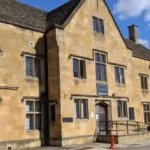
The exhibition venues, including the home, the studio, and the gallery, encompass diverse physical locations. These active spaces populate the entire county. The strategic distribution ensures total coverage. The map includes the rural village. The network reaches the central city. The participant transforms the everyday building into the temporary public showcase.
The physical spaces range from the conventional gallery to highly unusual environments, such as ancient churches, working farms, and woodland clearings. The historic academic institution, specifically the University of Oxford, provides prestigious exhibition space within the college building. Rural participants often utilize agricultural outbuildings, including converted barns, renovated stables, and active workshops. The domestic setting remains a cornerstone of the festival, allowing the curious visitor to enter the private home. This intimate environment removes the formal barrier associated with the traditional white gallery. The diverse venue selection reflects the inclusive philosophy of the entire organization.
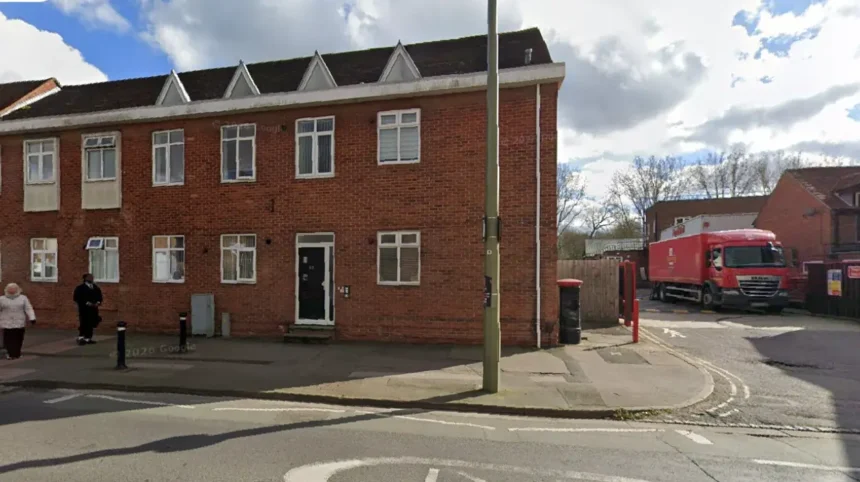
The central urban location features a high-density exhibition cluster in creative neighborhoods, such as Jericho, East Oxford, and Summertown. The suburban participant frequently transforms the residential garden into a temporary outdoor gallery. The commercial establishment, including the local cafe, the independent bookshop, and the boutique hotel, frequently hosts the pop-up exhibition. The integration of the visual artwork into the everyday commercial space increases accessibility for the casual passerby. The visiting patron utilizes the official festival map to navigate the specific geographical route. The comprehensive venue index provides the exact street address for the individual location.
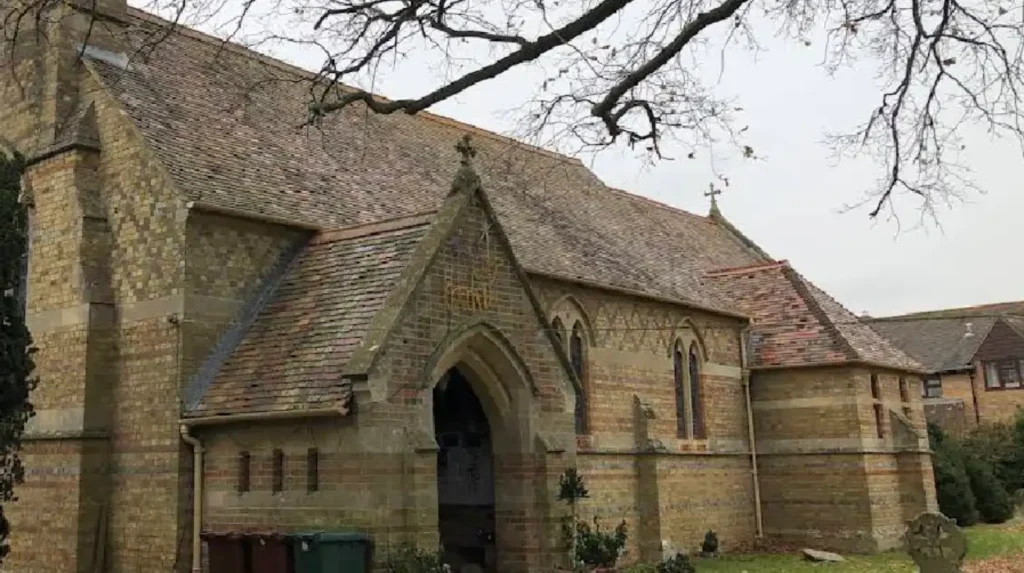
Specific landmark venues, such as St Barnabas Church, The North Wall Arts Centre, and the Oxford University Museum of Natural History, anchor the festival schedule. These established cultural hubs provide the large-scale exhibition space required for the extensive group show. The prominent institutional venue attracts the large audience, thereby generating secondary footfall for the smaller independent studio located nearby. The rural trail connects the isolated village community to the broader cultural network. The countywide distribution ensures the economic benefit reaches the remote geographical area. The extensive venue network transforms the entire county into one massive interactive museum.
The organizers implement strict health protocols, such as capacity limits, ventilation requirements, and sanitization stations, to ensure public safety within the confined venue. The physical accessibility of the individual location varies, prompting the organizer to publish detailed access information, including wheelchair ramp availability, disabled parking locations, and elevator access. The transparent communication regarding the physical environment allows the disabled visitor to plan the necessary route. The virtual exhibition platform provides an alternative viewing method for the remote audience member. The digital venue mirrors the physical space, displaying the high-resolution photograph of the specific artwork. The dual approach guarantees universal access to the cultural product.
Who Participates In The Open Studios?
The event features over one thousand active participants. The demographic includes the amateur hobbyist, the graduate, and the professional. The roster encompasses the solo independent maker. The list features the collaborative collective. Every participant works locally. The creator resides directly within the county.
The participating creator represents a broad spectrum of the local population, including the young student, the professional, and the retired enthusiast. The festival operates an open-access policy, removing the traditional curatorial barrier found in the commercial art world. This inclusive framework empowers the self-taught maker to display the finished artwork alongside the formally trained academic painter. The active participant must reside or maintain a professional studio within the Oxfordshire county limit. The regional restriction ensures the festival remains an authentic reflection of the local cultural landscape. The platform accelerates the professional development of the previously unknown creator.
The established artist uses the annual platform to debut the new experimental collection directly to the loyal collector base. The direct interaction between the creator and the consumer eliminates the financial commission usually charged by the intermediary gallery. The artist retains the entire financial profit generated from the direct financial transaction. The emerging talent utilizes the public exposure to build the initial mailing list. The interactive environment requires the participant to explain the specific creative process to the visiting public. The active dialogue bridges the intellectual gap between the contemporary maker and the general audience member.
The collaborative group, including the local painting society, the community weaving guild, and the shared ceramics studio, frequently exhibits under a single unified banner. The group exhibition reduces the individual financial burden associated with the registration fee and the promotional material. The shared venue model provides mutual psychological support for the nervous first-time exhibitor. The academic institution, specifically the local secondary school and the university art department, regularly registers the student cohort. The inclusion of the student artwork introduces the next creative generation to the broader public sphere. The mentorship dynamic organically develops between the veteran participant and the newly registered student.
The participating maker manages the entire administrative workload, including the inventory tracking, the payment processing, and the spatial curation. The artist transforms the functional working environment into a safe, presentable public exhibition space. The preparation process demands rigorous attention to basic health and safety regulations. The exhibitor invests significant capital into the temporary display infrastructure, such as the movable partition, the specialized lighting rig, and the protective display case. The successful execution of the open studio requires sharp business acumen alongside the primary creative skill. The festival effectively functions as a massive decentralized small business incubator.
What Art Media Are Displayed?
The exhibition showcases a comprehensive variety of artistic disciplines. The traditional category includes the painting, the photograph, and the sculpture. The catalog features diverse physical materials, such as the glass, the textile, and the ceramic. The selection appeals to every taste. The physical artwork dominates the temporary space. The creator masters the specific chosen material.
The two-dimensional artwork dominates the traditional gallery space, featuring the watercolor landscape, the abstract acrylic canvas, and the detailed graphite portrait. The local landscape painter frequently documents the surrounding Oxfordshire countryside, capturing the specific light of the Thames Valley. The original printmaker demonstrates the complex mechanical process, utilizing the traditional etching press and the modern screen-printing technique. The fine art photographer presents the captured image, exploring the architectural detail of the historic university building. The digital artist exhibits the screen-based composition, pushing the boundary of the conventional visual medium. The diverse selection guarantees visual stimulation for the visiting patron.
The three-dimensional discipline occupies significant spatial volume within the pop-up exhibition environment. The ceramicist displays the functional stoneware vessel alongside the purely decorative porcelain sculpture. The metalworker manipulates the raw material, creating the monumental outdoor garden sculpture and the intricate indoor wire construction. The woodworker exhibits the hand-carved furniture piece, highlighting the natural grain of the locally sourced timber. The specialized glass artist uses the high-temperature kiln to produce the shimmering stained-glass panel. The physical tactility of the sculptural object invites the viewer to examine the complex surface texture.
The applied art category features the wearable item and the domestic decorative object. The independent jeweler crafts the bespoke adornment, utilizing precious metal, the semi-precious gemstone, and the recycled material. The textile artist manipulates the natural fiber, producing the vibrant silk scarf, the heavy woven tapestry, and the intricate embroidered panel. The contemporary mosaic maker assembles the fragmented ceramic tile, creating the striking geometric pattern. The multidisciplinary creator deliberately blurs the rigid boundary separating the fine art object from the functional craft item. The high standard of craftsmanship elevates the utilitarian object to the status of high art.
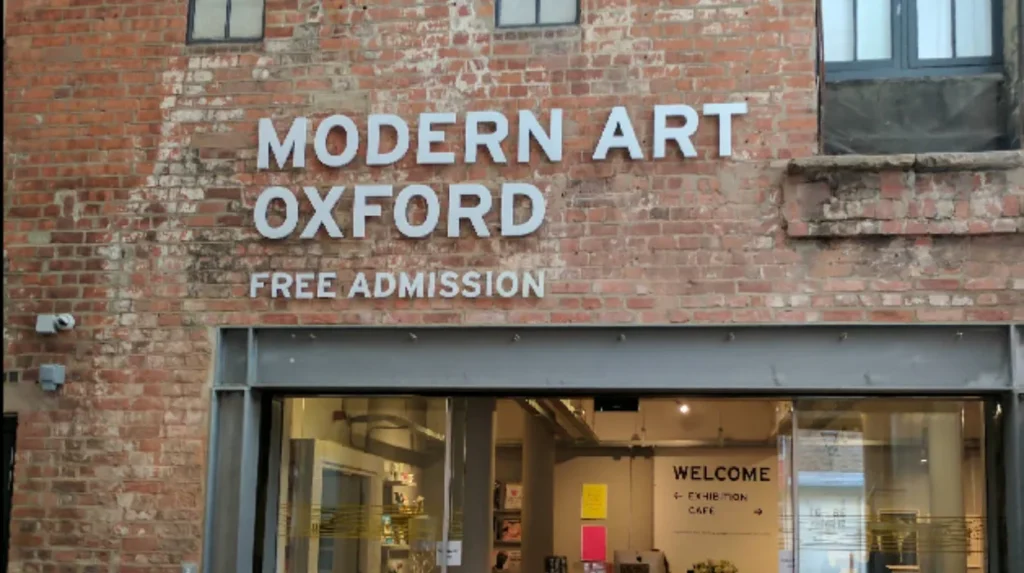
The conceptual installation art piece provides an immersive intellectual experience for the adventurous audience member. The multimedia creator combines the audio recording, the projected video image, and the physical object to construct the temporary environment. The site-specific artwork responds directly to the architectural history of the specific venue, such as the ancient church nave. The performance artist executes the live action sequence, requiring the direct physical participation of the visiting observer. The inclusion of the experimental practice ensures the festival remains relevant to the contemporary discourse. The progressive artwork challenges the traditional expectation of the conservative art consumer.
How Did The Arts Festival Originate?
The core organization established the inaugural public festival. The specific founding year was nineteen eighty-one. The pioneering committee initiated the regional event. The primary goal involved connecting the isolated maker with the consumer. The system bypassed the restrictive commercial gallery. The original structure established the current operational foundation.
The original concept borrowed the structural framework from the established open studio movement pioneered in the urban metropolis. The local founder adapted the urban model to suit the specific geographical reality of the sprawling rural county. The first experimental iteration featured a highly restricted participant list, focusing exclusively on the established professional circle. The immediate public success of the inaugural event validated the core premise of the direct-to-consumer art market. The positive economic outcome encouraged the founding committee to formalize the organizational structure. The early pioneer established the foundational blueprint that still governs the modern festival operation.
The organizational evolution required the formal registration of the entity as a legal not-for-profit company. The formalized management board implemented the standardized geographical zoning system, specifically the three-week rotational schedule, to manage the rapid exponential growth. The introduction of the centralized printed catalog revolutionized the public marketing strategy during the pre-digital era. The physical booklet provided the visitor with the comprehensive directory, listing the exact location of the participating maker. The strategic partnership with the local print media, specifically the Oxford Times, amplified the promotional reach. The historical archive documents the steady annual increase in the total participant number.
The technological revolution of the early twenty-first century forced the organization to modernize the basic operational infrastructure. The management team developed the centralized digital database to process the complex annual registration system. The launch of the official festival website provided the global internet user with the searchable interactive venue map. The integration of the social media platform, specifically Instagram and Facebook, created the continuous year-round promotional channel. The digital transformation reduced the heavy reliance on the expensive printed material. The modernized system increased the operational efficiency of the small core administrative staff.
The unprecedented global disruption of the year 2020 forced the rapid implementation of the entirely virtual festival format. The strict government lockdown regulation prohibited the physical gathering, necessitating the immediate pivot to the digital exhibition model. The resilient artist produced the short video tour, the interactive online gallery, and the live broadcast demonstration. The virtual adaptation successfully maintained the critical connection between the isolated creator and the confined audience member. The subsequent organizational strategy retained the highly successful digital element, creating the permanent hybrid festival model. The historical timeline demonstrates the remarkable adaptability of the dedicated organizing committee.
FAQs About Oxfordshire Artweeks
Is Oxfordshire Artweeks worth visiting, and is it free to attend?
Yes, it is highly recommended and completely free to attend for all visitors looking to explore the local art scene. The festival provides a unique opportunity to view diverse artworks in intimate, unconventional settings like private homes and working studios. It is an excellent, cost-effective way to spend a spring weekend supporting local creative talent.
Do artists pay a commission on sales during Oxfordshire Artweeks?
Unlike traditional commercial galleries, artists do not pay any commission on the artwork they sell during the festival. All financial transactions occur directly between the creator and the buyer, meaning the artist retains the entire profit from their sales. This direct-to-consumer model makes it a highly beneficial platform for independent makers.
Do I need to book tickets in advance to visit the open studios?
Generally, you do not need to book tickets in advance to visit the vast majority of the open studios, homes, or pop-up galleries. Visitors can simply use the official festival map and drop into any participating venue during their advertised opening hours. However, a few specific large-scale institutional venues might have their own standard entry policies.
Can amateur artists exhibit in Oxfordshire Artweeks, or is it strictly for professionals?
The festival operates on an open-access policy, meaning it is not restricted to formally trained or professional artists. Amateur hobbyists, local students, and emerging creators are actively encouraged to register and exhibit alongside established professionals. The only strict requirement is that participants must live or maintain a working studio within the Oxfordshire county limits.
How do I plan a route to see the open studios without getting overwhelmed?
The best strategy is to utilize the festival’s geographical zoning system by focusing only on the specific region—South, North, or City—that is active during your chosen week. You can use the interactive digital map on their official website to cluster venues that are within short walking or driving distance of each other. Prioritizing one specific neighborhood or village per day prevents travel fatigue and maximizes your actual viewing time.