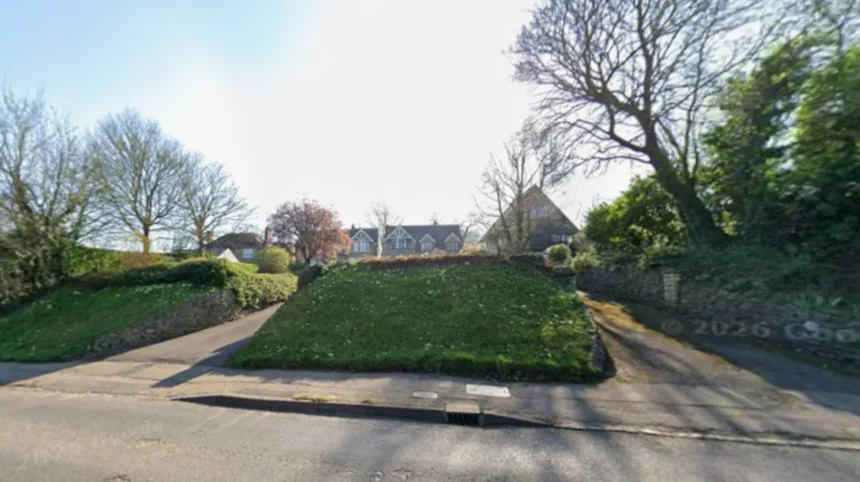
Family apartments in suburbs are multi-bedroom homes in residential areas outside the city centre, designed for households that need space, access to schools, and quieter streets. In Oxford, suburban areas such as Headington, Botley, Cumnor Hill, and Marston are commonly associated with family living.
- Why do families choose suburban apartments?
- Which Oxford suburbs suit families best?
- What makes a family apartment suitable?
- How does suburban family housing work in Oxford?
- What are the main benefits for children?
- What does the Oxford market show?
- Why does this topic matter now?
- What should buyers and renters compare?
Family apartments combine apartment living with the practical needs of parents and children. They usually provide two or more bedrooms, a separate living area, kitchen facilities, and access to nearby services. Suburban locations also support daily routines with parks, bus routes, local shops, and schools. In Oxford, this pattern is visible in neighbourhoods with strong family demand and better transport links to the city centre.
Why do families choose suburban apartments?
Families choose suburban apartments because they offer more space, lower density, and easier access to schools, transport, and green space than central urban areas. In Oxford, suburban districts are repeatedly identified as family-friendly because they combine village-style streets with city access.
Suburbs often provide a better balance between cost, size, and lifestyle. A family apartment in a suburb can be larger or better suited to children than a comparable central apartment. Oxford examples include Botley and Cumnor Hill, which are described as friendly family areas with bus connections, and Headington, which serves professionals, students, and families.
Suburban living also supports predictable routines. Parents value shorter school runs, easier parking, and access to local amenities. That matters in a city like Oxford, where central neighbourhoods are busier and land use is more constrained. The suburban model reduces pressure on daily movement and creates a more residential environment.
Which Oxford suburbs suit families best?
Oxford suburbs suited to families include Headington, Botley, Cumnor Hill, Marston, and parts of East Oxford. These areas are repeatedly associated with family life, access to schools, green space, and practical commuting links into the city.
Headington is a leafy suburb with a strong residential profile and access to major hospitals, which supports working families and mixed household types. Botley and Cumnor Hill are noted for a village atmosphere and good bus links to the city centre and train station. Marston is described as affordable and close to Oxford with plenty of green space. East Oxford, including the Cowley and Iffley Road area, is also identified as strong for children and community networks.
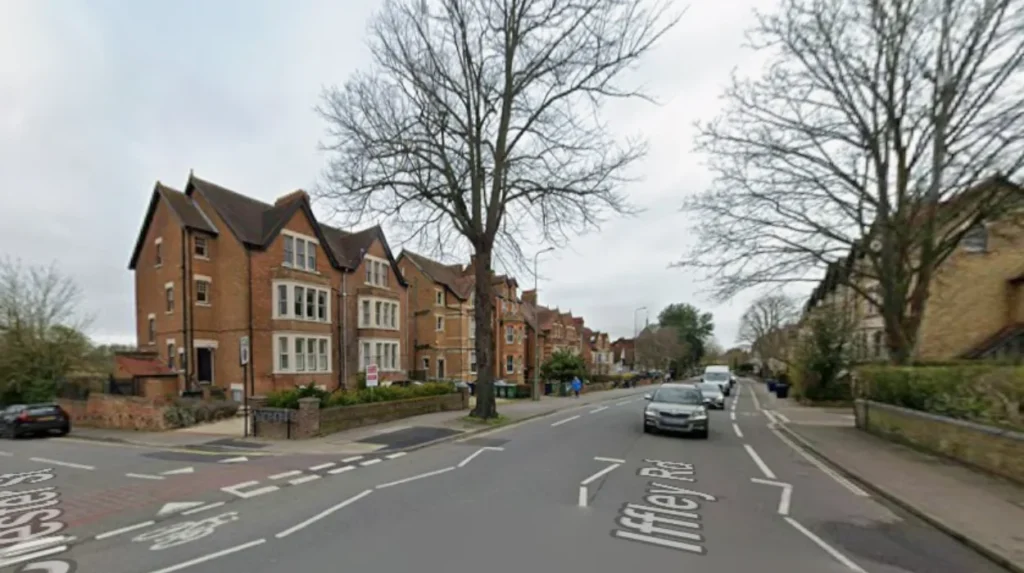
These neighbourhoods matter because family housing demand in Oxford is shaped by limited supply and high competition for well-located homes. Suburban apartments help bridge that gap by offering a practical format for families who do not want detached housing or who need proximity to work, education, and services.
What makes a family apartment suitable?
A suitable family apartment has enough bedrooms, a functional layout, safe access, storage, and proximity to schools, transport, and daily services. In Oxford, family suitability also depends on whether the suburb supports commuting, childcare, and access to parks.
The basic structure usually includes two or three bedrooms, one or more bathrooms, a living room, and a kitchen that supports daily family use. Larger schemes in Oxford show this range clearly. For example, family accommodation in the city includes 1-bedroom, 2-bedroom, 3-bedroom, and 4/5-bedroom units in one housing stock, while another Oxford development offers 2-bedroom apartments and 3-bedroom houses for families.
Practical details shape long-term livability. Families need reliable heating, secure entry, storage for prams and bicycles, and access to schools or healthcare. A well-located suburban apartment also reduces dependence on long car trips by placing daily needs closer to home. In Oxford, bus connections are part of the appeal for Botley, Cumnor Hill, and Ivy Lane’s accommodation near local bus routes.
How does suburban family housing work in Oxford?
Suburban family housing in Oxford works through a mix of private rentals, new developments, and institutional housing linked to employers or colleges. This creates a varied supply of flats, apartments, and houses that serve different household sizes and budgets.
Oxford includes purpose-built developments and established neighbourhood housing. One example is Canalside Quarter in Oxford, which offers 1, 2, and 3 bedroom apartments alongside larger homes in a planned community setting near the Oxford Canal and Canalside Park. Another example is Ivy Lane Flats, which includes 1 and 2 bedroom flats and 3 bedroom houses, with units described as ideal for families.
This structure reflects the city’s wider housing reality. Oxford has high demand, limited land, and strong competition for family-sized homes near employment and education centres. Suburban apartment stock therefore fills an important role by offering medium-density housing where detached family houses are scarce or expensive.
What are the main benefits for children?
The main benefits for children are access to green space, safer residential streets, nearby schools, and stronger community networks. In Oxford suburbs, these benefits are tied to the design and location of neighbourhood housing rather than to the apartment type alone.
Families often prioritise areas where children can walk to school, reach parks, and participate in local activities. Marston’s green space, Headington’s residential character, and East Oxford’s community groups all support this pattern. These factors create a setting that works for daily life rather than only for short stays or commuter use.
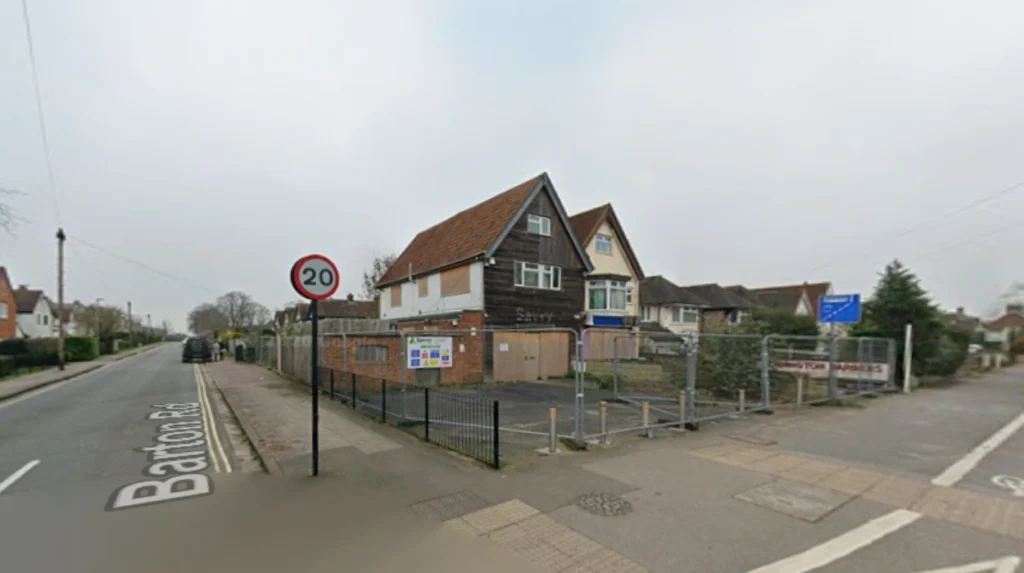
Apartment living also teaches shared-space habits when buildings include communal entrances, shared gardens, or nearby public spaces. That is useful in suburban environments where family life depends on both private domestic space and access to surrounding neighbourhood amenities.
What does the Oxford market show?
The Oxford market shows steady demand for family-sized apartments and houses in suburban or edge-of-city locations. Current examples include 2-bedroom apartments from £1,299.66 per month and 3-bedroom houses from £1,864.18 per month in Oxford accommodation aimed at families.
Rents in Oxford reflect the city’s strong housing pressure. One Oxford family accommodation listing shows 1-bedroom flats from £1,157 to £1,407 per month, 2-bedroom flats from £1,408 to £1,547 per month, 3-bedroom flats or houses from £1,500 to £1,843 per month, and 4/5-bedroom houses at £2,564 per month. These figures illustrate how family housing rises in price as space increases.
A separate Oxford scheme lists 2-bedroom apartments for families from £1,299.66 per month including utilities and 3-bedroom houses from £1,864.18 per month including utilities. This range shows that family apartment demand extends beyond the city centre into suburban and edge-of-city developments that can support larger households.
Why does this topic matter now?
This topic matters because family housing demand, suburban growth, and commuting patterns continue to shape Oxford’s residential market. Families now look for homes that combine space, value, and access to schools, transport, and daily services in one location.
The long-term relevance comes from urban pressure. City centres remain attractive but are often constrained by higher density, higher competition, and less family-oriented layouts. Suburban apartments answer that problem by offering a middle ground between central convenience and family functionality. Oxford’s neighbourhoods and new developments both show that this housing form remains important.
What should buyers and renters compare?
Buyers and renters should compare bedroom count, monthly cost, commute time, school access, transport links, and nearby amenities before choosing a suburban family apartment. In Oxford, these practical factors determine whether a home supports everyday family life.
The most useful comparison starts with space. A two-bedroom apartment suits smaller families or shared family arrangements, while a three-bedroom apartment or house better supports older children, home working, or multigenerational needs. Next comes location, because Oxford suburbs differ in road access, bus links, and proximity to healthcare and education.
Amenities also matter. A suburb with parks, local shops, schools, and reliable public transport performs better for families than an isolated development. Oxford examples such as Botley, Cumnor Hill, Headington, Marston, and East Oxford show how suburban family housing works when residential comfort and urban access overlap.

Family apartments in suburbs provide a practical housing solution for households that need space, stability, and access to everyday services. In Oxford, the strongest family areas combine apartment options, transport links, and residential character, which keeps suburban family housing relevant for long-term living.