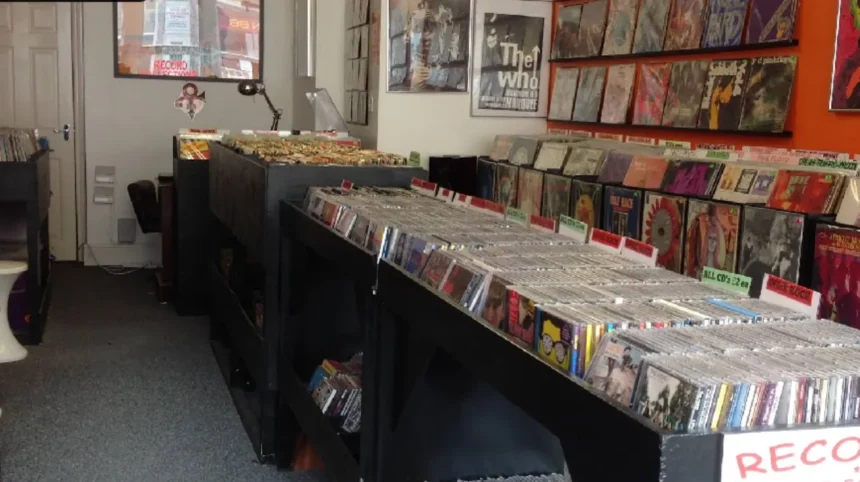
Independent record stores for vinyl fans represent essential physical infrastructure within the global music industry marketplace. These specialized commercial spaces preserve analog media technology and cultivate localized communities dedicated to high-fidelity audio reproduction. Collectors rely on these establishments to acquire physical assets that streaming services do not provide. The global market for vinyl records has experienced consecutive annual growth for over fifteen years. This sustained expansion demonstrates the enduring economic and cultural viability of the traditional brick-and-mortar music retail sector. Understanding the mechanisms of these stores requires analyzing their historical roots, supply chains, and modern operational formats.
- What is the historical background of independent record stores?
- How are physical record stores structured to serve vinyl collectors?
- What mechanisms govern the global supply chain of vinyl distribution?
- Which real world examples demonstrate successful modern record store models?
- What statistical insights define the current global vinyl revival?
- How do independent record stores impact the future of the physical music industry?
- FAQs About Record stores for vinyl fans
- Why are vinyl records more expensive at independent record stores compared to large online retailers?
- How can a collector check the condition of a used vinyl record before buying it?
- What is the actual difference between standard vinyl and a 180g heavyweight pressing?
- How do independent record stores obtain exclusive releases for Record Store Day?
- Is it safe to play a new vinyl collection on a cheap suitcase turntable?
What is the historical background of independent record stores?
Independent record stores originated in the early twentieth century as specialized commercial spaces for phonograph discs. These retail establishments evolved into cultural hubs that preserved analog media formats during the global transition to digital music files, streaming platforms, and CDs.
The commercial distribution of physical audio recordings began following the invention of the phonograph by Thomas Edison in 1877. Early retail spaces in the 1900s focused on selling phonograph cylinders and shellac discs playing at 78 revolutions per minute. The introduction of the 12-inch long-play microgroove vinyl record by Columbia Records in 1948 revolutionized the music distribution landscape completely. This technical breakthrough established a standardized physical format that allowed independent retailers to proliferate throughout urban centers worldwide. During the 1960s and 1970s, these shops became definitive neighborhood centers for youth subcultures and artistic movements. The subsequent emergence of compact discs in 1982 initially reduced the market share of traditional vinyl formats significantly.
Independent storefronts sustained deep economic losses during the digital audio revolution of the late 1990s and early 2000s. The rise of peer-to-peer file sharing protocols and MP3 files forced thousands of traditional retail businesses to close permanently. However, a distinct cultural shift occurred in 2008 with the official inauguration of Record Store Day. This global initiative unified independent retailers, musical artists, and record labels to manufacture exclusive physical releases. The event successfully re-introduced the unique tactile experience of analog music consumption to a completely new generation of consumers. Today, these historic establishments leverage historical prestige alongside modern e-commerce platforms to maintain a robust global market presence.
How are physical record stores structured to serve vinyl collectors?
Physical record stores utilize specific organizational layouts to enhance inventory navigation for vinyl collectors. These environments feature alphabetized categorization systems, genre-specific dividing cards, designated listening stations, and specialized display shelves that securely showcase limited-edition pressings and new weekly record arrivals.
The interior architecture of a successful independent music retail space relies on strict spatial categorization. Retailers divide floor plans into 3 distinct functional zones: browsing racks, listening stations, and counter points. Browsing racks utilize durable wood or steel bins where customers flip through records vertically to view cover art easily. Alphabetical dividers organize inventory by artist surname or band name within specific macro-genres. These macro-genres include rock, jazz, electronic, hip-hop, classical, and folk music styles. Specialized display walls feature front-facing orientations to highlight rare original pressings, high-value box sets, and newly released items. This strategic placement ensures maximum visibility for premium inventory that drives higher store profit margins.

In-store hardware installations significantly enhance the consumer retail experience for dedicated physical media collectors. Listening stations feature high-quality components, including belt-drive turntables, integrated amplifiers, and closed-back circumaural headphones. These stations allow patrons to audit used vinyl conditions thoroughly before completing an official commercial purchase. Proper lighting systems utilize ultraviolet-filtered bulbs to prevent the premature warping and fading of cardboard album jackets. Staff members operate specialized vacuum-operated record cleaning machines behind the main counter to refurbish vintage trade-in stock. These structural elements combine to create an optimized physical ecosystem that promotes prolonged consumer engagement and consistent retail sales.
What mechanisms govern the global supply chain of vinyl distribution?
The global supply chain of vinyl distribution relies on precise manufacturing and logistics mechanisms. Major commercial record labels and independent distributors coordinate production timelines with specialized vinyl pressing plants, international shipping networks, wholesale brokers, and physical independent retail music storefronts.
The production lifecycle of a vinyl record involves 3 sequential technical stages: mastering, plating, and pressing. Audio engineers first cut a lacquer master disc using a specialized precision lathe machine. Technicians electroplate this lacquer master with nickel to create durable metal stampers for mass production. These stampers are mounted into hydraulic presses that apply 150 tons of pressure at temperatures reaching 150 degrees Celsius. The machinery extrudes molten polyvinyl chloride compounds into flat, grooved discs. Modern plants utilize 2 distinct weight standards for production: 140-gram standard records and 180-gram heavyweight audiophile pressings. Heavyweight variants offer superior structural stability and reduced needle vibration during playback.
Logistical coordination dictates how finished products move from manufacturing plants to physical retail shelves worldwide. Global distributors manage large-scale regional warehouses to aggregate stock from various independent and major record labels. These distributors publish comprehensive weekly order sheets detailing upcoming releases, reissue campaigns, and wholesale pricing tiers. Independent retail buyers analyze these sheets to place accurate inventory orders based on local customer demand patterns. Freight forwarding companies handle international transit via sea and air cargo networks to ensure timely deliveries. Retail stores receive shipments, inspect physical items for damage, and log barcodes into localized point-of-sale inventory tracking systems.
Which real world examples demonstrate successful modern record store models?
Modern independent record stores establish distinct operational frameworks to sustain profitability and consumer engagement. Successful retail setups incorporate diverse business models, including multi-functional live performance areas, integrated craft coffee bars, specialized online pre-order subscription clubs, and curated historical archival collections.
Diverse operational formats allow modern retailers to thrive amid changing consumer shopping habits globally. Industry analysts identify 3 primary commercial models: destination mega-stores, hyper-curated boutique storefronts, and multi-functional hybrid spaces. Destination mega-stores maintain massive inventories across multiple floors to attract international tourists and high-volume collectors. Hyper-curated boutique storefronts focus strictly on niche underground genres, avant-garde releases, and limited-edition pressings. Multi-functional hybrid spaces integrate secondary revenue streams, such as craft coffee bars, licensed bars, and live performance stages. These hybrid spaces generate consistent daily foot traffic while hosting instore signing events and intimate live musical performances.
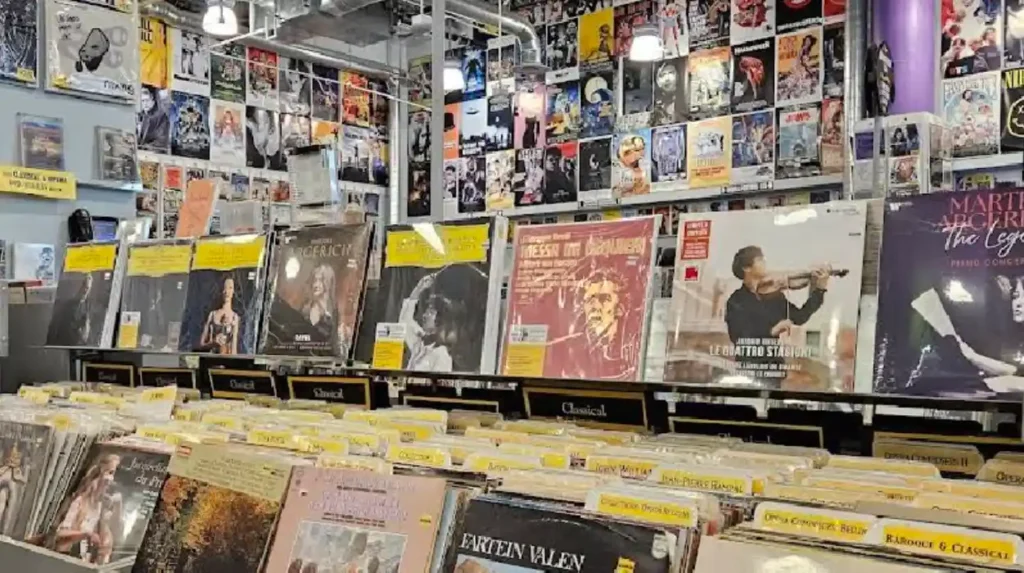
Real-world market leaders demonstrate the immense efficacy of these diverse physical and digital business frameworks. Rough Trade operates highly successful hybrid storefronts across major international cities, including London, New York, and Liverpool. Amoeba Music maintains massive destination storefronts in California that serve as definitive cultural landmarks for music enthusiasts. Norman Records utilizes a highly optimized online storefront in Leeds to distribute independent music globally with specialized packaging. Townsend Music partners directly with musical artists to manage exclusive online pre-orders and limited-edition merchandise fulfillment logistics. These companies prove that combining physical community engagement with global digital accessibility maximizes long-term commercial sustainability.
What statistical insights define the current global vinyl revival?
Market research data confirms a sustained growth trajectory within the international physical music industry. Global consumer spending figures indicate rising sales volumes for vinyl albums, driven by multi-generational demographics, expanding turntable hardware purchases, and increased demand for premium boxset packaging.
Quantitative data from major music industry organizations confirms the undeniable scale of the contemporary vinyl resurgence. The Recording Industry Association of America reported that vinyl revenues grew by 10 percent in 2023 to reach 1.4 billion dollars. This milestone marked the seventeenth consecutive year of revenue growth for the physical format. Vinyl records officially outsold compact discs in units for the second time since 1987, moving over 43 million LPs. The British Phonographic Industry documented similar metrics, noting that UK vinyl sales increased by 11.7 percent to reach 6.1 million units. These statistics demonstrate that physical media is no longer a niche market sector.
Demographic and hardware data provides deeper insights into consumer purchasing patterns across the global marketplace. Market research firm Luminate revealed that 44 percent of current vinyl buyers purchase an album without owning a turntable setup. This metric highlights the powerful appeal of vinyl records as collectible physical art pieces. Concurrently, global sales of consumer turntables and audio equipment expanded by 8.5 percent annually over the past five years. Younger consumers comprising Generation Z and Millennials represent the fastest-growing segment of physical media buyers worldwide. This shifting consumer demographic ensures long-term demand stability for independent record stores for vinyl fans over the next decade.
How do independent record stores impact the future of the physical music industry?
Independent record stores serve as critical structural anchors for the future of physical music formats. These businesses sustain local music ecosystems, influence physical record manufacturing priorities, support independent musical artists, and guarantee the long-term survival of tangibly preserved audio documentation.
The long-term cultural and economic implications of independent retail music spaces extend far beyond direct retail sales. These storefronts act as physical discovery engines that introduce consumers to obscure artists and localized music scenes. By providing dedicated shelf space to independent record labels, these shops decentralize cultural influence away from major streaming algorithms. This physical exposure allows emerging musicians to build sustainable touring audiences and monetize their art through physical merchandise sales. Furthermore, these stores foster localized economic growth by employing specialized workers and driving consumer foot traffic to neighboring retail businesses. The brick-and-mortar storefront remains an irreplaceable component of healthy urban community infrastructure.
Technological developments and changing consumer values will continue to shape the evolution of physical record retail. Environmental sustainability initiatives are driving pressing plants to develop 3 green alternatives: bioplastic records, recycled compound discs, and injection-molded formats. Independent shops will play a vital role in educating consumers about these eco-friendly audio products. As digital streaming platforms face growing criticism over low artist payout rates, physical ownership becomes an ethical choice for conscious music consumers. Independent record stores for vinyl fans will preserve their status as trusted cultural sanctuaries. Their ongoing adaptation guarantees that analog music traditions will endure seamlessly for future generations of listeners.
FAQs About Record stores for vinyl fans
Why are vinyl records more expensive at independent record stores compared to large online retailers?
Independent stores face higher wholesale acquisition costs and physical overhead expenses than mass e-commerce giants. Their retail pricing reflects specialized curation, physical inventory maintenance, and the importing of rare international pressings.
How can a collector check the condition of a used vinyl record before buying it?
Buyers should visually inspect the record surface under bright light to identify deep scratches, groove wear, or fingerprint stains. Most reputable independent record stores provide in-store listening stations where customers can audit the audio tracking and check for surface noise. Examining the official Goldmine grading standard on the sleeve also helps verify if the disc is in playable condition.
What is the actual difference between standard vinyl and a 180g heavyweight pressing?
A 180-gram vinyl record is physically thicker and heavier than a standard 140-gram disc, which provides superior resistance to warping over time. The added weight isolates the record on the turntable platter and stabilizes the stylus needle to reduce tracking vibrations. While the heavier format offers physical durability, the overall sound fidelity still depends entirely on the quality of the original audio mastering.
How do independent record stores obtain exclusive releases for Record Store Day?
Physical retailers must register directly with the official Record Store Day organization and prove they operate a legitimate brick-and-mortar storefront. Shops submit their stock orders months in advance through authorized commercial distributors who allocate the limited production quantities. These exclusive items are heavily regulated to ensure they are sold physically in-store rather than leaked to online resellers.
Is it safe to play a new vinyl collection on a cheap suitcase turntable?
Low-cost suitcase turntables typically utilize heavy tracking forces and cheap plastic styluses that can accelerate groove wear on physical records. These budget systems lack adjustable counterweights and anti-skate mechanisms required to prevent skips and preserve delicate analog grooves. Investing in a component turntable with a balanced tonearm protects your vinyl investment and delivers true high-fidelity sound reproduction.