
Seasonal blooms in Oxford transform the city into a floral destination from February through October, with snowdrops, daffodils, cherry blossoms, tulips, bluebells, and roses marking distinct periods across Oxford’s gardens, parks, and college grounds. The Oxford Botanic Garden displays over 5,000 plant species year-round, while University Parks and Christ Church Meadow offer public access to wildflower displays that peak between late March and early June.
- What Are the Best Seasons for Flower Blooms in Oxford?
- Where Can You See Spring Flowers in Oxford City?
- What Flowers Bloom at Oxford Botanic Garden Throughout the Year?
- When Do Bluebells and Wildflowers Peak in Oxfordshire?
- How Do College Gardens Contribute to Oxford’s Floral Landscape?
- What Practical Tips Help Visitors Plan Flower Viewing in Oxford?
What Are the Best Seasons for Flower Blooms in Oxford?
Oxford’s peak bloom seasons are spring (March–May) and early summer (June), when snowdrops, daffodils, cherry blossoms, tulips, bluebells, and wisteria reach full display across the city’s gardens, meadows, and college courtyards. Spring delivers the highest flower diversity with 8 major bloom types, while summer extends the season with roses, irises, and herbaceous borders.
Spring begins in mid-February with snowdrops at Basildon Park near Oxfordshire, followed by daffodils in late February and March. Cherry blossoms appear in March across University Parks, magnolia blooms in March at uk/local/headington/">Headington Hill Park, and tulips peak mid-April to May at Rookwood Garden. Bluebells dominate late April through early May at Warburg Nature Reserve and Badbury Hill.
Summer blooms extend from June through August with roses in college gardens, irises near Summertown, and continuous herbaceous borders at the Oxford Botanic Garden Arboretum. Autumn brings limited blooms but features vibrant foliage colors from September onward. Winter offers minimal flowering except for early snowdrops in late January at select locations.
Where Can You See Spring Flowers in Oxford City?
Spring flowers in Oxford city appear at University Parks, Christ Church Meadow, Worcester College, New College, Exeter College, Magdalen College, Headington Hill Park, and South Park, with cherry blossoms, wisteria, daffodils, bluebells, and magnolia creating concentrated displays within walking distance of the city center. These locations combine historic architecture with floral landscapes for iconic Oxford spring experiences.
University Parks hosts the city’s largest cherry blossom display with specimen trees lining the paths near the River Cherwell. The park also features daffodil carpets in March and bluebell patches in late April. Visitors can picnic while watching university sports matches under flowering trees. The park’s open layout allows unobstructed views of the Oxford skyline framed by spring blooms.
Christ Church Meadow provides a tranquil riverside escape with daffodils, bluebells, and buttercups blooming alongside grazing cattle and spring lambs. The meadow’s pathways follow the Thames toward Iffley village, offering scenic routes through wildflower displays. This floodplain meadow maintains natural wildflower communities that support local biodiversity while providing public access.
Worcester College features a spectacular wisteria archway leading to its formal gardens, creating one of Oxford’s most photographed spring scenes. The college gardens include herbaceous borders and mature trees that complement the purple wisteria curtains. New College cloisters display magical wisteria curtains hanging over medieval architecture. Exeter College and Magdalen College offer charming wisteria displays in their courtyards.
Headington Hill Park showcases magnolia displays alongside unusual Japanese Bitter Orange trees that flower in spring. The park’s elevated position provides views across Oxford while visitors enjoy flowering trees. South Park consistently looks attractive in spring with flowering trees and panoramic city skyline views, making it ideal for casual visitors seeking accessible bloom viewing.
What Flowers Bloom at Oxford Botanic Garden Throughout the Year?
The Oxford Botanic Garden displays over 5,000 plant species with seasonal highlights including yellow trout lily, bloodroot, coltsfoot, marsh marigold, frog-bit, eastern spring beauty, tulips, bluebells, and herbaceous borders, making it Oxford’s most comprehensive year-round flowering destination with curated collections across multiple garden sections.
The Botanic Garden’s spring highlights include Yellow Trout Lily, Bloodroot, Coltsfoot, Marsh Marigold, Frog’s-bit, and eastern spring beauty in the herbaceous borders. These species bloom in sequence from March through May, creating continuous color displays. The garden’s cool grass and green shade areas provide resting spots during warm afternoons when flowers reach peak vibrancy after rain.
Tulip borders at the garden become especially impressive in mid-April and May, with Rookwood Garden nearby offering additional tulip displays that complement the Botanic Garden’s collection. The garden’s arboretum features spectacular bluebell displays in late April, creating dense carpet effects under mature trees. Autumnal colors emerge from September as foliage transitions.
The Hot Houses within the Botanic Garden maintain tropical and subtropical plant collections that bloom year-round regardless of external seasonal conditions. These controlled environments ensure visitors see flowering specimens even during Oxford’s winter months when outdoor blooms are scarce. The lush herbaceous borders outside provide seasonal interest aligned with Oxford’s natural climate patterns.
When Do Bluebells and Wildflowers Peak in Oxfordshire?
Bluebells peak in Oxfordshire from late April to early May, with prime viewing at Warburg Nature Reserve, Badbury Hill near Faringdon, University Parks, and Christ Church Meadow, while wildflowers including daffodils, buttercups, and primroses reach maximum density from mid-March through April across meadows and woodland edges.

The bluebell season timeline begins in late April when woodland areas transform into purple-blue carpets. Warburg Nature Reserve in Oxfordshire offers designated bluebell walks through mature woodland. Badbury Hill near Faringdon provides accessible viewing with historic site context. University Parks and Christ Church Meadow offer urban bluebell displays within Oxford city limits.
Wildflower diversity peaks in April with 60+ species present at locations like Silvoor Biological Sanctuary near Oxford. These colorful displays include buttercups, primroses, daffodils, and mixed meadow species. Professional botanists from Miami University lead wildflower walks that educate visitors about species identification and ecological importance. These walks occur at sanctuary locations minutes from university campuses.
The ecological significance of bluebell and wildflower displays extends beyond aesthetics. These flowering plants support pollinator populations including bees and butterflies during critical spring emergence periods. Traditional floodplain meadows like Christ Church Meadow maintain biodiversity through grazing management that preserves wildflower communities while allowing public access.
How Do College Gardens Contribute to Oxford’s Floral Landscape?
Oxford’s college gardens contribute wisteria displays, rose gardens, herbaceous borders, and private courtyards that open seasonally to visitors, with New College, Worcester College, Exeter College, and Magdalen College offering the most notable spring flowering features including wisteria archways, cloister curtains, and formal garden landscapes.
New College cloisters feature magical purple wisteria curtains that drape over medieval stone architecture, creating one of Oxford’s most iconic spring photographs. The wisteria vines establish thick coverage over centuries-old structures, demonstrating how historic buildings integrate with living plant displays.
Worcester College gardens include a spectacular wisteria archway as the entrance feature, leading visitors into formal gardens with herbaceous borders and mature specimen trees. The garden’s design balances formal structure with naturalistic planting that supports seasonal blooms throughout spring and summer.
Exeter College and Magdalen College offer charming wisteria displays in their courtyards, providing intimate viewing experiences away from main tourist thoroughfares. These college gardens maintain traditional English garden aesthetics with seasonal plantings that change throughout the year. Access policies vary by college, with many opening gardens during spring months for viewing.
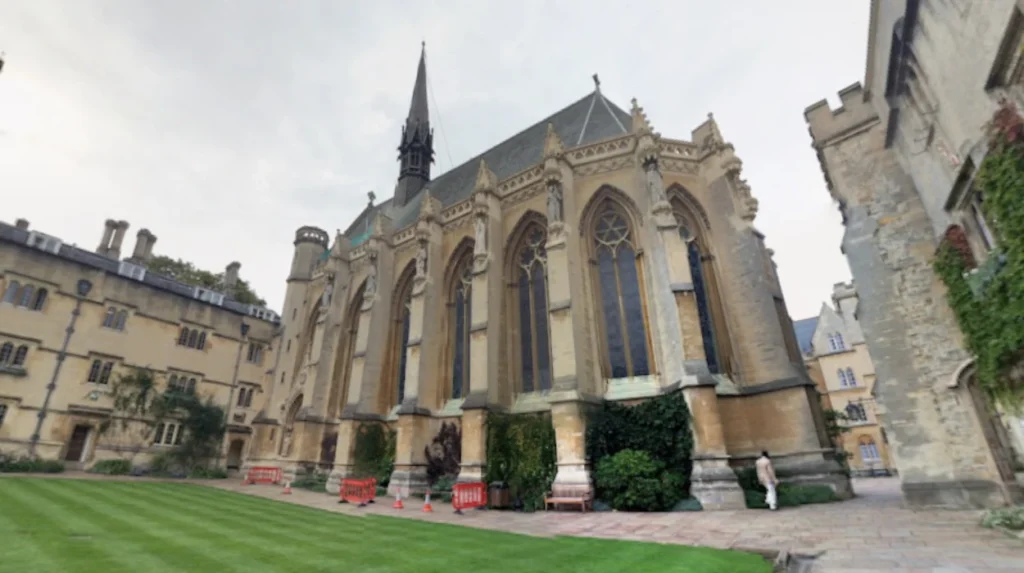
The architectural integration of flowers in college gardens creates unique visual combinations unavailable elsewhere. Wisteria climbing over stone cloisters, roses framing Gothic windows, and herbaceous borders against historic walls establish Oxford’s distinctive floral character that blends natural beauty with architectural heritage.
What Practical Tips Help Visitors Plan Flower Viewing in Oxford?
Visitors should plan spring flower viewing between late March and early May, bringing picnic supplies for extended stays at parks, wearing comfortable walking shoes for meadow paths, checking college garden opening times, and visiting early morning or late afternoon for optimal lighting and fewer crowds during peak bloom periods.
Timing matters for peak blooms: snowdrops appear mid-to-late February, daffodils peak late February through March, cherry blossoms bloom in March, magnolia flowers in March, tulips reach maximum display mid-April through May, and bluebells peak late April to early May. Missing these windows reduces flower visibility significantly since many species bloom for only 2-3 weeks at full intensity.
Practical considerations include packing picnics for University Parks and South Park where seating exists under flowering trees. Some areas allow visitors to watch university sports matches while enjoying blossom displays. Comfortable shoes are essential for walking Christ Church Meadow’s riverside paths and wildflower sanctuary trails. College gardens may require advance booking or have restricted opening hours during term time.
Weather impacts bloom quality: colors become richer after rain, with irises, wisteria, and flower beds showing enhanced vibrancy. Post-rain conditions provide optimal photography lighting and maximum flower openness. Visitors should check forecasts and plan indoor alternatives like the Botanic Garden’s Hot Houses during prolonged wet periods.