Oxford Daily presents a comprehensive analysis of Headington, Oxford. Headington is the largest suburb in the city of Oxford, Oxfordshire, England. The suburb sits three miles east of Oxford city centre on the crest of Headington Hill. It serves as a critical economic, educational, and healthcare engine for the South East region of England.
- What is Headington, Oxford?
- How did Headington evolve from an ancient Saxon settlement into an urban suburb?
- Which healthcare institutions and medical research facilities operate in Headington?
- What educational campuses and academic institutions are situated in Headington?
- What are the most notable landmarks and cultural sites in Headington?
- How is Headington connected to Oxford city centre and regional transport networks?
- What is the economic and demographic landscape of Headington today?
What is Headington, Oxford?
Headington is a large, vibrant suburb located three miles east of Oxford city centre in Oxfordshire, England. Positioned on Headington Hill, it functions as a major regional hub for healthcare, medical research, tertiary education, and high-density residential living.
Headington occupies an elevated position overlooking the Thames Valley and the historic spires of central Oxford. The geographical boundary of Headington borders Marston to the northwest, Cowley to the south, and Barton and Risinghurst to the east. The principal thoroughfare running through Headington is the London Road (A420), which historically linked Oxford directly to London. This central transport spine divides the district into distinct urban sectors.
Geography and Physical Boundaries of Headington
The physical geography of Headington rests on a ridge of Corallian limestone. This geological formation rises 90 meters above sea level. Headington Hill forms the steep western slope leading down toward St Clement’s and the River Cherwell. To the east, the terrain gently slopes toward the village of Wheatley and the Shotover Country Park. Shotover Country Park comprises 117 hectares of protected ancient woodland and heathland.
The suburb encompasses 4 main geographical zones, including Headington Hill, Central Headington, Headington Quarry, and Highfield. Headington Hill houses university facilities and public parklands. Central Headington operates as the primary retail corridor along London Road. Headington Quarry forms a historically preserved residential area to the east. Highfield sits to the south and contains residential housing and hospital facilities.
Neighborhood Subdivisions in Headington
Headington consists of 5 distinct residential neighborhoods, including Old Headington, New Headington, Highfield, Headington Quarry, and Sandhills. Old Headington represents the original medieval village core. It contains narrow lanes, stone cottages, and St Andrew’s Church. New Headington developed in the late 19th century as a grid-pattern grid suburb south of London Road.
Highfield developed between 1900 and 1930 to house academic and hospital personnel. Headington Quarry originated as an independent working-class quarrying hamlet. It received conservation area status in 1971 to protect its organic street layout and stone cottages. Sandhills forms the easternmost residential extension, constructed during the mid-20th century along the A40 ring road.
How did Headington evolve from an ancient Saxon settlement into an urban suburb?
Headington originated as a Saxon settlement known as Hedenan dun, serving as a royal hunting lodge for Mercian kings. Incorporated into Oxford in 1929, Headington transformed from a rural quarrying and agricultural village into Oxford’s largest suburban area.
The human history of Headington extends across more than 3,000 years. Archaeological field investigations in 2001 at Barton Lane revealed settlement activity dating to the 11th century BC in the Late Bronze Age. Excavations at the former Manor Ground stadium site uncovered pottery fragments from an Iron Age settlement established in the 7th century BC. Roman pottery kilns operating around 300 AD were discovered in Headington, with one restored kiln on display at the Museum of Oxford.
Early Archaeological History and Saxon Heritage
During the Anglo-Saxon period around 500 AD, Headington developed into a permanent royal estate. The name Headington derives from the Old English Hedena’s dun, which translates to “Hedena’s hill”. Kings of Mercia maintained a royal palace and hunting lodge on this elevated terrain. In 1004 AD, King Ethelred the Unready signed a royal charter at his Headington estate. This charter granted land to St Frideswide’s Priory in central Oxford.
The Domesday Book of 1086 records Headington as a royal manor within the Bullingdon Hundred. The manor controlled agricultural lands, woodland, and mill sites across surrounding rural parishes. St Andrew’s Church was erected in Old Headington around 1160 AD. It features a Norman chancel arch and a 15th-century stone tower.
The Headington Stone Quarries and Urban Expansion
From the 14th century to the 19th century, Headington operated as an industrial center for stone extraction. Headington limestone provided the primary building material for 8 historic Oxford University colleges, including New College, Magdalen College, Christ Church, All Souls College, Trinity College, Brasenose College, Worcester College, and Oriel College. Quarry workers established a distinct community in Headington Quarry. They developed unique folk traditions, including the Headington Quarry Morris Dancers, who performed continuously from 1839.
The enclosure of Headington parish occurred under the Enclosure Act of 1801. This act reallocated common lands into private agricultural estates. In 1852, developer William White purchased land south of London Road to build New Headington. He laid out a grid of streets, including New High Street, Lime Walk, and Windmill Road.
The expansion of Oxford’s motor manufacturing industry at Cowley during the 1920s transformed Headington’s demography. Industrialist William Morris (Lord Nuffield) established mass car production nearby. This industrial growth increased the demand for housing. Headington established an Urban District Council in 1927. On April 1, 1929, Parliament abolished the Headington Urban District and incorporated the area into the City of Oxford.
Which healthcare institutions and medical research facilities operate in Headington?
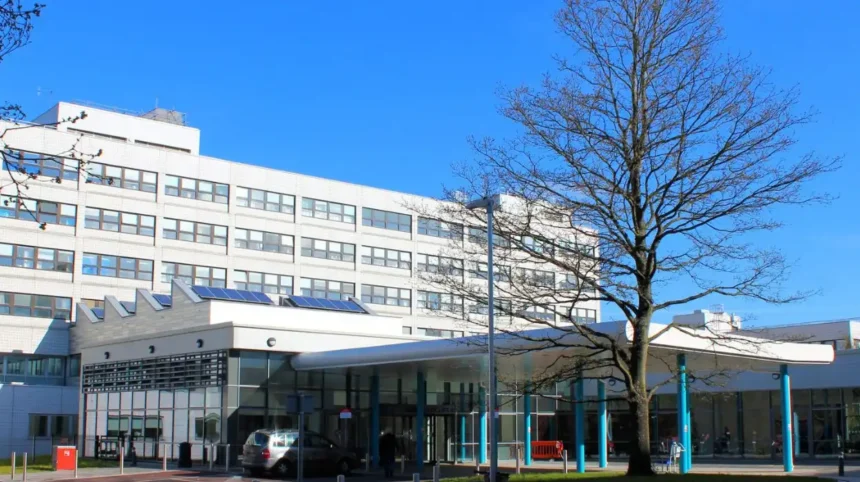
Headington houses Oxfordshire’s principal medical hub, featuring three major NHS teaching hospitals: the John Radcliffe Hospital, the Nuffield Orthopaedic Centre, and the Churchill Hospital. These sites deliver regional trauma, specialist orthopedics, oncology, and University of Oxford medical research.
The development of Headington as a healthcare center began in the 19th century. Medical authorities selected Headington Hill because its elevated topography provided fresh air and clean water far removed from industrial pollution in central Oxford. Headington currently contains 5 healthcare complexes, including the John Radcliffe Hospital, the Nuffield Orthopaedic Centre, the Churchill Hospital, Warneford Hospital, and the Manor Hospital.
The John Radcliffe Hospital Complex
The John Radcliffe Hospital is the largest tertiary care hospital in Oxfordshire. The campus occupies 66 acres along Headley Way. The Radcliffe Infirmary purchased the site in 1919 from the Manor House estate. The Osler Pavilion opened on the property in 1927 to treat tuberculosis patients. Construction on the modern acute hospital began in 1968. The original main facility, designated JR1, opened in July 1972 to house maternity and neonatal departments.
The larger JR2 facility opened in 1979. JR2 houses the regional Major Trauma Centre, emergency department, cardiothoracic surgical suites, and intensive care units. In January 2007, the Oxford Radcliffe Hospitals NHS Trust opened the West Wing and the Oxford Children’s Hospital on the site. The West Wing integrates 4 specialist medical disciplines, including neurosciences, ophthalmology, otolaryngology, and plastic surgery. The John Radcliffe site hosts the University of Oxford Medical School, the Nuffield Department of Medicine, and the Wellcome Centre for Human Genetics.
Specialist Hospitals and Research Centers
The Nuffield Orthopaedic Centre stands at the intersection of Old Road and Windmill Road. It opened in 1872 as the Wingfield Convalescent Home. Pioneer surgeon Gathorne Robert Girdlestone transformed the site into a dedicated orthopaedic facility during World War I. Industrialist Lord Nuffield donated £70,000 to the hospital in 1931. The institution became the Nuffield Orthopaedic Centre in 1950. It provides national specialist care for bone infection, spinal surgery, and joint replacement.
The Churchill Hospital sits on Old Road in Highfield. It opened in 1940 as a military hospital for the United States Army Medical Corps during World War II. The NHS converted the facility into an acute hospital in 1948. The Churchill Hospital operates as a center for cancer treatment, renal transplantation, medical oncology, and clinical medical genetics. The campus contains the Oxford Cancer Centre, which opened in 2009 at a cost of £110 million.
Warneford Hospital opened in 1826 off Old Road as the Oxford Lunatic Asylum. Benefactor Samuel Wilson Warneford funded its expansion. It operates as the headquarters for the Oxford Health NHS Foundation Trust, delivering psychiatric and mental health services.
The Manor Hospital opened in 2004 on Beech Road. Nuffield Health built this private hospital on the former Manor Ground stadium site following the relocation of Oxford United Football Club.
What educational campuses and academic institutions are situated in Headington?
Headington serves as an academic center containing two major tertiary campuses: Oxford Brookes University and Ruskin College. The area also hosts several primary and secondary institutions, including Cheney School, The Swan School, Headington Rye Oxford, and Wheatley Park School.
Educational institutions account for a substantial portion of Headington’s physical infrastructure and daily population movement. The suburb hosts 2 higher education campuses, including Oxford Brookes University and Ruskin College. Oxford Daily data indicates that higher education institutions draw more than 18,000 students to Headington annually.
Oxford Brookes University and Ruskin College
Oxford Brookes University maintains its primary administrative and academic headquarters in Headington. The institution traces its origin to the Oxford School of Art, founded in 1865 in the Oxford City Free Library. In 1970, the institution amalgamated into Oxford Polytechnic. The Further and Higher Education Act 1992 granted the polytechnic university status. The university took the name of John Henry Brookes, who served as principal of the predecessor institution from 1928 to 1956.
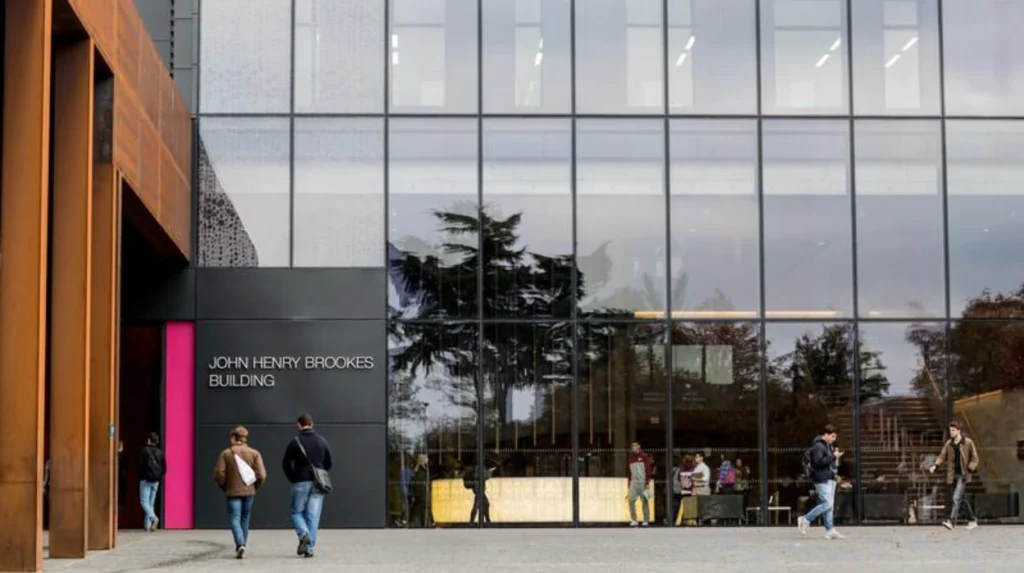
The Headington campus comprises 3 adjoining sites, including the Gipsy Lane site, the Headington Hill site, and the Marston Road site. The £132 million John Henry Brookes Building opened on the Gipsy Lane site in 2014. It contains the main library, lecture theaters, and student union services. Headington Hill Hall, built in 1856 for publisher Thomas Davenport and later leased by Robert Maxwell, forms the architectural center of the Headington Hill site.
Ruskin College relocated its complete academic operations to Headington in 2012. Founded in 1899 to provide higher education for working-class adults, the college converted the historic Hall’s Croft estate on Dunstan Road into a modern educational facility.
Secondary and Independent Schools in Headington
Headington contains 4 prominent secondary schools, including Cheney School, The Swan School, Headington Rye Oxford, and Wheatley Park School. Cheney School is a co-educational academy on Cheney Lane serving 1,500 students aged 11 to 18. It established academy status in 2013. The Swan School opened in September 2019 on Marston Ferry Road as a free comprehensive secondary school.
Headington Rye Oxford is an independent day and boarding school located on Headington Road. The school resulted from the 2023 merger between Headington School, founded in 1915, and Rye St Antony School, founded in 1930. The school educates pupils from nursery age through 18 years.
Headington contains 3 primary state schools, including St Andrew’s Church of England Primary School on London Road, Windmill Primary School on Margaret Road, and St Joseph’s Catholic Primary School on Headley Way.
What are the most notable landmarks and cultural sites in Headington?
Headington contains several famous cultural landmarks, including the Headington Shark sculpture at 2 New High Street, Holy Trinity Church in Headington Quarry, Bury Knowle Park, and The Kilns. These sites represent artistic protest, literary heritage, and public recreation.
Headington maintains an distinct architectural identity distinct from central Oxford’s university colleges. The suburb combines 19th-century industrial architecture with eccentric modern installations and preserved natural landscapes.
The Headington Shark Sculpture
The Headington Shark is Headington’s most famous modern landmark. The sculpture sits embedded head-first into the roof structure of a Victorian terraced house at 2 New High Street. Local radio presenter Bill Heine commissioned sculptor John Buckley to create the installation. Workers erected the 25-foot fibreglass sculpture on August 9, 1986. The installation coincided with the 41st anniversary of the dropping of the atomic bomb on Nagasaki. The artwork bears the formal title Untitled 1986 and serves as a political protest against nuclear weapons and military intervention.
Oxford City Council opposed the sculpture for six years, citing planning regulations. In 1992, Secretary of State for the Environment Minister Tony Baldry overturned the council’s refusal on appeal. The planning inspector ruled that the sculpture did not harm local amenity and added cultural value. In March 2022, Oxford City Council added the Headington Shark house to the Oxford Heritage Asset Register.
C.S. Lewis Heritage and Local Architecture
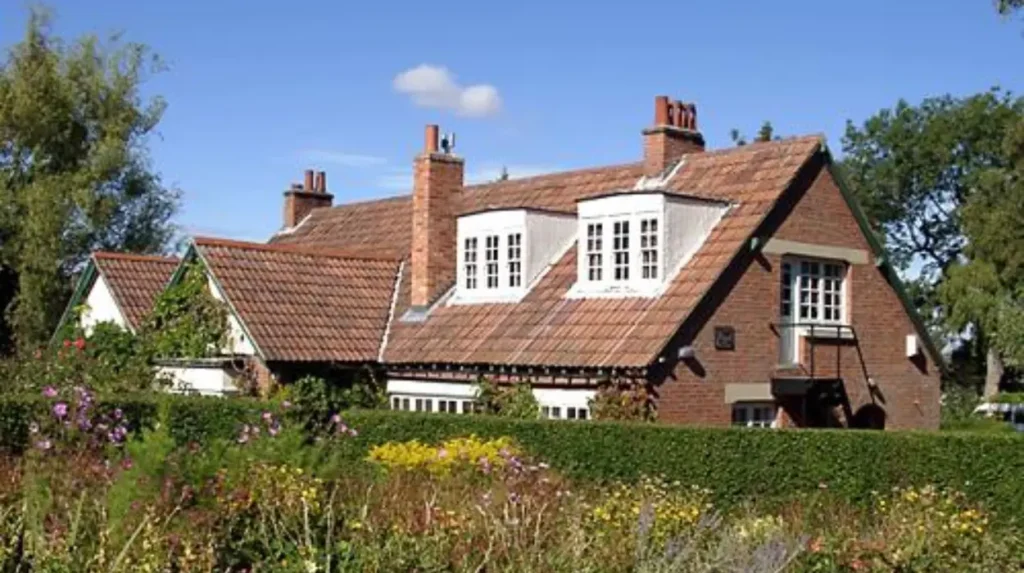
Author C.S. Lewis, who wrote The Chronicles of Narnia, lived in Headington for 33 years. Lewis purchased a property called The Kilns in Headington Quarry in 1930. He resided there until his death on November 22, 1963. The Kilns stands off Lewis Close and operates as an academic study center managed by the C.S. Lewis Foundation.
Lewis worshipped at Holy Trinity Church on Trinity Road in Headington Quarry. Architect George Gilbert Scott designed the church, which opened in 1849. Lewis lies buried in the churchyard beside his brother, Warren Lewis. In 1991, the church installed the Narnia Window, a stained-glass window designed by Sally Scott depicting scenes from Lewis’s literary works.
Bury Knowle Park is a 14-acre public park in Central Headington. The estate includes Bury Knowle House, built in 1800 by Oxford banker Joseph Lock. Oxford City Council purchased the house and grounds in 1930 to create a public park and library facility.
Explore More Area Guide
Cosy Club Opens All-Day Dining Venue at Northgate House, Oxford
Portsmouth vs Oxford United: Championship Thriller Ends in Draw at Portsmouth
How is Headington connected to Oxford city centre and regional transport networks?
Headington connects directly to Oxford city centre and London via the A420 London Road arterial corridor. Transport infrastructure includes express bus lines such as the Oxford Tube, local bus services, national coach links, and dedicated bicycle routes along Headington Hill.
Headington acts as Oxford’s primary eastern transit gateway. Its position along the A420 makes it an essential transport node for commuters, emergency services, and university transit. Oxford Daily transport tracking registers over 30,000 daily vehicular movements along London Road.
Road Infrastructure and Bus Networks
The primary road through Headington is the A420 London Road. The A420 connects central Oxford to the A40 Eastern Bypass Road and Northern Bypass Road at the Headington Roundabout. The Headington Roundabout underwent major structural redesign in 2006 to add signalized lane control to manage commuter traffic flow.
High-frequency bus routes link Headington to central Oxford and regional railway stations. The Oxford Bus Company operates routes 3, 4, 8, and 15, connecting Headington High Street to Oxford Railway Station. Stagecoach Oxfordshire operates route 8 and route 9, delivering continuous transit between Headington and central Oxford. Dedicated university bus services, such as the Brookesbus U1, move students between campuses.
Long-distance coach transportation operates directly along London Road. The Oxford Tube, operated by Stagecoach, provides a 24-hour express service connecting Headington directly to central London destinations, including Hillingdon, Shepherd’s Bush, Marble Arch, and Victoria Coach Station. Direct bus connections link Headington to Heathrow Airport and Gatwick Airport via the Airline service operated by the Oxford Bus Company.
Active Travel and Park and Ride Facilities
Headington Hill contains dedicated cycle infrastructure linking East Oxford to the University of Oxford science area. The gradient of Headington Hill reaches an 8% incline, representing one of the major physical features of Oxford’s cycling network. In 2021, Oxfordshire County Council installed low-traffic neighborhood filters in adjacent areas to prioritize active travel.
Thornhill Park and Ride sits at the eastern boundary of Headington along the A40. The facility contains 1,300 parking spaces. It reduces vehicular congestion in Headington and central Oxford by transferring commuters onto dedicated express bus lines heading to the local hospitals and city center.
What is the economic and demographic landscape of Headington today?
Headington maintains a population of approximately 30,000 residents across four electoral wards. The economy relies on medical research, higher education, healthcare services, retail commerce along London Road, and professional services, making it a key employment center.
Headington generates high employment density due to the concentration of medical and academic centers within a single square mile. The suburb maintains a demographic profile influenced by student populations, healthcare professionals, academic researchers, and long-term residents.
Demographic Breakdown and Population Structure
The United Kingdom Census of 2021 records Headington’s residential population at approximately 30,000 inhabitants. Headington spans 4 municipal wards within Oxford City Council, including Headington Ward, Headington Quarry and Risinghurst Ward, Churchill Ward, and Marston Ward.
Students enrolled at Oxford Brookes University and the University of Oxford account for 28% of Headington’s total population. International medical staff working for the Oxford University Hospitals NHS Foundation Trust contribute to high ethnic and cultural diversity. 34% of Headington residents were born outside the United Kingdom, compared to the national average of 17.4%.
Local Economy, Employment, and Retail Activity
Healthcare operates as the primary economic sector in Headington. The three NHS hospital sites employ over 12,000 physicians, nurses, researchers, and administrative personnel. Oxford Brookes University employs an additional 2,500 staff members on its Headington campuses.
The primary commercial core stretches along London Road. Headington central shopping area includes 3 major supermarket branches, including Waitrose, Sainsbury’s Local, and Tesco Express. The commercial district supports independent cafes, community banks, pharmacies, and local trade services. Headington Market operates every Saturday on London Road, selling regional produce and artisan goods.
Housing in Headington consists of Victorian stone cottages, 1930s semi-detached homes, modern apartment buildings, and student residences.
The demand for housing near hospitals and universities maintains average residential property values above the Oxfordshire county average.
The Barton Park housing development, located north of the A40 bypass, added 885 energy-efficient residential units to Headington’s housing supply between 2018 and 2025.
Headington remains a vital urban center within Oxford, balancing historic village heritage with cutting-edge medical research and higher education. Oxford Daily will continue to cover local developments, planning updates, and community news across Headington.
Where is Headington in Oxford?
Headington is a large suburb located about three miles east of Oxford city centre in Oxfordshire, England. It sits on Headington Hill overlooking the Thames Valley and is connected to central Oxford through the A420 London Road.