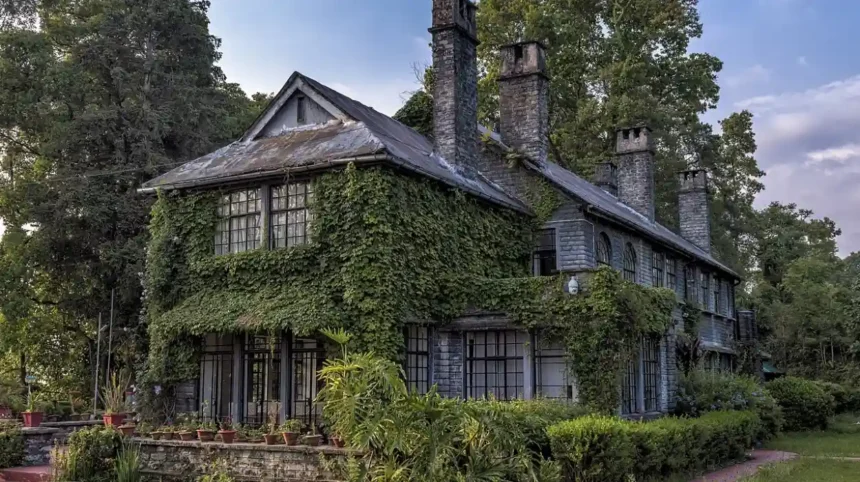
Boutique hotels in historic buildings combine localized luxury design with architectural heritage preservation by converting registered landmarks into high-end accommodations. These commercial properties deliver individualized guest experiences while protecting structural integrity, utilizing adaptive reuse strategies to maintain historical relevance globally.
- How does the historical preservation movement influence the architectural development of heritage hotels?
- What specific regulatory frameworks govern the structural adaptive reuse of registered historical landmarks?
- What operational mechanisms are necessary to maintain ancient infrastructure for high-end hospitality use?
- How do historic boutique properties generate economic value through authentic heritage tourism?
- What environmental and sustainability benefits do adaptive reuse hotel developments provide?
- What future architectural and technological trends will shape the preservation of historic hotel properties?
- FAQs About Boutique Hotels in Historic Buildings
- What actually makes a hotel boutique when it is located inside a historic building?
- Why are historic boutique hotels usually so much more expensive than modern luxury chains?
- How do old historic hotels handle modern amenities like fast Wi-Fi and good air conditioning?
- Are boutique hotels in historic buildings safe during modern emergencies like fires or earthquakes?
- Do historic boutique hotels actually benefit local communities or do they just cause gentrification?
The global hospitality sector officially categorizes boutique properties as specialized independent or soft-branded accommodations containing fewer than 100 guest rooms. Historic buildings represent permanent physical structures constructed at least 50 years ago that possess documented architectural, political, or social significance. When developers combine these two elements, they establish a distinct real estate asset class that prioritizes deep cultural immersion over standardized corporate hospitality frameworks. These unique luxury establishments exist prominently in major global urban centers (such as London, Paris, and New York) and rural preservation zones.
The integration of luxury hospitality into ancient structures relies on the principles of adaptive reuse architecture. Adaptive reuse defines the process of repurposing an existing building for a purpose other than its original design intent. This architectural methodology protects urban history while allowing buildings to remain economically self-sufficient. Notable historical examples include the transformation of 19th-century industrial textile warehouses, medieval defensive fortresses, and aristocratic residential palaces into modern hospitality venues. These structures attract high-spending international leisure travelers.
Market research data from the International Hospitality Institute in 2025 indicates that boutique heritage accommodations achieve a 22 percent premium in average daily rates compared to newly constructed luxury hotels. Consumers demand authentic environmental narratives and unique spatial layouts that modern construction cannot replicate. The structural variations in historic layouts necessitate individualized interior designs for every single room. This architectural variation eliminates the corporate uniformity found in standard hospitality chains, increasing long-term guest brand loyalty and driving direct digital reservations.
How does the historical preservation movement influence the architectural development of heritage hotels?
The historical preservation movement governs heritage hotel development by enforcing strict statutory codes that protect original structural elements during renovations. This regulatory oversight ensures that modern plumbing, electrical systems, and safety retrofits do not compromise the authentic architectural design integrity.
Historical preservation originated as a formal movement during the 19th century, driven by organizations like the Society for the Protection of Ancient Buildings founded in London in 1877. This movement establishes the philosophical and technical guidelines that modern hotel architects must follow. The primary objective is to preserve the physical fabric of historic landmarks while integrating necessary commercial infrastructure. Architects utilize reversible interventions, meaning any modern additions can be removed in the future without causing permanent damage to the original historic materials.
Preservation guidelines dictate the conservation of exterior facades and interior public spaces (such as grand ballrooms, central lobbies, and historic staircases). Developers cannot alter the external profile or material composition of these protected buildings. Consequently, structural additions like elevator shafts and climate control ducts must be concealed within existing cavities or non-historic sections. This architectural constraint requires advanced engineering solutions, which increases total development costs by 35 percent relative to conventional new-build hotel construction projects.
The preservation movement enforces the use of traditional building materials and craftsmanship techniques during restoration processes. Lime mortar, historic timber frame joints, and hand-carved stone elements replace degraded original structures. In Europe, specialized heritage consultants supervise the restoration of structures dating back to the Renaissance and Baroque eras. This rigorous adherence to historical accuracy ensures that the finished boutique hotel functions as a living museum, which elevates its market valuation and appeals to academic and cultural institutional researchers.
What specific regulatory frameworks govern the structural adaptive reuse of registered historical landmarks?
Specific regulatory frameworks include national preservation acts, local zoning ordinances, and building compliance codes that mandate the protection of designated cultural landmarks. These legal statutes dictate allowable structural modifications, accessibility standards, and financial tax incentive requirements for commercial property developers.
In the United States, the National Historic Preservation Act of 1966 establishes the legal foundation for identifying and protecting historic assets. The National Park Service manages the National Register of Historic Places, which contains over 95,000 listed properties. Developers seeking federal rehabilitation tax credits must comply with the Secretary of the Interior’s Standards for the Treatment of Historic Properties. These ten distinct standards provide strict operating rules regarding the repair, alteration, and comprehensive stabilization of historic structures.
European countries utilize different statutory frameworks, such as the Planning (Listed Buildings and Conservation Areas) Act 1990 in the United Kingdom. This legislation classifies structures into three tiers (Grade I, Grade II*, and Grade II) based on international cultural importance. Grade I buildings represent exceptional heritage assets and require national government approval for any structural modifications. Local planning authorities enforce these rules, ensuring that modern hospitality conversions comply with structural safety mandates while preserving original architectural features.
Compliance with modern safety laws presents significant legal challenges during adaptive reuse hospitality projects. The Americans with Disabilities Act of 1990 requires all public accommodations to offer equal physical access. Historic properties receive specific variances if full compliance destroys historical architectural features. Architects must implement alternative accessibility solutions (such as exterior ramp systems, specialized chair lifts, and modified ground-floor guest suites). These modifications require formal administrative review panels and official municipal engineering approval before construction begins.
What operational mechanisms are necessary to maintain ancient infrastructure for high-end hospitality use?
Maintaining ancient infrastructure requires specialized facility management protocols, continuous structural monitoring, and custom mechanical engineering installations. Luxury hotel operations must integrate modern climate control, acoustical dampening, and advanced fire suppression technology directly into sensitive historical building fabrics without causing damage.
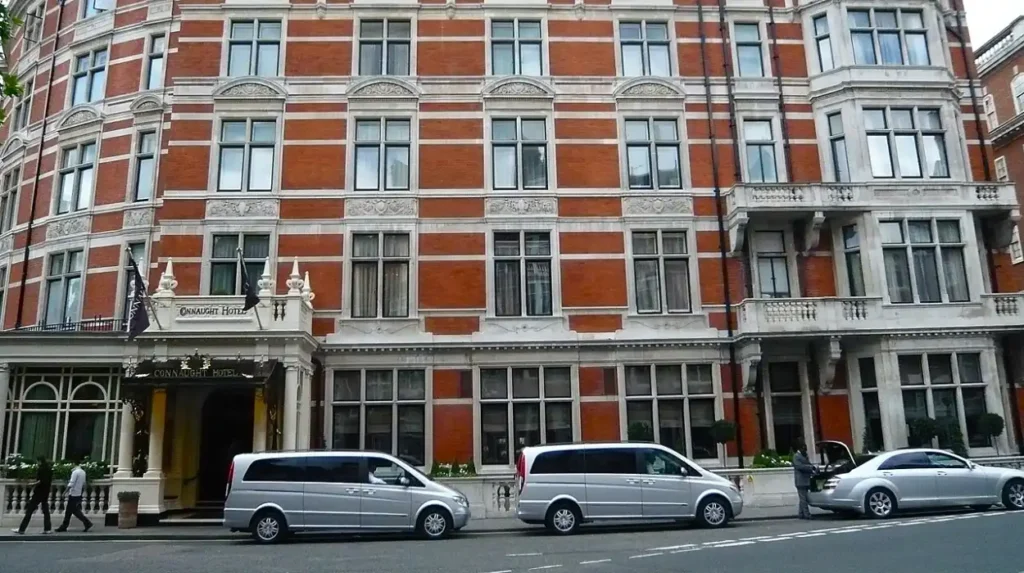
The installation of modern Heating, Ventilation, and Air Conditioning systems represents a major operational hurdle in historic structures. Traditional central ductwork requires extensive physical space that historic ceiling heights and walls do not accommodate. Engineers utilize Variable Refrigerant Flow systems, which employ small-diameter refrigerant pipes instead of bulky air ducts. This technology allows individual climate control in every guest room while preserving plasterwork ceilings from the 18th century. These systems reduce total mechanical footprint by 40 percent.
Acoustical dampening is essential to meet modern luxury hospitality standards for sound insulation between guest rooms. Ancient buildings often feature thin timber flooring or resonant masonry walls that transmit acoustic vibrations across spaces. Hoteliers install multi-layered acoustic underlayments and independent drywall partitions behind existing historic wall coverings to reduce sound transmission class ratings. This engineering intervention ensures that ambient sound levels do not exceed 30 decibels within private sleeping areas, maintaining the expected luxury environment.
Preventative maintenance programs for historic structures rely on advanced digital monitoring sensors and routine physical engineering inspections. Wireless moisture meters, structural tilt sensors, and thermal imaging cameras monitor the physical condition of ancient foundations continuously. Water infiltration represents the primary threat to timber frames and historic masonry elements. Facility managers execute specialized maintenance schedules for roofing components, stone repointing, and subterranean drainage networks to prevent catastrophic structural degradation and ensure long-term commercial operational continuity.
How do historic boutique properties generate economic value through authentic heritage tourism?
Historic boutique properties generate economic value by leveraging cultural heritage assets to command high premium pricing from affluent international leisure travelers. These specialized hospitality establishments stimulate local economies, increase average tourist spending, and create high-density employment opportunities within historic districts.
Data from the uk/world/">World Tourism Organization confirms that heritage travelers spend 50 percent more capital per day than traditional mass-market tourists. Boutique heritage hotels capitalize on this economic demographic by marketing exclusive historical narratives and architectural authenticity. These properties monetize their historical features through specialized experiential offerings (such as architectural guided tours, historical lecture series, and heritage culinary programs). This differentiation isolates the property from standard corporate price competition, ensuring stable revenue generation across volatile economic cycles.
The economic impact extends beyond the physical perimeter of the hotel into the surrounding municipal ecosystem. Historic boutique developments source assets locally, hiring regional artisans, antique restoration specialists, and agricultural food producers. This localization of the supply chain maximizes the regional economic multiplier effect, retaining capital within the immediate community. For instance, a historic country house hotel utilizes local organic farms to supply its fine dining culinary operations, directly supporting the regional agrarian workforce.
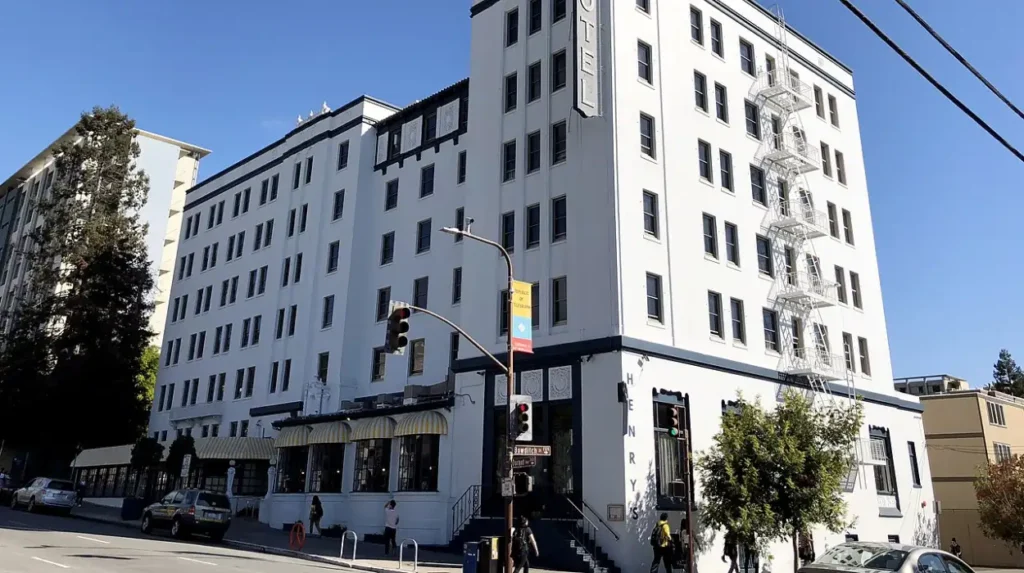
Heritage hotels act as anchor institutions for comprehensive urban regeneration projects in neglected historic districts. The establishment of a luxury hospitality property increases local real estate valuations and attracts secondary commercial investments (such as art galleries, boutique retail shops, and high-end restaurants). Municipal governments utilize these commercial transformations to rebuild local tax bases without destroying urban architectural heritage. This real estate strategy has revived historic city centers across Western Europe and North America since 2010.
What environmental and sustainability benefits do adaptive reuse hotel developments provide?
Adaptive reuse hotel developments provide significant environmental benefits by preserving the embodied carbon stored within existing structural materials. Repurposing historic buildings reduces total industrial construction waste, lowers raw material consumption, and decreases emissions relative to modern new building development projects.
Embodied carbon refers to the total greenhouse gas emissions generated during the extraction, manufacture, transportation, and assembly of building materials. The Environmental Protection Agency notes that constructing a new commercial building requires immense energy and releases substantial carbon dioxide. Retaining the foundations, exterior brickwork, and primary support beams of an old building saves up to 80 percent of the embodied carbon compared to demolition and reconstruction. This preservation represents an immediate climate benefit.
Ancient architecture often incorporates passive sustainability features (such as thick masonry walls, high ceilings, and operable windows). Historic structures constructed prior to the widespread availability of electricity feature these elements to manage environmental conditions naturally. These architectural design components provide natural thermal mass insulation, which stabilizes indoor temperatures throughout the year. Consequently, these properties reduce the energy required for mechanical cooling during summer and heating during winter, lowering long-term operating costs significantly.
Adaptive reuse projects divert significant amounts of solid material from municipal waste management facilities. Demolition processes account for over 90 percent of total construction and demolition debris globally. By preserving historic infrastructure, developers prevent thousands of tons of concrete, timber, and brick from entering landfills. Furthermore, modern certifications (such as Leadership in Energy and Environmental Design) provide specific pathways for historic preservation projects, allowing these heritage assets to achieve high sustainability ratings.
What future architectural and technological trends will shape the preservation of historic hotel properties?
Future trends in historic hotel preservation involve integrating advanced artificial intelligence systems, smart building automated controls, and virtual reality interfaces. These emerging technologies enable facility managers to enhance operational efficiency and personalize guest services without altering sensitive historic building fabrics.
Artificial intelligence algorithms optimize modern energy usage patterns within ancient building frameworks by analyzing historical climate data and real-time room occupancy. Smart thermostat devices adjust room temperatures dynamically, eliminating energy waste in vacant guest suites. Wireless Internet of Things sensors monitor ambient humidity levels and structural stress fractures continuously, allowing automated facility alerts before physical damage manifests. These digital solutions allow historic properties to match the technological efficiency of contemporary constructions.
Virtual reality and augmented reality technologies transform the guest experience and structural archiving methodologies simultaneously. Architects utilize three-dimensional laser scanning systems (such as Light Detection and Ranging) to construct exact digital replicas of historic structures prior to conducting structural interventions. This precise documentation protects architectural history if physical damage occurs. Furthermore, guests utilize smartphone applications to view historical overlays of the hotel property, visualizing the building’s evolution through different historical eras.
The future relevance of heritage hospitality depends on the continuous evolution of adaptive reuse engineering techniques. Transparent solar window glass and ultra-thin insulation panels allow historic properties to meet strict zero-emission municipal laws without altering original facades. Collaborative frameworks between state preservation offices and private hospitality firms ensure that historic buildings remain economically viable assets. This continuous integration of cutting-edge technology preserves tangible cultural heritage for future global generations.
FAQs About Boutique Hotels in Historic Buildings
What actually makes a hotel boutique when it is located inside a historic building?
A boutique historic hotel combines a small structural inventory of under 100 rooms with localized luxury and deeply customized architectural designs. Instead of utilizing standardized corporate layouts, these properties adapt to the original floor plans of the preserved landmark. This ensures that every guest room features unique spatial characteristics, historical narratives, and bespoke furnishings that reflect regional heritage.
Why are historic boutique hotels usually so much more expensive than modern luxury chains?
The premium pricing stems from massive capital expenditures required for structural preservation, adaptive reuse engineering, and continuous specialized facility maintenance. Compliance with strict national heritage laws prevents cheap modifications, forcing developers to hire expensive regional artisans and use traditional building materials. Additionally, their limited room capacity reduces overall supply, allowing them to command higher average daily rates from affluent cultural travelers.
How do old historic hotels handle modern amenities like fast Wi-Fi and good air conditioning?
Engineers route advanced technological infrastructure through existing wall cavities, historic floorboard gaps, and non-structural spaces to protect original architectural fabrics. Instead of installing bulky traditional ductwork, these properties utilize low-profile Variable Refrigerant Flow climate systems alongside strategically hidden wireless internet access points. This meticulous integration delivers premium modern comfort, high-speed digital connectivity, and optimal acoustic dampening without altering historic plasterwork or exterior facades.
Are boutique hotels in historic buildings safe during modern emergencies like fires or earthquakes?
Yes, because municipal regulatory frameworks mandate that commercial hospitality properties pass rigorous structural stability, fire safety, and modern seismic retrofitting inspections before opening. Developers install concealed automated fire suppression systems, emergency exit pathways, and reinforced steel support beams hidden directly within the ancient masonry networks. While they receive minor variances to preserve historical aesthetics, their core infrastructure complies with strict public safety laws.
Do historic boutique hotels actually benefit local communities or do they just cause gentrification?
These properties drive sustainable economic value by acting as preservation anchors that restore neglected historic districts and fund local architectural conservation. They prioritize localized supply chains by hiring regional hospitality workforces, sourcing goods from nearby agricultural producers, and contracting local historical preservation experts. While property values often rise, this targeted heritage tourism generates substantial tax revenue that municipal governments utilize to improve public infrastructure.