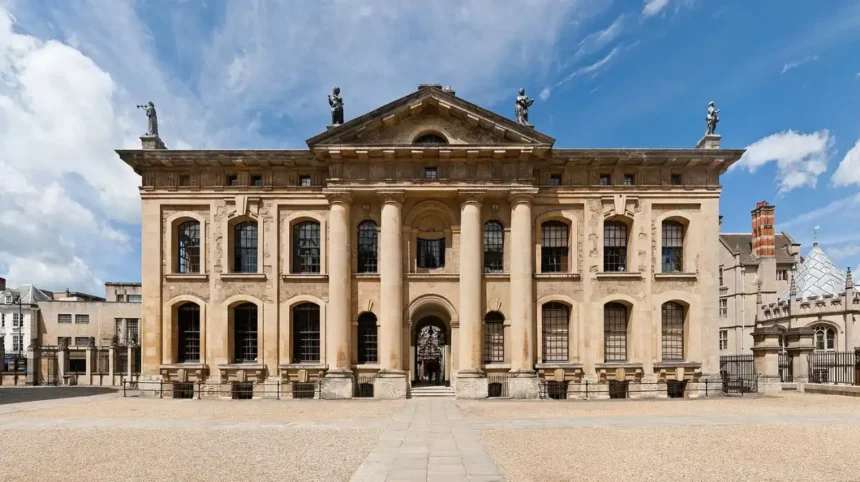
Lewis Carroll’s Alice inspirations in Oxford originated from real people, specific locations, and academic environments in 19th-century Oxford. The story of Alice’s Adventures in Wonderland reflects Oxford’s landscapes, social circles, and intellectual culture through documented historical connections.
- Who was Lewis Carroll, and how is he connected to Oxford?
- Who was the real Alice, and what was her role in the story’s creation?
- Which locations in Oxford inspired scenes in Alice’s Adventures in Wonderland?
- How did Oxford’s academic culture influence the themes of the book?
- What real people from Oxford influenced characters in the story?
- How did Victorian society in Oxford shape the narrative?
- What role did the River Thames play in the creation of the story?
- How did Lewis Carroll transform real Oxford elements into fantasy?
- Why does Oxford remain central to understanding Alice’s Adventures in Wonderland?
Who was Lewis Carroll, and how is he connected to Oxford?
Lewis Carroll, born Charles Lutwidge Dodgson in 1832, was a mathematician, logician, and author who lived and worked in Oxford for most of his life. His academic role at Christ Church directly shaped the setting, characters, and intellectual themes of Alice’s Adventures in Wonderland.
Lewis Carroll served as a lecturer in mathematics at Christ Church, Oxford, from 1855. Christ Church is a constituent college of the University of Oxford, one of the oldest universities in the world, founded in the 12th century.
Carroll’s daily life involved teaching, writing mathematical texts, and engaging with academic peers. His logical training influenced the structured absurdity and linguistic puzzles found in Alice’s Adventures in Wonderland, published in 1865. Oxford’s intellectual culture emphasized logic, debate, and classical education, which shaped Carroll’s narrative techniques.
Christ Church provided both a professional and social environment. The college housed faculty families, including the Liddell family, who played a central role in the creation of Alice’s story. This direct social interaction between academia and domestic life created the foundation for Carroll’s literary work.
Oxford in the mid-19th century was a hub of reform, education, and cultural development. The Oxford Movement and academic modernization influenced intellectual discourse. Carroll’s exposure to these developments contributed to the philosophical undertones in his writing.
Who was the real Alice, and what was her role in the story’s creation?
Alice Liddell, daughter of the Dean of Christ Church, was the real child who inspired the character of Alice. Carroll created the original story during a boat trip in 1862, specifically to entertain her and her sisters.
Alice Liddell was born in 1852 to Henry Liddell, Dean of Christ Church. She frequently interacted with Carroll, who was part of the same academic community. Their relationship was documented through photographs, letters, and diaries.
On July 4, 1862, Carroll took Alice and her sisters, Lorina and Edith, on a rowing trip along the River Thames near Oxford. During this outing, he narrated a story about a girl named Alice who falls into a fantastical world. This oral story became the foundation of Alice’s Adventures in Wonderland.
Alice Liddell later requested a written version of the story. Carroll completed a manuscript titled “Alice’s Adventures Under Ground” in 1864 and gifted it to her. This manuscript evolved into the published book in 1865 after editorial revisions and illustrations by John Tenniel.
The connection between Alice Liddell and the fictional Alice is supported by historical documentation. However, the fictional character incorporates imaginative elements beyond a direct portrait. Carroll combined real personality traits with narrative creativity.
Which locations in Oxford inspired scenes in Alice’s Adventures in Wonderland?
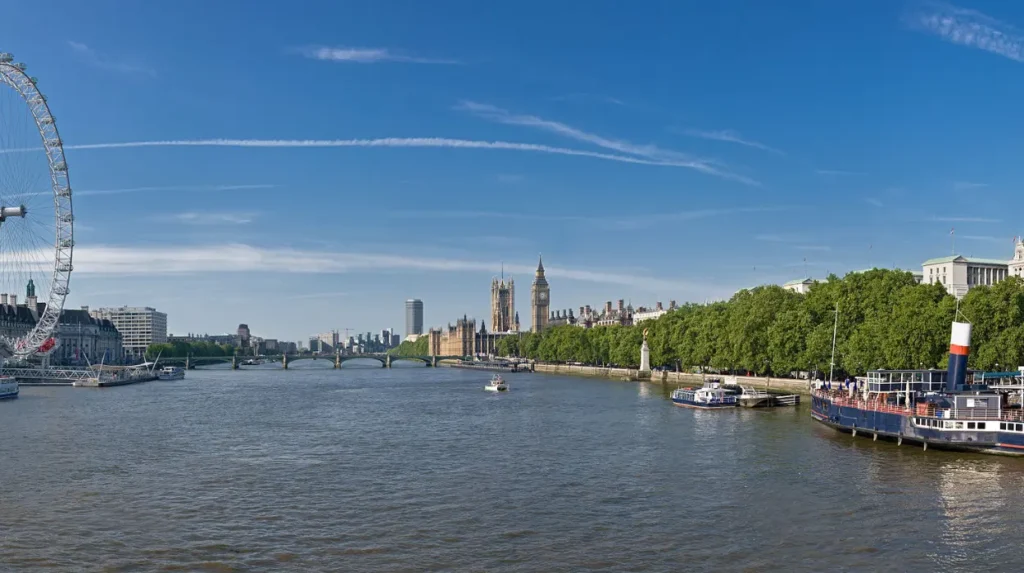
Several Oxford locations directly influenced the settings in Alice’s Adventures in Wonderland, including Christ Church, the River Thames, and the Botanic Garden. These places provided visual and environmental references for the story’s landscapes and scenes.
Oxford contains multiple identifiable sites linked to the story. Christ Church’s architecture influenced visual depictions of grand halls and structured environments. The dining hall, with its long tables and formal setting, resembles scenes involving order and hierarchy.
The River Thames, known locally as the Isis in Oxford, served as the setting for the original storytelling journey. The calm waterways and surrounding meadows contributed to the narrative’s opening context.
Oxford Botanic Garden, established in 1621, is one of the oldest scientific gardens in the world. Its diverse plant life and enclosed design influenced the imaginative gardens described in the story.
Other locations include Addison’s Walk, a scenic path near Magdalen College, and the Oxford countryside. These environments provided sensory details such as winding paths, unusual plants, and quiet natural spaces.
The integration of real landscapes into fictional settings reflects Carroll’s observational approach. He transformed familiar Oxford scenes into surreal environments by altering scale, logic, and narrative rules.
How did Oxford’s academic culture influence the themes of the book?
Oxford’s academic environment influenced the logical structure, linguistic play, and philosophical themes in Alice’s Adventures in Wonderland. Carroll’s background in mathematics and logic directly shaped the narrative’s paradoxes, riddles, and structured absurdity.
Carroll specialized in symbolic logic, a branch of mathematics dealing with formal systems and reasoning. This expertise is evident in the book’s use of paradoxes, such as the Mad Hatter’s riddles and the Queen’s contradictory commands.
The academic culture at Oxford emphasized classical education, including Latin, Greek, and rhetoric. This focus contributed to Carroll’s use of wordplay, puns, and linguistic experimentation. Examples include altered nursery rhymes and invented words.
Oxford debates and scholarly discussions often explored abstract concepts. Carroll incorporated these intellectual traditions into dialogues between characters. Conversations in the book frequently follow logical structures but lead to illogical conclusions.
Victorian-era education also emphasized moral instruction. Carroll subverted this expectation by presenting nonsensical lessons and unpredictable outcomes. This approach challenged conventional storytelling norms.
The combination of formal logic and imaginative storytelling created a unique literary style. This style remains influential in both children’s literature and philosophical writing.
What real people from Oxford influenced characters in the story?
Several characters in Alice’s Adventures in Wonderland were inspired by real individuals from Oxford, including members of the Liddell family and Carroll’s colleagues. These influences are supported by historical interpretations and contextual analysis.
The character of Alice is directly linked to Alice Liddell. Her sisters, Lorina and Edith, are believed to have influenced other child characters in Carroll’s early storytelling versions.
The Dodo character is widely interpreted as a representation of Carroll himself. Carroll had a stammer and pronounced his surname as “Do-do-dodgson,” which led to this symbolic inclusion.
The White Rabbit reflects Victorian punctuality and social structure. While not tied to a specific individual, it represents the time-conscious culture of Oxford academics.
The Queen of Hearts embodies authoritarian behavior. Scholars associate this character with exaggerated traits of strict authority figures present in Victorian society.
Faculty members and acquaintances from Christ Church contributed indirectly to character traits. Carroll’s interactions within academic and social circles provided behavioral models for fictional personalities.
These character inspirations demonstrate how real social environments can inform literary creation. Carroll used observation and abstraction to develop memorable figures.
How did Victorian society in Oxford shape the narrative?
Victorian society in Oxford influenced the social structure, behavior, and themes in Alice’s Adventures in Wonderland. The book reflects strict class systems, formal etiquette, and emerging intellectual movements present during the mid-19th century.
Oxford in the 1800s operated within a rigid class hierarchy. Academic elites, clergy, and students formed distinct social groups. This structure is mirrored in the hierarchical interactions between characters in the story.
Victorian etiquette emphasized manners, discipline, and proper conduct. Carroll incorporated these norms into exaggerated scenarios, highlighting their rigidity through absurd situations.
The period also saw rapid developments in science and logic. Advances in mathematics, including symbolic logic, influenced Carroll’s narrative techniques.
Children’s literature during the Victorian era often contained moral lessons. Carroll diverged from this tradition by focusing on imagination and intellectual play rather than direct instruction.
The cultural environment of Oxford combined tradition with innovation. This duality is reflected in the story’s balance between structured logic and imaginative freedom.
What role did the River Thames play in the creation of the story?
The River Thames in Oxford served as the physical setting for the original storytelling event that led to Alice’s Adventures in Wonderland. The 1862 boat trip provided the narrative framework and initial inspiration for the story.
River Thames flows through Oxford, where it is locally called the Isis. On July 4, 1862, Carroll and his colleague Reverend Robinson Duckworth took the Liddell sisters on a rowing excursion.
During this journey, Carroll began narrating a story to entertain the children. The relaxed environment allowed for spontaneous creativity and audience interaction.
The river’s slow movement and surrounding natural scenery contributed to the imaginative tone of the narrative. Elements such as falling, drifting, and transitions between spaces reflect the fluid nature of the river setting.
The boat trip lasted several hours, providing sufficient time for Carroll to develop characters and plot elements. Alice Liddell’s request for a written version ensured the story’s preservation.
The River Thames thus represents both a literal and symbolic origin point. It connects the real-world environment to the fictional journey of Alice.
How did Lewis Carroll transform real Oxford elements into fantasy?
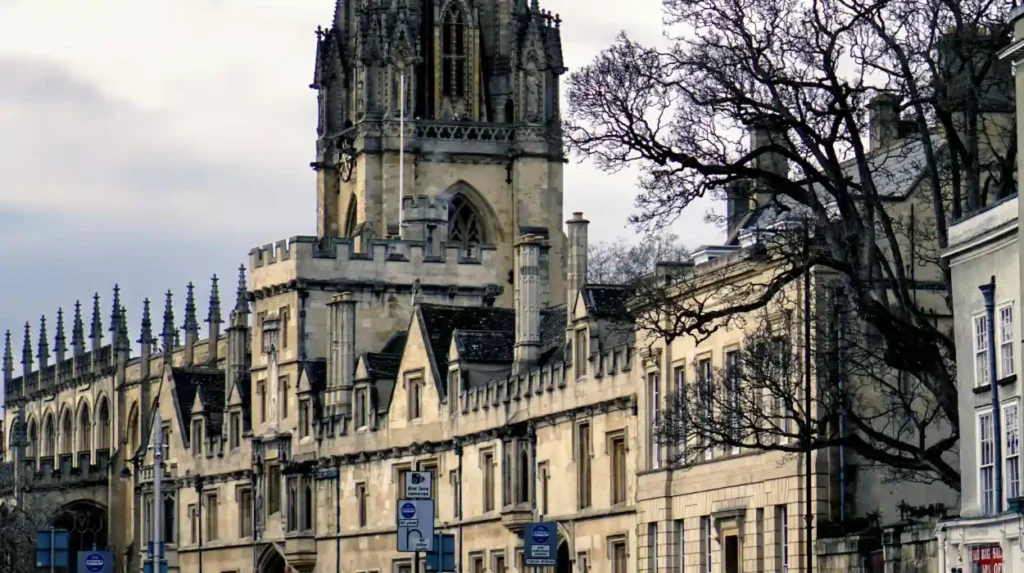
Lewis Carroll transformed real Oxford elements into fantasy by altering scale, logic, and context while retaining recognizable features. He combined observation with imagination to create a surreal world rooted in familiar environments and social structures.
Carroll observed everyday details in Oxford, including architecture, people, and nature. He then modified these elements through exaggeration and inversion. For example, ordinary gardens became fantastical spaces with unusual rules.
Scale distortion is a key technique. Objects and characters change size, reflecting shifts in perspective. This concept aligns with mathematical ideas about proportion and relativity. Logical inversion plays a central role. Conversations follow structured reasoning but lead to illogical outcomes. This approach reflects Carroll’s expertise in symbolic logic.
Contextual transformation involves placing familiar elements in unfamiliar situations. A tea party becomes chaotic, and authority figures behave unpredictably. Carroll’s method demonstrates a systematic approach to creativity. He used real-world inputs and applied consistent transformations to generate a cohesive fantasy narrative.
Why does Oxford remain central to understanding Alice’s Adventures in Wonderland?
Oxford remains central to understanding Alice’s Adventures in Wonderland because it provides the historical, geographical, and intellectual context for the story’s creation. The city’s people, places, and culture are directly embedded in the narrative’s structure and themes.
Oxford’s role extends beyond inspiration. It defines the conditions under which the story was conceived, written, and published. The presence of Christ Church and the University of Oxford established Carroll’s professional identity.
The city’s landscapes, including the River Thames and the Botanic Garden, contributed to the visual and sensory elements of the story. These locations remain preserved and accessible today.
Oxford’s academic culture shaped the intellectual framework of the narrative. Logical reasoning, linguistic experimentation, and philosophical inquiry are central features of the book.
Historical documentation, including Carroll’s diaries and letters, confirms these connections. Institutions such as the British Library and Oxford archives maintain primary sources related to the story’s development.
Oxford continues to attract scholars and tourists interested in literary history. Its association with Alice’s Adventures in Wonderland reinforces its cultural significance.
Where did Tolkien live in Oxford?
J.R.R. Tolkien lived in Oxford for many years, primarily at Northmoor Road in North Oxford. He also worked at the University of Oxford as a professor and spent significant time at Merton College, Oxford, where he held an academic chair.
What syndrome did Lewis Carroll have?
Lewis Carroll is often associated with Alice in Wonderland syndrome, a perceptual disorder named after his work. However, there is no confirmed diagnosis during his lifetime, and the condition was identified later based on descriptions of visual distortions similar to those in his writing.
Why is Alice in Wonderland connected to Oxford?
Alice in Wonderland is directly connected to Oxford because it was created by Lewis Carroll while he lived and worked at Christ Church, Oxford. The character Alice Liddell and several real Oxford locations, including the River Thames, inspired the story’s origin and setting.
Who is the most famous professor at Oxford?
Oxford has many famous professors, including Stephen Hawking and J.R.R. Tolkien. While no single “most famous” professor exists, Tolkien is widely recognized for his literary influence, and Hawking for his groundbreaking contributions to physics.
Which college has the best dorms at Oxford?
At the University of Oxford, colleges such as Christ Church Oxford, St John’s College Oxford, and Magdalen College Oxford are often noted for high-quality accommodation. Dorm quality varies by building, with many historic colleges offering a mix of traditional and modern rooms.