Key Points
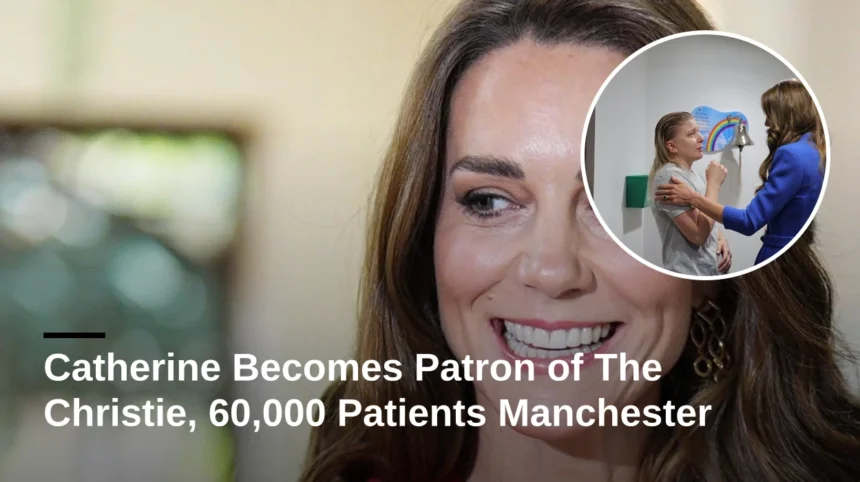
- Catherine, Princess of Wales, has become patron of The Christie and The Christie Charity in Manchester.
- The Christie treats more than 60,000 patients each year and serves about 3.2 million people across Greater Manchester and surrounding areas.
- Catherine visited the centre’s Withington site in June and met patient Claire Lorente after her chemotherapy treatment.
- Her 30-minute documentary, Heal, is due to premiere on BBC One and BBC iPlayer on November 29, 2026.
- The Christie’s chief executive, Roger Spencer, welcomed the appointment and highlighted its person-centred care.
Manchester (Oxford Daily) November 27, 2026 – Catherine, Princess of Wales, has become patron of The Christie NHS Foundation Trust and The Christie Charity in Manchester, following a June visit to the specialist cancer centre and ahead of the broadcast of her documentary, Heal. The appointment links the Princess’s public work after her own cancer diagnosis with the centre’s clinical and holistic support for patients and families.
As reported by The National, Catherine said she was “delighted” to become patron and would support the people who make a difference to patients and their families. The Princess said The Christie’s commitment to caring for the whole person, alongside its clinical expertise, made it “an extraordinary place”.
Why has Catherine become patron of The Christie?
The appointment was announced by Kensington Palace on November 27, according to reports by The Daily Mail, The National and GB News. Catherine will serve as patron of both The Christie NHS Foundation Trust and the charity supporting its work.
The Christie is described by the centre and media reports as one of Europe’s leading cancer hospitals. It provides specialist services including chemotherapy, radiotherapy, proton beam therapy and complex cancer surgery, while also offering free support such as art sessions, a wellbeing garden and chaplaincy services.
What happened during Catherine’s visit to The Christie?
Catherine visited The Christie’s Withington site in June, where she joined a hospital ward celebration for Claire Lorente, a 30-year-old mother who had completed chemotherapy. The Princess hugged Lorente and encouraged her to ring the treatment bell, a tradition marking the end of therapy.
Roger Spencer, chief executive of The Christie, said the organisation was honoured to welcome Catherine and was delighted that she had become patron of the trust and its charity. Spencer said her interest in person-centred care had inspired patients and staff and that the centre looked forward to highlighting the expert and compassionate care delivered by its colleagues.
What will Catherine’s documentary Heal show?
Heal is a 30-minute documentary exploring life after a cancer diagnosis and the ways people find comfort, strength and hope during serious illness. A trailer shows Catherine undertaking the Three Peaks Challenge and reflecting on her own experience alongside people managing health journeys.
Reports by The National and Yahoo News UK said the Princess describes cancer as something that “changes you” and says people are not meant to carry life’s challenges alone. The programme is scheduled to premiere on BBC One and BBC iPlayer on November 29, with international broadcasts expected later.
What is the background to Catherine’s cancer-related work?
Catherine announced in January 2025 that she was in remission after receiving chemotherapy for an undisclosed form of cancer. Reports by GB News and The Scottish Sun said she had been treated at The Royal Marsden and became joint patron of the Royal Marsden NHS Foundation Trust alongside Prince William.
Her appointment at The Christie adds to her public support for cancer patients, families and healthcare workers. The documentary focuses on life beyond diagnosis and complements her existing connection with The Royal Marsden.
The Christie cares for more than 60,000 patients annually and serves a population of about 3.2 million people in Greater Manchester and nearby areas. Its support model combines specialist treatment with services intended to address patients’ emotional, practical and spiritual needs.
How could the patronage affect patients and cancer care?
Catherine’s role could raise public awareness of The Christie’s specialist treatment and wider support services, while drawing attention to the experiences of patients and carers. Her documentary may also encourage more open discussion about recovery, emotional support and life after cancer treatment.
Spencer said the Princess’s support would help shine a spotlight on the care provided by staff. The practical impact of the appointment will depend on the charity’s future programmes and fundraising activity, but the centre has confirmed that Catherine’s focus aligns with its person-centred approach.