Key points
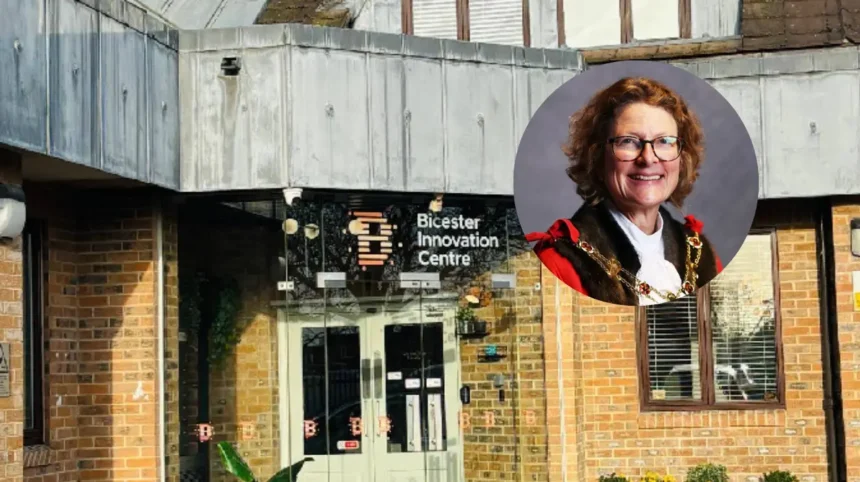
- Councillor Dr Paul Wheatley has been sworn in as the new mayor of Bicester, Oxfordshire, at the annual Mayor Making ceremony.
- Dr Wheatley, a Liberal Democrat representative, has named two local charities as his official mayoral beneficiaries for the coming civic year.
- The chosen charities are Forget‑me‑not Bicester and Bicester Autism/ADHD, both voluntary organisations supporting residents within the town.
- The Mayor Making event took place on Monday, May 11, 2026 at Whitelands Farm Sports Ground, Bicester Town Council’s usual venue for the civic ceremony.
- In his first public statements as mayor, Dr Wheatley has committed to raising awareness and fundraising for the two charities during his 12‑month term.
Bicester(Oxford Daily)May 18, 2026-Liberal Democrat councillor Dr Paul Wheatley has pledged his support to two local charities as he officially takes on the role of Bicester’s new mayor. The announcement was made at the annual Mayor Making ceremony held on Monday, 11 May 2026 at Whitelands Farm Sports Ground, where Dr Wheatley was sworn in as the town’s latest civic head.
As reported by Oxfordshire Guardian, councillor Paul Wheatley was formally sworn in as Bicester’s mayor at the 2026 Mayor Making ceremony, marking the start of his 12‑month term. The service followed the standard agenda of the Mayor Making event, including the formal appointment of the deputy mayor and the presentation of mayoral insignia.
According to Yahoo News (UK), Dr Wheatley named Forget‑me‑not Bicester and Bicester Autism/ADHD as his chosen mayoral charities for the year. The two organisations are described as local, community‑based groups that provide tailored support to vulnerable residents, including those living with neurodivergent conditions and those affected by dementia or related illnesses.
In remarks conveyed through the coverage by Yahoo News, Dr Wheatley stated that his goal over the coming year is to raise both funds and public awareness for these charities. He is expected to participate in local events, school visits, and community gatherings while wearing the mayoral chain, using the position to highlight the work of the organisations.
The Mayor Making ceremony itself is a longstanding civic tradition in Bicester, bringing together councillors, local groups and members of the public to mark the start of the new mayoral year. The event at Whitelands Farm Sports Ground in Launton Road is typically attended by previous mayors and community leaders, reinforcing the continuity of local governance.
Community members who attended the ceremony, as noted by Oxfordshire Guardian, have welcomed the new mayor’s focus on charities. Resident groups and voluntary organisations have taken to social media to send congratulations to Dr Wheatley, with posts highlighting his long‑standing involvement in local politics and community work.
Local coverage on the Bicester Town Council website indicates that the Mayor Making agenda also includes the presentation of the “Good Citizen” awards, further underlining the council’s emphasis on community engagement. The ceremony is scheduled well in advance and is listed on the council’s public events page, which invites residents to attend.
For the charities, the mayoral endorsement is expected to bring additional visibility and support. As described by Yahoo News, Forget‑me‑not Bicester focuses on supporting individuals and families affected by memory‑related conditions, often through café sessions, befriending and information services. Bicester Autism/ADHD, meanwhile, provides advocacy, signposting and peer support for people on the autism spectrum and those diagnosed with ADHD, as well as their carers.
The new mayor’s civic role includes chairing full council meetings, representing the town at public events, and acting as a ceremonial figurehead for local governance. In that capacity, Dr Wheatley is expected to make regular appearances at markets, school assemblies, and remembrance events, where he may also promote fundraising initiatives linked to his chosen charities.
Residents and local businesses have been encouraged to come forward with sponsorship ideas and fundraising activities during the mayoral year, in line with previous practice for mayors who have adopted charity beneficiaries.
What has Dr Wheatley pledged to the charities?
Dr Wheatley’s pledge, as outlined in the Yahoo News report, centres on raising funds and strengthening public awareness of the work done by Forget‑me‑not Bicester and Bicester Autism/ADHD. He has indicated that over the course of his mayoral year he will invite local groups, businesses and schools to host events or donate proceeds to the organisations.
The report notes that the nature of the support will largely depend on what is practical and sustainable for the charities, rather than imposing fixed targets. For example, the mayor may attend charity coffee mornings, walks or community fairs while on duty in his official capacity, using the visibility of the mayoral chain to draw attention to the causes.
In addition, the article explains that the charities may be invited to speak at civic events or provide information stalls at town‑centred activities, subject to scheduling and the council’s event plan. Such opportunities can help the organisations reach new volunteers and donors within the Bicester area and surrounding wards.
How will the charities benefit from the mayoral support?
For Forget‑me‑not Bicester, the Yahoo News coverage describes how mayoral backing could help the charity expand its outreach and secure additional resources for memory‑support services. The organisation reportedly relies heavily on volunteers and small‑scale fundraising, so heightened public awareness through the mayor’s platform may lead to more contributions and participation.
Similarly, Bicester Autism/ADHD is portrayed in the report as a largely volunteer‑run group that offers emotional support and practical guidance to families and individuals navigating diagnosis and daily life challenges. The article notes that the charity often works with schools and local agencies to disseminate information, and that the mayoral endorsement could help it gain more space in community events and council‑linked forums.
The report also suggests that the charities may be invited to co‑design or headline specific events during the mayoral year, such as themed “awareness” or “information” days in Bicester. Such events can serve both as fundraising opportunities and as touchpoints for residents who may be unaware of the support available.
Background to the mayoral charity tradition in Bicester
Bicester’s practice of mayors selecting one or more charities each year is framed in local media as a long‑standing civic custom. Past mayors have chosen beneficiaries in areas such as education, youth work, and health and welfare, reflecting the diversity of community needs across the town.
Reports from previous years, such as coverage of former mayor Nicholas Mawer in Cherwell Valley Today News, show that mayors typically use their 12‑month term to organise charity‑linked events in partnership with local schools, businesses and community groups. These efforts are often promoted through the Bicester Town Council website and local news outlets, which help mobilise donations and volunteers.
The Mayor Making ceremony, held at Whitelands Farm Sports Ground, is also historically tied to the announcement of the new mayor’s chosen charities. The event usually falls in May to coincide with the annual town council elections and the formal start of the civic year, ensuring public visibility for the new mayor’s pledges.
H2
Prediction: How this mayoral pledge could affect residents and voluntary groups
For Bicester residents, the new mayor’s charity pledge is likely to increase the visibility of support services for neurodivergent individuals and those affected by memory‑related conditions. Families who may not have previously engaged with Forget‑me‑not Bicester or Bicester Autism/ADHD may learn of the organisations through mayoral‑linked events, school notices or local media coverage.
For local voluntary groups and charities more broadly, the development may encourage other organisations to seek civic partnerships or apply to be chosen as future mayoral beneficiaries. If Dr Wheatley’s fundraising and awareness‑raising activities achieve measurable results, subsequent mayors could be motivated to adopt similar approaches, reinforcing the idea of the mayorship as a channel for community‑based philanthropy.
Residents and small businesses may also perceive the mayoral pledge as a sign of continuity in local governance, linking the ceremonial role of the mayor with tangible community impact. This could, in turn, strengthen public trust in the town council’s effort to support local charities and voluntary organisations during a period of ongoing financial and social pressure.