Key Points
- Channel 4 will broadcast Huw Edwards – Guilty on Tuesday, December 1, at 9pm.
- Channel 4 says the documentary holds Huw Edwards to account and includes questions about his criminal actions and abuse of power.
- Rosie Duffield and government ministers have criticised the programme, citing possible harm to victims and their families.
- The Observer is also releasing a five-part podcast about Edwards’ downfall, based on interviews and court documents.
- Edwards pleaded guilty to three counts of making indecent images of children and received a suspended six-month prison sentence.
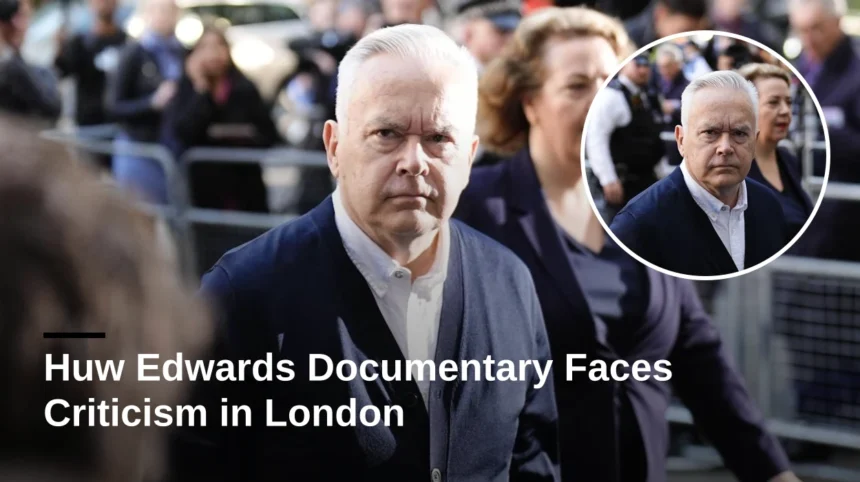
London (Oxford Daily) November 27, 2026 – Channel 4 has defended its decision to broadcast a documentary featuring former BBC presenter Huw Edwards, saying the film holds him to account over his criminal actions, abuse of power and public downfall. Huw Edwards – Guilty is scheduled to air on Tuesday, December 1, at 9pm, after criticism from politicians who questioned whether the programme could retraumatise victims and their families.
Why does Channel 4 say the documentary holds Huw Edwards to account?
As reported by ITV News, a Channel 4 spokesperson said the broadcaster had an established reputation for making forensic documentaries about challenging and controversial matters of public interest. The spokesperson said Edwards had never publicly answered questions about his criminal actions and abuse of power.
“In this film a highly experienced director holds him to account, with no questions off limits,” the spokesperson said.
Channel 4 said the documentary reveals Edwards’ account of what led to his offending and his public downfall. The broadcaster’s announcement described the programme as the first time Edwards would publicly face questions about his criminal actions, betrayal of public trust and abuse of power.
Director Patrick Forbes said the film examined celebrity culture, media power, crime and punishment. Senior commissioning editor Sacha Mirzoeff said the documentary was intended to seek answers from a man trying to come to terms with his abuse of power.
What criticism has the documentary received?
Independent MP Rosie Duffield told BBC Newsnight that commissioning the documentary was a “bizarre decision”. She questioned why viewers, victims and victims’ families needed to watch Edwards discuss his response to the abuse of power.
Duffield said the programme could be “incredibly traumatic” for victims, particularly because the crimes involved children. She said she did not think viewers needed to see or hear from Edwards at this time.
Government minister Anna Turley told LBC she was “deeply uncomfortable” with the interviews and said Edwards was among public figures who had been given a “free pass”. Environment minister Emma Hardy told LBC’s Nick Ferrari At Breakfast that she could not support Channel 4’s decision and would not watch the programme.
A trailer shows Edwards being interviewed at home in rural Wales. In one exchange, he objects to being asked to analyse what he was doing, while another part features him discussing advice to remain silent.
What is known about Huw Edwards’ conviction?
Edwards pleaded guilty to three counts of making indecent images of children, including 41 photographs shared through WhatsApp. Seven images were classified in the most serious category. He received a six-month prison sentence suspended for two years.
His criminal case followed a July 2023 report by The Sun alleging that a senior BBC presenter had paid a teenager for sexual pictures. Edwards’ wife later identified him as the presenter at the centre of the allegations. He subsequently left his role as one of the BBC’s most prominent news presenters.
Before his downfall, Edwards presented BBC News programmes including News at Ten and reported major national events, including the death of Queen Elizabeth II.
What is the Observer podcast about?
The Observer has announced a five-part podcast, What Happened To Huw Edwards, examining the former BBC presenter’s career and conviction. The Observer said its reporting draws on interviews with Edwards, friends, former colleagues and lawyers, alongside readings of court documents.
The podcast is scheduled for release from Tuesday, alongside the Channel 4 documentary. Its stated focus is the circumstances surrounding what The Observer described as one of the most prominent public downfalls in recent years.
How could the documentary affect Channel 4’s audience?
The programme is likely to divide Channel 4’s audience between viewers seeking an account of Edwards’ conduct and those concerned that broadcasting his perspective gives him renewed prominence. Channel 4’s stated approach is to use questioning and documentary scrutiny to examine his actions, while critics argue that the programme’s subject matter may cause distress for victims and their families.
The documentary’s reception will depend on how it presents Edwards’ explanations, the criminal findings and the consequences for those affected. No outcome beyond the scheduled broadcast and the stated positions of Channel 4 and its critics has been confirmed.