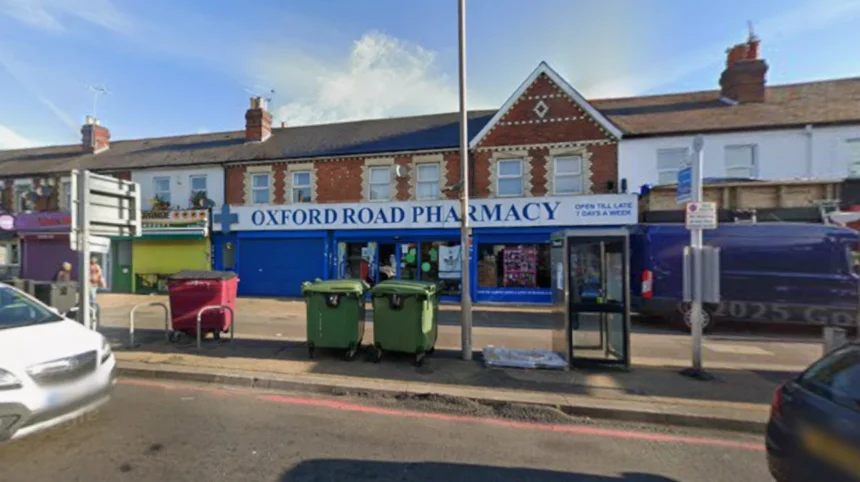
Community pharmacies serve as foundational access points within the United Kingdom’s healthcare architecture. Oxford Road Pharmacy, situated at 270-274 Oxford Road in Reading, Berkshire (Postcode: RG30 1AD), functions as a primary healthcare provider regulated by the General Pharmaceutical Council. This institution delivers statutory National Health Service provisions and private medical interventions to the local population. Operating under the commercial registration number 1121905, the facility fulfills a critical role in localized public health delivery, clinical triage, and pharmaceutical distribution within the National Health Service framework.
- What is the official role of Oxford Road Pharmacy in public health?
- How does the Pharmacy First service operate at this location?
- What diagnostic and screening services are available to patients?
- What preventative health and vaccination programs are executed?
- How does the pharmacy manage medicine adherence for vulnerable populations?
- What regulatory standards govern the operations of Oxford Road Pharmacy?
- What are the systemic implications of extended-hour community pharmacies for the NHS?
What is the official role of Oxford Road Pharmacy in public health?
Oxford Road Pharmacy functions as an authorized independent community healthcare hub that dispenses prescribed medications, provides clinical assessments, and delivers public health interventions under corporate regulations mandated by the General Pharmaceutical Council and commissioners of the National Health Service.
The statutory framework governing British community pharmacy requires facilities to execute 3 distinct tiers of pharmaceutical service delivery. These tiers comprise essential services, advanced services, and locally commissioned enhanced services. Essential services dictate that the pharmacy must dispense medicines and appliances precisely against valid electronic or paper prescriptions issued by general practitioners, dentists, or independent nurse prescribers.
The mechanism utilizes the Electronic Prescription Service, which transmits data directly from clinical practice systems to the pharmacy database. This process eliminates the necessity for physical paper documentation, reducing administrative transit delays and minimizing dispensing errors associated with manual transcription.
Advanced clinical provisions at the site include the structured New Medicine Service and the National Health Service Pharmacy First initiative. The New Medicine Service involves proactive pharmacist consultations with patients who receive initial prescriptions for specific chronic conditions, including Type 2 diabetes, hypertension, and chronic obstructive pulmonary disease. The objective of this intervention centers on optimizing therapeutic adherence, identifying adverse drug reactions early, and reducing the volume of unused pharmaceutical waste.
Public health statistics indicate that localized community access points reduce the operational burdens imposed upon general practice surgeries and regional hospital emergency departments. Oxford Road Pharmacy maintains operational availability from 08:00 to 22:00 Monday through Saturday, and from 08:00 to 20:00 on Sundays. This extended scheduling offers continuous clinical triage options during hours when standard general practice facilities remain closed.
How does the Pharmacy First service operate at this location?
The Pharmacy First service permits patients to receive formal clinical assessments and prescription-only medications directly from an accredited pharmacist for 7 specific acute conditions without requiring a preliminary diagnostic appointment with a general practitioner.
The Department of Health and Social Care implemented the Pharmacy First service across England to streamline clinical pathways for minor ailments. Oxford Road Pharmacy utilizes dedicated private consultation rooms to conduct physical assessments and diagnostic checks. The clinical protocols govern 7 explicit medical presentations, which comprise acute otitis media (ear infections), impetigo, infected insect bites, shingles, sinusitis, sore throat, and uncomplicated urinary tract infections in adult female patients.
During the clinical assessment, the pharmacist adheres strictly to National Institute for Health and Care Excellence guidelines to differentiate between self-limiting presentations and severe pathology. If the clinical presentation satisfies the explicit inclusion criteria defined by the national Patient Group Directions, the pharmacist possesses the legal authority to supply prescription-only medicines, such as oral amoxicillin for otitis media or nitrofurantoin for urinary tract infections.
When a patient presents with symptoms falling outside the designated protocol parameters or exhibits “red flag” systemic signs, such as a high fever or suspected sepsis, the pharmacist executes an immediate referral to a general practitioner or a local accident and emergency department. Every clinical consultation generates an automated digital notification that transmits directly to the patient’s registered general practitioner file via integrated secure networks, ensuring continuity of medical documentation across the National Health Service.
What diagnostic and screening services are available to patients?
The diagnostic and screening provisions incorporate targeted cardiovascular evaluations, respiratory technique assessments, and metabolic monitoring designed to identify asymptomatic chronic diseases and verify the therapeutic efficacy of ongoing patient medical regimens.
Cardiovascular screening constitutes a primary focus of the clinical interventions at 270-274 Oxford Road. The pharmacy delivers the National Health Service Hypertension Case-Finding Service, which focuses on adults aged 40 years and older who have no prior diagnosis of high blood pressure. The screening mechanism involves physical measurement using an automated, calibrated sphygmomanometer to record systolic and diastolic pressure values.
Patients demonstrating elevated initial readings undergo ambulatory blood pressure monitoring, which requires the patient to wear a portable monitoring device for a continuous 24-hour cycle. Clinical data indicate that identifying undiagnosed hypertension reduces long-term risks of cerebrovascular accidents (strokes) and myocardial infarctions (heart attacks).
Respiratory care services focus extensively on the Asthma Checks and Inhaler Technique Service. Pharmacists evaluate the physical deployment of medical aerosol inhalers, including metered-dose inhalers and dry powder inhalers, to ensure optimal pulmonary deposition of active ingredients. Poor inhalation technique directly correlates with suboptimal asthma control and increased emergency hospital admission rates.
The pharmacist identifies operational errors, such as incorrect inhalation velocity or failure to coordinate device actuation with deep inspiration, and provides physical corrective instruction. Furthermore, the facility offers specialized appliance supply services, ensuring the accurate sizing and distribution of specific medical apparatus, including stoma equipment, wound dressings, and urinary incontinence appliances.
What preventative health and vaccination programs are executed?
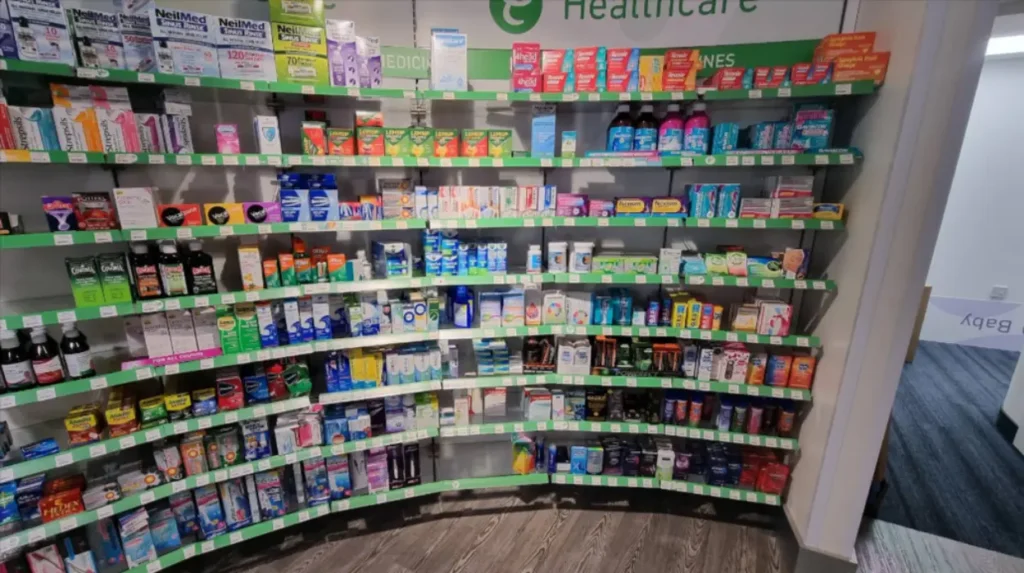
The preventative health architecture centers on seasonal immunization campaigns, emergency hormonal contraception distribution, and preventative travel health advice designed to mitigate infectious disease transmission and manage reproductive health parameters within the Reading population.
Immunization initiatives at Oxford Road Pharmacy include the annual National Health Service influenza vaccination campaign and relevant booster programs. The pharmacy targets cohorts vulnerable to severe complications, including individuals aged 65 and older, pregnant women, and adults with underlying clinical vulnerabilities, such as chronic cardiac disease or immunosuppression.
The immunizations utilize quadrivalent vaccines engineered to counter specific influenza virus strains identified by the World Health Organization for each northern hemisphere winter season. This preventative distribution creates localized herd immunity and lowers seasonal bed-occupancy pressures across the Royal Berkshire NHS Foundation Trust hospital network.
Reproductive clinical services feature the provision of the National Health Service Community Pharmacy Contraception Service alongside emergency hormonal contraception. The pharmacy provides confidential access to emergency contraceptive pills, including levonorgestrel and ulipristal acetate, within strict post-coital therapeutic windows.
The consultation incorporates a detailed clinical checklist covering hepatic function, concurrent medication usage, and gestation timelines to determine drug suitability. Beyond emergency intervention, the pharmacy provides ongoing management, initiation, and repeat dispensing of oral contraceptive pills, which optimizes reproductive healthcare accessibility by removing the requirement for general practice appointments.
Explore More Area Guide
The Definitive Guide to Motorsports and the Oxford 250 in Oxford Plains Maine
Oxford Pillowcase vs Housewife Design: Luxury Bedding Guide | Oxford Daily
How does the pharmacy manage medicine adherence for vulnerable populations?
Medicine adherence management utilizes structured multi-compartment compliance packs, regular Medicine Use Reviews, and digital repeat prescription synchronization to ensure safe, accurate, and consistent medication self-administration among vulnerable individuals.
Patients suffering from cognitive decline, physical dexterity limitations, or complex polymedication regimens frequently struggle with compliance. Oxford Road Pharmacy mitigates these risks by assembling multi-compartment compliance packs, commonly referred to as blister packs. These physical organizers separate oral solid-dose medications into distinct internal compartments corresponding to specific times of day, including morning, afternoon, evening, and night, across a 7-day cyclical matrix.
The assembly process requires strict adherence to medication stability guidelines, as certain hygroscopic formulations deteriorate rapidly when removed from primary manufacturer foil packaging.
Medicine Use Reviews complement physical compliance aids by providing an explicit, analytical evaluation of a patient’s entire pharmaceutical portfolio. The pharmacist systematically reviews the complete list of prescribed agents to resolve pharmaceutical conflicts, address disruptive side effects, and eliminate redundant therapies.
This process improves therapeutic outcomes and lowers the volume of pharmaceutical waste that occurs when patients accumulate unconsumed medications. Additionally, the pharmacy integrates digital text and email alert systems via mobile health applications, notifying patients or designated caregivers exactly when repeat prescriptions are ready for collection or dispatch.
What regulatory standards govern the operations of Oxford Road Pharmacy?
The facility operates under the continuous regulatory oversight of the General Pharmaceutical Council, which enforces strict compliance with national standards regarding staff training, premises safety, and medicine management protocols.
The General Pharmaceutical Council conducts unannounced statutory inspections of registered premises to verify compliance with 5 central principles of pharmacy operation. These principles govern the governance arrangements, the clinical competency of the pharmacy team, the physical environment of the shop and consultation spaces, the delivery of pharmacy services, and the management of medical equipment and stock.
A historical inspection of the Oxford Road Pharmacy location highlighted the necessity for continuous tracking of staff training records and rigorous validation of internal medicine management systems to ensure full alignment with regulatory protocols.
Subsequent reinspections by the General Pharmaceutical Council confirmed that the facility successfully resolved historical operational deficiencies. The pharmacy instituted formalized tracking systems to ensure all active medicines counter assistants and dispensing technicians are enrolled in accredited training courses covering pharmaceutical science and healthcare advice.
Furthermore, medicines management protocols require twice-daily temperature logs for specialized pharmaceutical refrigerators, keeping internal storage conditions strictly between 2 degrees Celsius and 8 degrees Celsius. This range is mandatory to preserve the molecular integrity of thermolabile medicines, such as insulin formulations, biological therapies, and specific vaccines.

What are the systemic implications of extended-hour community pharmacies for the NHS?
Extended-hour community pharmacies transform urban healthcare delivery by shifting low-acuity clinical care away from overloaded hospitals, driving down systemic operational costs, and improving health outcomes in diverse communities.
The operational profile of Oxford Road Pharmacy aligns directly with the strategic objectives outlined in the National Health Service Long Term Plan. This strategy emphasizes the decentralization of clinical care out of traditional hospital infrastructure and into localized community settings.
By operating 14 hours per day during peak weekdays and maintaining weekend access, the facility provides an alternative clinical care route for the local population. Economic evaluations show that an independent pharmacist consultation treating a minor ailment costs the public tariff significantly less than an equivalent consultation conducted within an emergency department setting or a general practice surgery.
The societal impact is particularly evident in ethnically diverse, densely populated urban corridors. Oxford Road in Reading features a heterogeneous demographic profile with varied socioeconomic statuses and language proficiencies. Community pharmacies lower barriers to health infrastructure access by offering immediate, walk-in consultations that require no advance registration or formal identification documents.
As the National Health Service expands independent prescribing privileges to all newly qualified pharmacists, facilities like Oxford Road Pharmacy are shifting toward autonomous clinical centers. These sites are equipped to diagnose, monitor, and treat a broad spectrum of acute and chronic pathologies right on the high street.
Where is Oxford Road Pharmacy located?
Oxford Road Pharmacy is located at 270–274 Oxford Road, Reading, Berkshire, RG30 1AD, serving the local community with both NHS and private pharmacy services.