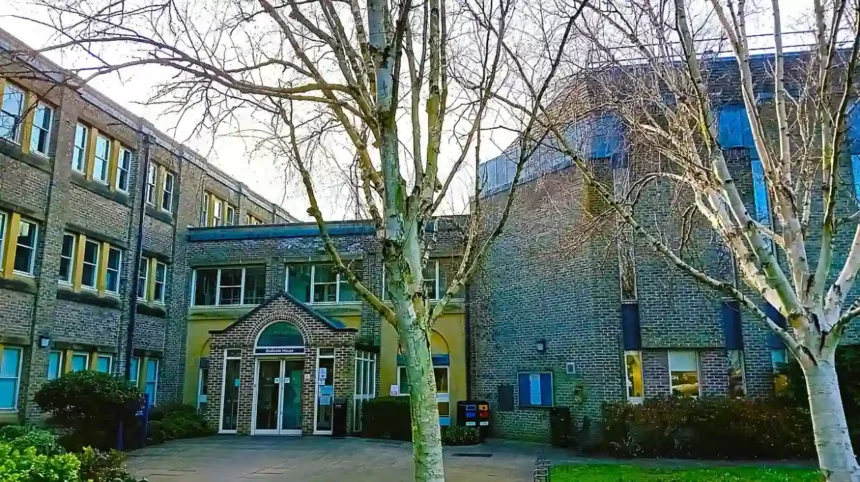
Punting on the Cherwell is a recreational water activity involving propelling a flat-bottomed boat using a pole along the river that flows through Oxford, England. Beginners learn to push the boat forward by inserting a long pole into the riverbed and applying controlled pressure. The Cherwell offers a scenic five-mile navigable stretch ideal for learning punting techniques.
- What is punting and how does it work on the Cherwell?
- What equipment and clothing do you need for punting?
- Where can you access the Cherwell for punting?
- How do you learn to punt on the Cherwell?
- What are the best seasons and times to punt?
- What are the main safety considerations for punters?
- How much does punting on the Cherwell cost?
- What is the history of punting on the Cherwell?
Punting represents one of the most accessible water-based activities for visitors and students in Oxford. The Cherwell, a tributary of the Thames that runs through central Oxford, provides an ideal environment for both recreational and educational punting experiences. This activity combines physical skill, environmental appreciation, and social engagement, attracting thousands of participants annually to this historic river.
What is punting and how does it work on the Cherwell?
Punting is a method of propelling a shallow-draft boat called a punt using a long pole called a quant. The operator stands at the rear of the punt and pushes the pole against the riverbed to move the boat forward. On the Cherwell, punts operate in waters averaging two to four meters in depth, allowing the pole to reach the bottom reliably.
A punt is a flat-bottomed wooden or fiberglass boat measuring approximately five to seven meters long and two meters wide. The flat design distributes weight evenly and prevents capsizing during normal operation. The quant, typically made from aluminum or wooden poles, ranges from four to five meters in length with a T-shaped handle at the top for grip control.
The punting technique involves five distinct phases: positioning the quant vertically in the water, pushing the pole against the riverbed to propel the boat, extracting the pole from the water as the boat moves forward, recovering the pole to a vertical position, and repeating the sequence. The Cherwell’s gentle current and moderate depth make this technique accessible for first-time operators. Most beginners master basic propulsion within thirty minutes of instruction.
The boat’s shallow draft ensures it never becomes stuck in mud or gravel deposits common to British rivers. Passengers typically sit in the middle section of the punt while the operator stands at the rear on a small platform. Some punts accommodate up to twelve passengers, though six to eight is the typical recreational capacity. The stability of the flat-bottomed design allows passengers to sit safely without requiring extensive balance training.
What equipment and clothing do you need for punting?
Essential punting equipment includes a five-meter quant, a life jacket for each passenger, a boathook for steering and emergency retrieval, and a rope for mooring. Appropriate clothing consists of flat-soled non-slip shoes, weather-appropriate layers, sun protection, and secure bags for valuables. Most rental operators provide the boat, quant, and safety equipment.
Footwear represents the most critical personal equipment consideration. Non-slip shoes with rubber soles prevent falls on wet surfaces where the punt deck becomes slippery. Soft-soled canvas shoes or specialized boating footwear perform better than hard leather soles. Many operators prohibit barefoot punting to reduce injury risks from splinters and accidental contact with the quant.
Clothing should accommodate weather variability and water exposure. Summer punting on the Cherwell (June through August) requires lightweight, breathable fabrics, but weather changes rapidly in Oxford. A base layer of moisture-wicking material under lightweight trousers or shorts provides flexibility. Upper-body protection includes a fitted shirt or lightweight jacket. Loose, flapping clothing creates snagging hazards with the quant.
Life jackets, legally required for all British river boating, come in fitted and inflatable varieties. Modern life jackets occupy minimal space and weigh under one kilogram. They comply with British Standard BS3595 for buoyancy and flotation support. Rental operators ensure life jackets fit properly before departure, checking that arm movement remains unimpeded while providing secure support.
Sun protection items include broad-spectrum sunscreen (SPF 30 minimum), hats with brims, and polarized sunglasses. Extended time on the water reflects solar radiation from the river surface, intensifying exposure. Dehydration occurs faster on water than on land due to wind-cooling effects that mask physical exertion. Carrying at least one liter of drinking water per person prevents dehydration during peak summer months.
Personal belongings require waterproof protection. Mobile phones, wallets, and cameras should be placed in waterproof bags or cases. Most punting incidents involve temporary water immersion rather than complete capsizing, but belongings left unprotected on the boat deck risk damage from splash or accidental contact with water.
Where can you access the Cherwell for punting?
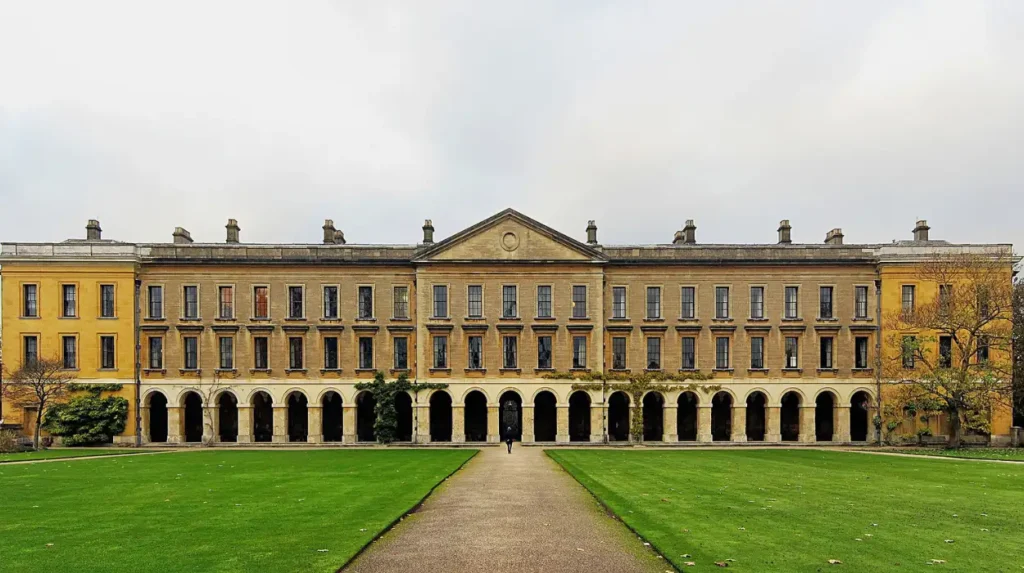
The Cherwell enters Oxford from the north near Port Meadow and flows south through central Oxford for approximately five miles before joining the Thames. Public punting access occurs at three primary locations: Magdalen Bridge in the city center, Punts Landing near Christchurch College, and the Cherwell Boathouse north of the city. All three sites offer rental equipment and instruction.
Magdalen Bridge serves as the most accessible entry point for central Oxford visitors. Located on the High Street near Magdalen College, this site sits in the historic heart of Oxford. The bridge connects to a path along the eastern bank where punting operators maintain boat rental facilities. The water directly under Magdalen Bridge is shallow (approximately one meter), requiring skilled pole work to navigate safely.
The Cherwell Boathouse operates three kilometers north of the city center on Bardwell Road. This facility offers the longest rentals available and caters to experienced operators seeking extended punting sessions. The boathouse provides training programs and guided tours conducted by trained instructors. Parking facilities accommodate vehicles, making this location suitable for visitors with transportation.
Punts Landing near the bridge on New College Lane provides access to the section known locally as the Backs, a scenic stretch bordered by college gardens. This area features the widest, deepest, and slowest-flowing section of navigable river, making it ideal for beginners. The proximity to historic college buildings creates spectacular views without excessive current challenges.
Port Meadow, an ancient wetland area north of central Oxford, offers additional punting access in a rural setting. This area experiences seasonal flooding and softer riverbed conditions requiring more experienced pole work. Many operators reserve this section for advanced punters.
How do you learn to punt on the Cherwell?
Beginners receive instruction through two methods: formal training programs operated by commercial rental companies and informal teaching by experienced punters. Most commercial operators require fifteen to thirty minutes of instruction before allowing solo operation. Training focuses on pole handling, directional control, stopping techniques, and emergency procedures.
Formal instruction programs typically begin with on-land demonstrations of pole mechanics. Instructors teach students proper grip positioning, body posture, and force application. The learning sequence progresses from stationary boat practice to controlled movement in shallow water sections. Students practice pushing without passengers first, allowing focus on technique development without distraction.
Water-based training begins in protected areas with minimal current and other boat traffic. Instructors demonstrate pole insertion angles (approximately fifteen degrees from vertical when starting propulsion). They emphasize smooth, continuous pushing motions rather than jerky, forceful movements. Students learn to avoid plunging the pole too deeply into mud, which creates excessive resistance and potential pole sticking.
Directional control training introduces trailing techniques using the quant as a rudder. Students learn that slight angle changes at the pole end create significant directional shifts at the boat’s front. Most operators permit beginners to proceed with instructor presence in the boat, providing real-time guidance and safety monitoring. This reduces anxiety and accelerates skill acquisition.
Advanced techniques taught after basic competency includes recovery methods when the pole becomes stuck in riverbed mud. Instructors demonstrate how to release the pole safely by angling it sharply forward, allowing the boat to slide out from under the stuck pole. Recovery training prevents both physical injury and equipment loss.
Informal learning occurs when experienced punters teach friends or family members through demonstration and guided practice. This method follows similar progressions but lacks standardized safety protocols. Most informal learning sessions occur during off-peak hours when other boats are minimal.
What are the best seasons and times to punt?
Peak punting season on the Cherwell occurs from May through September when weather is warmest and river levels are stable. June and July represent the absolute busiest months, attracting 60 percent of annual visitors. Shoulder seasons (April and October) offer calmer conditions with fewer boats but colder water temperatures.
Summer months (June through August) feature daytime temperatures averaging 18 to 21 degrees Celsius, creating comfortable conditions for extended punting sessions. Water temperatures reach their annual maximum of 15 to 17 degrees Celsius during August, reducing cold-water shock risks. Long daylight hours permit evening punting sessions that extend into late July and August when sunset occurs after 21:00 hours.
May and September represent excellent alternatives to peak summer months. Temperatures remain warm (15 to 17 degrees Celsius), and boat density decreases substantially compared to July. Spring flooding from April snowmelt typically subsides by mid-May, creating safer river conditions. September provides warm water temperatures while attracting fewer university students and tourists.
Early morning sessions before 11:00 hours offer significant advantages regardless of season. Water conditions are calmest before wind patterns develop throughout the day. Other boat traffic is minimal, allowing beginners to concentrate on technique without navigation complexity. Morning light quality also creates excellent photographic conditions.
Weekday punting attracts fewer participants than weekend sessions. Monday through Friday afternoons (14:00 to 17:00 hours) provide moderate boat density while maintaining commercial operator availability. Weekend days (Saturday and Sunday) experience maximum crowding, particularly during June and July when Oxford tourism peaks.
Weather conditions significantly impact punting experience quality. Heavy rainfall increases water velocity, creating hazardous current conditions. Wind speeds exceeding twenty kilometers per hour make pole control difficult for beginners. Most operators restrict rental operations when weather conditions create safety risks.
What are the main safety considerations for punters?
Primary safety risks on the Cherwell include drowning, hypothermia, collision with other boats, and pole-related injuries. Life jackets reduce drowning risk by 85 percent according to British water safety data. Cold-water immersion can cause incapacity within fifteen minutes, making temperature awareness critical.
Drowning represents the most serious potential hazard. While the Cherwell averages 2.5 meters in depth, unexpected deep sections and underwater obstacles create submersion risks. Children under twelve should remain seated in the boat center and wear life jackets at all times. Adult swimmers should wear life jackets regardless of swimming ability, as sudden immersion or unconsciousness can occur.
Hypothermia develops when core body temperature drops below 35 degrees Celsius. Water temperatures below fifteen degrees Celsius create rapid heat loss, reducing consciousness capability to minutes in extreme cases. Wet clothing accelerates heat loss substantially. Operators restrict winter punting (November through March) when water temperatures drop below ten degrees Celsius.
Collision risks increase substantially during peak seasons when thirty or more boats occupy the narrow river simultaneously. Operators enforce right-of-way rules where boats heading downstream yield to boats heading upstream. Boathooks provide emergency collision mitigation by pushing boats apart before impact.
Pole-related injuries include crushed hands, splinters, and impacts when the pole strikes the operator during recovery. Proper grip positioning with both hands on the T-handle reduces crushing risk. Wearing gloves protects against splinters from wooden poles. Operators maintain quants regularly, removing splinters and repairing damage.
Sun exposure creates secondary safety concerns. Extended unprotected exposure causes heat exhaustion and dehydration. Rental operators provide shaded rest areas at landing sites where participants can recover between sessions.
Alcohol consumption impairs balance and judgment, increasing accident likelihood. Most operators prohibit alcohol consumption for punters and limit it for passengers. Oxford University Student Union enforces stricter alcohol policies for student punting events.
How much does punting on the Cherwell cost?
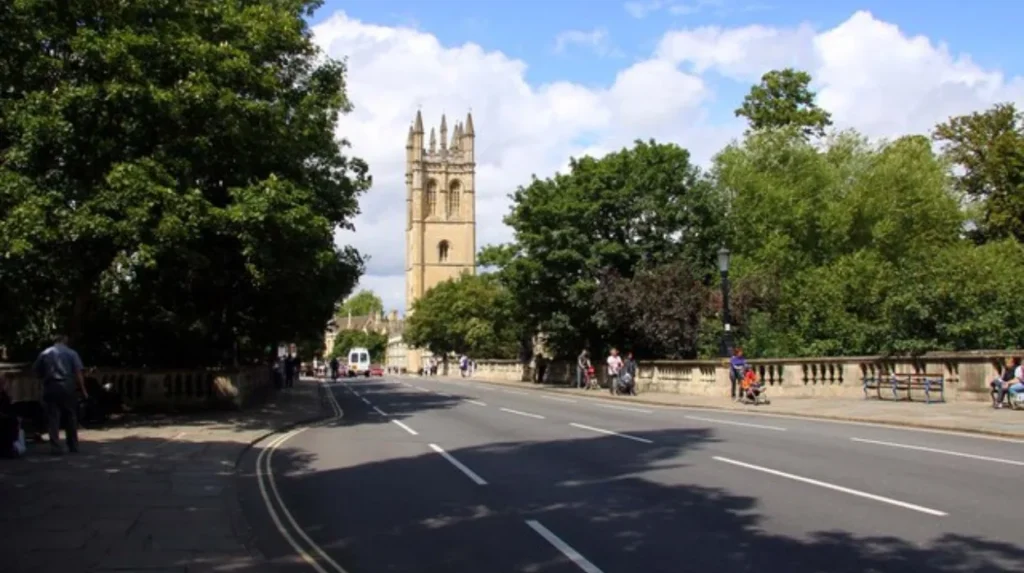
Punt rental costs on the Cherwell average from 20 to 30 British pounds per hour for private hire. Group rates typically cost 5 to 8 pounds per person for hour-long guided tours. Premium services including champagne packages and elaborate catering add 10 to 25 pounds per person.
Basic hourly rentals at Magdalen Bridge and the Cherwell Boathouse cost 24 pounds for the first hour and 18 pounds for each additional hour (2024 pricing). These rentals include the punt, quant, boathook, and basic life jacket provision. Deposits of 20 to 40 pounds ensure equipment return and damage coverage.
Guided tour pricing begins at 60 pounds for a forty-five-minute small group tour accommodating four to five people. The Cherwell Boathouse offers seventy-five-minute expert-led tours for 75 pounds including historic commentary and photography opportunities. Large organized tours for groups exceeding fifteen people negotiate custom pricing starting at 200 pounds total.
Instruction-focused sessions combining beginner training with supervised punting cost 35 to 45 pounds per person for single-session programs. Multi-session training courses covering three to five sessions cost 120 to 150 pounds per person. These programs include detailed technique instruction, safety protocols, and performance feedback.
Specialized packages including catered picnics add significant costs. Champagne and afternoon tea packages range from 40 to 75 pounds per person above standard rental charges. Custom catering arrangements for corporate events increase prices substantially, with per-person costs reaching 100 to 200 pounds for elaborate menus.
Seasonal pricing varies marginally, with peak summer rates (July and August) approximately 10 percent higher than shoulder season rates. Family packages offering discounts for children (ages 5 to 14) provide 25 to 33 percent reductions from standard adult pricing.
What is the history of punting on the Cherwell?
Punting originated in Oxford during the 1800s as an alternative to rowing on narrow, shallow rivers. The Cherwell’s shallow depth and narrow width made traditional rowing impractical, necessitating pole-based propulsion development. Commercial punting operations began in the 1880s and expanded substantially through the 20th century.
Medieval Oxford utilized shallow-draft boats for river transportation, but formal punting technique developed during the 19th century. Historical records indicate that Oxford undergraduate students invented the punting pole around 1830 as a solution for navigating the Cherwell during recreational outings. The innovation combined accessibility with minimal training requirements compared to rowing.
University undergraduate societies adopted punting rapidly throughout the 1860s and 1870s. Evensong punting, where punters transported college choirs along the Cherwell while they performed from the boats, became a traditional Cambridge and Oxford practice. These events generated significant cultural interest and inspired commercial punt rental operations.
The first commercial punting business opened at Magdalen Bridge in 1884, operated by the legendary Oxford ferryman William Holt. Holt’s operation rented boats for one shilling (approximately five pence in modern currency) per hour, making punting accessible to working-class visitors and students. By 1900, at least eight commercial operators competed for rental business in central Oxford.
Victorian and Edwardian era photography extensively documented punting culture, creating the romantic imagery that persists today. These historical photographs appear in numerous Oxford heritage publications and established punting’s association with leisured gentility and academic tradition. The historical record shows that punt design remained largely unchanged from 1880 to 1960, with modern fiberglass construction representing the only substantial innovation.
World War II temporarily suspended commercial punting operations (1939 to 1945) when boat materials and fuel were rationed for military purposes. Post-war revival occurred gradually through the 1950s and expanded explosively during the 1970s and 1980s as Oxford tourism increased. Contemporary punting maintains technological continuity with 19th-century operations despite modern safety equipment additions.
Environmental challenges emerged during the late 20th century as water pollution increased and river habitat degraded. Oxford’s Environment Agency implemented restoration programs beginning in 2000, significantly improving water quality and aquatic vegetation conditions. These environmental improvements enhanced punting experience quality and encouraged participation growth.
Punting participation expanded beyond recreational activity into educational and corporate event domains. Universities now integrate punting into orientation programs for new students. Corporate team-building events frequently include punting sessions as novel activity experiences. Annual participation on the Cherwell exceeded 50,000 individuals by 2019, with estimates suggesting recovery to pre-pandemic levels by 2024.
What kind of boat is used for punting?
Traditional wooden punts represent the original design used since the 1880s on the Cherwell. Modern fiberglass punts offer durability and lightweight construction benefits. Specialized catering punts feature built-in tables and serving areas for champagne packages and picnic experiences. Each type maintains the characteristic flat-bottomed design essential for shallow-river navigation and pole-based propulsion systems.
What are the three main types of boats?
This question falls outside the scope of punting guides. However, Oxford University students frequently access the Cherwell for punting recreation regardless of academic performance. Commercial punting operators welcome all visitors regardless of educational background or credentials, making this activity accessible to diverse audiences seeking recreational river experiences in Oxford.
How much GPA is required for Oxford?
This question is unrelated to punting activities on the Cherwell. Both universities offer punting opportunities on their respective rivers. The Cherwell operates through Oxford, featuring established commercial punting operations charging 20 to 30 pounds hourly. Punting remains an affordable recreational activity accessible to students and visitors regardless of institutional wealth or endowment comparisons between universities.
Who is richer, Oxford or Cambridge?
This question falls outside the scope of punting guides. However, Oxford University students frequently access the Cherwell for punting recreation regardless of academic performance. Commercial punting operators welcome all visitors regardless of educational background or credentials, making this activity accessible to diverse audiences seeking recreational river experiences in Oxford.
How many millionaires graduated from Oxford?
This question is unrelated to punting activities on the Cherwell. Both universities offer punting opportunities on their respective rivers. The Cherwell operates through Oxford, featuring established commercial punting operations charging 20 to 30 pounds hourly.