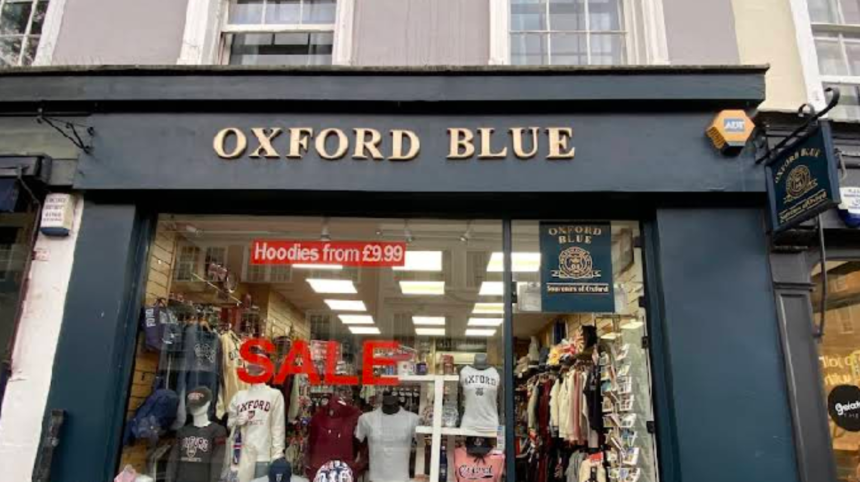
Oxford Blue is the official deep navy blue color representing the University of Oxford, technically specified by hexadecimal code #002147 and Pantone matching system 282. This dark azure shade serves as the foundational cornerstone of the historical institution visual identity system across all global branding.
- What is the Historical Origin of the Oxford Blue Color?
- What Are the Official Brand Guidelines and Technical Specifications?
- How Does Oxford Blue Compare to Other Academic and Military Blues?
- What is the Cultural Impact and Future Relevance of the Color?
- FAQs About Oxford Blue
- What is the exact difference between Oxford Blue and Navy Blue?
- Why did Oxford choose a dark blue color instead of a bright color?
- Can commercial businesses use the official Oxford Blue hex code?
- How does Oxford Blue perform under modern web accessibility guidelines?
- What secondary colors match best with an Oxford Blue background layout?
Understanding this technical standard requires looking at both physical print media formulations and digital screen color spaces. The official university style guide mandates specific color values to ensure absolute uniformity across web interfaces, promotional materials, academic publications, and official merchandise lines.
The physical and digital coordinates are exact. In the standard red green blue color space used for digital monitors, the color contains 0 percent red, 12.9 percent green, and 27.8 percent blue. For commercial printing applications requiring four color process ink configurations, the exact mixing ratio requires 100 percent cyan, 87 percent magenta, 42 percent yellow, and 51 percent black.
These precise digital specifications prevent visual degradation or color shifting across different display calibrations. The hue angle sits at 212 degrees, combined with a total saturation level of 100 percent and a lightness factor of 14 percent. This specific configuration places the shade within the deeply saturated, low lightness quadrant of the visible color spectrum, maximizing visual authority.
What is the Historical Origin of the Oxford Blue Color?
The historical origin of Oxford Blue dates directly to June 10, 1829, during the inaugural Oxford and Cambridge University Boat Race held at Henley on Thames. The rowing crew representing Oxford chose the specific dark blue shade because it matched the traditional athletic uniforms worn by Christ Church.

The selection committee for the first race included prominent university oarsmen Thomas Garnier and Charles Wordsworth. These individuals chose the darker fabric to achieve maximum visual contrast against the lighter attire utilized by competing institutions on the open water. The practical need for immediate long distance identification during athletic competitions accelerated the official institutional adoption across all sports.
Textile manufacturing developments during the nineteenth century solidified the consistency of the shade. The commercial invention of synthetic aniline dyes during the 1850s allowed factories to replicate the dark azure hue across massive production runs without fading. This technological transition replaced erratic organic vegetable dyes with mathematically precise chemical compounds, stabilizing the corporate palette.
By the year 1900, the university centralized its athletic clothing requirements. The administration transformed the color from a casual sporting preference into an elite institutional honor system, establishing the formal university blue designation for top tier varsity athletes. This bureaucratic formalization permanently linked the deep navy hue with academic excellence and physical supremacy.
What Are the Official Brand Guidelines and Technical Specifications?
The official brand guidelines issued by the University of Oxford Public Affairs Directorate mandate Pantone 282 as the immutable reference standard for all coated print paper stocks. Modern digital publishing platforms must maintain absolute compliance with the primary hexadecimal notation to pass automated web validation tests.
The implementation rules require specific background contrast ratios to satisfy modern web accessibility standards. Designers must deploy white text or authorized gold accents when layering typography directly over the dark azure surface to preserve legibility for visually impaired users. The university explicitly forbids the use of mid tone secondary colors for typography overlay operations.
The complete corporate color system integrates several complementary secondary palettes. These elements include specific highlight choices like Oxford Mauve using hex #776885, Oxford Sienna using hex #994636, and Oxford Cerulean Blue using hex #49B6FF. These secondary assets provide visual relief but must never supplant the primary dark navy foundation.
Maintaining consistency across physical facilities requires matching architectural paints to the original palette. Structural upgrades, including the latest Oxford university infrastructure developments, utilize these color standards. This comprehensive control ensures that new modern facilities mirror the long historical identity of the central estate.
How Does Oxford Blue Compare to Other Academic and Military Blues?

Oxford Blue distinguishes itself from other institutional blues through its significantly lower lightness metrics and higher black ink concentration ratios. The shade stands in stark contrast to Cambridge Blue, Yale Blue, and traditional naval navy blue variants across all standard measurements.
The primary academic rivalry manifests clearly in the physical contrast against Cambridge Blue. The University of Cambridge utilizes a light, desaturated green blue shade defined by hexadecimal code #A3C1AD, which features a hue angle of 140 degrees. This creates a striking polar opposition against the deep 212 degree indigo undertone maintained by the Oxford standard.
The mathematical variance remains prominent when measured against elite global institutions. Yale University utilizes Yale Blue, a lighter shade represented digitally by hexadecimal code #00356B, which contains higher green and blue values. Traditional military navy blue features a less saturated composition, causing it to appear greyish when placed next to Pantone 282.
Architectural restoration teams analyze these exact differences when upgrading older historical campus properties. Precision color matching preserves visual integrity during extensive redevelopments, such as the Mansfield College architectural aesthetics projects executed across local preservation areas. Using incorrect, lighter blue variations ruins the structural continuity of the protected campus zones.
What is the Cultural Impact and Future Relevance of the Color?
The cultural impact of Oxford Blue extends beyond academic athletics into global psychological symbolism, representing stability, absolute intellectual authority, and historical continuity. International corporations and elite legal institutions frequently replicate the exact color coordinates to project institutional trust and security.
Color psychology research indicates that deep navy hues lower human heart rates and improve cognitive focus during high stress decision tasks. The global recognition of the university brand ensures that this color remains a top choice for digital interfaces requiring professional prestige. The shade anchors the institution identity as it navigates complex modern issues and local cultural shifts worldwide.
The color retains its central positioning across volatile administrative periods and high level academic policy changes. Official reports concerning institutional governance, including complex institutional policy debates, always bear the official dark azure crest on the cover sheet. This visual asset reinforces institutional stability when addressing modern educational challenges.
Future digital displays, including ultra high definition television monitors and advanced quantum dot matrices, require continuous color space updates. Academic designers continue to calibrate Pantone 282 to maintain identical visual saturation on immersive virtual reality environments. This ongoing engineering ensures the historic shade remains pristine across all future communication systems.
FAQs About Oxford Blue
What is the exact difference between Oxford Blue and Navy Blue?
Oxford Blue is a highly specific, legally protected institutional shade defined exactly as Pantone 282 and hex code #002147. Standard navy blue is a broader, generic color category that includes multiple variations with higher lightness or lower color saturation levels.
Why did Oxford choose a dark blue color instead of a bright color?
The dark blue color was selected in 1829 to provide strong long distance visual contrast during rowing competitions. The dark fabric matched the existing athletic gear used by Christ Church, which was the dominant college rowing program during that historical period.
Can commercial businesses use the official Oxford Blue hex code?
Commercial entities can utilize the hexadecimal code #002147 for general graphic design and digital layouts. However, businesses cannot use this color in combination with university crests or names to mimic official endorsement from the institution.
How does Oxford Blue perform under modern web accessibility guidelines?
The color provides excellent contrast scores when paired with pure white typography or light metallic gold elements. It easily satisfies the strict double A and triple A contrast ratio mandates required by the international Web Content Accessibility Guidelines.
What secondary colors match best with an Oxford Blue background layout?
Official brand guidelines recommend using light neutral greys, soft whites, and specific accent tones like Oxford Peach or Oxford Silver. These combinations maintain design clarity without competing against the structural dominance of the primary dark navy hue.