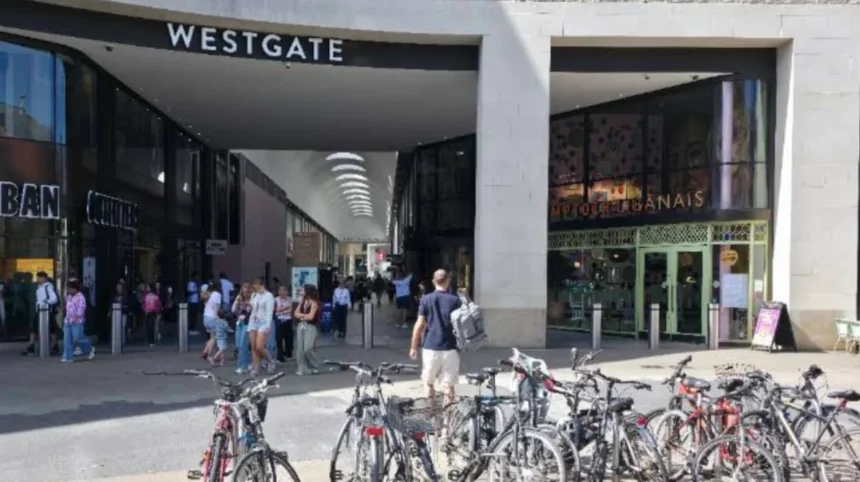
The Westgate Shopping Centre acts as the primary retail and leisure hub in the historic city centre of Oxford. Managing transport and vehicle storage in this medieval city requires strict infrastructure tracking, making the underground parking facility at Westgate a critical asset for visitors, commuters, and local businesses. For readers of the Oxford Daily, understanding the operational layout, pricing matrices, regulatory frameworks, and alternative choices is essential for efficient travel.
- What is the Westgate Oxford parking facility?
- How much does parking cost at Westgate Oxford?
- How does the Oxfordshire congestion charge affect Westgate parking?
- Where are the accessible and blue badge spaces located?
- What electric vehicle charging options exist at Westgate Oxford?
- What are the best alternative transport options to avoid Westgate parking fees?
- How can drivers navigate to the Westgate car park efficiently?
- What are the long-term implications of Oxford’s transport policies on Westgate visitors?
- Technical Specifications Summary
- Frequently Asked Question
What is the Westgate Oxford parking facility?
The Westgate Oxford parking facility is a secure, 24/7 underground car park located beneath the Westgate Shopping Centre on Thames Street. It provides 1,004 parking spaces, dedicated electric vehicle charging bays, and full accessibility services.
The facility is managed as a critical piece of urban infrastructure within the boundaries of Oxford City Council’s transport zone. Opened during the comprehensive redevelopment of the shopping centre in October 2017, the car park occupies two subterranean levels directly beneath the retail avenues. The structure features a maximum vehicle height restriction of 2.0 metres, preventing large commercial vans and heavy goods vehicles from entry.
The car park incorporates an Automatic Number Plate Recognition system. This technology scans the vehicle registration plate upon entry and checks it against digital payment records at exit, eliminating the requirement for physical paper tickets. Security provisions include continuous closed-circuit television monitoring, emergency help points, and bright LED lighting configurations across both levels.
How much does parking cost at Westgate Oxford?
Parking fees at Westgate Oxford operate under a variable tariff system based on the day of the week, the time of arrival, and the duration of stay. Standard weekday rates begin at £4.60 for one hour.
The baseline tariff structure ensures higher turnover during peak weekend shopping hours. The schedule below details the standard pricing structures enforced at the payment terminals.
Standard Tariff Breakdown
- Monday to Friday Tariffs:
- Up to 1 hour: £4.60
- Up to 2 hours: £5.60
- Up to 3 hours: £6.70
- Up to 4 hours: £8.70
- Up to 5 hours: £10.70
- Up to 6 hours: £14.70
- Up to 10 hours: £26.00
- Up to 24 hours: £38.00
- Saturday and Sunday Tariffs:
- Up to 1 hour: £4.80
- Up to 2 hours: £5.80
- Up to 3 hours: £6.90
- Up to 4 hours: £8.90
- Up to 5 hours: £10.90
- Up to 6 hours: £14.90
- Up to 10 hours: £26.00
- Up to 24 hours: £38.00
Evening and Subscription Options
To support the nighttime economy, including the rooftop restaurants and the Curzon cinema, a flat evening tariff applies to vehicles entering after 5:00 PM and exiting before 6:00 AM. This overnight charge is set at £3.50 for any stay exceeding one hour.
Regular commuters and city centre workers can access discounted rates via third-party digital parking platforms such as QwikPark. These digital subscriptions include a fixed weekday daily rate of £10.00 or a rolling monthly weekday-only pass priced at £150.00.
How does the Oxfordshire congestion charge affect Westgate parking?
The Oxfordshire County Council temporary congestion charge requires drivers of private cars without specific exemptions to pay a daily fee of £5.00 when passing through designated traffic filters to access the Westgate car park.
Enforcement Warning: Driving through an active traffic filter camera without an authorized permit or a paid congestion fee results in an immediate £70.00 penalty charge notice.
The temporary congestion charge scheme, introduced by Oxfordshire County Council, utilizes six automatic number plate recognition camera locations across central Oxford. Because the Westgate Shopping Centre sits directly inside the central traffic management zone, drivers must map their approach paths carefully.
The traffic filters operate all year round. If a driver crosses a filter boundary on their way to the Westgate car park, the £5.00 daily charge must be paid online or by telephone by midnight on the day following the journey.
Vehicles classified as M1 by the Driver and Vehicle Licensing Agency, including standard gasoline cars, diesel cars, hybrids, and electric cars, are subject to this charge. Commercial vans, two-wheeled motorbikes, and heavy goods vehicles are exempt and can pass through the filters without penalty.
Where are the accessible and blue badge spaces located?
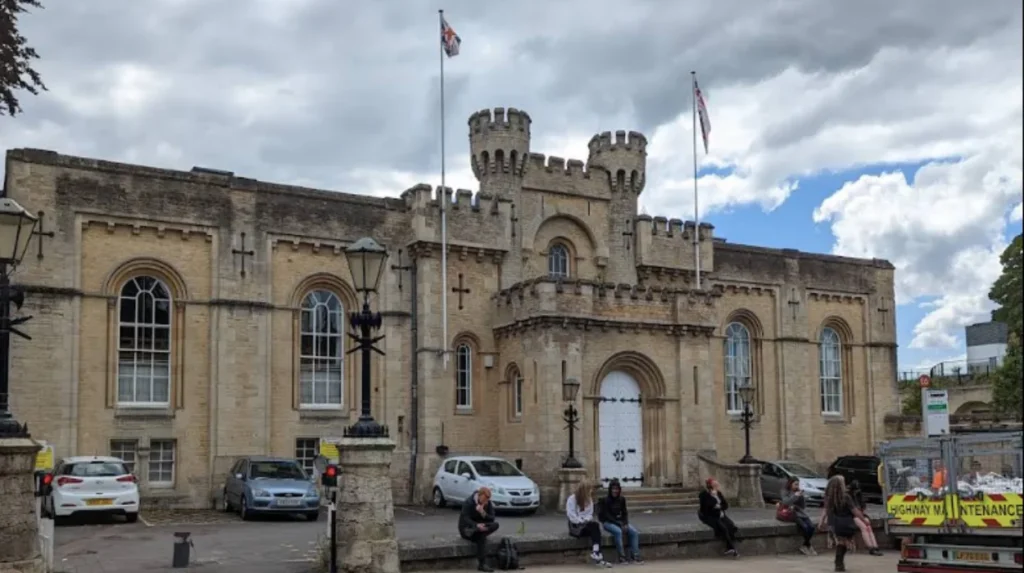
Accessible parking spaces for Blue Badge holders are situated on Level -2 of the subterranean car park, offering direct step-free access to the main shopping malls and passenger lifts.
Level -2 hosts the dedicated accessible motoring zones alongside the Oxford Shopmobility hub. This design choice groups disabled parking bays close to the central elevator shafts, minimizing travel distance for mobility-impaired individuals. The accessible bays are extra-wide to accommodate side-loading wheelchair vehicles and rear-entry mobility vans.
The Shopmobility service provides specialized equipment, including three distinct types of mobility aids:
- Manual wheelchairs
- Battery-powered mobility scooters
- Powered wheelchairs
Blue Badge holders must pay the standard parking tariffs listed at the payment terminals, as the Westgate facility does not offer free parking for disabled visitors. However, the physical proximity to the Shopmobility desk allows users to collect pre-booked scooters immediately after parking their vehicles, facilitating access to the retail floors above.
What electric vehicle charging options exist at Westgate Oxford?
Westgate Oxford features dedicated electric vehicle charging bays equipped with Type 2 fast-charging connectors, enabling zero-emission vehicles to replenish their battery packs while parked inside the facility.
The electric vehicle charging infrastructure is integrated into the general parking zones on Level -1. The charging points operate on a subterranean grid network managed in partnership with national charging providers. These units supply alternating current electricity, which fits standard UK electric vehicles, including three main configurations of battery electric cars:
- Tesla Model 3 and Model Y variants
- Nissan Leaf hatchbacks
- Volkswagen ID.3 and ID.4 series
Drivers must bring their own Type 2 charging cables to connect their vehicles to the wall-mounted charging boxes. Payment for the electricity consumed is processed separately from the standard parking tariff. Users initiate the charging sequence using a dedicated smartphone application or a contactless debit card at the terminal point.
The shopping centre enforces strict anti-icing policies; conventional internal combustion engine vehicles parked in these spaces face financial penalties or vehicle immobilization.
What are the best alternative transport options to avoid Westgate parking fees?
The best alternative transport option is the Oxford Park and Ride system, which operates five strategic parking sites on the periphery of the city and offers free bus transit into the city centre.
The five Park and Ride locations are distributed around the major arterial entry points of Oxford:
- Pear Tree: Positioned north of the city near the intersection of the A34 and A44.
- Redbridge: Located south of the city off the Abingdon Road.
- Seacourt: Situated to the west on the Botley Road.
- Thornhill: Located east of the city alongside the A40.
- Water Eaton (Oxford Parkway): Serving northern travellers near Kidlington.
To mitigate urban traffic, Oxfordshire County Council provides free Park and Ride bus journeys. Up to two adults and three children can ride the bus into central Oxford for free if they possess a valid parking ticket from one of these peripheral car parks. The buses drop passengers off at designated stops immediately adjacent to the Westgate Shopping Centre entrances, bypassing the central congestion zone entirely.
How can drivers navigate to the Westgate car park efficiently?
Drivers can navigate to the Westgate car park by entering the postcode OX1 1TS into their satellite navigation systems and approaching the city from the south via the Abingdon Road.
The physical entrance to the subterranean car park is positioned on Thames Street. Because historical streets like Queen Street and Cornmarket Street are completely pedestrianized, standard vehicular access is physically restricted. Approaching from the north or east often forces drivers through the automated congestion charge filters, incurring the daily £5.00 fee.
To optimize the trip, inbound motorists should use the A34 ring road to circle to the south of the city, taking the exit for the A4144 (Abingdon Road). Proceeding north along the Abingdon Road leads directly to the Thames Street junction without breaching the primary inner-city traffic filters. Digital variable message signs along the Abingdon Road display real-time data regarding space availability within the 1,004-space garage, allowing drivers to assess occupancy levels before making their final approach.
What are the long-term implications of Oxford’s transport policies on Westgate visitors?
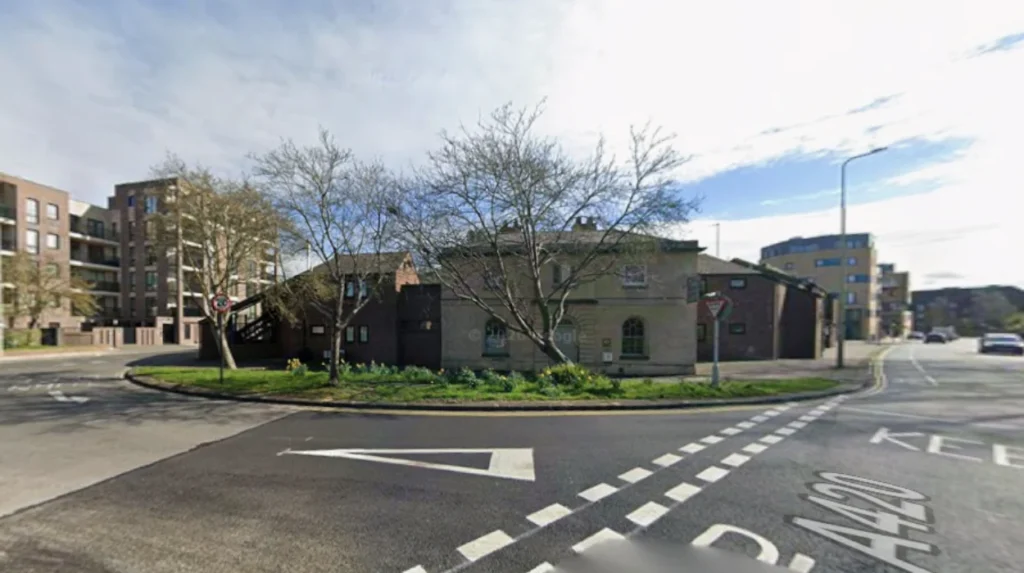
The long-term implications involve a structural shift away from private car usage toward public transit, cycling, and park-and-ride systems as the city tightens emission and congestion limits.
The temporary congestion charge acts as a precursor to permanent traffic filter trials scheduled for deployment. This strategy aligns with the Oxford Local Transport Plan, which aims to reduce single-occupancy car journeys by 50% across the decade. As financial penalties and daily access charges escalate, driving a personal vehicle directly into the Westgate car park will become more expensive and strictly regulated.
The shopping centre management team has adapted to these regulatory shifts by expanding alternative amenities. These include a large indoor cycle hub with secure locking racks, maintenance stations, and charging points for electric bicycles.
Furthermore, the introduction of the unified £3.00 combined park-and-ride ticket ensures that regional shoppers can access the city centre affordably without bringing their vehicles into the medieval core. This continuous tightening of environmental boundaries means the Westgate underground car park will increasingly serve electric vehicles, local blue badge holders, and high-value shoppers, while general traffic moves to the peripheral transport networks.
Technical Specifications Summary
For quick reference, the operational details of the Westgate Shopping Centre parking facility are compiled below.
| Operational Metric | Specification Details |
| Total Spaces | 1,004 bays |
| Opening Hours | 24 Hours a day, 7 days a week |
| Height Restriction | Maximum 2.0 metres |
| Primary Access Road | Thames Street (Postcode: OX1 1TS) |
| Enforcement System | Automatic Number Plate Recognition (ANPR) |
| Accessible Hub | Oxford Shopmobility located on Level -2 |
This infrastructure matrix allows visitors to verify vehicle compatibility and operational rules prior to starting their journey into central Oxford.
Frequently Asked Question
Does the Westgate Oxford car park accept cash payments?
No, the Westgate Oxford parking facility is a card-only, cashless site. All standard pay stations located by the lobby lifts and exits accept debit cards, credit cards, and contactless mobile payments (such as Apple Pay and Google Pay). Alternatively, drivers can pay automatically by registering their vehicle’s registration plate through the QwikPark mobile application before exiting.