Boars Hill is a hamlet located three miles southwest of Oxford in Oxfordshire. It spans nearly two square miles and contains approximately 360 dwellings. The area is known for its elevated location, historical literary connections, and preserved natural landscapes.
- What Is The Historical Background Of Boars Hill?
- Which Notable Poets And Artists Lived On Boars Hill?
- What Is Jarn Mound And Why Was It Built?
- How Does The Oxford Preservation Trust Manage Boars Hill?
- What Are The Geographical And Geological Features Of Boars Hill?
- What Are The Architectural Landmarks On Boars Hill?
- How Did The World Wars Impact Boars Hill?
- FAQs About Boars Hill Oxford
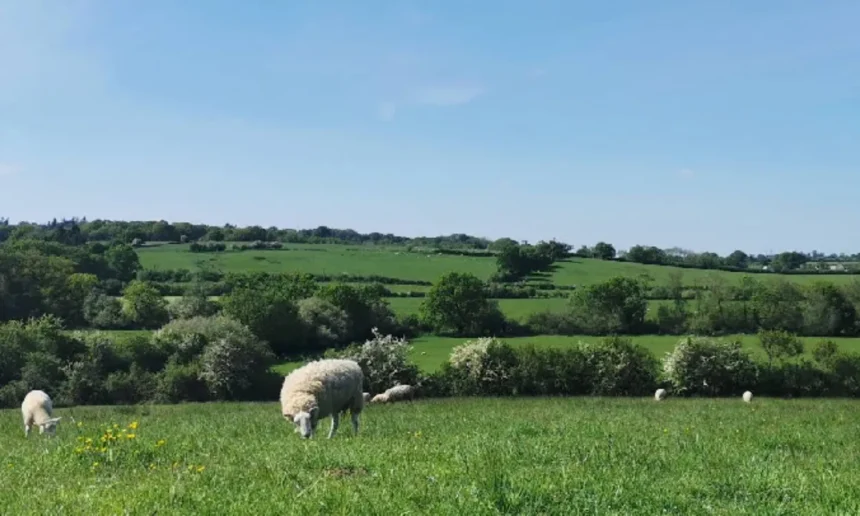
Boars Hill sits across the borders of two civil parishes. These two civil parishes are Sunningwell and Wootton. The hamlet was part of Berkshire until border changes occurred in 1974. Following these legal changes, Boars Hill became part of Oxfordshire. The settlement occupies a high topographic position overlooking the surrounding valleys. This specific elevation provides distinct viewpoints across the entire region.
The area is primarily residential but maintains extensive green spaces. The Oxford Preservation Trust manages 200 acres of land here. This land includes several green spaces. Examples of these green spaces are Abraham Wood, Matthew Arnold Field, and the Old Berkeley Golf Course. The trust ensures public access to these areas for recreation. Visitors use the site for outdoor activities. Examples of these activities are hiking, nature observation, and photography.
What Is The Historical Background Of Boars Hill?
The first written record of Boars Hill dates back to the 12th century under the name Boreshill. The land functioned as a manor within the parish of Cumnor before the establishment of the Wootton parish in the 19th century.
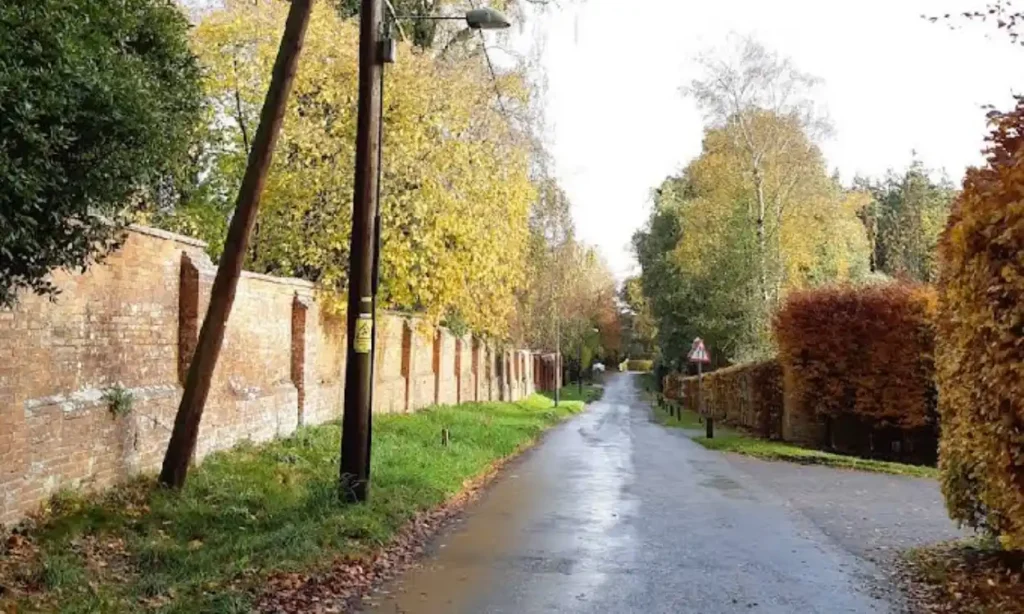
Boars Hill remained a largely bare landscape until the late 19th century. The open terrain offered unobstructed sightlines in multiple directions. Observers could view the city of Oxford to the north. The Downs were clearly visible to the south, and the upper Thames valley was visible to the west. Residential development increased significantly during the late 19th century. New inhabitants constructed houses and introduced physical boundaries. Examples of these boundaries are wooden fences, stone walls, and iron gates.
The new residents also planted numerous trees across the hill. These new natural elements gradually obscured the original sweeping views. Within a few decades, the landscape transformed from open heathland to a densely wooded residential enclave. Today, clear sightlines of the surrounding areas are limited to specific designated viewpoints. Local organizations work continuously to maintain these remaining clearings. This historical shift from a bare hill to a wooded hamlet defines the current geographical character of Boars Hill.
Which Notable Poets And Artists Lived On Boars Hill?
Boars Hill served as a prominent residence and source of inspiration for multiple acclaimed poets. Literary figures including Matthew Arnold, Robert Bridges, and John Masefield lived in or visited the area during the 19th and 20th centuries.
Arthur Hugh Clough was the first poet to document a visit to Boars Hill in 1841. Clough introduced his friend Matthew Arnold to the location later that same year. The landscape inspired Arnold to write two major poems. Examples of these poems are The Scholar Gipsy and Thyrsis. In Thyrsis, Arnold coined the famous phrase the dreaming spires to describe the distant view of Oxford University buildings. This specific phrase attracted substantial public interest to the hamlet.
Paul Willis
The area eventually became home to three Poets Laureate. These three poets were Margaret Louisa Woods, Robert Bridges, and John Masefield. Following the First World War, three war poets also resided on the hill. Examples of these war poets are Robert Graves, Edmund Blunden, and Robert Nichols. Other notable figures lived in the community during this era. Examples of these figures include classical scholar Gilbert Murray and sculptor Oscar Nemon.
What Is Jarn Mound And Why Was It Built?
Jarn Mound is a 50-foot artificial hill completed in 1931 on Boars Hill. Archaeologist Sir Arthur Evans commissioned and financed the structure to preserve the specific view of Oxford immortalized by Matthew Arnold in his 19th-century poetry.
Construction of Jarn Mound required 34 months of manual labor. A team of 20 laborers built the massive conical structure. The workers utilized industrial equipment to move the earth efficiently. Examples of this equipment are small railway trucks and a tower crane. The base of the mound measures exactly 530 feet in circumference. Sir Arthur Evans designed the elevation to rise above the growing tree canopy. He funded the entire construction project using his personal wealth.
The project included the creation of a wild garden around the base. The builders imported various soil types to support diverse plant species. They also installed permanent public amenities. Examples of these amenities are stone benches and walking paths. The Oxford Preservation Trust now owns and maintains the Jarn Mound site. Volunteer groups assist with the ongoing site maintenance. Examples of these volunteer groups are the Abingdon Green Gym and Oxford Conservation Volunteers.
How Does The Oxford Preservation Trust Manage Boars Hill?
The Oxford Preservation Trust functions as the largest landowner on Boars Hill, managing nearly 200 acres of property. The organization acquires land to protect natural habitats, maintain public access, and preserve historic viewpoints of the Oxford skyline.
The trust first acquired property on Boars Hill in the late 1920s. The organization focuses on active conservation management across its landholdings. Staff members and volunteers execute regular maintenance tasks. Examples of these tasks are path clearing, bridge building, and invasive species removal. The trust actively manages the woodland areas to support local ecosystems. The property includes diverse habitat zones. Examples of these zones are lowland fen, species-rich grassland, and broad-leaved woodland.
One key site managed by the trust is the Matthew Arnold Field. Authorities designated this specific location as a Local Wildlife Site in 2025. The site supports multiple rare plant species. Examples of these plant species are Marsh Helleborine, Marsh Lousewort, and Greater Bird’s-foot-trefoil. The trust also maintains the visual corridors looking toward Oxford. Workers routinely trim vegetation at Jarn Mound to keep the historical sightline open for the public.
What Are The Geographical And Geological Features Of Boars Hill?
Boars Hill rests on a foundation of Corallian limestone situated above Kimmeridge clay. The high elevation generates significant hydraulic pressure within underground aquifers, which forces water to the surface and creates natural springs in the southern areas.
The soil composition directly influences the types of vegetation found on the hill. The acidic sandy soils support specific scrub plants. Examples of these scrub plants are gorse, brambles, and spindle. The woodland areas contain several broad-leaved tree species. Examples of these tree species are ash, birch, and oak. The Corallian limestone foundation also contains visible marine fossils. Examples of these fossils include various types of ammonites.
The high elevation generates significant hydraulic pressure within underground aquifers. This pressure forces water to the surface to create natural springs in the southern areas. The diverse flora provides a rich habitat for numerous insect populations. The semi-improved grassland supports multiple butterfly species during the summer months. Examples of these butterfly species are the holly blue, small copper, and white admiral. Researchers have also recorded rare species like the silver-spotted skipper in the woodland sectors. The interaction between the geology and surface water sustains these distinct ecological zones.
What Are The Architectural Landmarks On Boars Hill?
Boars Hill contains several notable architectural structures and historical residences. The hamlet features distinctive houses built by prominent historical figures, alongside religious chapels that serve the local community across different parish boundaries.
The residential development of the area resulted in the construction of several significant properties. Examples of these properties are Youlbury, Chilswell House, and the Carmelite retreat. Sir Arthur Evans built a notable residence named Youlbury in 1894. This specific house featured distinct architectural details. Examples of these details are Minoan decorations, extensive gardens, and classical columns. Fire later destroyed several historical residences on the hill. Examples of these destroyed residences are the homes of Margaret Woods, Robert Bridges, and Gilbert Murray.
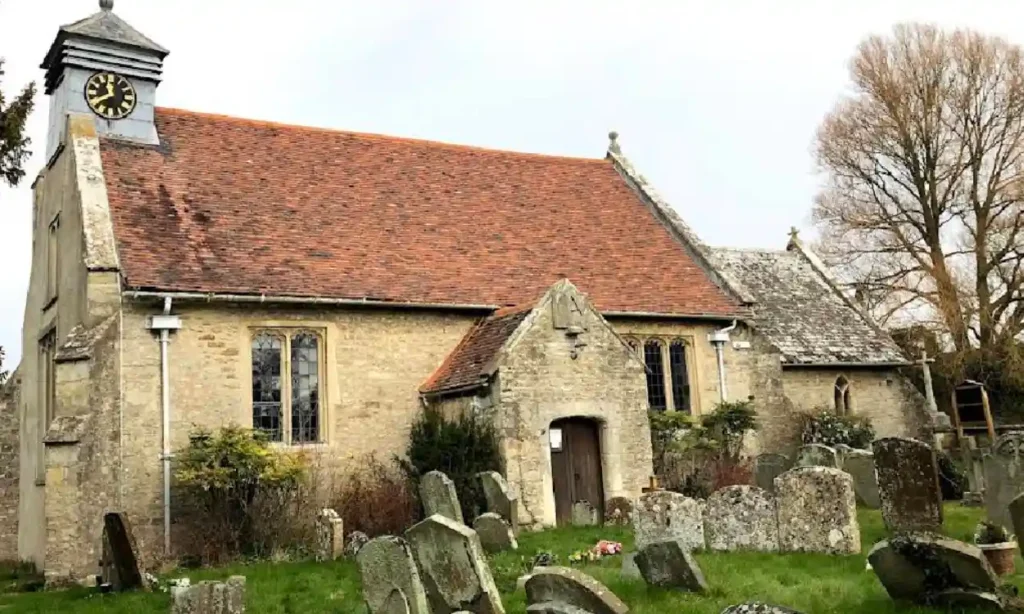
The hamlet lacks a central parish church due to its location across two boundaries. Residents historically attended two separate Anglican churches. Examples of these churches are St. Peter’s in Wootton and St. Leonard’s in Sunningwell. The community eventually constructed a dedicated Roman Catholic facility named St. Thomas More chapel. The Carmelite religious order also established a presence by purchasing Chilswell House around 1963. Local groups established various community infrastructure elements. Examples of these infrastructure elements are public benches, wooden trail markers, and memorial plaques.
How Did The World Wars Impact Boars Hill?
The World Wars brought significant demographic and physical changes to Boars Hill. The area became a refuge for displaced individuals and a gathering place for military veterans, while also suffering direct damage from wartime bombing campaigns.
The period following the First World War introduced a new demographic to the hamlet. Several decorated war veterans moved to the area to focus on academic pursuits. Examples of these veterans are Robert Graves, Edmund Blunden, and Robert Nichols. These veterans formed a distinct social circle within the local community. The interwar period also brought international refugees to the hill. The sculptor Oscar Nemon fled from Nazi rule in Vienna in 1938. He relocated his artistic practice to the safety of the Boars Hill community.
The Second World War brought direct physical destruction to the settlement. Military conflict impacted several local properties. Examples of these properties are private estates, public roads, and woodland sectors. Enemy bombers targeted the region during nighttime air raids. One specific bomb directly struck Chilswell House in 1943. Workers eventually repaired the structural damage after the war concluded. The post-war era marked a shift toward strict conservation efforts to protect the remaining historical landscape.
FAQs About Boars Hill Oxford
Is Boars Hill open to the public?
Yes, the public can access large sections of Boars Hill for free. The Oxford Preservation Trust manages 200 acres of land with open trails. Visitors can explore these areas year-round without any booking requirements.
How do I get to Boars Hill from Oxford?
Visitors can reach Boars Hill by traveling three miles southwest from the Oxford city center. Drivers take the A34 or A4074 to the Hinksey Hill route. Public transport options include local bus services operating from the Oxford stations.
Are dogs allowed on Boars Hill?
Dogs are permitted on the public trails and nature reserves across Boars Hill. Owners must keep their pets under control to protect the local wildlife and grazing animals. Specific conservation areas require dogs to remain on leads.
What is the best viewpoint on Boars Hill?
Jarn Mound provides the most prominent elevated viewpoint on Boars Hill. Visitors climb the 50-foot artificial hill to see the surrounding landscape. The Matthew Arnold Field also offers clear sightlines of the Oxford university buildings.
Why is Boars Hill famous for poetry?
The area became famous after Matthew Arnold wrote Thyrsis and The Scholar Gipsy based on the local landscape. His work inspired other literary figures to move to the hill. Three official Poets Laureate eventually lived in the community.