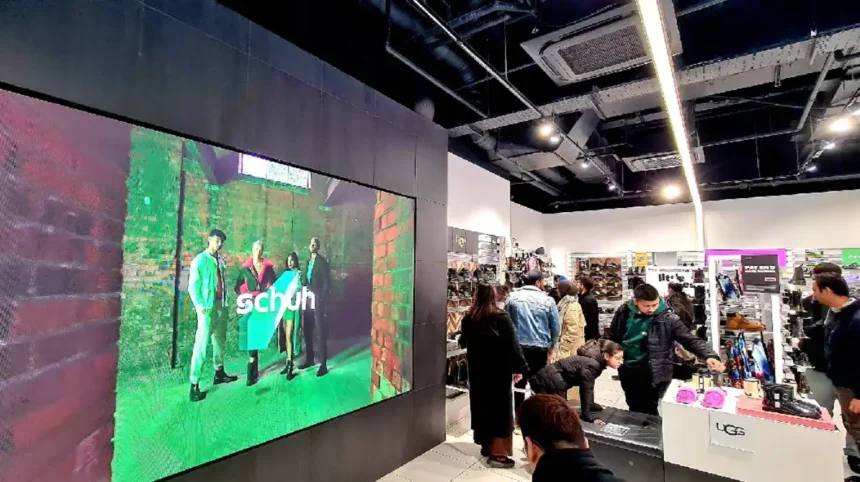
The global retail entity chose this location because it represents the premier shopping destination in Europe, drawing over 500000 daily visitors to the West End district of London. This physical placement provides maximum brand visibility and bridges the gap between digital e-commerce dominance and high street authority during key seasonal shopping periods.
- How Do the Architectural Elements Drive Customer Engagement?
- What Are the Supply Chain Mechanics Behind the High Street Presence?
- What Are the Environmental Implications of Ultra Fast Retail in London?
- How Does the West End Presence Support Corporate Financial Objectives?
- What Does the Success of Temporary Showrooms Mean for Future Retail?
- Frequently Asked Questions
- Why is the Shein store on Oxford Street only open for a few days at a time?
- Where exactly is the temporary Shein clothing installation located in London?
- Can customers return items bought online at the physical London location?
- How does the retail strategy on Oxford Street differ from traditional fashion stores?
- What clothes and product lines can visitors buy at the London venue?
The decision aligns with a broader shift among digital native brands toward physical customer acquisitions. This retail corridor allows the firm to showcase its agile supply chain mechanics directly to consumers in the United Kingdom. It positions the online clothing provider alongside legacy brick and mortar operators such as Selfridges and John Lewis.
The strategy relies heavily on temporal market scarcity through the deployment of temporary retail activations. These brief retail events create high consumer urgency and generate massive foot traffic queues that extend across the commercial district. The company utilizes these physical spaces to showcase its expanded seasonal lines, including activewear, workwear, and curve apparel options.
How Do the Architectural Elements Drive Customer Engagement?
The physical retail installation leverages modern experiential architecture to optimize customer immersion and increase social media content generation. The interior space features a 3700 square foot layout containing interactive cosmetics counters, custom garment engraving services, and boutique style changing facilities. This physical environment transforms standard commercial transactions into shareable digital content.
The brand incorporates technical amenities like specialized media recording zones and automated nail art bars to engage younger demographic groups. Visitors experience an environment designed specifically to look like a physical manifestation of their mobile applications. This tactile connection reinforces brand loyalty and creates an interactive destination rather than a basic clothing store.
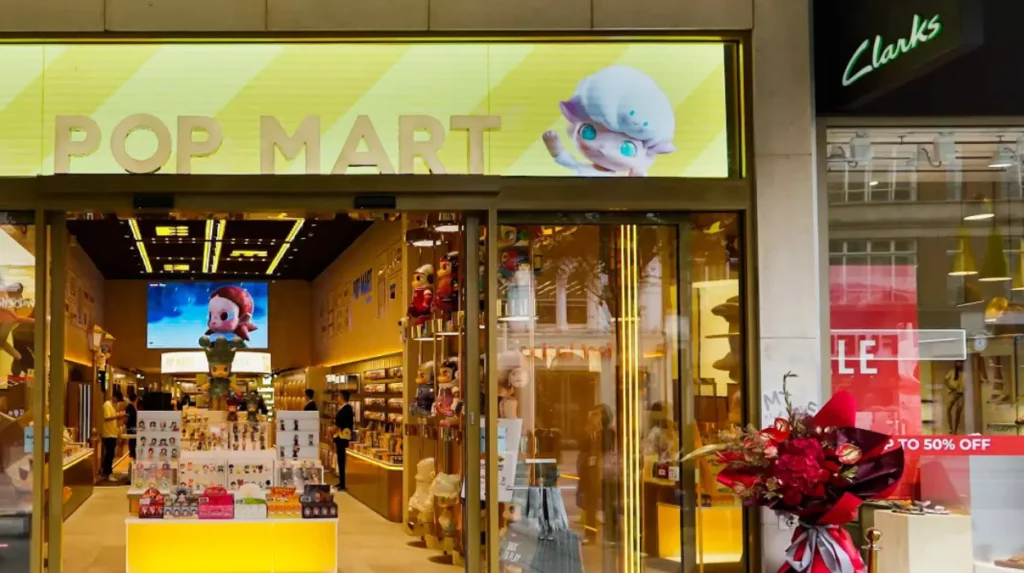
The strategy mimics successful high street formulas executed by other international novelty brands, such as the nearby Pop Mart Oxford Street store, which focuses on sensory design. By offering localized on-site perks like complimentary product giveaways, the retailer guarantees high dwell times within the commercial space. This infrastructure turns transactional digital interactions into permanent brand milestones.
What Are the Supply Chain Mechanics Behind the High Street Presence?
The temporary commercial installation reflects an advanced on-demand production methodology that manufactures garments within three days of trend identification. The company tests consumer sentiment by producing small clothing batches consisting of 100 items before ordering mass production quantities. This process minimizes traditional warehouse overhead costs and avoids the financial losses typical of standard retail operations.
The high street presence operates as a physical catalog for an inventory management system that tracks item interactions in real time. Staff monitors which collections, such as Musera or Motf, receive the highest physical engagement from shoppers. This information feeds directly back to production facilities in Guangdong to adjust digital manufacturing outputs.
The corporate ecosystem utilizes advanced data analytics to predict regional fashion preferences before the doors open to the public. By analyzing thousands of localized search terms in London, the company populates hangers with exact styles demanded by city residents. This algorithmic precision ensures that stock turnover happens much faster than conventional fashion timelines allow.
What Are the Environmental Implications of Ultra Fast Retail in London?
The physical arrival of an ultra rapid retail entity on a major commercial street generates intense scrutiny from localized environmental advocacy organizations. Protesters frequently gather outside the venue to highlight the ecological impact of producing synthetic textile items at low cost thresholds. Critics argue that physical high street activations legitimize resource-intensive manufacturing habits.
The company addresses these public challenges by introducing educational initiatives within the retail space, including the Sheintheknow information display campaign. This program outlines corporate targets for reducing carbon emissions and adopting recycled fabrics within their garment lines. However, non governmental organizations remain skeptical about the scalability of these circular economic models.
The high volume of disposable packaging materials generated during these high street events increases municipal waste management requirements significantly. Local authorities must adapt infrastructure to handle the sudden surge in synthetic shopping bags and cardboard boxes. This situation forces city planners to evaluate the long term sustainability of short term retail promotions.
How Does the West End Presence Support Corporate Financial Objectives?
The high profile real estate activation serves as a strategic branding tool as the enterprise prepares for a public financial listing. Operating a successful retail installation on a world famous high street enhances corporate transparency and builds institutional investor trust. This physical proof of concept balances their digital reputation with tangible market value.
The enterprise utilizes these British retail initiatives to diversify its geographic market reliance during periods of regulatory adjustment. By expanding real estate operations across European hubs, the firm builds strong relationships with western financial institutions and regulatory bodies. This positioning provides an alternative growth path if domestic policy changes create friction in Asian markets.
The revenue generated from physical entries remains secondary to the enormous volume of user data collected during the event. Shoppers must download regional applications or register digital profiles to access special store discounts and automated styling machines. This mechanism converts physical foot traffic into long term digital assets for future marketing campaigns.
What Does the Success of Temporary Showrooms Mean for Future Retail?
The consumer enthusiasm recorded during these brief physical events indicates that retail is moving toward hybrid commercial models. Permanent large scale department stores face growing financial pressure, while flexible experiential spaces show increasing profit margins. Future retail landlords will likely partition traditional properties into smaller temporary spaces.
The operational model challenges standard clothing brands to accelerate their design lifecycles or risk losing market relevance entirely. Traditional retailers must invest heavily in data tracking technologies to mimic the rapid consumer responsive cycles seen here. This trend forces a complete reevaluation of traditional wholesale buying schedules and manufacturing calendars.
The integration of digital point of sale apps within physical structures will soon become the standard baseline across the industry. Consumers now expect immediate access to online inventories, digital size charts, and personalized mobile discount codes while standing in stores. This transformation permanently fuses digital convenience with traditional sensory high street shopping.
Frequently Asked Questions
Why is the Shein store on Oxford Street only open for a few days at a time?
The brand utilizes a temporary pop-up retail framework to create consumer urgency and minimize fixed property overhead costs. These short activations allow the digital company to test physical retail markets without committing to long term commercial leases.
Where exactly is the temporary Shein clothing installation located in London?
The retail events take place at premier flexible venue addresses along the commercial street, including 95 Oxford Street and 484-486 Oxford Street. These central West End locations ensure maximum foot traffic and accessibility from nearby transit hubs.
Can customers return items bought online at the physical London location?
The temporary retail installations focus strictly on experiential sales, product showcases, and immediate promotional distributions rather than standard order processing. Online purchases must still be processed through the official digital postal return system.
How does the retail strategy on Oxford Street differ from traditional fashion stores?
Traditional stores maintain permanent inventories and large stockrooms, whereas this digital native setup operates as a live marketing activation. The space uses real-time data collection, interactive media stations, and minimal batch quantities to drive online traffic.
What clothes and product lines can visitors buy at the London venue?
The inventory features a curated selection of new season products, including women clothing, curve fashion lines, and custom activewear. Visitors can also purchase specialized cosmetic items from the cruelty free makeup division known as Sheglam.