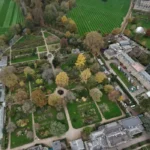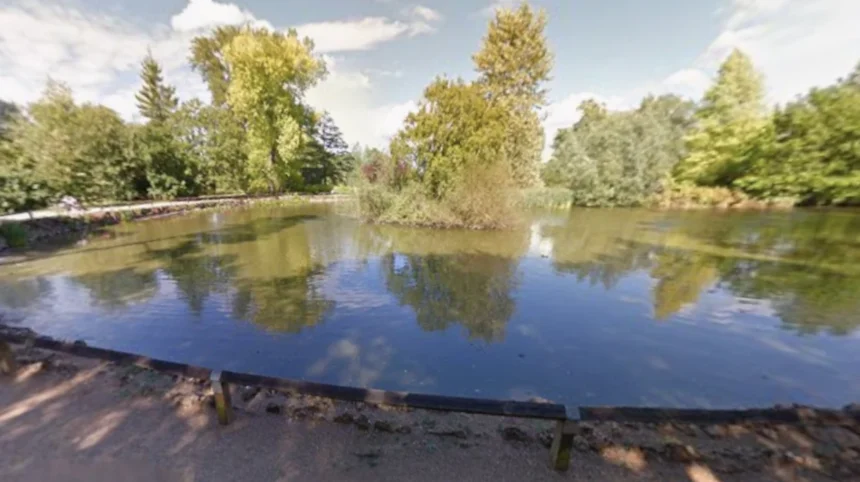
University Parks is a 9.5-hectare riverside public park in central Oxford, England, used for recreation, teaching, and nature observation; it contains lawns, ponds, trees, and river habitat that support birds, mammals, insects, and aquatic life.
- What wildlife can I expect to see in University Parks?
- When is the best time of day and year to spot wildlife in University Parks?
- How should I prepare for a wildlife-spotting visit to University Parks?
- Where within University Parks are the best microhabitats for wildlife spotting?
- What legal and access rules affect wildlife observation in University Parks?
- Which bird species are most commonly recorded in University Parks?
- What mammals occur in University Parks and how are they detected?
- How does University Parks support insect and invertebrate diversity?
- How is wildlife in University Parks monitored or recorded?
- What conservation measures manage wildlife and habitats in University Parks?
- How can visitors contribute to wildlife protection and citizen science?
- What nearby reserves and green spaces complement University Parks for extended wildlife spotting?
- What research or data exists on biodiversity in Oxford’s parks and gardens?
- What future changes will affect wildlife spotting in University Parks?
What wildlife can I expect to see in University Parks?
University Parks supports a range of birds, mammals, amphibians, insects, and fish visible year-round, with seasonal changes in abundance and behaviour.
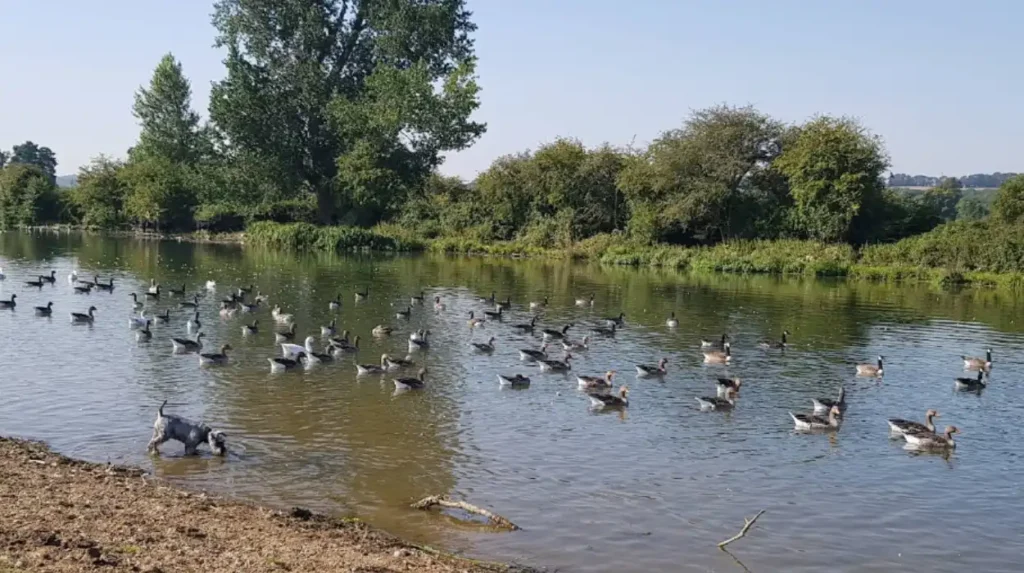
University Parks contains riparian habitat along the River Cherwell, open grassland, planted specimen trees, and two main ponds; these habitats host common parkland birds (mallard, mute swan, grey heron), passerines (blackbird, blue tit, robin), waterfowl (coot, moorhen), and winter migrants (redwing, fieldfare). The tree canopy and shrub layers support bats (common pipistrelle), grey squirrel, and small mammals such as wood mouse and voles, which inhabit grassy margins and leaf litter. Aquatic life includes common pond invertebrates and fish such as stickleback and chub in the river sections; amphibians (common frog) breed in the ponds during late winter and early spring. Invertebrates include bumblebees, honeybees, hoverflies, and butterfly species during spring–summer months, plus dragonflies around pond edges in June–August.
When is the best time of day and year to spot wildlife in University Parks?
Early morning and late afternoon deliver the most activity; spring and early summer offer peak bird song, while autumn hosts migrant flocks and winter provides visibility of waterfowl and raptors.
Daily patterns follow light and temperature: birds forage intensely at dawn (05:00–08:30 BST) and dusk (18:00–21:30 BST) when insects and small mammals are active, improving detection rates; bats emerge around sunset after late-May to early-September. Seasonally, March–June is peak breeding and song period for passerines and spring migrants, June–August brings high insect and dragonfly activity, September–November shows passage migrants and flocks, and December–February concentrates waterfowl around open water and visible raptors hunting over grass. Weather affects sightings: calm, mild days increase activity for insects and reptiles; after rain, amphibian movements increase near ponds in late winter and early spring.
How should I prepare for a wildlife-spotting visit to University Parks?
Bring binoculars (8–10×), a field guide or ID app, weather-appropriate clothing, quiet footwear, and follow University Parks rules on access and wildlife protection.
Binoculars with 8–10× magnification balance field of view and stability for birds and mammals; a compact spotting scope helps for distant river or reedbed birds. Use a field guide (Britain and Ireland bird and mammal guides) or ID apps that work offline for species verification. Wear muted colours and soft-soled shoes to minimise disturbance; bring a small notebook and camera with a telephoto lens if you intend to photograph. Respect University Parks regulations: do not remove plants or animals, keep to paths, and use designated areas for picnics and dog walking to avoid trampling breeding sites and disturbing nesting birds.
Where within University Parks are the best microhabitats for wildlife spotting?
Focus on the river edge, the northern and southern ponds, tree lines, and shrub margins; each microhabitat supports distinct species groups.
The River Cherwell margins support waterfowl, kingfishers (occasionally), and foraging herons along shallow bends; look for riparian vegetation and overhanging branches that conceal perching birds. The main park ponds attract coot, moorhen, breeding frogs, dragonflies, and aquatic invertebrates; check emergent vegetation and reed edges for larvae and nymphs in summer. Specimen trees and denser shrub patches host passerines including tits, warblers, and migrant thrushes during spring and autumn. Lawns and sports areas produce visible insect activity and ground-foraging species such as blackbird and robin; mammal runs through leaf litter near hedgerows indicate vole and small-rodent presence.
What legal and access rules affect wildlife observation in University Parks?
University Parks is public but regulated: visitors must follow park rules, protect wildlife (no removal or disturbance), and follow event permitting and fishing restrictions.
University Parks is managed by the University of Oxford with published rules that forbid removal of wild animals, plants, flowers, or seeds and restrict sale of goods and fishing to permit holders; security contacts and administration details are publicly available for emergencies and event booking. Visitors must use public paths, avoid fenced-off teaching or conservation areas, keep dogs on leads where specified, and comply with signage protecting nesting sites or scientific plots. For organised surveys or research, contact the Parks administration to request permission and coordinate access.
Which bird species are most commonly recorded in University Parks?
Commonly recorded birds include mallard, mute swan, coot, moorhen, blackbird, blue tit, robin, and occasional heron and kingfisher.
Waterfowl are visible year-round: mallard and mute swan use open water and banks; coot and moorhen frequent pond vegetation. Passerines such as blackbird, blue tit, great tit, and robin use shrub layers and trees for nesting and foraging. Winter visitors include thrushes (redwing and fieldfare) that forage on lawns and berry-bearing shrubs in November–February; heron often feeds in shallow water and can be observed along the River Cherwell. Records from local birdwatching groups and trip reports list these species consistently in visitor observations.
What mammals occur in University Parks and how are they detected?
Mammals present include grey squirrel, common pipistrelle bat, hedgehog (local records), and small rodents; detection uses dawn/dusk watches, droppings, and bat detector surveys.
Grey squirrels use tree canopies and ground foraging; sightings are common during daytime. Bats, notably the common pipistrelle (Pipistrellus pipistrellus), emerge at dusk from May to September and are detected by bat detectors tuned to echolocation frequencies around 45 kHz. Hedgehogs appear in leaf litter and under shrub cover; nocturnal surveys and the presence of feeding remains or footprints indicate their presence. Small mammals such as wood mouse and field vole are inferred from runways in grass, feeding signs, and owl pellet analysis when available from local studies.
How does University Parks support insect and invertebrate diversity?
Tree species, native shrubs, wildflower margins, and pond edges create nectar, pollen, and larval habitats that support bees, butterflies, dragonflies, and aquatic invertebrates.
Bees and hoverflies exploit flowering trees (e.g., horse chestnut, lime), wildflower patches, and seasonal bulbs for nectar during April–September, supporting pollinator foraging and reproduction. Butterflies (e.g., common whites, small tortoiseshell) use grassy verges and nectar plants; larvae feed on specific host plants in grassland swards. Pond margins support Odonata (dragonfly and damselfly) species whose aquatic nymphs develop in emergent vegetation over weeks to months, peaking in observation from June to August. Aquatic invertebrates such as water beetles, pond skaters, and larvae of midges and caddisflies form the base of the wetland food web.
How is wildlife in University Parks monitored or recorded?
Monitoring combines ad hoc observations, volunteer surveys by local societies, academic studies, and park staff records; moth, bird, bat, and plant surveys occur on seasonal schedules.
Local groups, including university natural-history societies and the Oxfordshire branch of the RSPB, run structured bird counts, bat surveys, and pollinator walks that contribute to long-term records; these surveys collect species presence, abundance, and breeding evidence data at regular intervals. Academic projects from the University of Oxford’s gardens and biodiversity initiatives sample plant and invertebrate communities within college grounds and Parks to support teaching and research, with results archived by departmental biodiversity programs. University Parks administration records incidents, invasive species sightings, and management actions related to biodiversity in their operational logs.
What conservation measures manage wildlife and habitats in University Parks?
Conservation measures include habitat management (pond and tree care), targeted planting of native species, controlled mowing to protect breeding sites, invasive species control, and public education.
Park management follows best-practice urban ecology: selective tree maintenance preserves veteran trees and standing deadwood for invertebrates; pond edge management maintains emergent vegetation for amphibian and Odonata larvae; mowing regimes are timed to avoid peak breeding and flowering periods to sustain invertebrate and ground-nesting bird populations. Native plantings increase structural diversity and nectar resources for pollinators; signage and guided walks inform the public about sensitive areas and encourage low-impact behaviour. Where invasive non-native plants or species threaten native biodiversity, removal and control measures follow local guidelines and, where necessary, consultation with conservation bodies.
How can visitors contribute to wildlife protection and citizen science?
Visitors contribute by reporting sightings to local recording schemes, joining volunteer surveys, following park rules, and avoiding disturbance to nests and pond margins.
Report observations to county recording schemes (e.g., Oxfordshire Environmental Record Centre) or national platforms such as iRecord and eBird to support data collection; these records inform conservation planning and research. Volunteer opportunities with the Oxford Preservation Trust, local wildlife trusts, and student natural-history societies support habitat restoration and systematic monitoring. Simple actions—keeping dogs under control, litter removal, staying on paths, and not feeding wild animals—reduce negative human impacts on breeding success and animal health.
What nearby reserves and green spaces complement University Parks for extended wildlife spotting?
Nearby sites include Port Meadow, Shotover Country Park, Christ Church Meadow, and local nature reserves that expand habitat variety for additional species.
Port Meadow provides extensive floodplain meadows and river-edge habitat with grazing livestock that supports waders, raptors, and passage migrants; it lies northwest of the city centre. Shotover Country Park, a 117-hectare mosaic of valleys and woodland on Shotover Hill, is designated a Site of Special Scientific Interest (SSSI) and supports larger-scale woodland and chalk grassland species. Christ Church Meadow and adjoining college gardens offer riparian corridors and ancient trees that host additional bird and invertebrate assemblages. Visiting these complementary sites across seasons increases species lists and detection of habitat-specialist organisms.
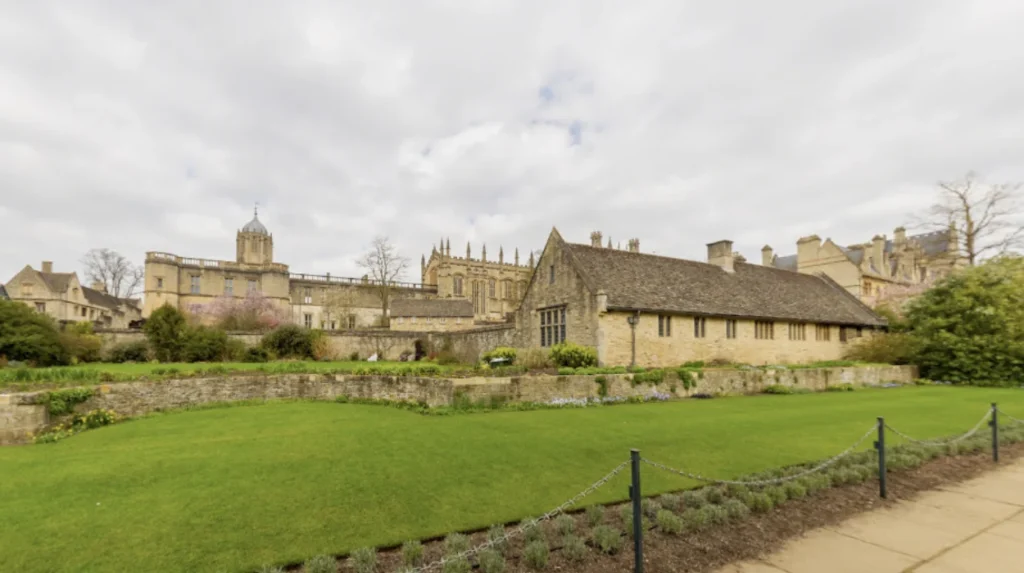
What research or data exists on biodiversity in Oxford’s parks and gardens?
University departments and local conservation organisations publish inventories and projects documenting plants, birds, and urban biodiversity used for teaching and long-term ecological study.
The University of Oxford runs gardens and biodiversity projects that catalogue plant collections and associated wildlife to inform teaching and conservation outreach; these initiatives include guided tours and data-sharing with researchers. Local conservation organisations and county record centres compile species records from volunteer surveys, birdwatching logs, and targeted studies; these datasets contribute to regional conservation assessments and management plans for urban green spaces. For formal permissions or data access, contact University Parks administration or university gardens biodiversity contacts listed on institutional sites.
What future changes will affect wildlife spotting in University Parks?
Urban development, climate trends, and management priorities will change species composition, phenology, and visitor interactions, influencing detection and conservation needs.
Climate warming alters phenology: earlier breeding and migrant arrival shift peak observation windows and increase overlap with human recreation, requiring adaptive management for nesting protection; new species may expand northwards into Oxford with rising temperatures. Urban pressures—development, pollution, and recreational use—affect habitat quality and connectivity, making green-space networks and targeted planting more important for species movement. Ongoing monitoring and adaptive park management, together with public engagement, will determine the resilience of park biodiversity and the future availability of wildlife-spotting opportunities.
Notes on sources and permissions: University Parks rules and administration contact details are published by the University of Oxford Parks administration. Local biodiversity projects and university garden biodiversity initiatives supply species and habitat descriptions used in this article. Visitor reports and community observations corroborate common species lists and seasonal patterns.