Abingdon-on-Thames is one of Oxfordshire’s oldest market towns, and first-time visitors get the most value from a compact centre, riverside walks, and several heritage sites within easy reach of each other. The town suits day trips, slow weekends, and brief business downtime because its main sights sit close together.
- What makes Abingdon worth visiting?
- Where should first-time visitors start?
- What historic sites should you see first?
- What can you do by the river?
- Which churches and buildings matter most?
- What hidden or quieter places are worth time?
- Is Abingdon good for short stays?
- What should visitors do in one day?
- How does Abingdon support work and downtime?
- Why is Abingdon still relevant in 2026?
- What is the best first visit plan?
What makes Abingdon worth visiting?
Abingdon is worth visiting because it combines a historic town centre, riverside scenery, museums, churches, and a walkable layout that suits short stays. Visitors can cover the main highlights in one day and still find extra heritage details, local shops, and quiet public spaces.
Abingdon is a market town in Oxfordshire, England, beside the River Thames. Its appeal comes from the concentration of heritage buildings and public spaces rather than one large attraction. That makes it practical for first-time visitors who want a clear, low-stress itinerary with short walking distances.
The town council’s visitor information highlights the County Hall museum in the centre of town and nearby bookshops and local places of interest. Experience Oxfordshire also lists several historic buildings for visitors, including the Abbey Gateway, St Nicolas Church, Abbey Buildings, Trendell’s Folly, and the remains of the lost abbey. For a first visit, those sites form the core of the town’s identity.
Where should first-time visitors start?
First-time visitors should start in Abingdon town centre, around the County Hall, because it gives immediate access to the museum, market square atmosphere, independent shops, and the main historic buildings. This creates the best overview before moving on to the river, abbey site, and churches.
The centre works well as an entry point because Abingdon’s historic assets are clustered close together. The town museum sits in the County Hall, a prominent building in the heart of the town, and the surrounding streets provide the easiest orientation for visitors. This is the best place to understand the town before exploring deeper layers of history.
A sensible first route begins with the museum, then continues on foot through the older streets. That sequence gives context for the Abbey Gateway, St Nicolas Church, and other landmarks listed by the local tourism body. It also suits visitors with limited time because the route does not require transport.
What historic sites should you see first?
The first historic sites to see are County Hall, the Abbey Gateway, St Nicolas Church, and the remains of the medieval abbey area. These places show Abingdon’s development from monastic settlement to market town, and they define the town’s historic centre.
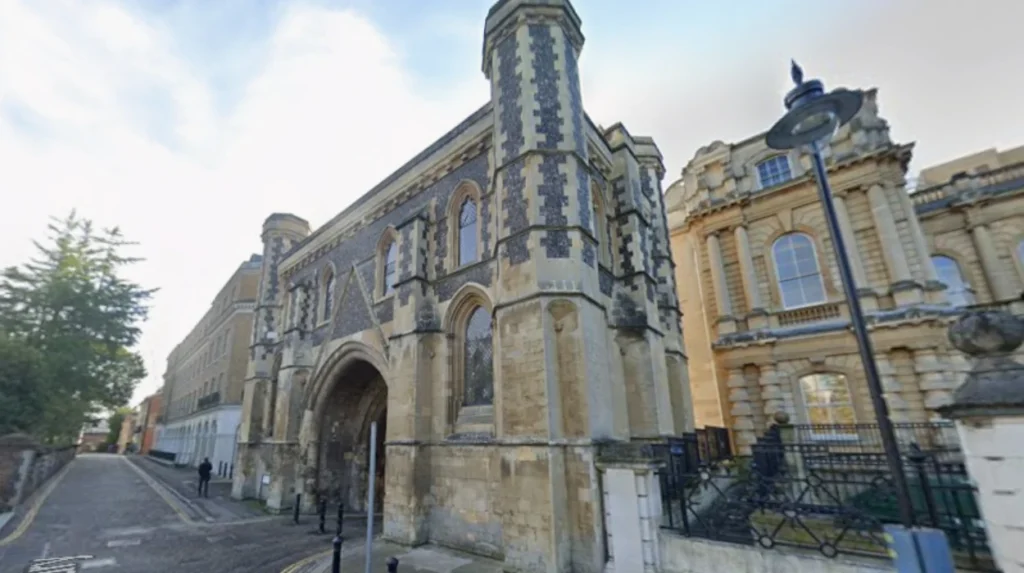
County Hall is the best starting point because it houses the town museum and sits in a central, highly visible location. The Abbey Gateway is one of the most recognisable surviving structures linked to the former abbey complex, and St Nicolas Church adds another layer of medieval and parish history. Together they give a clear picture of the town’s long timeline.
The remains of the lost abbey matter because they explain why Abingdon became important in the first place. Monastic foundations shaped many English towns, and Abingdon is a strong example of that pattern. As you explore the modern site, you are crossing land with a deep heritage. Read about the full [history of Abingdon Abbey] to understand its origins.
County Hall and the museum
County Hall is the town’s most practical heritage stop because it combines civic architecture with local history displays. The museum is useful for first-time visitors because it anchors the rest of the walkable itinerary. It gives context for buildings, street patterns, and Abingdon’s role in Oxfordshire.
The building also works as a reference point for the rest of the town. Once visitors understand the museum setting, other landmarks become easier to place on a short self-guided walk. This reduces wasted time and improves the experience for visitors who only have a few hours.
Abbey Gateway and abbey remains
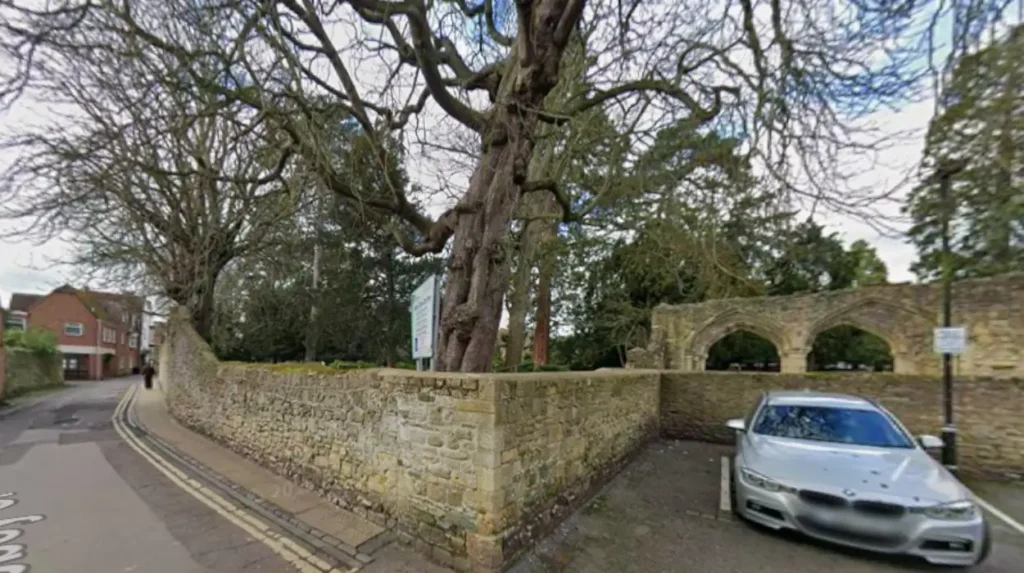
The Abbey Gateway stands as a key survival from the monastic past listed by local tourism sources. It is one of the most important visual reminders of the medieval abbey. The abbey remains, though partial, matter because they explain the town’s early religious and economic importance.
These ruins and fragments are not decorative extras. They are the core evidence for Abingdon’s historic identity. Visitors interested in England’s monastic history should treat this area as a priority rather than a side stop.
What can you do by the river?
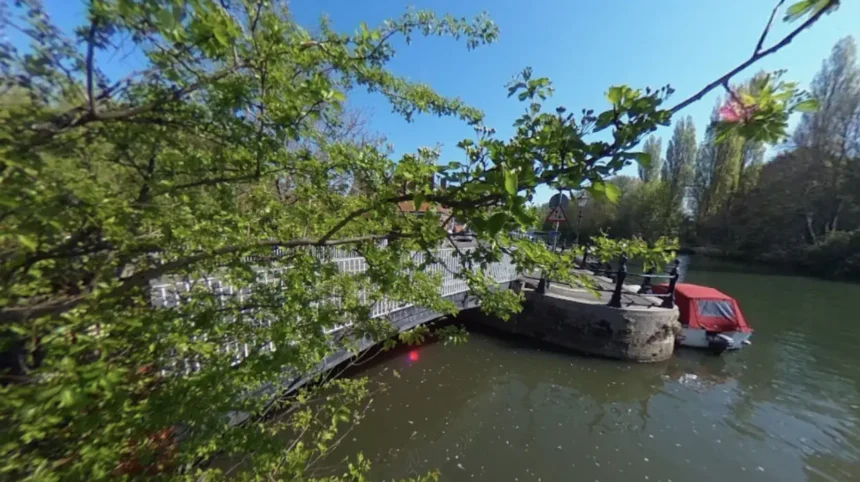
The River Thames is the best place for relaxed walking, photo stops, and low-effort sightseeing in Abingdon. The riverside adds open space, scenery, and a calmer pace, which makes it ideal for visitors who want a break from the historic centre without leaving town.
The river gives Abingdon a second layer of appeal beyond heritage buildings. It creates space for simple leisure activities such as walking, sitting, and moving between the town and the water’s edge. For tourists, this matters because it balances concentrated history with open-air time.
Riverside time is especially useful for half-day visitors and business travellers. It offers a quick reset between meetings or sightseeing blocks. For digital nomads, it also provides a pleasant break from indoor work without requiring a long journey out of town.
The Thames setting also strengthens Abingdon’s identity as a traditional English riverside town. That combination of water, heritage, and compact streets helps explain why the town remains attractive for repeat visits as well as first visits.
Which churches and buildings matter most?
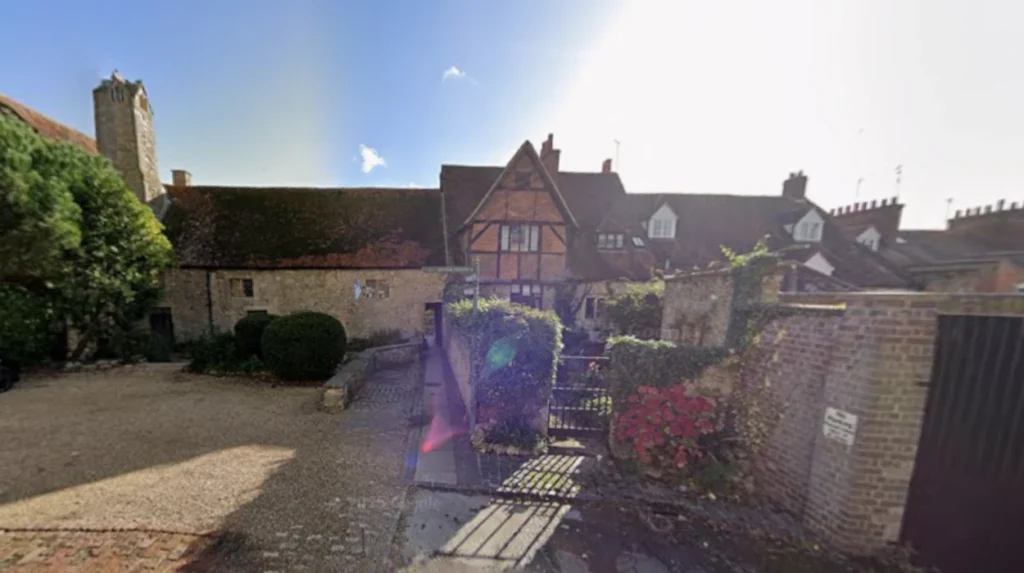
St Nicolas Church, Abbey Buildings, and other listed historic structures matter because they show how Abingdon developed beyond the abbey site into a working town. These buildings represent religious, civic, and domestic history in one walkable area.
St Nicolas Church is one of the named historic places recommended for visitors. Churches like this often preserve centuries of local continuity through architecture, memorials, and parish records. They are useful for understanding how daily religious life continued after monastic change.
Abbey Buildings and related structures show the town’s later development. They connect the monastic past to the lived town that replaced it. That makes them valuable for visitors who want more than a single landmark photo and instead want a layered sense of place.
Trendell’s Folly also appears on the visitor list. Folly structures are intentionally decorative or symbolic buildings, and in Abingdon they add variety to the historic landscape. They show that the town’s built environment includes both practical and expressive architecture.
What hidden or quieter places are worth time?
Hidden or quieter places in Abingdon include lesser-known heritage buildings, small local bookshops, the museum setting in County Hall, and backstreets around the town centre. These places suit visitors who want a slower experience away from the main tourist path.
The town council specifically notes that local bookshops also help visitors explore Abingdon’s history, alongside the museum in County Hall. That matters for travellers who prefer browsing, reading, and lighter cultural stops. It also gives residents and returning visitors a fresh way to experience the town.
Quiet streets around the centre often reveal the town’s strongest visual character. In historic English towns, the most memorable details are often not the headline attractions but the smaller facades, plaques, and side lanes. Abingdon fits that pattern well.
For first-time visitors, the rule is simple. Spend time near the main cluster, but keep enough time for unplanned wandering. That is where the town’s quieter value becomes visible.
Is Abingdon good for short stays?
Abingdon is well suited to short stays because its main attractions are concentrated in a compact area and do not require complex transport planning. A half-day visit covers the essential history, while a full day allows for the river, church stops, and slower exploration.
This compactness is the town’s biggest practical advantage. Visitors do not need a long itinerary to feel they have seen something substantial. The historic centre, museum, and nearby landmarks are all close enough for efficient walking.
Short-stay travellers benefit from that density. Business visitors can use an afternoon to see the town centre and river. Leisure travellers can combine a morning of heritage sites with lunch and a late riverside walk. That flexibility makes Abingdon an efficient destination rather than a demanding one.
The town also rewards repeat visits. A first visit can focus on the core landmarks, while later visits can dig into churches, side streets, and specific history. That structure supports evergreen travel planning because the town does not depend on seasonal events to remain relevant.
What should visitors do in one day?
A one-day visit should begin at County Hall, continue to the museum and central historic streets, move on to the Abbey Gateway and St Nicolas Church, and finish with a Thames-side walk. That sequence gives a balanced first impression of Abingdon’s history and atmosphere.
Start in the centre so you understand the town’s layout first. Then move through the named heritage buildings listed by the local tourism body. This order prevents backtracking and keeps the itinerary logical for first-time visitors.
A one-day plan also works well because Abingdon is not a town that demands long transfers between sites. The value lies in the relationship between places rather than in distance. A walkable route lets visitors see how the town developed around its historic core.
A practical one-day approach also leaves room for food, shopping, or work breaks. That makes the town useful for mixed-purpose travel, including leisure trips combined with remote work or business obligations.
How does Abingdon support work and downtime?
Abingdon supports work and downtime because it has a compact centre, heritage spaces, and calm riverside areas that fit around meetings or remote work. Visitors can use the town for short cultural breaks without needing to commit to a full leisure schedule.
This matters for business travellers and digital nomads who need efficient use of time. A historic centre with nearby sights gives a meaningful break without consuming the whole day. It also allows a visitor to move between work sessions and outdoor walking easily.
The town’s independent shops and museum area add structure to a flexible day. In practical terms, that means a person can work for part of the morning, tour the centre in the early afternoon, and return to work later. That pattern fits modern travel behaviour.
The river setting strengthens this use case. Calm outdoor areas help create separation between work and leisure, which improves the value of a short stay. Abingdon works best when treated as a high-efficiency heritage town.
Why is Abingdon still relevant in 2026?
Abingdon remains relevant in 2026 because it offers a reliable mix of history, walkability, and low-friction sightseeing that suits modern travel habits. Its appeal does not depend on temporary events, so it stays useful for evergreen search intent and year-round tourism planning.
That evergreen quality is important for visitors and for search engines alike. Abingdon’s core offer is stable: museum, historic centre, church architecture, abbey remains, and riverside walking. Those are not trend-based attractions. They are durable destination features.
The town also matches current visitor behaviour. Many travellers now prefer shorter, more flexible trips that combine culture, light activity, and easy logistics. Abingdon fits that model because it provides a clear experience without overload.
For a first-time visitor, the town answers a simple need: see a real historic English place without complexity. That is why it continues to perform well as a travel destination and as a search topic.
What is the best first visit plan?
The best first visit plan is a walkable heritage circuit centred on County Hall, the museum, the Abbey Gateway, St Nicolas Church, and the River Thames. This gives first-time visitors the fullest view of Abingdon in the least amount of time, with a balanced mix of history and scenery.
The town council and tourism listings support that route because they place the museum and major heritage buildings at the core of the visitor experience. The plan works because it follows the town’s own structure rather than imposing a tourist route from outside.
A good first visit does not need to be rushed. The town is small enough to cover quickly, but rich enough to reward slower attention. That combination is the main reason Abingdon works so well for beginners.
For most first-time visitors, the winning formula is simple: start in the centre, learn the history, walk to the river, and leave time for a final look at the older buildings. That sequence gives the clearest and most complete introduction to Abingdon.