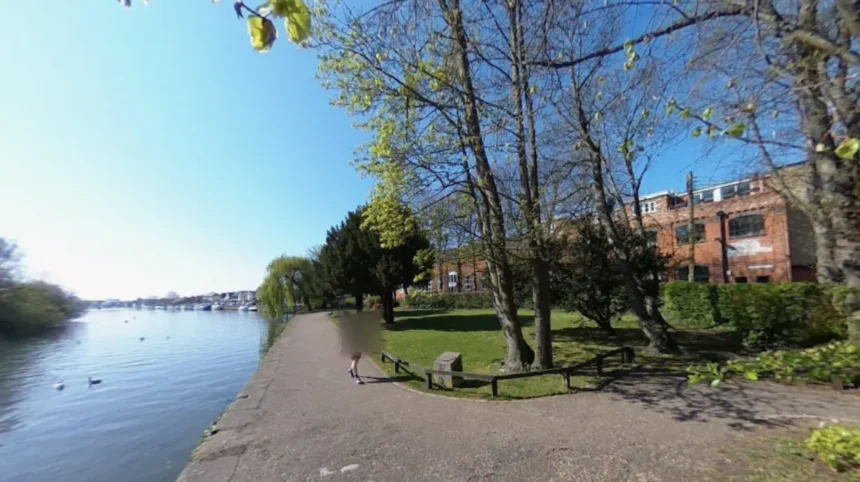
Abingdon‑on‑Thames offers a compact, walkable one‑day itinerary that combines Saxon‑era heritage, riverside scenery and independent retail within a 10‑minute bus ride from central Oxford. This guide structures a full‑day route for tourists, residents, digital nomads and business travellers, layering key sights, practical transit, and quieter spots into a coherent, repeat‑visits‑friendly day plan.
- Why spend a day in Abingdon from Oxford?
- How to get from Oxford to Abingdon in under 20 minutes
- What are the must‑see landmarks in central Abingdon?
- How much time should you realistically allocate?
- How to structure a one‑day itinerary from Oxford
- What are the best riverside walks and views?
- Where are the best cafes, pubs and restaurants?
- What hidden gems and quieter spots exist beyond the guidebooks?
- How to avoid crowds and plan for different seasons?
- How does Abingdon fit into Oxford’s broader day‑trip ecosystem?
- Practical tips for tourists, residents and digital nomads
Why spend a day in Abingdon from Oxford?
Abingdon is a compact market town of about 35,000 people, situated on the west bank of the River Thames roughly 6 miles (10 km) south of Oxford. Local marketing materials describe it as “one of the oldest continuously inhabited towns in England”, with documented settlement since the Saxon period. Its proximity to Oxford, combined with frequent buses and scenic riverside paths, makes it a practical half‑day or full‑day addition to any Oxford itinerary.
For tourists, Abingdon offers a gentler alternative to Oxford’s crowded colleges: timber‑framed houses, a historic market place, a small but rich museum, and multiple riverside walks. Residents and digital nomads can use it as a low‑stimulus town‑break destination, with coffee shops, libraries and quiet greenspaces suitable for remote work or short‑stays. Business travellers staying in Oxford can slip in a detached, non‑campus‑centric experience that still feels culturally and historically grounded.
How to get from Oxford to Abingdon in under 20 minutes
Several bus routes connect Oxford and Abingdon‑on‑Thames, with daytime services typically running every ten minutes on the busiest corridors. The most direct options are:
- X3/X13 “Oxford–Abingdon–villages” service: Departs from Oxford city centre and Oxford rail station, with St Aldates and Gloucester Green as main pick‑up points; journey time into central Abingdon is normally 15–20 minutes.
- Number 5 bus: Runs from Oxford Railway Station via St Aldates into Abingdon, linking up with the X3/X13; useful if you arrive by train.
- Number 4 and 35: Provide additional access from different parts of Oxford, including Wood Farm and the Churchill Hospital area, and run into central Abingdon roughly every 15–20 minutes during the day.
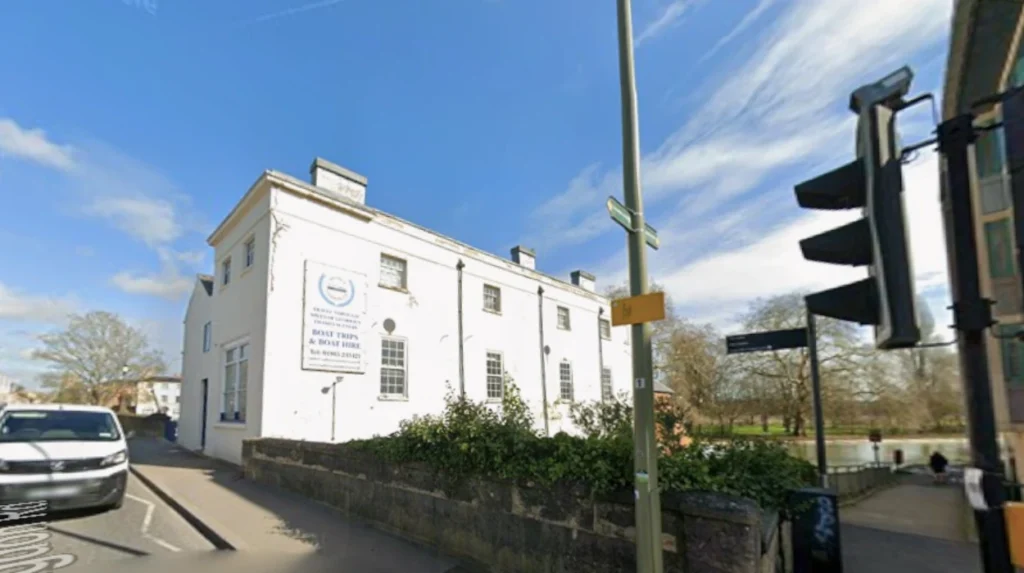
Abingdon has no railway station; the nearest rail nodes are Radley (for Oxford services) and Didcot Parkway (for intercity and Great Western lines), both requiring a short bus hop. River‑based options include Salter’s Steamers, which run from Folly Bridge in Oxford to Abingdon during the May–September season, offering a scenic transfer along the upper Thames.
What are the must‑see landmarks in central Abingdon?
A compact one‑day route can comfortably cover Abingdon’s historic core, utilising the town centre as a hub and radiating out to the riverside and Abbey sites. Key entities to target in order are:
- Abingdon Market Place: A Georgian/Regency square with a colonnaded market hall, independent shops and regular weekly markets.
- Abingdon Abbey Buildings and Abbey Gateway: A cluster of red‑brick and stone structures incorporating the former entrance to the Benedictine abbey and later civic buildings.
- Abingdon Museum: Housed in the former County Hall, it displays local history, archaeology and the Roald Dahl Children’s Gallery, a family‑oriented interactive space.
- St Helen’s Church and Long Alley Almshouses: A Grade I‑listed medieval church and a row of 17th‑century charity houses, often bundled into the town’s “old Abbey” heritage trail.
Starting at the Market Place, visitors can walk east along East St Helen Street to the Abbey Gateway, then loop past the Abbey Buildings and St Helen’s Church, which are all within 5–7 minutes on foot. This core sequence plays the same functional role as a small cathedral‑close circuit in a cathedral city, offering a visible, walkable spine of heritage assets.
How much time should you realistically allocate?
A one‑day plan from Oxford should assume a minimum of 6 hours on the ground in Abingdon, excluding travel time. This allows for:
- 1–1.5 hours for a focused walk through the central heritage cluster (Market Place, Abbey Gateway, Abbey Buildings, St Helen’s).
- 1–1.5 hours inside Abingdon Museum, including the Children’s Gallery if travelling with family.
- 1.5–2 hours of riverside walking and café‑dwelling along the Thames and Abbey Meadows.
- 1–1.5 hours for lunch, coffee stops, and independent‑shop browsing in the town centre.
Shorter versions (3–4 hours) can concentrate on the Market Place–Abbey–Museum core plus a cut‑down Thames walk, which is suitable for tourists combining Abingdon with another nearby destination such as Didcot or the Cotswolds. Digital nomads and residents may prefer to trim the museum and stretch the riverside café time, using the quieter late‑afternoon and early‑evening hours for less crowded work sessions.
How to structure a one‑day itinerary from Oxford
This section translates the above time estimates into a concrete, time‑stamped skeleton suitable for quick planning.
Morning: arrival and heritage core
Arrive in Abingdon by 09:30–10:00 via X3/X13 or X2 from Oxford, then walk to Market Place within five minutes. Use the first 45–60 minutes to explore the Market Hall and immediate streets, noting the surviving Georgian facades and the sparse but steady presence of a weekly market.
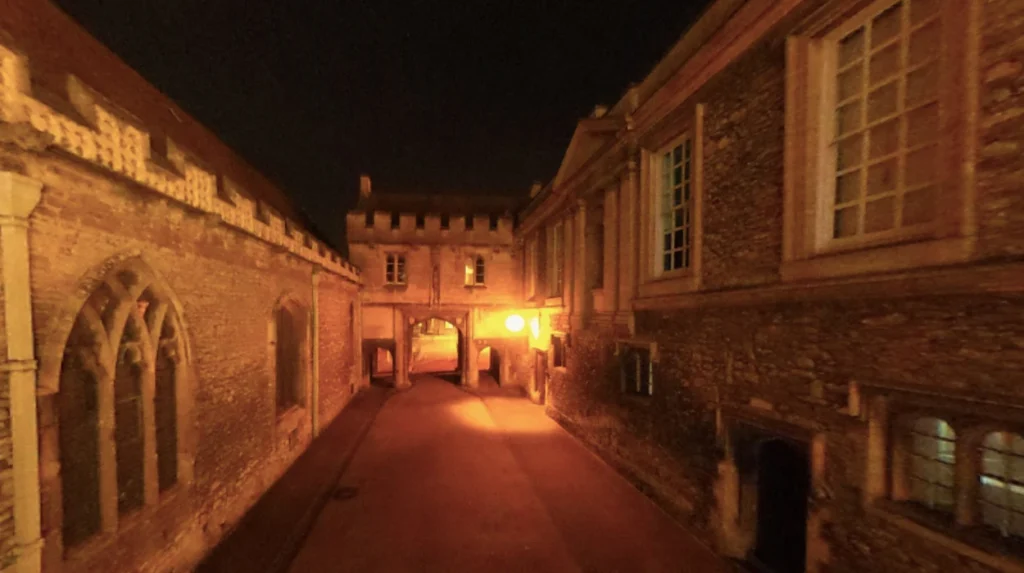
From 10:30–11:30, follow the Abbey Heritage Walk leaflet route from St Nicolas Church (near the museum) to the Abbey Gateway and then to the Abbey Buildings and St Helen’s Church. These 3‑4 sites are physically close and can be covered in a single, uninterrupted loop, with interpretive boards explaining the lost Benedictine abbey that once dominated the town. As you explore the modern site, you are crossing land with a deep heritage. Read about the full history of Abingdon Abbey and its dissolution to understand its origins, suppression under Henry VIII and later repurposing as civic buildings.
Late morning: museum and children’s gallery
From 12:00–13:00, visit Abingdon Museum in the former County Hall, which sits just off the Market Place and Abbey Buildings cluster. The museum uses the ground‑floor and first‑floor galleries to present local prehistory, Roman material, monastic life, and 18th–19th‑century civic history, plus temporary exhibitions. The Roald Dahl Children’s Gallery on the upper floors offers hands‑on exhibits themed around the author’s Oxfordshire roots and family connections, making it especially suitable for families with primary‑school‑age children.
Opening hours are typically 10:00–17:00 on weekdays, with shorter hours on weekends; pre‑booked school groups sometimes occupy parts of the Children’s Gallery, so advance checking is advisable. Admission is low‑cost or free for children, and the museum is architecturally notable for its 18th‑century County Hall shell and rooftop views over the town.
What are the best riverside walks and views?
Abingdon’s largest green space is Abbey Meadows, a riverside park on the west bank of the Thames immediately south of the Abbey Buildings and the old town centre. The park combines formal lawns, a seasonal outdoor pool, play areas and riverside paths, enabling short strolls and longer Thames‑path‑style walks.
A representative route for visitors is:
- Cross from the Abbey Gateway side of the river via the Weir or Abingdon Lock footbridges, then enter Abbey Meadows from the south.
- Walk east along the riverside path for 10–15 minutes, passing the outdoor pool complex and then looping back through the formal gardens towards the Abbey Buildings.
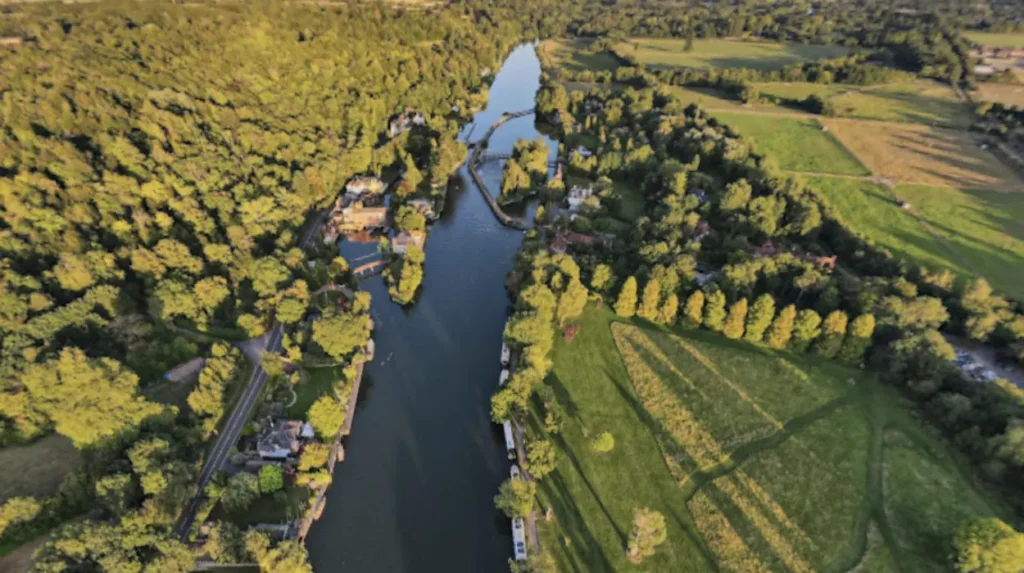
This loop, roughly 30–40 minutes in total, sits within the wider Thames Path corridor; longer walks can continue upstream toward Radley or downstream toward Clifton Hampden, often used by local walkers and runners. Views include houseboats, moored barges, and the opposite bank’s fields and woodland, which are framed by the low‑lying Oxfordshire topography.
Where are the best cafes, pubs and restaurants?
Abingdon’s town‑centre dining cluster centres on Market Place and the adjacent streets (East St Helen Street, West St Helen Street, Bridge Street), with at least a dozen independent cafés and pubs within a 200‑metre radius. Typical offerings include:
- Coffee and light bites: Several independent cafés use the Market Place and side streets as a base, providing takeaway flat‑whites, pastries and light lunches suitable for tourists and remote workers.
- Traditional pubs: Heritage‑listed inns such as the Greyhound and similar riverside/Town‑Centre venues serve classic pub food, craft beer and Thames‑view seating in warmer months.
- Lunch‑focused restaurants: A mix of Indian, Italian and modern‑British restaurants operate in the core, with lunch‑service windows typically 12:00–14:30.
For a typical one‑day itinerary, lunch at a riverside pub or café near Abbey Meadows combines food and scenery, while a quicker coffee stop in the Market Place suits a mid‑morning or early‑afternoon break. Digital nomads can map this to a “work‑break‑work” pattern: 60–90 minutes of focused work in a café, followed by a 30‑minute riverside walk and then another 60‑minute café session.
What hidden gems and quieter spots exist beyond the guidebooks?
In addition to the main heritage and riverside nodes, Abingdon offers several less‑prominent attractions that suit residents, digital nomads and repeat visitors. These include:
- Pendon Museum: A rural‑transport and model‑railway museum about 2 miles south of Abingdon centre, noted for detailed miniature landscapes and Lea‑Valley‑railway‑heritage displays. It is typically open weekends and selected weekdays, with single‑admission tickets and occasional family‑pricing.
- Millets Farm Falconry Centre: Located a short drive from Abingdon, this centre offers bird‑of‑prey displays and flying demonstrations, primarily aimed at families and school groups.
- Bothy Vineyard: A small local vineyard to the south of Abingdon that runs guided tastings and tours, often marketed as a “hidden‑gem” day‑trip stop for visitors combining Oxford and Abingdon with a rural‑winery experience.

These sites are not walkable from the town centre and require a 10–15‑minute car or taxi transfer, making them suitable as add‑ons for day‑trips specifically planned around vehicle access. For visitors relying solely on buses, the best “hidden” option is the quieter stretch of the Thames Path south of Abbey Meadows, which avoids the main tourist core and offers a more contemplative riverside experience.
How to avoid crowds and plan for different seasons?
Seasonal and daily patterns affect how crowded Abingdon feels, although the town rarely approaches Oxford’s peak‑day congestion. Key factors are:
- Summer weekdays: The town centre and Abbey Meadows are busiest between 11:00–15:00, especially when school groups visit the museum or when river‑cruiser services from Oxford disembark.
- Weekends and bank holidays: Market days and local events (including occasional bun‑throwing ceremonies from the Museum roof) can create short bursts of footfall in the Market Place.
- Winter and off‑peak weekdays: Visitor numbers drop, cafés and pubs retain a steady local trade, and riverside paths are at their quietest.
For low‑crowd experiences, aim for early mornings (07:30–09:30) or late afternoons (16:00–18:00); these windows also suit photography and uninterrupted work‑session‑style café visits. Digital nomads can use the low‑noise, small‑town environment as a “micro‑retreat” base, supplementing café time with walks along the Thames Path or the quieter back‑streets east of the Market Place.
How does Abingdon fit into Oxford’s broader day‑trip ecosystem?
Abingdon positions itself as a local, river‑oriented counterweight to Oxford’s university‑centric and heritage‑tourist offer. Tourism data for the South East England region groups it alongside towns such as Henley‑on‑Thames and Wallingford as “compact historical riverside towns” within easy reach of Oxford, Stratford and the Cotswolds.
From Oxford, Abingdon can function as:
- A half‑day riverside adjunct (combining a short Oxford college visit with a 4–5‑hour Abingdon stint),
- A full‑day standalone destination for those seeking a quieter, less institutionalised English‑market‑town experience, or
- A launch‑point for wider Thames‑based routes, such as boat trips to Goring and beyond, or cycling along the Thames Path.
Resident and business‑travel audiences can use this positioning to justify Abingdon as a “low‑cost, high‑ambience” day‑trip hub, avoiding the need to travel to London or more distant heritage sites for a culturally grounded half‑day away.
Practical tips for tourists, residents and digital nomads
To maximise the day‑trip value, consider the following genre‑specific tips:
- Tourists: Combine the Market‑Place–Abbey–Museum core with a riverside walk and one café stop; allocate 15–20 minutes per major site and allow 10 minutes for each transition. Buy a Thames Path guide or local‑walk map at the museum or tourist information point to extend your walk beyond the obvious routes.
- Residents and digital nomads: Target quieter cafés away from the immediate Market‑Place frontage (often on parallel streets such as Ock Street or East St Helen Street) for more stable Wi‑Fi and less noise. Use Abbey Meadows as a mid‑day or late‑afternoon “movement break” space, then return to a café for a second work session.
- Business travellers: Plan an after‑work window of 17:00–19:00, when the town centre has thinned out and riverside pubs offer a relaxed atmosphere without the mid‑day tourist rush. Pair this with a short pre‑dinner walk along the Thames Path to mentally separate work and leisure time.
All visitors should verify current opening times for the museum, children’s gallery and specific cafés, as seasonal changes and local events can shift hours.
By anchoring the day to Abingdon’s heritage core, threading in riverside walking and café‑based work breaks, and layering on quieter, less‑branded attractions, this one‑day structure satisfies tourists, residents and mobile professionals alike. The compact size, frequent bus links from Oxford and clear visual anchors (Market Place, Abbey Gateway, riverside) make it a reliable, repeat‑visit‑friendly destination that supports both quick planning and deeper exploration.