
Oxfordshire District Council is the general term used to describe the group of local district and borough councils that operate under the wider umbrella of Oxfordshire County Council in southern England. These councils are responsible for providing many day‑to‑day local government services to residents in defined geographic areas such as Oxford, Abingdon, Witney, Banbury and surrounding towns and villages.
- What is Oxfordshire District Council?
- How many district councils are there in Oxfordshire?
- What services does an Oxfordshire district council provide?
- How does Oxfordshire District Council differ from Oxfordshire County Council?
- Who runs an Oxfordshire district council?
- How do residents interact with Oxfordshire District Council?
- What are the main housing and homelessness duties of Oxfordshire District Council?
- How does Oxfordshire District Council handle planning and building control?
- What role does Oxfordshire District Council play in waste and recycling?
- How is Oxfordshire District Council funded?
- What are the future challenges for Oxfordshire District Council?
Each district council operates as a separate legal entity but works in parallel with the county council, which manages longer‑range, strategic services such as education, social care and major roads. This structure follows the two‑tier local government model used in much of England, where district councils handle local housing, planning, waste collection and environmental health, while the county council covers broader public services. Understanding what Oxfordshire District Council means in practice is important for residents who need bins emptied, planning permission, housing support or local licensing decisions.
What is Oxfordshire District Council?
Oxfordshire District Council refers collectively to the five district and borough councils in Oxfordshire: Oxford City Council, Cherwell District Council, South Oxfordshire District Council, Vale of White Horse District Council and West Oxfordshire District Council. Each of these councils is a democratically elected local authority covering a clearly defined area with its own council officers, budget and council chamber. They are created by the Local Government Act 1972 and derive their powers from national legislation passed by the UK Parliament. This means that while each district council can set local policies and priorities, it must operate within the legal frameworks set by central government. Oxfordshire County Council sits above these district councils in the hierarchy, setting county‑wide strategies and coordinating services that cross district boundaries. The result is a layered system where residents interact mainly with their district council for local services and with the county council for larger‑scale, strategic functions.
How many district councils are there in Oxfordshire?
There are five district or borough councils in Oxfordshire: Oxford City Council, Cherwell District Council, South Oxfordshire District Council, Vale of White Horse District Council and West Oxfordshire District Council. Oxford City Council governs the city of Oxford itself, an urban area with a relatively high population density and a strong student presence from the University of Oxford.
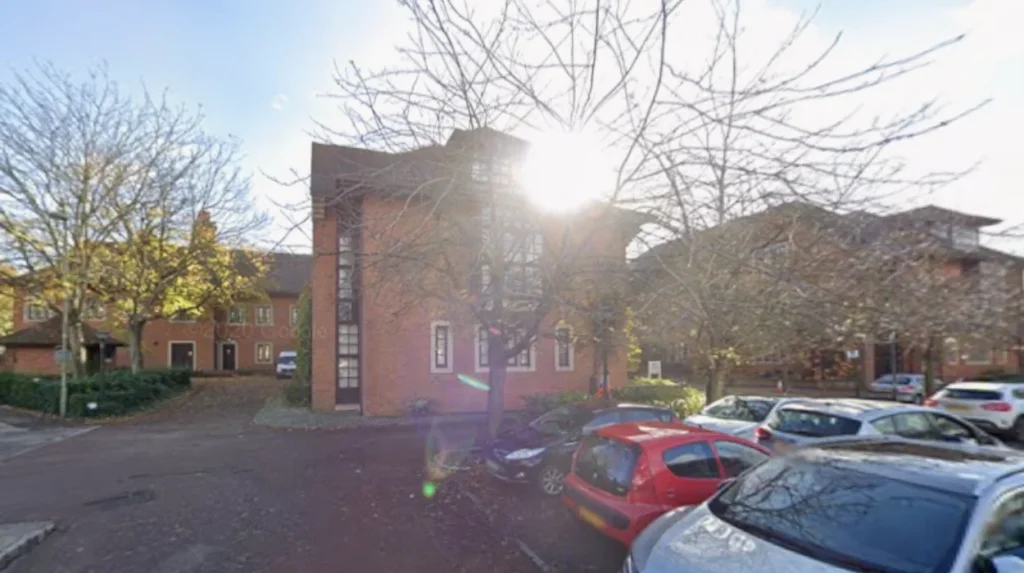
Cherwell District Council covers the Banbury area and surrounding towns and villages, including large parts of the north‑east of the county. South Oxfordshire District Council serves areas around Wallingford and Didcot, while Vale of White Horse District Council covers Abingdon and the northern part of the Vale of White Horse. West Oxfordshire District Council manages Witney, Chipping Norton and the western rural parts of the county. Each of these councils has its own council leader, cabinet and elected councillors, and each maintains its own official website, customer‑service channels and local planning framework.
What services does an Oxfordshire district council provide?
An Oxfordshire district council provides a range of local statutory and discretionary services that affect residents’ daily lives. These include housing and homelessness prevention, council tax collection, street cleansing and household waste collection, local planning and building control, environmental health inspections, licensing for premises and vehicles, and management of local parks and leisure facilities. Housing services involve allocating social housing, managing council properties, assessing homelessness applications and providing temporary accommodation where required.
Waste and recycling services typically involve weekly or fortnightly bin collections, garden‑waste schemes and bulky‑item disposal programs. Environmental health covers food‑safety inspections at restaurants, pest control, noise complaints and air‑quality monitoring. Licensing covers alcohol‑sales premises, gambling venues, taxi operators and street trading. Council tax collection is a major financial responsibility, with each district council setting its own portion of the bill alongside precepts collected on behalf of other bodies such as the county council and police. Parks and leisure services may include swimming pools, sports centres, play areas and allotment management, depending on the district.
How does Oxfordshire District Council differ from Oxfordshire County Council?
Oxfordshire District Council and Oxfordshire County Council are separate tiers of local government with distinct responsibilities even though they both operate in the same geographic county. The district councils are closer to the household level and focus on local services such as housing, planning permission, bins and local highways maintenance, while the county council is responsible for larger‑scale, strategic services such as education, social services for children and adults, public transport, major road networks, libraries and fire and rescue.
For example, if a resident needs to apply for planning permission for a home extension or report a missed bin collection, they deal with their local district council. If they need school admissions, social‑care assessments, or information about bus routes and county‑wide transport schemes, they interact with Oxfordshire County Council. Both tiers are funded partly through council tax, but the exact split of the bill is set annually by each council according to its statutory duties and budget requirements. This two‑tier system allows some specialization of functions, with districts focusing on local property and community matters and the county focusing on wider public infrastructure and welfare.
Who runs an Oxfordshire district council?
An Oxfordshire district council is run by elected councillors and a professional council‑officer team. Each district is divided into wards, and voters in each ward elect at least one councillor to represent them on the council. The total number of councillors varies by district, with Oxford City Council having more seats than more rural districts such as West Oxfordshire. Political parties compete in local elections, and the party or group that wins the most seats usually forms the administration, appointing a council leader and a cabinet to make policy decisions.

In some districts the council may be under no‑overall‑control status, meaning no single party has a majority and decisions are made through coalition or consensus arrangements. Alongside elected members, each council employs a chief executive and a senior management team of officers who are responsible for implementing decisions, managing staff, budgets and contracts. Council meetings are usually held in public, with agendas and minutes published online, and members of the public can attend, speak during council sessions and submit written questions to elected members. This structure ensures that local political decisions are made by representatives chosen by residents, while professional staff handle operational delivery.
How do residents interact with Oxfordshire District Council?
Residents interact with Oxfordshire District Council mainly through online services, telephone contact centres and in‑person appointments or drop‑in sessions. Each district council operates a main website where residents can report issues such as missed bin collections, request council‑tax changes, apply for planning permission, renew vehicle tax discs or report environmental‑health problems. Customer‑service telephone lines are available for enquiries about housing, council tax, recycling and local facilities, and many councils also offer web‑based chat or email support.
Some districts run physical customer‑service points in town‑centre offices or libraries, where residents can obtain face‑to‑face help with applications, forms and queries. Residents can also attend council meetings, serve on scrutiny committees, sign petitions, speak during public‑questions sessions and respond to local consultation exercises. Participation in elections every four years is another key way residents influence how Oxfordshire district councils operate. These interaction channels are designed to make it straightforward for residents to access core services and to hold local decision‑makers accountable.
What are the main housing and homelessness duties of Oxfordshire District Council?
Oxfordshire District Council has a statutory duty to prevent homelessness and to provide temporary accommodation for eligible applicants who meet certain conditions. Each district council must assess people who present as homeless or at risk of becoming homeless, check their eligibility for housing assistance and, where appropriate, offer advice, mediation with landlords or help to obtain alternative accommodation. If a person is found to be unintentionally homeless and has a priority need, for example because they have children or are vulnerable due to health or disability, the council must usually secure temporary accommodation while seeking a longer‑term solution.
District councils also manage allocations of social housing through a housing register, applying locally agreed banding or points‑based systems to prioritise those with the greatest need. In addition to social housing, many districts run shared‑ownership schemes, affordable‑rent initiatives and partnerships with housing associations to increase the supply of lower‑cost homes. Homelessness prevention services may include legal advice, debt‑advice referrals and temporary financial support such as discretionary housing payments when benefit changes or rent increases place households at risk of eviction.
How does Oxfordshire District Council handle planning and building control?
Oxfordshire District Council is responsible for local planning and building‑control decisions within its district boundary. Planning functions include determining applications for new housing, commercial premises, extensions and changes of use, assessing developments against the local‑plan policies and national planning guidance. Each district council prepares a local plan that sets out where new housing and jobs should be located, how much development is appropriate and what design standards must be met. Building control ensures that construction work complies with the Building Regulations, covering structural safety, fire safety, energy efficiency and accessibility.
Councils usually charge fees for planning applications and building‑control inspections, with some standard exemptions such as routine householder applications. Public consultation is a standard part of the planning process, with draft applications displayed on council websites and local noticeboards, and residents invited to submit comments. Decisions are then made by planning officers or by elected planning committees, depending on the size and complexity of the proposal. These functions help balance development pressure with the need to protect local character, green spaces and residents’ quality of life.
What role does Oxfordshire District Council play in waste and recycling?
Oxfordshire District Council organises household waste collection, recycling, bulky‑waste removal and local fly‑tipping enforcement within its district. Most districts use a kerbside‑collection system with separate bins for general waste, recycling and sometimes garden waste, collected on a weekly or fortnightly schedule. Recycling typically includes paper, card, cans, glass and plastics, with detailed guidance provided on how items should be cleaned and separated. Bulky‑waste services allow residents to book collections of large items such as furniture, white goods and mattresses, often for a small fee.
District councils also operate or commission household‑waste‑recycling centres, commonly known as tips or recycling centres, where residents can drop off a wider range of materials including hazardous waste. Fly‑tipping enforcement involves responding to reports of illegally dumped rubbish, identifying offenders where possible and arranging removal of waste at the council’s expense when private landowners cannot be traced. By promoting recycling and reducing contamination, these services help districts meet national waste‑reduction targets and reduce the flow of material to landfill.
How is Oxfordshire District Council funded?
Oxfordshire District Council is funded through a combination of council tax, business rates, government grants and fees charged for specific services. Each district council sets its own council‑tax base amount, which forms part of the overall council‑tax bill that also includes amounts set by Oxfordshire County Council, the police and crime commissioner and, in some areas, parish councils. Business rates are collected centrally but then redistributed, with districts receiving a share to fund local services.
Central‑government grants have reduced significantly since 2010, leading districts to rely more heavily on locally raised income and to seek savings through efficiency measures and shared services. Service fees cover charges for items such as planning applications, building‑control inspections, parking permits, leisure‑centre memberships and some environmental‑health activities. Fundamentally, each Oxfordshire district council must balance its statutory duties with available resources, which means that budget‑setting and spending priorities are central features of local council work. Residents can inspect budget documents and service‑commissioning reports, which councils publish as part of their transparency obligations.
What are the future challenges for Oxfordshire District Council?
Oxfordshire District Council faces ongoing challenges related to housing pressure, climate change, infrastructure capacity and financial constraints. Housing demand in Oxford and surrounding areas remains high, driven by population growth, the presence of the University of Oxford and strong labour‑market demand, which puts pressure on local‑plan targets and affordable‑housing provision. Climate‑change targets require districts to promote low‑carbon development, improve energy efficiency of homes, expand cycling and walking infrastructure and manage flood‑risk and green‑space loss.
At the same time, limited funding compels councils to prioritise services, often leading to reductions in non‑essential spending or the outsourcing of some functions. Digital transformation is another key challenge, as residents increasingly expect online services, responsive websites and mobile‑friendly interfaces. To maintain relevance and effectiveness, Oxfordshire district councils must keep refining their planning, housing, waste and environmental‑health strategies while remaining accountable to local communities through transparent decision‑making and genuine public engagement.