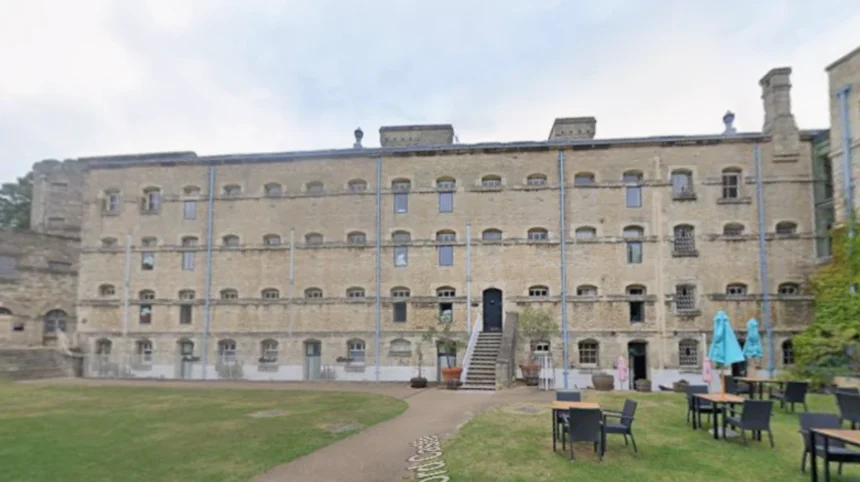
Luxury suites in former mansions blend aristocratic architecture, historical ambiance, and high‑end service into a distinct hospitality segment. These properties repurpose large private residences into small, intimate hotels where each suite reflects the building’s original character while meeting contemporary comfort standards. The concept is especially visible in cities such as Oxford, where centuries‑old mansions and townhouses have been converted into five‑star boutique hotels and boutique lifestyle accommodations.
- What are luxury suites in former mansions
- Why former mansions are converted into luxury suites
- How luxury suites in former mansions differ from regular hotel suites
- What historical features are typically preserved in these suites
- How these suites are designed for modern comfort and technology
- What types of travels typically choose these suites
- Which cities and regions have notable examples
- What are the typical price ranges and value proposition
- How preservation and renovation regulations affect these suites
- How travellers should choose the right mansion suite for their needs
- What future trends are shaping luxury suites in mansions
What are luxury suites in former mansions
Luxury suites in former mansions are high‑end guest rooms located within buildings that were originally private grand residences, often dating from the 18th, 19th, or early 20th centuries. These suites usually occupy portions of the original drawing rooms, ballrooms, or principal bedrooms, retaining features such as high ceilings, ornate moldings, fireplaces, and period‑style windows. The conversion process preserves the mansion’s architectural core while upgrading interiors with modern HVAC, en‑suite bathrooms, smart entertainment systems, and premium bedding.
Many of these properties operate as boutique hotels of between 20 and 50 rooms, where each suite is individually designed and decoratively themed. Typical in‑suite amenities include oversized beds or four‑poster beds, walk‑in showers or deep soaking tubs, curated minibars, Nespresso or premium coffee setups, and designer bath linens. The goal is to provide a residential‑like experience: guests feel as if they are staying in a private home rather than a standardized hotel chain.
Why former mansions are converted into luxury suites
Former mansions are converted into luxury suites because their architecture, location, and history create a rare marketable proposition in the premium‑travel segment. Large private homes often sit in central or semi‑central urban areas, such as Oxford’s historic core or nearby parkland, giving guests easy access to universities, museums, and cultural landmarks. Owners and developers can justify higher nightly rates by tying the stay to heritage status, architectural authenticity, and a sense of exclusivity.
Economic logic also underpins these conversions. Maintaining a large, unoccupied mansion in a city like Oxford incurs substantial heating, maintenance, and property‑tax costs. Transforming it into a boutique hotel with multiple luxury suites spreads those costs across several revenue‑generating units. Many of these projects are eligible for heritage or conservation‑area grants, and local authorities often encourage such reuse because it preserves the urban fabric and avoids demolition.
How luxury suites in former mansions differ from regular hotel suites
Luxury suites in former mansions differ from regular hotel suites in scale, architectural character, and service intensity. Standard hotel suites are built within purpose‑designed towers or low‑rise blocks, with modular floorplates and repeatable room layouts. Mansion‑turned‑hotel suites are carved out of irregular, historically layered floorplans, which often results in unique room shapes, asymmetrical layouts, and non‑standard ceiling heights. These idiosyncrasies are marketed as distinctive features rather than design flaws.
The level of personalization is also higher. Regular hotel suites follow chain‑wide design guidelines; mansion suites are typically individually furnished, with bespoke color schemes, curated artwork, and furniture selected to echo the building’s period. In Oxford‑area properties, suites may feature references to local colleges, literary history, or specific historic figures linked to the house. Service in mansion suites also tends to lean toward residential‑style hospitality, with fewer rooms per floor, more tailored check‑ins, and concierge teams who can explain the building’s history.
What historical features are typically preserved in these suites
In luxury suites within former mansions, key historical features that are preserved include original stonework, cornices, ceiling roses, plasterwork, wood‑panelled walls, carved fireplaces, and large sash or bay windows. Many Oxford‑area mansions retain Georgian or Victorian façades, even when internal layouts are reconfigured; windows are often restored rather than replaced, with period‑style glazing and shutters. Original staircases, hallways, and entrance halls are frequently kept as public circulation spaces, forming the “grand” approach to the private suites.
Fireplaces are particularly emphasized in suite design. Even if fireplaces are no longer used for heating, many are restored as focal points, sometimes with decorative electric or gas inserts that maintain the visual effect. Hardwood flooring, marble or tiled hallways, and original doorways or fanlights are also commonly retained or carefully replicated. In heritage‑listed properties, planning regulations require that significant historic fabric be preserved, which in practice means that only discreetly integrated modern services—such as Wi‑Fi wiring or under‑floor heating—can be added behind period‑style finishes.
How these suites are designed for modern comfort and technology
Luxury suites in former mansions are designed for modern comfort by integrating technology and climate control without visually disrupting historic interiors. Climate systems are typically zoned, with discreet vents and thermostats hidden in mouldings or behind cabinetry. Under‑floor heating is common in bathrooms and sometimes in main living areas, allowing even warmth without visible radiators. Advanced glazing in original‑style windows helps reduce noise and heat loss while maintaining the external appearance.
In‑room technology is usually minimalist but high‑end. Suites may include smart lighting controls, key‑card or mobile‑app room entry, and integrated sound systems that pipe music through concealed speakers. Televisions are often mounted in such a way that they do not break the room’s symmetry, or they are hidden in cabinets that can be closed when not in use. Bathrooms are fully modernized with rainfall showers, heated towel rails, and high‑end bathroom brands, all fitted within the constraints of existing room dimensions.
What types of travels typically choose these suites
Luxury suites in former mansions attract several distinct traveler segments. The first group is affluent leisure travelers seeking cultural or heritage experiences; they prioritize location in historic districts, proximity to sites such as Oxford University colleges, and stays that feel intellectually or aesthetically enriching rather than purely transactional. A second group consists of business travelers from high‑end sectors—finance, consulting, senior academia—who book suites for longer stays and value privacy, workspace, and residential‑style comfort.
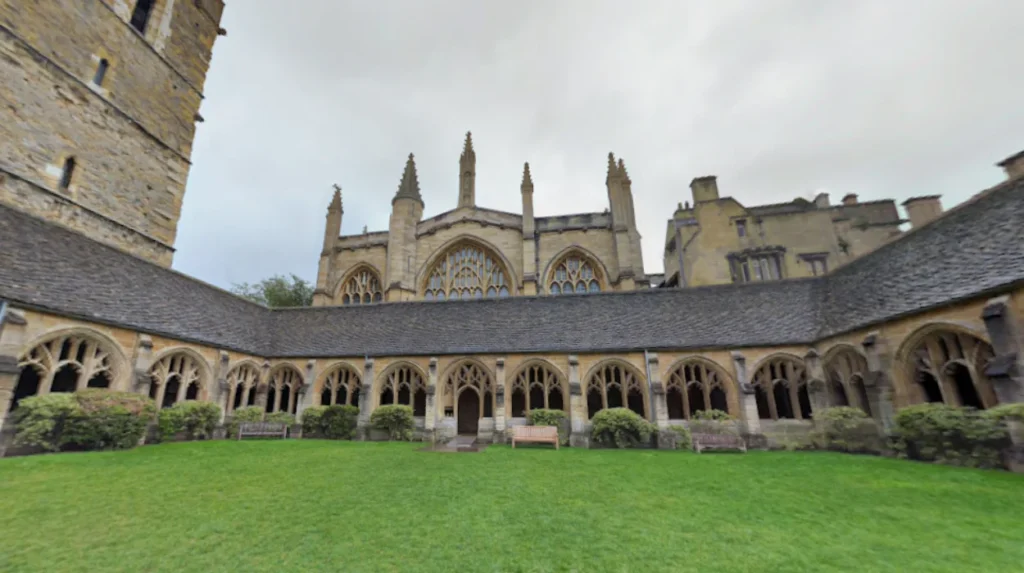
A third segment is special‑occasion travelers, including couples celebrating anniversaries or milestone events, who are drawn to the romantic, “palatial” atmosphere of a mansion‑style suite. Wedding guests, commencement‑week visitors to Oxford, and parents of university students also frequently choose these properties for their perceived prestige and proximity to campus life. These travelers are willing to pay a premium for suites marketed as “historic,” “heritage,” or “country‑house‑style,” even if the building is fully within the city.
Which cities and regions have notable examples
Notable examples of luxury suites in former mansions exist in multiple European cities and historic regions. Oxford itself hosts several properties that occupy large former residential or institutional buildings, such as the Old Parsonage Hotel and Vanbrugh House Hotel, both of which frame themselves as heritage or country‑house‑style accommodations with individual suites. Central Oxford’s historic hotels frequently advertise “grand period character” and “grand old homes turned five‑star hotels,” emphasizing their lineage over standard chain brands.
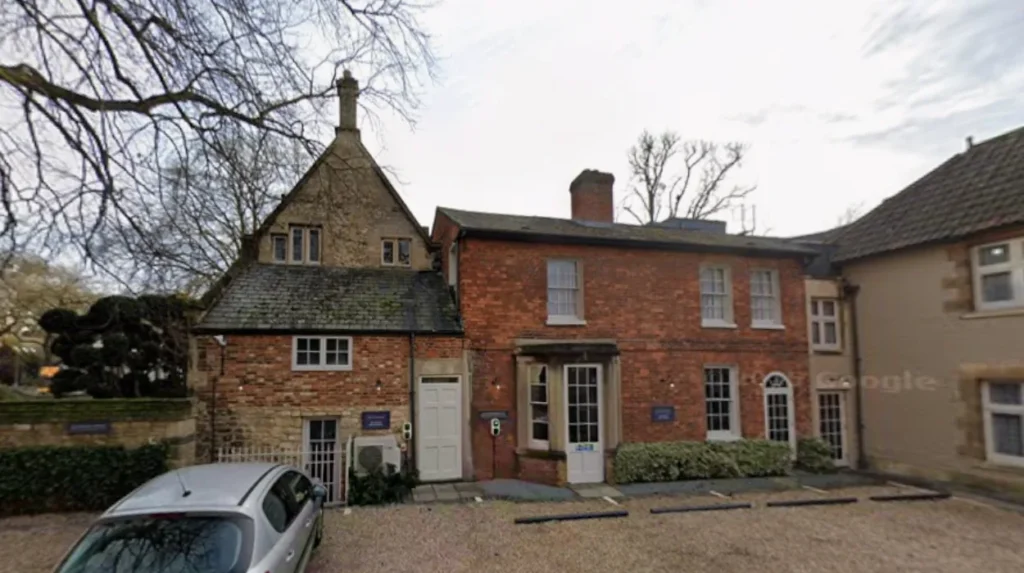
Beyond Oxford, London’s Mayfair and Knightsbridge districts contain several converted townhouses with luxury suites, rooted in 18th‑ and 19th‑century architecture. Edinburgh offers converted Georgian townhouses and mansions that operate as boutique hotels. In continental Europe, cities such as Paris, Florence, and Vienna feature former aristocratic mansions and palaces adapted into small luxury hotels, often with suites named after the original owners or historical events tied to the building. These locations are consistently marketed as combining city access with estate‑like ambiance.
What are the typical price ranges and value proposition
Luxury suites in former mansions generally command higher price points than standard hotel suites in the same city. In Oxford and similar UK university cities, comparable four‑ or five‑star suites in conventional hotels may start around 200–300 GBP per night, whereas heritage‑style mansion suites often begin in the 350–500 GBP range, with premium or larger suites exceeding 700–900 GBP on busy dates. These prices reflect the limited number of rooms, aspirational branding, and the added cost of maintaining historic fabric.
The value proposition hinges on perceived exclusivity, architectural authenticity, and service density. Guests pay for the sense of being in a socially and culturally significant building, often with smaller guest‑to‑staff ratios and more personalized attention. Add‑ons such as breakfast, afternoon tea, or private tours of the property’s history are frequently bundled or marketed as part of the experience. For many travelers, the price is justified if the stay aligns with a specific occasion, such as a graduation, academic visit, or cultural tourism trip.
How preservation and renovation regulations affect these suites
Preservation and renovation regulations strongly shape how luxury suites in former mansions are designed and operated. In the United Kingdom, many such buildings are listed or sit within conservation areas, meaning that external alterations, façade changes, and major structural works require planning permission. Local authorities may restrict the addition of lifts, air‑conditioning units, or large‑scale extensions that would visually disrupt the historic streetscape.
Internally, regulations often require that key features—staircases, stair halls, principal rooms, and certain decorative elements—be preserved or restored rather than removed. Developers therefore tend to install modern services in non‑principal areas, such as basements or service wings, and to minimize changes to original layouts. Some projects must submit conservation‑impact assessments and work with heritage architects, adding cost and time to the renovation schedule. In practice, these rules both protect the heritage character that attracts guests and constrain the flexibility of interior design.
How travellers should choose the right mansion suite for their needs
Travellers should choose the right mansion suite by aligning the property’s features with their practical requirements and travel goals. First, consider location relative to Oxford University colleges, museums, and transport hubs; some converted mansions sit on main roads with easier access, while others are tucked into quieter residential streets or parks. Second, check suite types—examples include classic suites, junior suites, and larger suites with separate sitting areas or terraces—and match the size to the number of guests and expected length of stay.
Third, review the specific amenities that matter for the trip, such as workspace, breakfast included in the rate, Wi‑Fi reliability, and accessibility features. Travellers with mobility needs should verify whether lifts or step‑free access are available, as older buildings may not meet modern accessibility standards without significant retrofitting. Finally, compare the property’s historical narrative and design style against personal preferences; some travellers explicitly seek “Georgian grandeur,” “Victorian opulence,” or “country‑house cosiness” and may prioritize suites that advertise those themes.
What future trends are shaping luxury suites in mansions
Future trends in luxury suites within former mansions include deeper integration of experiential hospitality, stricter sustainability requirements, and enhanced digital integration. Many operators are moving beyond pure accommodation by offering curated cultural experiences—walking tours linked to the building’s history, literary or academic events, or private dining in restored salons—positioning the suite as a gateway to local heritage. These experiences are increasingly marketed as “immersive” or “story‑driven,” appealing to travelers who value context over commodified amenities.
Sustainability regulations and guest expectations are also influencing renovations. Hotels are retrofitting older mansions with energy‑efficient boilers, LED lighting, water‑saving fixtures, and low‑impact insulation, while still preserving historic fabric. Certification schemes such as green hotel or heritage‑friendly sustainability labels may become more prominent in the sector. At the same time, artificial‑intelligence‑driven personalization—for example, AI concierge assistants that tailor recommendations based on guest profiles—is beginning to appear in high‑end boutique properties, offering a bridge between heritage atmosphere and modern convenience.