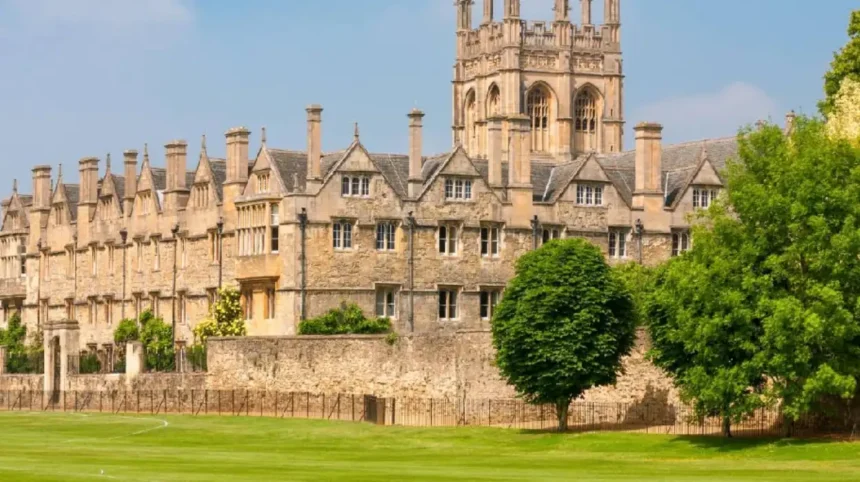
Merton College Fellows Garden stands as one of Oxford’s most historically significant enclosed green spaces. This walled garden belongs to Merton College, founded in 1264, making it among the oldest colleges within Oxford University. The garden occupies approximately 2.5 acres adjacent to the college buildings on Merton Street in central Oxford. Its stone walls date from the medieval period, with sections constructed in the 13th and 14th centuries.
- What is the Historical Significance of Merton College Fellows Garden?
- Where is Merton College Fellows Garden Located in Oxford?
- What Architectural Features Define the Garden’s Structure?
- How Does the Garden Layout Reflect Different Historical Periods?
- What Plant Collections and Trees Make the Garden Notable?
- How Has Garden Maintenance Evolved Over Centuries?
- What Distinguishes Merton’s Garden from Other Oxford College Gardens?
- FAQs About Merton College Fellows Garden, a Historic Oxford
- Can visitors access Merton College Fellows Garden throughout the year?
- Is Merton College Fellows Garden the oldest college garden in Oxford?
- What is the best time to visit Merton College Fellows Garden for flowering displays?
- How does Dead Man’s Walk relate to Merton College Fellows Garden?
- Are there guided tours available for Merton College Fellows Garden?
The space is served exclusively for fellows of the college, providing private recreational grounds away from academic duties. Today, the garden represents a rare surviving example of collegiate garden design spanning multiple architectural periods. Visitors encounter Victorian landscaping overlaid upon medieval foundations, creating a unique botanical and historical experience. The site maintains protected status as part of the Merton College conservation area within Oxford city center.
What is the Historical Significance of Merton College Fellows Garden?
Merton College Fellows Garden holds exceptional historical value as a continuously maintained enclosed space since the medieval period, featuring original 13th-century boundary walls and preserving centuries of collegiate landscape tradition within Oxford University’s oldest academic settings.
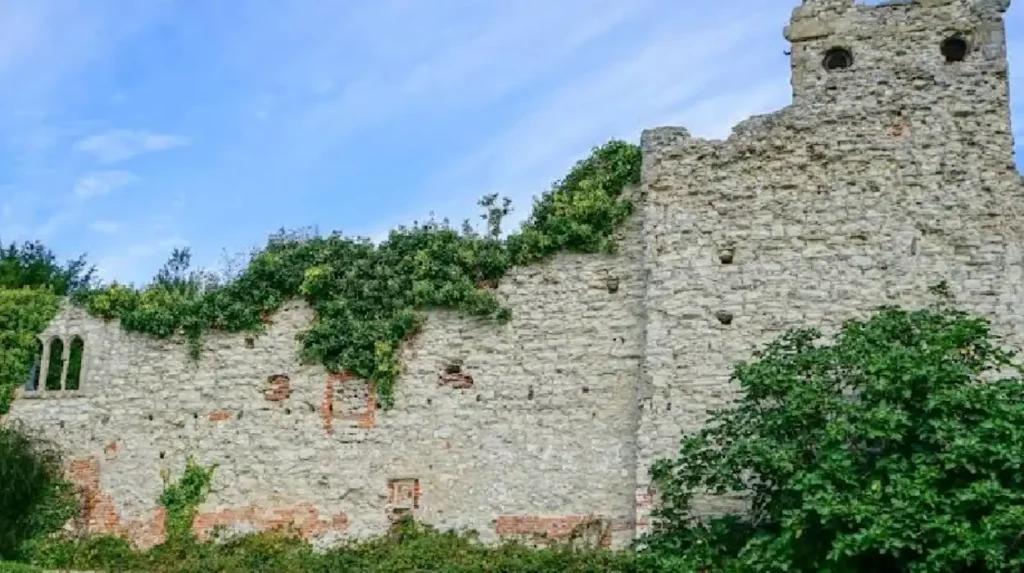
The garden’s historical importance stems from its uninterrupted existence within the Merton College grounds since the college’s foundation in 1264 by Walter de Merton. The eastern boundary wall incorporates sections of Oxford’s original medieval city fortifications, constructed between 1226 and 1240. These walls stand approximately 20 feet high and extend for over 300 feet along the garden’s perimeter. Archaeological evidence indicates the enclosed area functioned as cultivated ground from the late 13th century onward. Fellows used the space for herb cultivation, medicinal plant growing, and contemplative walking throughout the medieval and early modern periods. The garden survived the English Civil War period when Oxford served as the Royalist capital from 1642 to 1646, though college buildings sustained damage. Subsequent restoration work in the 1660s included garden improvements that established the layout partially visible today.
Victorian modifications between 1860 and 1890 introduced ornamental planting schemes, gravel pathways, and the current configuration of lawn areas. The garden’s continuous use distinguishes it from many Oxford college gardens that underwent complete redesigns. Merton maintained the medieval enclosure while adapting internal features to changing horticultural fashions. This layered development creates a physical record of English garden history spanning eight centuries. The space demonstrates the evolution from functional medieval plots to ornamental Victorian landscapes while preserving structural elements from each period.
Where is Merton College Fellows Garden Located in Oxford?
Merton College Fellows Garden sits in central Oxford at postcode OX1 4JD, bounded by Merton Street to the north, Christ Church Meadow to the south, and Dead Man’s Walk along its eastern perimeter wall.
The garden occupies a rectangular plot immediately south of Merton College’s main quadrangles, specifically behind Mob Quad, the oldest complete quadrangle in Oxford, dating to 1264. The western boundary adjoins Corpus Christi College grounds, while the eastern wall runs parallel to Dead Man’s Walk, a public footpath connecting Merton Street to Christ Church Meadow. This pathway earned its name from its medieval use as a processional route for funeral corteges traveling to the Jewish cemetery located beyond the city walls.
The garden sits at approximately 60 meters above sea level on the Thames Valley floodplain geology. Its position within Oxford’s historic core places it 800 meters southeast of Carfax Tower, the city’s central point. The surrounding area contains the highest concentration of medieval academic buildings in Britain. Christ Church Meadow, directly accessible from the garden’s southern boundary, provides 170 acres of open grassland and riverside walks along the Thames and Cherwell rivers.
What Architectural Features Define the Garden’s Structure?
The garden showcases medieval stone boundary walls reaching 20 feet high, Gothic arched doorways providing college access, buttressed sections supporting 13th-century masonry, and Victorian gateway additions integrating with original stonework.
The perimeter walls represent the garden’s most significant architectural elements. Eastern sections incorporate Cotswold limestone blocks laid in courses dating to the 1230s, making them contemporaneous with Oxford’s city defenses. Wall thickness varies from 2.5 to 3.5 feet, necessary for supporting the substantial height without modern reinforcement.
Stone buttresses appear at regular intervals, added in the 14th century to stabilize sections showing settlement. These buttresses project 18 inches from the wall face and rise to full height. The northern wall contains three doorways connecting the garden to college buildings. The primary entrance features a pointed Gothic arch constructed around 1290, with chamfered edges and weathered limestone detailing. Door surrounds show tool marks consistent with medieval masonry techniques documented in other Oxford structures from this period.
Victorian modifications added brick coping along wall tops between 1870 and 1885, protecting the medieval stonework from water damage. Iron railings inserted into the coping provided additional security while allowing visual connection to surrounding areas. The Western Wall received significant restoration in 1923 following structural concerns, with careful matching of replacement stone to original materials. Garden pavilions built in the late 19th century stand along the western boundary, constructed in matching Cotswold stone with slate roofing. These structures served as tool storage and potting sheds for garden maintenance staff. The architectural elements combine defensive medieval construction methods with ornamental Victorian additions, creating a visually coherent ensemble despite the 600-year construction span.
How Does the Garden Layout Reflect Different Historical Periods?
The layout combines medieval rectangular enclosure geometry with Victorian serpentine pathways, central lawn spaces, perimeter perennial borders, and specimen tree placement following 19th-century landscape design principles.
Medieval gardens typically followed geometric patterns with rectangular beds divided by straight pathways. Evidence suggests Merton’s original layout consisted of quartered sections with a central cross path, standard for monastic and collegiate gardens during the 13th and 14th centuries. Gravel paths edged with stone or wood separated functional growing areas. This arrangement maximized cultivated space while facilitating movement and drainage. The current layout dates primarily to renovations between 1865 and 1880, when Victorian gardening philosophy emphasized naturalistic curves and ornamental planting. The central area became a continuous lawn space measuring approximately 100 feet by 150 feet, bordered by curved gravel walks averaging 5 feet wide. These paths create circulation routes allowing viewing of planted areas from multiple angles.
Perennial borders were established along the northern and western walls, incorporating herbaceous plants popular in Victorian England including delphiniums, peonies, and iris varieties. Border depth ranges from 8 to 12 feet, providing sufficient space for layered planting with taller specimens at the rear. The southern section retained a more open character with fewer plantings, maintaining views toward Christ Church Meadow. Specimen trees were positioned as focal points following the picturesque landscape tradition. A copper beech planted around 1870 now reaches 70 feet high near the garden’s center. Additional specimen trees include a tulip tree, several magnolias, and a Caucasian wingnut, all dating from the Victorian planting scheme. The layout balances formal structure from the medieval enclosure with informal planting style from the Victorian era, creating what garden historians term a hybrid design approach.
What Plant Collections and Trees Make the Garden Notable?
The garden contains a mature copper beech exceeding 150 years old, rare tulip trees reaching 60 feet, heritage rose collections with Victorian cultivars, and perennial borders featuring over 80 documented species.
The copper beech stands as the garden’s most prominent botanical feature. This specimen measures approximately 70 feet tall with a trunk circumference of 12 feet at chest height, indicating an age of 150 to 170 years. Copper beeches were fashionable Victorian plantings valued for purple-bronze foliage providing contrast to surrounding greenery. The tulip tree represents another significant specimen, planted around 1875 and now reaching 60 feet. This species produces distinctive tulip-shaped flowers in early summer and displays bright yellow autumn coloring. The garden maintains two examples, positioned to frame views from different vantage points within the space.
Heritage rose collections occupy sections along the western wall, containing varieties documented in Victorian nursery catalogs, including Alba roses, Bourbon roses, and early Hybrid Perpetuals. These cultivars require specialized pruning techniques to maintain flowering on old wood, knowledge preserved through continuous garden management.
Perennial borders contain documented plantings of over 80 species selected for successive flowering from March through October. Spring displays feature bulbs, including species tulips, narcissus varieties, and crown imperials. Summer plantings emphasize delphiniums in blue shades, white peonies, and purple salvias. Autumn interest comes from asters, Japanese anemones, and ornamental grasses. The planting scheme follows traditional English border design principles established by influential Victorian gardeners, including Gertrude Jekyll and William Robinson.
Additional notable specimens include a Ginkgo biloba planted in the 1920s, now reaching 40 feet, and several mature yew trees potentially predating the Victorian renovations. The yews may represent survivors from earlier planting schemes, as this species was commonly used in medieval gardens for its evergreen foliage and symbolic associations. The garden’s plant collections demonstrate continuity of horticultural practice while adapting to contemporary conservation standards for historic landscapes.
Why Do Oxford College Gardens Remain Important Cultural Spaces?
Oxford College Gardens function as protected green spaces within the urban environment, preserve rare plant collections, demonstrate historical landscape design evolution, and provide research opportunities for botanical and horticultural studies.
College gardens collectively encompass over 300 acres of maintained landscapes within Oxford’s boundaries, representing the city’s largest concentration of historic designed spaces. These gardens create ecological corridors connecting larger green areas, including university parks and river meadows, supporting urban biodiversity. Studies conducted by Oxford University’s Department of Plant Sciences document over 2,000 plant species cultivated across college gardens, including rare and heritage varieties no longer common in commercial horticulture.
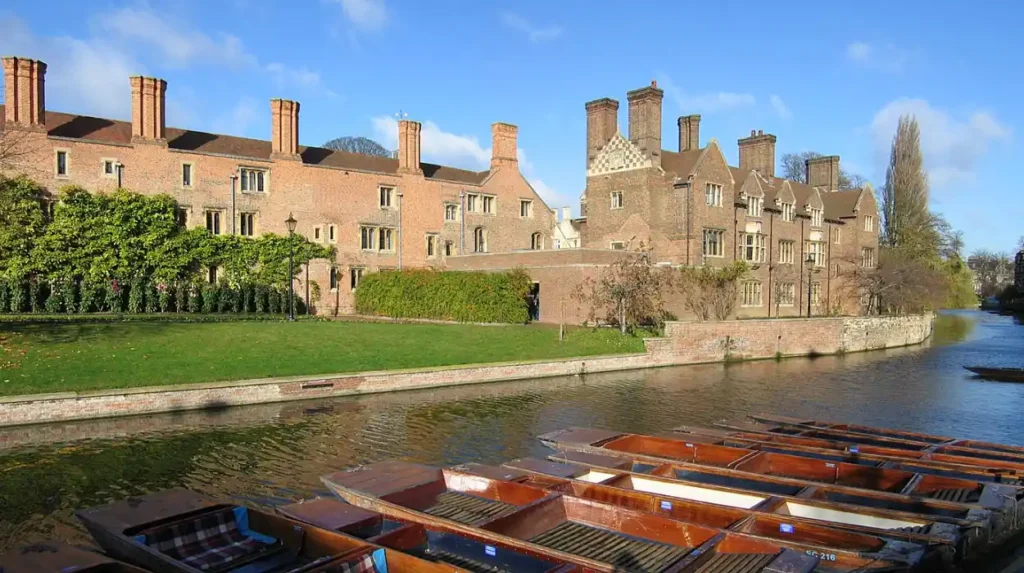
Merton College Fellows Garden contributes to this botanical diversity through its collection of Victorian-era cultivars and specimen trees. The gardens serve as outdoor laboratories for research into historic garden restoration, traditional horticultural techniques, and plant conservation. Graduate programs in garden history and landscape conservation use Oxford College Gardens as case studies for understanding designed landscape evolution.
Cultural significance extends to the gardens’ role in college life and academic tradition. Fellows and students access these spaces for informal recreation, providing respite from intensive study periods. The enclosed character creates contemplative environments suited to reading, conversation, and solitary reflection. This function echoes the gardens’ original medieval purpose while adapting to contemporary academic culture. Many colleges now participate in public opening schemes, allowing broader community access to spaces traditionally reserved for college members. Merton College Fellows Garden opens through the National Garden Scheme on selected dates, generating funds for charitable purposes while sharing the space with interested visitors.
How Has Garden Maintenance Evolved Over Centuries?
Maintenance transitioned from manual cultivation by college servants using medieval methods to professional horticultural management employing modern techniques while preserving historic character through conservation guidelines.
Medieval garden maintenance relied entirely on manual labor performed by college servants assigned horticultural duties alongside other responsibilities. Tools included iron spades, wooden rakes, and pruning knives of relatively simple design. Watering required hand-carrying from wells or collected rainwater, limiting irrigation capacity. Manure from college stables provided the primary soil amendment, supplemented by composted plant material. This labor-intensive approach continued with minor modifications through the 18th century. Victorian improvements introduced wheeled equipment, more sophisticated tools, and dedicated gardening staff with specialized training. Merton employed three full-time gardeners by 1880, managing not only the Fellows’ Garden but also smaller college courtyards and Fellows’ private plots.
The 20th century brought mechanization, including motorized mowers, powered hedge trimmers, and irrigation systems. These tools increased efficiency but required adaptation to work within the constraints of historic spaces without damaging fragile structures or plantings. Current maintenance follows conservation management plans developed in consultation with historic landscape specialists. These plans specify appropriate intervention levels for different garden elements. Original wall sections receive minimal intervention beyond necessary structural repairs using traditional materials and techniques. Plant collections are maintained through propagation of existing specimens rather than wholesale replacement with modern varieties. Lawn care follows traditional methods, including seasonal scarification and top-dressing rather than chemical-intensive regimes.
Modern maintenance teams consist of professionally trained horticulturists with expertise in historic garden management. They work under guidance from the college’s Gardens Committee, which includes fellows with botanical and historical expertise. Annual maintenance budgets for Oxford College gardens typically range from 50,000 to 150,000 pounds, depending on garden size and complexity. These funds cover staff salaries, materials, specialist consultancy, and the gradual implementation of long-term conservation projects. The maintenance approach balances preservation of historic character with practical functionality for contemporary use.
What Distinguishes Merton’s Garden from Other Oxford College Gardens?
Merton College Fellows Garden uniquely preserves substantial medieval boundary walls as original 13th-century structures, maintains continuous documented use since the college’s foundation, and combines defensive architecture with ornamental landscape in exceptional condition.
While Oxford contains 38 colleges with associated gardens, few retain architectural elements from their founding periods. Most college gardens occupy land acquired centuries after their establishment or underwent complete reconstruction. Merton’s garden sits on its original medieval plot with boundary walls constructed within decades of the college’s 1264 foundation. This continuity of location and structure is exceptional. The eastern wall’s incorporation of city defenses represents the only Oxford college garden retaining this specific defensive architectural feature. Other colleges, including New College, possess medieval walls, but these formed purpose-built college enclosures rather than adapting existing fortifications.
The garden’s scale at 2.5 acres places it in the medium range for Oxford college gardens. Larger examples include Worcester College with 26 acres and Magdalen College with 100 acres including deer park. Smaller gardens such as Brasenose College occupy under one acre. Merton’s size allows substantial tree growth and diverse planting while maintaining the intimate enclosed character typical of medieval collegiate spaces. The Victorian layout remains largely unaltered since the 1880s, providing an intact example of late 19th-century garden design applied to a historic site. Many college gardens underwent significant 20th-century modifications reflecting changing aesthetic preferences or functional requirements. Merton resisted wholesale redesign, instead pursuing gradual evolution respecting established character. This conservation approach resulted in a palimpsest landscape where multiple historical layers remain visible simultaneously, offering particular value for understanding English garden history.
FAQs About Merton College Fellows Garden, a Historic Oxford
Can visitors access Merton College Fellows Garden throughout the year?
Merton College Fellows Garden opens to the public on selected dates through the National Garden Scheme, typically during the spring and summer months. The garden remains a private space for college fellows and members outside designated opening times. Visitors should check the National Garden Scheme website or Merton College’s official announcements for specific opening dates and admission details. Access requires purchasing tickets in advance during peak visiting periods.
Is Merton College Fellows Garden the oldest college garden in Oxford?
Merton College Fellows Garden ranks among Oxford’s oldest continuously maintained college gardens, with boundary walls dating to the 13th century and documented use since 1264. However, New College Garden also claims medieval origins from its 1379 foundation with surviving original walls. The distinction depends on whether age refers to the enclosure structure, continuous cultivation, or current layout, as most college gardens underwent significant redesigns over centuries.
What is the best time to visit Merton College Fellows Garden for flowering displays?
Late spring, from May through early June, offers the most spectacular flowering displays, when Victorian perennial borders reach peak bloom with delphiniums, peonies, and heritage roses. Early autumn, from September to October, provides a second impressive period with asters, Japanese anemones, and striking foliage colors from specimen trees, including the copper beech. Spring bulb displays in March and April also attract visitors interested in traditional English garden plantings.
How does Dead Man’s Walk relate to Merton College Fellows Garden?
Dead Man’s Walk runs along the eastern boundary wall of Merton College Fellows Garden, serving as a public footpath connecting Merton Street to Christ Church Meadow. This medieval pathway earned its name from its historical use as a funeral procession route to the former Jewish cemetery located beyond Oxford’s city walls. The path provides external views of the garden’s impressive 13th-century stone walls, though the garden interior remains hidden from public view except during official opening days.
Are there guided tours available for Merton College Fellows Garden?
Guided tours of Merton College Fellows Garden are occasionally offered during National Garden Scheme open days, led by knowledgeable college staff or garden volunteers. Standard Merton College tours focusing on historic buildings sometimes include brief garden access, though the Fellows Garden typically remains separate from general college tours. Private group tours can be arranged through the college’s visitor services for educational or horticultural organizations with advance booking and appropriate fees.