Museums preserve cultural heritage and provide educational experiences for millions of visitors annually. Many institutions offer free admission either permanently or on designated dates throughout the year. Free museum access reduces financial barriers and enables broader public engagement with art, history, science, and culture. Understanding when museums provide free entry requires knowledge of institutional policies, government funding structures, and regional cultural initiatives that determine admission schedules.
- What exactly defines a free museum day, and how does it differ from regular admission?
- How do seasonal and special event free museum days work across different institutions?
- What are the specific dates and schedules for free admission at major national museums?
- How can families and tourists plan visits around free museum day calendars effectively?
- What restrictions or limitations apply during free museum admission periods?
- Why do some museums charge admission while others remain free permanently?
- How do free museum days impact educational access for schools and student groups?
- FAQs About Free Museum Days Calendar
- What day of the week do most museums offer free admission?
- Are Smithsonian museums really free every single day or just certain days?
- Do I need to book tickets in advance for free museum days or can I just show up?
- Can tourists visiting from other countries access free museum days, or are they only for residents?
- What is the difference between free admission and pay-what-you-wish museum policies?
The concept of free museum admission varies significantly across countries and institutions. Some museums maintain permanent free entry policies funded through government allocations or private endowments. Others designate specific days, weeks, or months when admission fees are waived to encourage higher visitor participation. These free access periods often coincide with cultural celebrations, national holidays, or educational awareness campaigns designed to maximize community engagement with museum collections and exhibitions.
What exactly defines a free museum day, and how does it differ from regular admission?
A free museum day is a designated period when institutions waive standard admission charges, allowing public access to permanent collections and sometimes special exhibitions without payment. These days differ from regular admission by removing the primary financial barrier that prevents many individuals and families from visiting cultural institutions regularly.
Free museum days operate under specific institutional guidelines that determine which collections remain accessible and what restrictions apply during no-cost entry periods. Most museums offering free days provide access to permanent collection galleries while maintaining separate admission fees for temporary exhibitions, special programs, or guided tours. The definition extends beyond simple ticket price elimination to encompass broader accessibility initiatives, including extended operating hours, multilingual support services, and enhanced visitor amenities designed to accommodate increased attendance volumes during promotional periods.
Institutional capacity management becomes critical during free admission days as visitor numbers typically increase by 200 to 400 percent compared to regular paid admission days. Museums implement timed entry systems, advance reservation requirements, or capacity limits to maintain visitor safety standards and preserve artwork protection protocols. Some institutions adopt hybrid models where free admission applies only to local residents verified through identification documentation, while tourists and non-residents pay standard rates. This approach balances community access objectives with revenue sustainability requirements that support ongoing museum operations, conservation work, and educational programming.
The economic impact of free museum days extends beyond immediate admission revenue loss to include increased ancillary spending on museum shops, cafes, and parking facilities. Research indicates visitors who enter museums without paying admission fees spend an average of 30 percent more on merchandise and food services compared to ticket-purchasing visitors. This behavioral pattern reflects psychological pricing effects where saved admission costs create discretionary spending capacity that benefits museum retail operations and creates overall positive financial outcomes despite temporary ticket revenue reductions.
How do seasonal and special event free museum days work across different institutions?
Seasonal free museum days coincide with cultural heritage months, educational awareness campaigns, and civic celebrations when institutions waive admission fees to boost participation and community engagement. These temporary access periods operate on predetermined schedules announced annually through institutional calendars and tourism promotion channels.
Museum Day Live, coordinated annually by Smithsonian Magazine, occurs on a designated Saturday in September when participating museums across the United States offer free admission to ticket holders who download complimentary passes through the program website. The initiative attracts over 1,500 participating venues, including art museums, history museums, science centers, zoos, aquariums, and botanical gardens that collectively serve more than 300,000 visitors during the single-day event. This coordinated approach creates nationwide cultural awareness while allowing individual institutions to manage capacity through digital ticketing systems that control admission volumes.
Bank holidays in the United Kingdom trigger free admission periods at select museums that extend no-cost access beyond their standard policies. The Museum of London, National Maritime Museum, and RAF Museum regularly offer free entry during Easter Monday, May Day, and August Bank Holiday weekends to accommodate increased leisure travel and family activity patterns. These strategic timing decisions align free admission opportunities with periods when potential visitors have available time for cultural activities and seek cost-effective entertainment options during extended weekend breaks.
International Museum Day, celebrated annually on May 18 under UNESCO coordination, prompts thousands of museums worldwide to offer free or reduced admission while hosting special programming focused on annual themes addressing contemporary cultural issues. The 2023 theme “Museums, Sustainability and Wellbeing” encouraged participating institutions to develop free programming highlighting environmental conservation, community health, and cultural equity topics through exhibitions, workshops, and public discussions. Over 37,000 museums in 158 countries participated in the observance, demonstrating global commitment to periodic free access as a mechanism for advancing public understanding of museums’ societal roles beyond entertainment venues.
What are the specific dates and schedules for free admission at major national museums?
Major US national museums offer free admission year-round with Smithsonian institutions in Washington DC maintaining daily no-cost access, while museums receiving federal funding often designate Veterans Day November 11, Martin Luther King Jr Day in January, and National Park Week in April as guaranteed free entry periods.
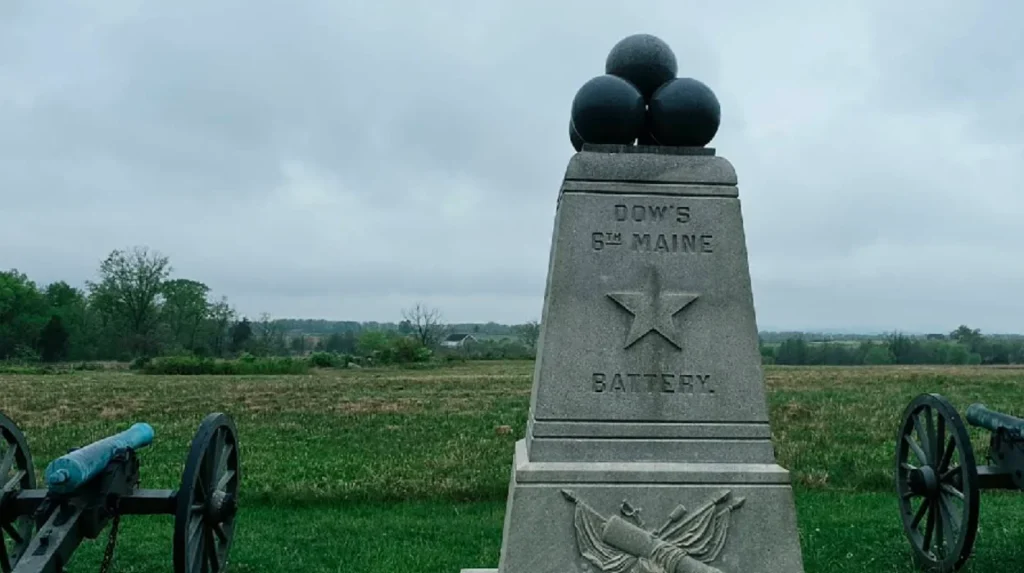
The National Park Service coordinates Fee Free Days annually at all 108 sites that normally charge entrance fees, including several historical museums and monuments integrated within park boundaries. These designated dates in 2024 include January 15 for Martin Luther King Jr Day, April 20 for the first day of National Park Week, June 19 for Juneteenth National Independence Day, August 4 for the anniversary of the Great American Outdoors Act, September 28 for National Public Lands Day, and November 11 for Veterans Day. Museums located within national park boundaries, such as Gettysburg Museum and Visitor Center, Alcatraz Island facilities, and Ellis Island Immigration Museum, align their free admission schedules with these system-wide initiatives.
Bank of America Museums on Us program provides free general admission access to over 225 museums nationwide on the first full weekend of every calendar month for Bank of America, Merrill Lynch, and US Trust credit or debit cardholders. Participating institutions include major art museums such as the Museum of Fine Arts, Boston, the de Young Museum in San Francisco, High Museum of Art in Atlanta, and Contemporary Arts Museum Houston. The program operates continuously throughout the year, creating predictable monthly opportunities for cardholders to access cultural institutions without admission charges while museums benefit from increased attendance and potential membership conversions.
Target Free Family Night programs operate at dozens of science museums and children’s museums including the Science Museum of Minnesota, ECHO Lake Aquarium and Science Center in Vermont, and Arizona Science Center. These monthly evening events typically occur on third or fourth Thursdays when families can enter without admission fees between 5 PM and 8 PM. The corporate sponsorship model funds institutional revenue replacement while positioning Target brand visibility within family-oriented community programming that builds long-term customer loyalty among demographics prioritizing educational experiences for children.
How can families and tourists plan visits around free museum day calendars effectively?
Effective planning requires consulting individual museum websites for published free admission calendars, subscribing to institutional email newsletters announcing special access periods, and using regional tourism authority resources that aggregate free cultural event schedules across multiple venues in metropolitan areas.
Digital calendar tools and museum aggregator websites compile free admission schedules into searchable databases that allow users to filter opportunities by geographic location, institution type, and specific date ranges. Websites such as Free Museum Day, cultural tourism boards, and city-specific event calendars maintain updated information about upcoming free access periods across dozens or hundreds of institutions within regional markets. These resources eliminate the need to visit individual museum websites separately and provide comparative planning information that helps families maximize cultural experiences during limited visit windows.
Advance reservation systems have become mandatory at many popular museums during free admission periods to manage crowd levels and maintain visitor experience quality. The Metropolitan Museum of Art in New York requires timed entry reservations even for free admission days, with tickets releasing online exactly two weeks before each free Friday evening session. Visitors who fail to secure advance reservations face entry denial despite the no-cost admission policy, making early planning essential for guaranteed access. Mobile apps from major museums now include calendar functions with automatic reminders for upcoming free days and direct links to reservation portals that streamline the booking process.
Strategic timing within free admission days affects visitor experience quality significantly. Museums report the highest attendance volumes and longest entry wait times during mid-morning through early afternoon periods on free days, while late afternoon and evening hours offer substantially reduced crowding with fuller access to galleries and exhibitions. Families visiting during off-peak free admission times enjoy more intimate viewing experiences, shorter wait times for interactive exhibits, and greater ability to participate in educational programming that may reach capacity limits during busy periods.
What restrictions or limitations apply during free museum admission periods?
Free admission periods typically exclude special exhibitions, planetarium shows, IMAX theater presentations, and guided tour programs that maintain separate ticket prices. Time restrictions, capacity limits, and advance reservation requirements frequently apply to manage visitor flow and protect collection integrity during high-traffic free access days.
Special exhibition exclusions represent the most common limitation during free museum days as temporary shows often operate under separate financial agreements with lending institutions or private collectors who require guaranteed revenue streams to offset insurance, transportation, and conservation costs associated with artwork loans. The National Gallery of Art in Washington, D.C., provides free access to both its permanent collection galleries and special exhibitions, allowing visitors to enjoy the museum’s offerings without an admission fee. This tiered pricing structure ensures revenue generation from high-demand temporary programming while maintaining institutional commitment to free permanent collection access.
Photography restrictions may be enforced more stringently during free admission periods when increased visitor volumes raise concerns about flash usage, tripod placement, and crowd management challenges created by extended photography sessions. Museums balance visitors’ desire to capture personal memories against conservation requirements, protecting light-sensitive materials and operational needs, and maintaining foot traffic flow through galleries. Some institutions implement complete photography bans during special exhibitions or free days, while others permit non-flash personal photography, excluding specific artworks designated as photograph-prohibited by lending agreements or artist requests.
Member priority access policies give advance entry opportunities to annual museum members before free admission periods begin, creating exclusive viewing windows that reward financial supporters while managing overall daily attendance volumes. The de Young Museum and Legion of Honor in San Francisco reserve 9 AM to 10 AM member-only hours on free admission Saturdays before opening to the general public at 10 AM. This approach maintains membership value propositions by providing tangible benefits justifying annual dues while accommodating broader public access goals through subsequent no-cost admission hours.
Why do some museums charge admission while others remain free permanently?
Museum admission pricing reflects institutional funding sources, operational cost structures, and organizational philosophies regarding cultural access equity. Privately funded museums rely on ticket revenue for operational sustainability, while government-funded institutions often maintain free admission as public service mandates written into founding charters or legislative authorizations.
Revenue dependency creates fundamental differences between privately endowed museums and publicly funded institutions. Without admission revenue, the institution would require substantially larger endowment withdrawals or fundraising efforts to maintain current programming levels, staff compensation, and facility operations. This financial reality constrains free admission possibilities regardless of institutional preferences regarding access equity.
Founding mission statements codified in organizational charters determine admission policies for many museums established through legislative action or donor bequests. The Smithsonian Institution’s founding legislation, passed by US Congress in 1846, specifically mandated “the increase and diffusion of knowledge” through free public access to collections assembled using federal appropriations. This legal requirement prevents individual Smithsonian museums from independently implementing admission charges without congressional authorization, effectively guaranteeing permanent free access as an institutional obligation rather than a discretionary policy choice.
Geographic location influences admission policy decisions as museums in major tourist destinations face different market dynamics than institutions serving primarily local populations. The Louvre Museum in Paris charges €17 standard admission while receiving over 10 million annual visitors, generating substantial revenue from international tourists willing to pay premium prices for access to world-class collections. Regional museums serving smaller communities with limited tourist traffic cannot sustain similar pricing models and often depend more heavily on government funding, local philanthropy, or free admission policies designed to maximize community engagement rather than optimize ticket revenue.
How do free museum days impact educational access for schools and student groups?
Free museum days expand educational field trip opportunities for schools operating under constrained budgets by eliminating admission costs that create financial barriers for low-income districts. Many museums offer dedicated free school visit programs separate from public free days, providing curriculum-aligned experiences with advance scheduling and specialized educational support services.
Title I schools serving high-poverty student populations benefit disproportionately from free museum access programs, as transportation costs alone often exhaust limited field trip budgets without accommodation for admission fees. Museums responding to this challenge have developed targeted free school visit initiatives, such as the Field Museum of Chicago’s Community Free Days program providing no-cost admission for Chicago Public Schools students throughout the academic year. These dedicated programs ensure educational access independent of public free days that may not align with school calendars or provide appropriate student supervision ratios.
Pre-visit educational resources and post-visit curriculum materials amplify learning outcomes when schools utilize free museum days for organized field trips. The Smithsonian Center for Learning and Digital Access provides teachers with free downloadable lesson plans, primary source collections, and interactive digital exhibits aligned with national educational standards across science, social studies, and arts curricula. These supplementary resources transform museum visits from isolated field trip experiences into integrated instructional units that reinforce classroom learning objectives before, during, and after museum engagement.
Virtual museum access programs have expanded educational reach beyond physical free admission days by providing digital collection browsing, online exhibitions, and interactive learning modules accessible from classroom computers without geographic or scheduling limitations. The British Museum’s partnership with Google Arts and Culture digitized over 4,500 objects from permanent collections with high-resolution imagery and contextual information that teachers worldwide can incorporate into lessons regardless of their ability to visit London physically. This digital expansion of free access democratizes museum educational resources globally while complementing on-site free admission policies serving local communities.
Free museum days represent valuable opportunities for cultural engagement that reduce financial barriers preventing many individuals and families from accessing artistic, historical, and scientific collections. Understanding institutional policies, planning around published calendars, and utilizing advance reservation systems enable visitors to maximize these no-cost access periods. Whether through permanent free admission at nationally funded museums or seasonal free days coordinated with cultural awareness campaigns, these initiatives serve essential roles in democratizing cultural education and preserving public engagement with heritage institutions across diverse communities.
FAQs About Free Museum Days Calendar
What day of the week do most museums offer free admission?
Most museums offer free admission on the first Sundays or first Saturdays of each month, with some institutions providing free evening hours on specific weekdays like Fridays or Thursdays. Bank of America Museums on Us program operates on the first full weekends monthly at over 225 participating venues. Individual museum schedules vary significantly, so checking specific institutional calendars ensures accurate planning for desired visit dates.
Are Smithsonian museums really free every single day or just certain days?
All 19 Smithsonian Institution museums in Washington DC maintain completely free admission every single day of the year with no designated free days or paid days. The National Zoo, National Air and Space Museum, Natural History Museum, American History Museum, and all other Smithsonian facilities never charge admission fees to permanent collections. This permanent free access policy is mandated by congressional charter and funded through federal government appropriations supporting institutional operations.
Do I need to book tickets in advance for free museum days or can I just show up?
Many popular museums now require advance timed-entry reservations even for free admission days to manage crowd capacity and maintain visitor experience quality. The Metropolitan Museum of Art, National Gallery of Art, and other high-traffic institutions release free day reservations online weeks in advance, and walk-up entry is often unavailable once capacity is reached.
Can tourists visiting from other countries access free museum days, or are they only for residents?
Most free museum days in the United States and United Kingdom welcome international tourists without residency restrictions, allowing anyone to visit during designated no-cost admission periods. Some European museums limit free days to EU residents or local citizens verified through identification documentation while charging tourists standard rates. Bank holidays and special event free days typically include all visitors regardless of nationality, making them ideal opportunities for tourists planning cultural experiences during travel.
What is the difference between free admission and pay-what-you-wish museum policies?
Free admission means zero payment required for entry with no expectation or request for contributions, while pay-what-you-wish policies suggest donation amounts but allow visitors to pay any amount, including nothing, to gain admission. Pay-what-you-wish museums display recommended admission prices and may create social pressure to contribute, whereas truly free museums never request donations at entry points. Some institutions use pay-what-you-wish models during specific hours while maintaining standard admission prices during peak times.