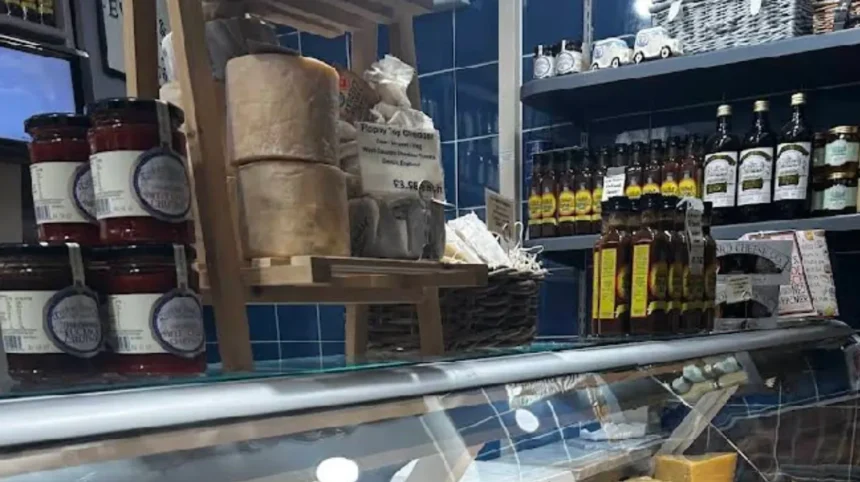
Oxford’s Covered Market houses specialist cheese stalls that deliver artisan quality through decades of expertise in traditional cheesemaking selection. These establishments provide access to rare British farmhouse varieties and Continental selections unavailable in standard supermarkets. The primary distinction lies in the personalized service from trained cheesemongers who understand aging processes, flavor profiles, and proper storage techniques. The market environment itself, established in 1774, creates an authentic shopping atmosphere where customers interact directly with knowledgeable staff. Unlike commercial retailers, these stalls source directly from small-scale producers across Britain and Europe.
- Which Specific Cheese Varieties Are Available at Covered Market Stalls?
- How Did Oxford’s Covered Market Cheese Trade Begin and Develop?
- What Should Customers Know Before Visiting Cheese Stalls in the Covered Market?
- How Do Covered Market Cheese Stalls Source Their Products?
- What Expertise Do Covered Market Cheese Staff Provide to Customers?
- Why Do Oxford University Colleges Choose Covered Market Cheese Suppliers?
- What Is Oxford Blue Cheese and Why Does It Matter Locally?
- How Has the Covered Market Cheese Trade Adapted to Modern Shopping Habits?
- What Price Ranges Should Customers Expect at Covered Market Cheese Stalls?
- How Do Covered Market Cheese Stalls Compare to Supermarket Cheese Sections?
- FAQs About the Best Cheese Stalls in Oxford’s
- What is the best time to visit the cheese stalls in Oxford’s Covered Market to avoid crowds?
- Can I try cheese samples before buying at the Covered Market stalls?
- Is Oxford Blue cheese only available at the Oxford Cheese Company or can I find it elsewhere?
- Do the Covered Market cheese stalls offer student discounts or special pricing?
- How should I store cheese purchased from the Covered Market to maintain freshness?
The Oxford Cheese Company, operating since 1983, exemplifies this commitment by maintaining relationships with artisan makers for over 40 years. This direct sourcing ensures peak ripeness and quality control that mass distributors cannot replicate. The stalls stock between 150 and 200 cheese varieties at any given time, rotating seasonal selections throughout the year. Customers receive cut-to-order portions from whole wheels, preserving freshness and allowing precise weight customization. The concentrated expertise within this historic market setting delivers an unmatched shopping experience for both casual buyers and serious cheese enthusiasts.
Which Specific Cheese Varieties Are Available at Covered Market Stalls?
The cheese stalls in Oxford’s Covered Market maintain comprehensive inventories spanning British and European traditions, totaling over 200 distinct varieties. British selections include Single Gloucester, Double Gloucester, Red Leicester, Wensleydale, Caerphilly, and the locally created Oxford Blue. Regional specialties feature Stinking Bishop from Gloucestershire, Cornish Brie, Somerset Cheddar aged 12 to 24 months, and Yorkshire Blue. Alpine cheese selections represent a particular strength, with rare varieties from Franche-Comté including Comté aged 18 to 36 months, Beaufort, Reblochon, and Morbier. French offerings extend to soft varieties like authentic Camembert de Normandie, Brie de Meaux, and seasonal Vacherin Mont d’Or.
Italian selections encompass Parmigiano-Reggiano aged 24 to 36 months, Pecorino Romano, Gorgonzola Dolce, and Taleggio. Swiss varieties include Gruyère, Emmental, and Appenzeller. The stalls specialize in goat milk cheeses from both British farms and Loire Valley producers, offering fresh chèvre, aged Crottin, and pyramid-shaped Valençay. Ewes’ milk selections feature Spanish Manchego aged 6 to 12 months, Greek Feta, and British varieties from farms in Wales and Scotland. Seasonal availability affects certain varieties, particularly soft-ripened French cheeses that peak from September through March. This rotating selection ensures customers have access to cheeses at optimal maturity stages.
How Did Oxford’s Covered Market Cheese Trade Begin and Develop?
Oxford’s Covered Market opened in 1774 as a municipal initiative to consolidate scattered street vendors into a permanent structure. The Oxford City Council commissioned the building to address sanitation concerns and improve market organization. The original covered structure featured open-sided stalls with a roof protecting goods from the weather. Cheese selling existed from the market’s inception as a staple commodity for Oxford residents and the University colleges.
By the Victorian era, multiple cheese vendors operated within the market, sourcing from local Oxfordshire farms and regional producers. The trade expanded during the 20th century as transportation improvements enabled access to wider cheese selections from across Britain. The modern specialist cheese stall concept emerged in 1983 when Baron Robert Pouget, a French-born cheesemonger, established the Oxford Cheese Company. Pouget brought Continental expertise and introduced European varieties previously unavailable in Oxford.
His approach emphasized artisan production over mass-market products. In 1995, Pouget developed Oxford Blue, creating a signature local cheese that gained national recognition. The cheese combined techniques from Stilton production with a milder flavor profile using unpasteurized cow’s milk. Production shifted to Burford in the Cotswolds while retail remained in the Covered Market. The business established supply relationships with University colleges, including Brasenose, Jesus, and Exeter colleges. Over four decades, the stall evolved into a nationally recognized specialist retailer, maintaining traditional service methods while adapting to online ordering and delivery systems introduced in the 2020s.
What Should Customers Know Before Visiting Cheese Stalls in the Covered Market?
Operating hours at the Covered Market cheese stalls typically run Wednesday through Saturday from 9:00 AM to 5:00 PM, with late Thursday opening until 7:00 PM. The stalls close on Mondays and Tuesdays as part of the market’s operational schedule. Peak visiting times occur during Saturday mornings from 10:00 AM to 12:00 PM when foot traffic intensifies. Customers seeking personalized consultation should visit during weekday afternoons when staff availability increases. The stalls accept cash, credit cards, and contactless payment methods. Minimum purchase requirements do not exist, allowing customers to buy portions as small as 100 grams. Staff will cut exact weights to order from whole wheels using traditional wire cutting tools. Customers should communicate specific weight preferences or budget constraints before cutting begins. The stalls provide detailed labeling on each purchase, noting cheese name, origin, milk type, and storage instructions.
Tasting samples are available upon request for customers uncertain about selections. Storage advice comes standard with purchases, including optimal refrigeration temperatures between 4 to 8 degrees Celsius. The market location sits in central Oxford near Brasenose College and Jesus College, accessible via multiple bus routes stopping on High Street and Queen Street. Limited parking exists nearby at Westgate Shopping Centre and Oxford Castle car parks. The market entrance on Market Street provides step-free access for wheelchair users and those with mobility restrictions. Orders can be placed by telephone for same-day collection, requiring a minimum of two hours’ advance notice.
How Do Covered Market Cheese Stalls Source Their Products?
The cheese stalls maintain direct relationships with over 50 artisan producers across Britain and Continental Europe. British sourcing focuses on small-scale farmhouse operations producing fewer than 1,000 wheels annually. These include raw milk Cheddar makers in Somerset, territorial cheese producers in Lancashire and Cheshire, and specialist goat farms in Devon and Cornwall.
The stalls visit production facilities annually to verify quality standards and aging conditions. European sourcing operates through established affinage partners, particularly in France and Switzerland. An affineur ages and matures cheeses in controlled cave environments before distribution. This partnership ensures cheeses reach Oxford at peak ripeness rather than requiring additional aging. Alpine cheese selections come from mountain cooperatives in Savoie, Franche-Comté, and Swiss cantons, where summer milk production creates distinct flavor characteristics. Italian varieties arrive through importers specializing in Protected Designation of Origin products, guaranteeing the authenticity of Parmigiano-Reggiano and Grana Padano.
Spanish Manchego comes exclusively from La Mancha region producers using Manchega sheep milk. British territorial cheeses arrive weekly from producers, maintaining freshness for varieties like Caerphilly and Cheshire that require quick turnover. Seasonal French cheeses, including Vacherin Mont d’Or, appear from September through March when production occurs. The stalls monitor import regulations affecting raw milk cheese availability, particularly restrictions implemented in July 2024 concerning bovine infections in France and Italy. This direct sourcing model bypasses wholesale distributors, reducing the supply chain from four or five intermediaries to one or two steps between producer and customer.
What Expertise Do Covered Market Cheese Staff Provide to Customers?
Staff working at Oxford’s Covered Market cheese stalls undergo extensive training in cheese production, aging, handling, and pairing. The typical staff member possesses between 5 and 15 years of specialized cheese retail experience. Training covers milk types, rennet sources, aging techniques, bacterial cultures, and geographical production regulations. Staff can identify over 200 cheese varieties by sight, smell, and taste. They understand the optimal maturity windows for different cheese styles, recognizing when soft-ripened varieties reach peak creaminess or when hard cheeses develop desirable crystallization. Consultation includes pairing recommendations for specific meals, whether customers need cooking cheeses, cheese board selections, or wine pairing guidance.
Staff advises on portion sizing for different group numbers, typically calculating 50 to 70 grams per person for cheese board portions. Storage instruction covers proper wrapping techniques using wax paper rather than plastic film, which suffocates cheese and affects flavor development. Temperature guidance specifies removing cheese from refrigeration 30 to 60 minutes before serving to allow flavor development at room temperature. The staff maintains current knowledge of production changes, including alterations to traditional recipes, ownership transfers at farms, or temporary supply disruptions. For customers with dietary restrictions, staff identify vegetarian cheese options made with microbial rennet rather than animal rennet. They note unpasteurized cheese varieties are unsuitable for pregnant women or immunocompromised individuals. This consultation service transforms cheese purchasing from a transaction into an educational experience that builds customer confidence and knowledge.
Why Do Oxford University Colleges Choose Covered Market Cheese Suppliers?
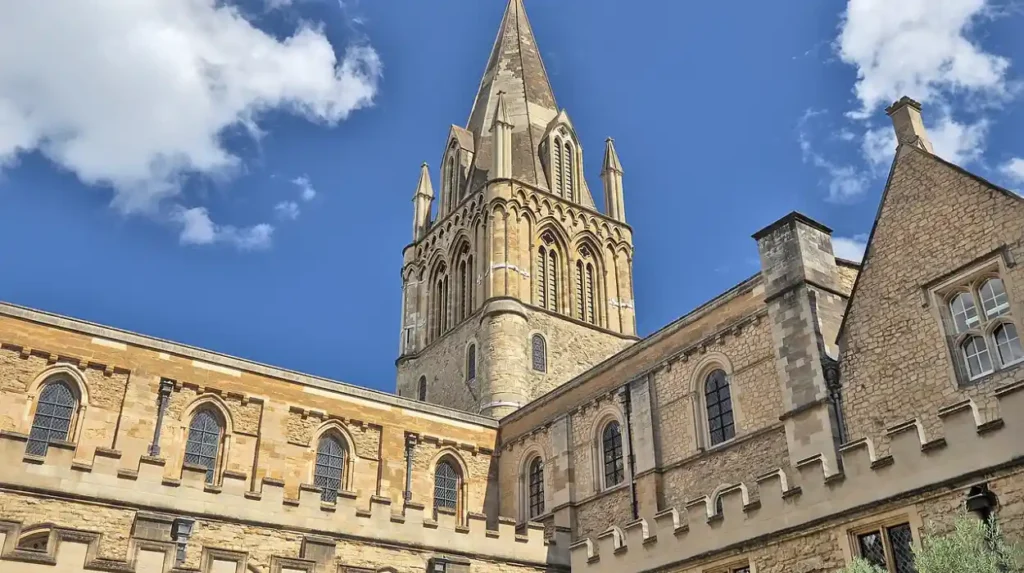
Oxford University colleges have maintained purchasing relationships with Covered Market cheese stalls for over 40 years based on consistent quality, specialized selection, and reliable delivery. Colleges including Brasenose, Jesus, Exeter, Magdalen, and Christ Church require regular cheese supplies for formal hall dinners serving 100 to 400 students and fellows. These institutions demand British territorial varieties like Stilton, Cheddar, and Cheshire alongside Continental classics for cheese boards concluding formal meals. The colleges prioritize suppliers who understand traditional service expectations and deliver dependable quality across multiple orders weekly. The cheese stalls provide wholesale pricing structures for bulk college orders while maintaining artisan quality standards. Delivery logistics accommodate college kitchen schedules, arriving before 11:00 AM for lunch preparation or before 3:00 PM for evening dinners.
The stalls offer specialized selections matching college preferences, with some colleges favoring British-only cheese boards while others request French or Italian varieties. Historical connections exist between certain colleges and specific cheese producers, with some colleges requesting particular Cheddar dairies or Stilton makers. The stalls maintain documentation tracking college orders, ensuring consistency across academic terms. During special occasions, including gaudy dinners, matriculation banquets, or commemorative events, colleges order rare or seasonal varieties requiring advance notice of two to four weeks. The relationship extends beyond simple supply to consultation on menu planning, seasonal availability, and emerging artisan producers. This institutional purchasing represents approximately 30 to 40 percent of total cheese stall revenue, providing stable income alongside retail customer sales.
What Is Oxford Blue Cheese and Why Does It Matter Locally?
Oxford Blue represents a locally developed blue cheese created in 1995 by Baron Robert Pouget at the Oxford Cheese Company. The cheese emerged from Pouget’s desire to produce a milder alternative to traditional British Stilton and French Roquefort. Production uses unpasteurized cow’s milk from Gloucestershire dairy herds, maintaining artisan quality through small-batch methods. The cheese develops its characteristic blue veining through the introduction of Penicillium roqueforti culture during the curd formation stage.
The resulting texture achieves creamy consistency rather than the crumbly structure typical of Stilton. Flavor profiles register as tangy yet subtle, appealing to consumers who find stronger blue cheeses overwhelming. Production occurs in Burford, Oxfordshire, approximately 20 miles west of Oxford city. Each wheel weighs between 2.5 to 3 kilograms and ages for 10 to 12 weeks before reaching market maturity. The cheese gained Protected Geographical Indication status, limiting production to Oxfordshire boundaries. Oxford Blue won recognition at the British Cheese Awards and featured in multiple national food publications, including BBC Good Food and The Guardian.
The cheese supplies restaurants across Oxford, including colleges, gastropubs, and fine dining establishments. Local chefs incorporate Oxford Blue into salads, steak toppings, pasta dishes, and cheese boards. The cheese pairs effectively with Port wine, walnuts, pears, and honey, creating versatile usage options. Its significance extends beyond flavor to represent Oxford’s contribution to British cheese heritage. The product demonstrates that cheese innovation continues in the 21st century rather than remaining static. Oxford Blue generates local pride similar to other regional food products like Banbury cakes or Oxford marmalade. Production employs local dairy farmers and aging facilities, supporting the regional agricultural economy.
How Has the Covered Market Cheese Trade Adapted to Modern Shopping Habits?
The cheese stalls responded to changing consumer behavior by implementing online ordering systems in 2020, enabling purchases through website interfaces or telephone orders. Delivery services now cover Oxford postcodes OX1 through OX4 with same-day or next-day delivery Tuesday through Friday. Nationwide shipping operates via courier services with orders dispatched in insulated packaging containing ice packs for temperature control during transit. Orders typically arrive within three to four days across mainland Britain. The stalls maintain social media presence on Facebook and Instagram, posting weekly selections, seasonal arrivals, and cheese education content. This digital engagement reaches younger customers aged 25 to 40 who research products online before visiting physical locations.
Email newsletters inform subscribers about seasonal cheese availability, pairing suggestions, and special promotions. The stalls developed cheese subscription boxes delivering monthly selections of three to five cheeses with tasting notes and storage instructions. These subscriptions appeal to customers seeking a convenient, regular supply without repeated store visits. Click-and-collect services allow customers to order online and retrieve purchases from the Covered Market at designated times, reducing queue waiting during peak periods.
Payment flexibility expanded to include digital wallets, and contactless limits increased to accommodate larger purchases without PIN entry. Despite these modernizations, the core retail experience remains unchanged with face-to-face consultation, cut-to-order service, and expert advice. The physical shopping experience continues attracting approximately 60 percent of total customers who value direct interaction and product inspection. The balance between traditional service and modern convenience allows the stalls to serve both established local customers and younger generations accustomed to digital shopping interfaces. This hybrid approach maintains the artisan retail ethos while acknowledging contemporary consumer expectations for flexibility and accessibility.
What Price Ranges Should Customers Expect at Covered Market Cheese Stalls?
Cheese pricing at Oxford’s Covered Market stalls ranges from 15 pounds to 65 pounds per kilogram, depending on variety, origin, and production method. British territorial cheeses, including Cheddar, Cheshire, and Lancashire, typically cost 18 to 28 pounds per kilogram. Specialist British varieties like Stilton, Stinking Bishop, and Oxford Blue range from 32 to 45 pounds per kilogram.
French soft cheeses, including Camembert and Brie, cost 24 to 36 pounds per kilogram, while aged varieties like Comté reach 38 to 52 pounds per kilogram. Alpine cheese selections from Switzerland and France command premium prices from 42 to 58 pounds per kilogram due to traditional production methods and extended aging. Italian hard cheeses, including aged Parmigiano-Reggiano, cost 36 to 48 pounds per kilogram. Goat and ewe milk varieties range from 28 to 55 pounds per kilogram, reflecting smaller production volumes and specialized farming.
Customers purchasing 200 grams of mid-range British cheese spend approximately 5 to 6 pounds. A mixed cheese board selection of 500 grams featuring three to four varieties typically costs 18 to 25 pounds. Minimum purchases allow customers to buy portions as small as 100 grams, reducing entry costs for customers sampling new varieties. The pricing reflects direct sourcing from artisan producers, eliminating intermediary markups common in supermarket distribution chains. Quality considerations justify premium pricing through superior flavor development, traditional production methods, and peak ripeness timing. Customers receive detailed information about each cheese’s origin, maker, and production method, adding transparency to pricing structures. Seasonal variations affect pricing, particularly for limited-production French varieties available only during specific months.
How Do Covered Market Cheese Stalls Compare to Supermarket Cheese Sections?
The fundamental difference between Covered Market cheese stalls and supermarket sections lies in selection depth, staff expertise, and product handling methods. Supermarkets stock 30 to 50 cheese varieties focused on high-turnover commercial brands produced at an industrial scale. Covered Market stalls maintain 150 to 200 varieties including rare regional specialties and small-batch artisan products. Supermarket cheese arrives pre-cut and vacuum-sealed days or weeks before shelf placement, affecting moisture content and flavor development.
Market stalls cut cheese to order from whole wheels, ensuring maximum freshness and allowing precise weight customization. Supermarket staff typically lack specialized cheese knowledge beyond basic product locations. Market stall staff complete years of training in production methods, aging processes, and pairing recommendations. Supermarkets prioritize shelf stability through modified atmosphere packaging that extends display life but compromises flavor complexity. Market stalls use traditional wax paper wrapping that allows cheese to breathe and continue developing character.
Pricing structures differ significantly, with supermarkets achieving lower per-kilogram costs through bulk purchasing and centralized distribution. Market stalls charge premium prices justified by artisan quality and specialized selection. Supermarkets excel at convenience through extended hours, multiple payment options, and one-stop shopping for diverse grocery needs. Market stalls provide focused expertise in a historic setting that creates a distinct shopping experience. Supermarket selections favor pasteurized varieties meeting mass-market safety standards. Market stalls offer raw milk cheeses aged beyond regulatory minimum periods of 60 days. The choice between venues depends on customer priorities, balancing convenience, price, selection depth, and service quality. For customers seeking specific artisan varieties, knowledgeable consultation, or peak-ripeness products, market stalls deliver advantages supermarkets cannot replicate.
FAQs About the Best Cheese Stalls in Oxford’s
What is the best time to visit the cheese stalls in Oxford’s Covered Market to avoid crowds?
The optimal time to visit is Wednesday or Thursday afternoons between 2:00 PM and 4:00 PM when foot traffic decreases significantly. Saturday mornings from 10:00 AM to 12:00 PM are the busiest periods with long queues. Weekday visits also provide more one-on-one consultation time with knowledgeable staff who can offer detailed recommendations and tasting samples.
Can I try cheese samples before buying at the Covered Market stalls?
Yes, the cheese stalls offer complimentary tasting samples upon request for customers who are uncertain about their selections. Staff actively encourage sampling, especially for expensive or unfamiliar varieties, to ensure customer satisfaction before purchase. This service helps customers make informed decisions and discover new cheeses they might not have considered otherwise.
Is Oxford Blue cheese only available at the Oxford Cheese Company or can I find it elsewhere?
Oxford Blue is available at multiple locations beyond the Oxford Cheese Company, including select supermarkets like Waitrose and independent cheese shops across Britain. However, the Covered Market stall maintains the freshest stock with optimal aging since they have direct relationships with the Burford production facility. The cheese is also served at various Oxford restaurants and University College dining halls throughout the city.
Do the Covered Market cheese stalls offer student discounts or special pricing?
The cheese stalls do not advertise formal student discount programs, but students can request smaller portion sizes starting from 100 grams to fit tighter budgets. Wholesale pricing is reserved exclusively for University colleges and commercial accounts rather than individual students. The best value comes from purchasing British territorial cheeses, which range from 18 to 28 pounds per kilogram compared to premium Continental varieties.
How should I store cheese purchased from the Covered Market to maintain freshness?
Store cheese in the refrigerator between 4 to 8 degrees Celsius, wrapped in the provided wax paper rather than plastic film, which suffocates the cheese. Remove cheese from refrigeration 30 to 60 minutes before serving to allow flavors to develop at room temperature. Hard cheeses like Cheddar and Parmesan last 3 to 4 weeks when properly wrapped, while soft varieties like Brie should be consumed within 7 to 10 days of purchase.