
The spires and towers scenic route refers to a series of dedicated heritage trails across England that guide walkers, cyclists, and drivers through landscapes marked by historic church towers, medieval spires, and ecclesiastical landmarks. These routes link cathedrals, parish churches, and ancient religious architecture through countryside paths and quiet rural roads. The National Churches Trust, Sustrans, and regional tourism bodies have formally mapped and promoted multiple versions of these routes since 2008. Each route serves as both a recreational path and a structured heritage experience, connecting communities through shared architectural and cultural history.
- What Is the Historical Background of the Spires and Towers Scenic Route?
- What Are the Key Spires and Towers Scenic Routes in England?
- What Architectural Features Define the Towers and Spires on These Routes?
- How Do You Plan a Journey Along the Spires and Towers Scenic Route?
- What Heritage and Cultural Highlights Are Found Along the Routes?
- What Is the Impact of the Spires and Towers Scenic Route on Heritage Tourism?
- What Are the Future Developments for Heritage Spires and Towers Routes?
What Is the Historical Background of the Spires and Towers Scenic Route?
The spires and towers scenic route draws from over 1,000 years of English ecclesiastical architecture and community history. Church towers and spires, constructed from the 10th century onward, functioned as navigational landmarks, community gathering points, and symbols of civic identity. Medieval parishes competed in height and ornamentation, producing structures that still define the skylines of rural England. The formal routing of heritage trails around these structures began in the early 21st century. The Spires and Steeples Arts and Heritage Trail in Lincolnshire was established to connect Lincoln Cathedral with St Denys’ Church in Sleaford.
The Towers and Spires cycle trail in Suffolk launched in 2014 in partnership with Sustrans and the Diocese of St Edmundsbury and Ipswich. By 2015, similar routes had expanded into Worcestershire and Cheshire. These trails emerged from a growing interest in religious heritage tourism, which the Historic England organization identifies as one of the fastest-growing segments of UK cultural tourism. The Church Buildings Council and multiple dioceses collaborated with cycling charities to produce mapped, waymarked routes accessible to the public. The Spires and Steeples Challenge in Lincolnshire became an annual charity run and walk event from 2008 onward, attracting participants from across the East Midlands.
What Are the Key Spires and Towers Scenic Routes in England?
Several formally established scenic routes exist across England, each covering distinct geographical areas and offering different distances. The Suffolk Towers and Spires cycle trail runs 30 miles as a full circular route and 19 miles as a family-friendly shorter option, both beginning at St Edmundsbury Cathedral in Bury St Edmunds. The route passes 10 medieval churches, including Woolpit St Mary, Pakenham, Tostock St Andrew, Hessett St Ethelbert, Drinkstone All Saints, and Rougham St Mary.
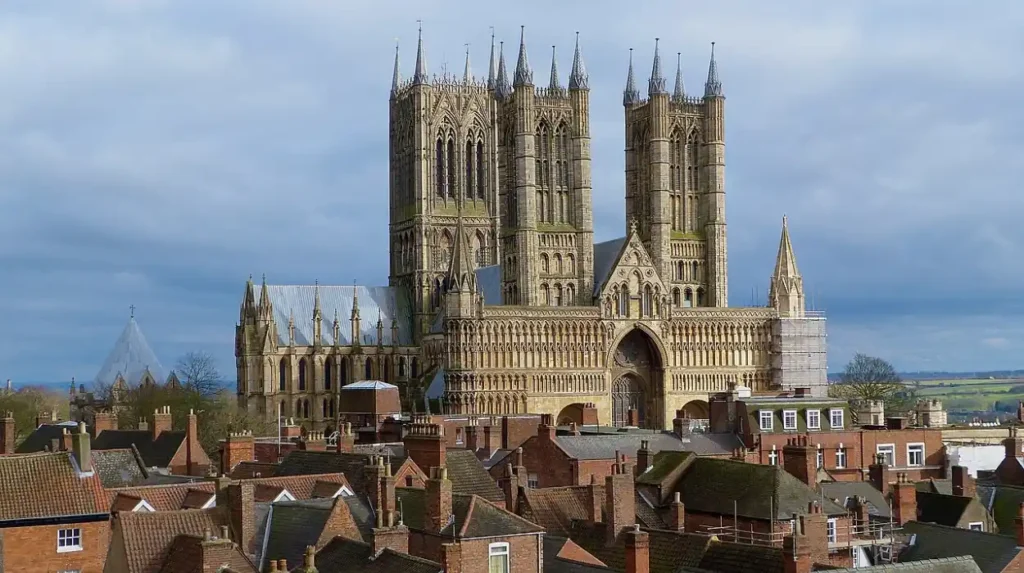
The Lincolnshire Spires and Steeples trail connects Lincoln Cathedral to St Denys’ Church in Sleaford and incorporates artworks, digital sound recordings produced by the artsNK Listen Here project, and landscape features across the North Kesteven district. The Chester Diocese Towers and Spires Cheshire cycle tour covers 40 miles, with a 28-mile option, beginning at Chester Cathedral and passing 10 Anglican churches, including St John’s Church Chester, the oldest building in the city still in active use for religious purposes. The Worcestershire Towers and Spires route offers a choice of 25 or 42 miles and visits 12 churches through the Severn Valley countryside. Each route was developed in partnership with Sustrans, the sustainable transport charity, and the Church of England.
What Architectural Features Define the Towers and Spires on These Routes?
The architectural features found along the spires and towers’ scenic route span multiple periods of English ecclesiastical design. Norman towers, constructed between 1066 and 1200, are characterized by thick stone walls, small rounded arches, and minimal ornamentation. Perpendicular Gothic spires, built predominantly between the 14th and 16th centuries, feature tall pointed profiles, large traceried windows, and intricate stone pinnacles. Louth Parish Church in Lincolnshire contains the tallest medieval parish church spire in England, standing at 293 feet (89 meters) and dating to the 12th century.
Suffolk’s medieval churches are particularly noted for their soaring perpendicular architecture, fine woodwork, dazzling medieval stained glass, and seven-sacrament fonts, which are stone baptismal structures depicting the seven sacraments of Catholic practice, found almost exclusively in East Anglia. Cruciform churches, built in a cross-shaped plan, represent a rarer structural form. Pakenham church in Suffolk is one of only five cruciform churches in the county. Chester Cathedral, the starting point of the Cheshire route, is a medieval Benedictine abbey church converted to a cathedral in 1541 under King Henry VIII during the English Reformation. Each church along the routes functions as both a place of active worship and an open-air architectural archive.
How Do You Plan a Journey Along the Spires and Towers Scenic Route?
Planning a journey along the spires and towers scenic route requires selecting a specific regional trail, determining the travel mode, and preparing for variable terrain and distances. Cyclists should use a hybrid or road bicycle for paved church trail routes, or a gravel bike for mixed-surface options. E-bikes are suitable for all route types and reduce the physical demand on longer circuits. The Suffolk 30-mile trail takes approximately 4 to 5 hours by bicycle at a moderate pace. The Cheshire 40-mile route requires a full day for most recreational cyclists.
The Lincolnshire Spires and Steeples trail is primarily a walking route designed to be completed in sections across multiple days. Route maps are available at participating churches, cycle shops, and Tourist Information Centres across each region. Digital navigation is supported through Ordnance Survey mapping tools and the Sustrans National Cycle Network route finder. Visitors should carry water, a puncture repair kit, and appropriate waterproof clothing, as all routes pass through exposed rural landscapes. Many trails include designated stopping points at village pubs, farm cafes, and churchyard picnic areas. The best time to travel these routes is between April and October, when daylight hours are longest and rural road surfaces are driest.
What Heritage and Cultural Highlights Are Found Along the Routes?
The cultural highlights found along the spires and towers scenic route include rare ecclesiastical artworks, historical memorials, and significant community records preserved within the churches. Tostock St Andrew church in Suffolk contains a conserved World War I memorial painting created by Marion Saumarez, who served as a nurse at Shrubland Park Hospital during the conflict. Hessett St Ethelbert features elaborate decorative stonework on its exterior facade. Rougham St Mary holds a 1405 brass memorial depicting Sir Roger Drury, a medieval knight, which is one of the most detailed monumental brasses of its period in the county. Drinkstone All Saints church contains Victorian stained glass noted for its vivid color palette.
In Lincolnshire, the Spires and Steeples trail includes digital sound recordings produced in collaboration with composer Dallas Simpson and local vocalist Brian Dawson, featuring traditional Lincolnshire folk songs. The Listen Here project by artsNK recorded interviews and sound landscapes from communities along the route. Lincoln Cathedral, the trail’s starting point, is one of the most significant Gothic cathedrals in Europe and held the world record for the tallest habitable building from 1311 to 1549, when its central spire stood at an estimated 160 meters. Heritage trails of this kind serve as living records of regional social history, preserving the architectural and artistic legacy of communities across centuries.
What Is the Impact of the Spires and Towers Scenic Route on Heritage Tourism?
The spires and towers scenic route contributes measurably to heritage tourism, rural economic activity, and conservation funding across England. Historic England’s annual Heritage at Risk register documents the condition of listed buildings, including churches, and notes that active visitor engagement directly supports the maintenance and restoration of vulnerable structures. The National Churches Trust reported in 2022 that more than 4,500 community buildings across England depend on visitor income and voluntary contributions to remain operational. The Spires and Steeples Challenge in Lincolnshire has raised charitable funds for local arts and heritage organizations since its establishment in 2008.
Cycle tourism in England generated an estimated 3.1 billion pounds in economic value annually, according to data from Cycling UK and Transport Research Laboratory assessments. Heritage cycling routes that link religious sites to rural communities generate visitor spending in local accommodation, food service, and retail sectors. The Cathedrals Cycle Route, a 1,825-mile long-distance cycle trail developed in partnership between Cycling UK, the British Pilgrimage Trust, Sustrans, and the Association of English Cathedrals, connects all 42 Church of England cathedrals and demonstrates the scale of heritage cycle tourism infrastructure now established across the country. Routes of this type also promote physical activity, reduce carbon emissions through non-motorized travel, and contribute to mental health outcomes documented in public health research by Natural England.
What Are the Future Developments for Heritage Spires and Towers Routes?
The spires and towers scenic route concept continues to expand through new regional partnerships and infrastructure investment. Sustrans has committed to extending its Towers and Spires cycle trail series beyond its current five routes in Suffolk, Worcestershire, Cheshire, Gloucestershire, and East England. The National Churches Trust actively maps new trails and incorporates digital tools, including downloadable GPS files, audio guides, and interactive church finder applications. The Cathedrals Cycle Route project aims to extend its coverage to Wales, Scotland, and Northern Ireland in future phases. Regional tourism bodies, including Discover Suffolk, artsNK, and Visit Lincolnshire, continue to invest in waymarking, route maintenance, and printed navigation resources.
The Church Buildings Council identified in its 2021 report that heritage trail programs increase annual visitor numbers to participating churches by an average of 34 percent. Growing interest in eco-tourism, slow travel, and cultural heritage experiences among domestic and international visitors supports the long-term expansion of routes that combine exercise, landscape, and historical discovery. Digital integration, including smartphone-compatible trail guides and augmented reality church interpretation tools, represents the next stage of development for these routes across England.
What is the Towers and Spires cycle trail?
The Towers and Spires cycle trail is a heritage cycling route that links historic churches, cathedrals, and medieval religious architecture through countryside lanes. The first route launched in 2014 in Suffolk, covering 30 miles from St Edmundsbury Cathedral. Multiple regional versions now exist across England, developed in partnership with Sustrans and the Church of England.
How long is the Spires and Steeples trail in Lincolnshire?
The Spires and Steeples trail in Lincolnshire runs from Lincoln Cathedral to St Denys’ Church in Sleaford, covering a distance suited for walking in stages across one or more days. The route incorporates heritage artworks, churchyard landscapes, and digital audio recordings produced by the artsNK Listen Here project. It has served as both a leisure trail and a charity challenge event since 2008.
Can families cycle the Towers and Spires route?
Yes, the Suffolk Towers and Spires cycle trail offers a 19-mile family-friendly version in addition to the full 30-mile route. The shorter trail passes through Bury St Edmunds and villages including Great Barton, Pakenham, Thurston, Tostock, and Woolpit.
What churches are included on the spires and towers scenic route?
The specific churches vary by regional route. The Suffolk trail includes Woolpit St Mary, Hessett St Ethelbert, Drinkstone All Saints, Rougham St Mary, and Tostock St Andrew, among others. The Cheshire route includes Chester Cathedral, St John’s Church, Chester, and Anglican churches in Waverton, Bunbury, Tattenhall, and Aldford. Each route selects churches of architectural or historical significance within its region.
Who organizes the spires and towers scenic routes in England?
The spires and towers scenic routes are organized through partnerships between Sustrans (the sustainable transport charity), the Church of England, diocesan authorities, the National Churches Trust, and regional tourism organizations, including Discover Suffolk, Visit Lincolnshire, and the Diocese of Chester. Funding comes from local councils, heritage bodies such as the Church Buildings Council