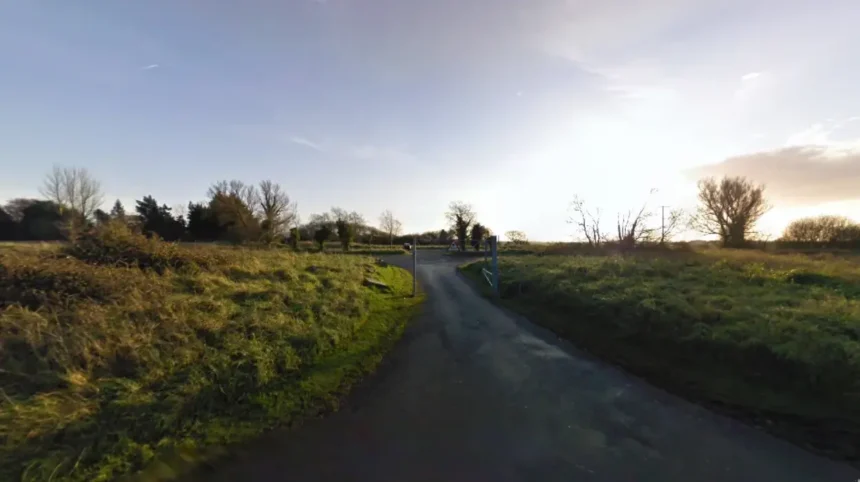
Oxford Island is a National Nature Reserve located on the southern shores of Lough Neagh in County Armagh, Northern Ireland, encompassing approximately two hundred and eighty hectares of diverse habitats such as reed beds, ancient oak woodlands, wildflower meadows, and open water ponds that support protected wildlife populations.
Oxford Island functions as a premier environmental conservation area and public recreation destination managed by the Armagh City, Banbridge and Craigavon Borough Council. The reserve operates as a vital sanctuary for migrating and resident bird species, providing critical breeding grounds within the largest freshwater lake in the British Isles.
The geographic positioning of the site along the southeastern banks of Lough Neagh creates unique microclimates and wetland environments that foster exceptional biodiversity. Conservation strategies implemented across the reserve focus on habitat management, invasive species control, and public education to ensure ecological sustainability.
Scientific research conducted within the boundaries of Oxford Island monitors water quality, avian population dynamics, and botanical succession patterns across various terrestrial and aquatic zones. Academic institutions utilize the reserve for field studies focusing on freshwater ecology, ornithology, and woodland management practices.
Public access to the reserve includes an extensive network of walking trails, elevated birdwatching hides, and the Lough Neagh Discovery Centre, which offers interpretive exhibitions and educational programming. Visitors engage in low-impact recreational activities such as wildlife photography, hiking, and environmental interpretation programs designed to enhance public ecological awareness.
Regional tourism frameworks position Oxford Island as a central asset for eco-tourism in Northern Ireland, attracting thousands of visitors annually. Local economic benefits stem from visitor expenditures at the discovery centre cafe, guided tours, and regional hospitality services operating in proximity to the reserve.
What is the historical background and development of Oxford Island?
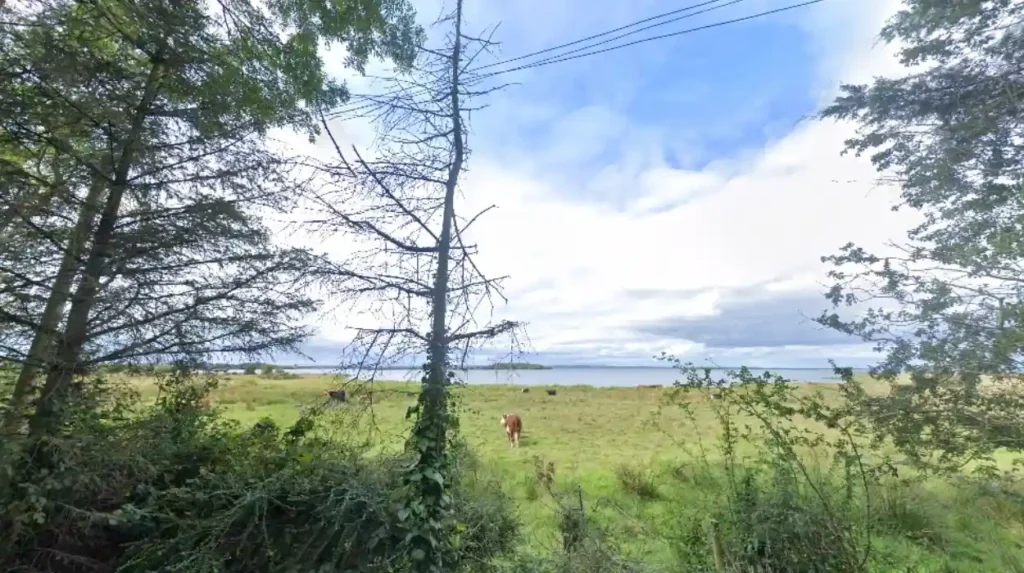
The evolution of Oxford Island spans from ancient post-glacial geological formations and early human settlement to its formal establishment as a national nature reserve in the late twentieth century through coordinated environmental conservation initiatives.
Historical land use patterns across the Oxford Island peninsula involved agricultural grazing, timber extraction, and small-scale peat cutting before the implementation of formal conservation policies in nineteen seventy eight. Archaeological surveys indicate that human activity in the vicinity dates back to the Neolithic period, evidenced by flint artifacts discovered in adjacent agricultural soils.
The physical landscape was significantly altered during the mid-nineteenth and twentieth centuries through arterial drainage schemes on Lough Neagh, which lowered lake water levels and exposed extensive marginal wetland areas. These newly formed littoral zones gradually developed dense reed beds and willow scrub, creating optimal habitats for wetland fauna.
Designation as a National Nature Reserve occurred officially in nineteen eighty two, recognizing the national and international importance of the area for wildlife conservation. Management authority transferred through various local government reorganizations, ultimately resting with the current borough council in partnership with environmental agencies.
Infrastructure development over subsequent decades included the construction of the Lough Neagh Discovery Centre in nineteen ninety three, designed by architects to blend with the surrounding natural topography. This facility expanded the capacity for environmental education, scientific research administration, and public engagement.
Ongoing historical preservation efforts document the industrial and agricultural heritage of the surrounding Kinnego area, incorporating historical land boundaries and traditional farming practices into modern interpretive displays within the reserve visitor facilities.
What are the key ecological habitats found within Oxford Island?
Oxford Island contains a complex mosaic of distinct ecological habitats including mature deciduous woodlands, extensive reed beds, wet grasslands, and shallow open water bodies that sustain high biodiversity.
Deciduous woodland zones within the reserve are dominated by native tree species such as pedunculate oak, ash, birch, and alder, providing critical structural diversity and canopy cover for woodland bird species and invertebrate populations. Understory vegetation features hazel, hawthorn, and diverse fern assemblages that thrive in the damp soils characteristic of the lough shore.
Extensive reed beds dominated by common reed fringe the shoreline and sheltered bays, acting as natural filtration systems for runoff while offering secluded nesting habitats for specialized wetland birds. These reed communities support invertebrate larvae, amphibians, and fish fry within their submerged root systems.
Wet grassland and wildflower meadow areas undergo targeted management regimes involving controlled grazing and annual hay cutting to suppress aggressive scrub encroachment and promote the growth of native flora such as orchids, ragged robin, and yellow iris. These meadows provide essential foraging resources for pollinating insects and seed-eating birds.
Open water ponds and shallow lagoon environments created through historical clay extraction and gravel digging provide stable aquatic habitats for diving ducks, grebes, and aquatic plants like water lilies and pondweed. These water bodies maintain stable hydrological connections with Lough Neagh during seasonal water level fluctuations.
Edge habitats, known as ecotones, exist where woodlands meet wetlands and meadows, generating high species turnover and supporting complex ecological food webs involving predators such as sparrowhawks, foxes, and mustelids.
Which wildlife species inhabit Oxford Island?
Oxford Island supports a diverse assemblage of wildlife including over two hundred recorded bird species, numerous mammalian species, diverse insect populations, and specialized aquatic organisms adapted to freshwater environments.
Avian fauna represents the most prominent ecological feature of the reserve, featuring year-round resident species alongside critical wintering and breeding migrant populations. Notable breeding birds include the great crested grebe, tufted duck, sedge warbler, reed bunting, and various tit species inhabiting the woodland canopy.
Winter visitor populations arrive in significant numbers from northern breeding grounds, utilizing Lough Neagh and the sheltered bays of Oxford Island as roosting and feeding sites. Species such as goldeneye, pochard, teal, and whooper swans utilize the aquatic zones during migration periods.
Mammalian residents inhabiting the terrestrial zones include red foxes, European badgers, stoats, pygmy shrews, and multiple bat species that forage over the open water and woodland edges for flying insects. Brown hares and rabbits occupy the grassland and scrub margins.
Invertebrate biodiversity is exceptionally high, featuring rare dragonfly and damselfly species patrolling the pond margins, alongside numerous butterflies such as the orange tip and peacock utilizing the woodland edge flora. Aquatic macroinvertebrates serve as crucial indicators of water quality within the ponds and lough shore.
Amphibians and fish populations complete the ecosystem network, with common frogs, smooth newts, and common toads breeding in the seasonal and permanent water bodies, while the adjacent lough waters contain economically and ecologically important native fish stocks.
What conservation and management practices are applied at Oxford Island?
Conservation management at Oxford Island involves scientifically guided habitat restoration, invasive species eradication, hydrological monitoring, and sustainable visitor management protocols executed by trained conservation staff.
Habitat management plans dictate specific seasonal interventions, such as rotational coppicing of woodland understories to increase structural light penetration and encourage ground flora development. Reed bed management involves controlled cutting cycles to prevent natural terrestrialization and maintain open water channels required by nesting waterfowl.
Invasive alien species eradication programs target aggressive non-native flora such as Himalayan balsam, cherry laurel, and giant hogweed that threaten to displace native biodiversity across the terrestrial and riparian zones of the reserve. Mechanical removal and targeted biological controls are deployed systematically.
Hydrological monitoring protocols track water levels, nutrient loading, and siltation rates within the reserve ponds and lough interface to mitigate the impacts of agricultural runoff and climate-induced weather extremes. Water quality data is shared with environmental protection agencies to maintain regional ecological standards.
Visitor management strategies balance public access with wildlife protection by zoning the reserve into high-access recreation areas near the discovery centre and restricted sanctuary zones where public entry is prohibited during sensitive bird breeding seasons. Boardwalks and designated paths prevent soil compaction and habitat fragmentation.
Community engagement and volunteer programs integrate local citizens into practical conservation tasks, including tree planting, litter sweeps, citizen science biological monitoring, and educational outreach events that foster long-term environmental stewardship.
What are the opening hours for Oxford Island?
Oxford Island Nature Reserve is open to the public daily from nine o’clock in the morning until nine o’clock in the evening. Access to the outdoor walking trails and car parks follows these daily schedules throughout the year. The indoor Lough Neagh Discovery Centre operates on specific visitor hours determined by seasonal requirements.
Is there an admission fee to enter Oxford Island?
Entry to the Oxford Island nature reserve and its extensive walking trails is completely free of charge for all visitors. Parking facilities located on site do not require payment for general access. Charges apply only for specific indoor exhibition experiences, educational workshops, or cafe purchases.
Are dogs allowed on the walking trails at Oxford Island?
Dogs are permitted within designated outdoor areas of Oxford Island provided they remain under close control and on a leash at all times. Restrictions apply to specific nature conservation zones and bird-sensitive habitats to protect ground-nesting wildlife. Owners are required to clean up after their pets using provided waste receptacles.
How can researchers access Oxford Island for ecological studies?
Academic researchers and environmental scientists must submit formal inquiry requests to the site management and local council authorities prior to conducting fieldwork. Permits ensure that research activities do not disrupt protected species or compromise ongoing conservation monitoring programs. Data sharing agreements often apply to completed studies.