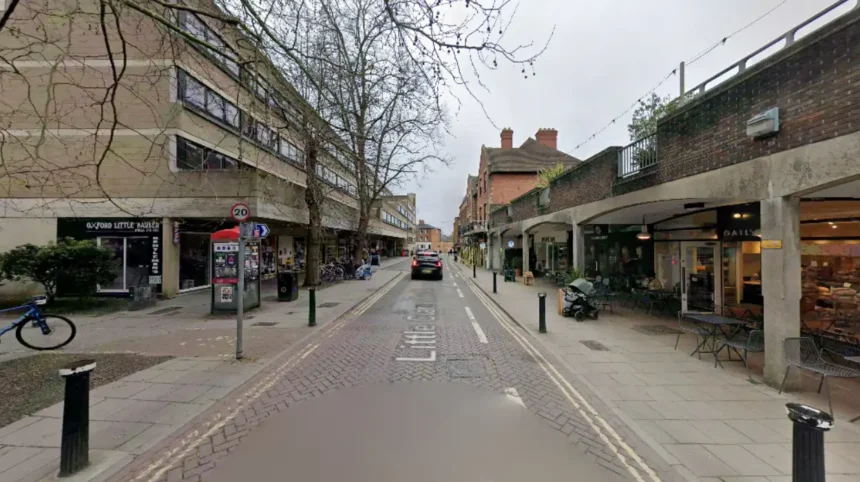
Little Clarendon Street functions as a vibrant thoroughfare located in the historic city of Oxford, England, connecting Walton Street to Woodstock Road while housing numerous independent shops, cafes, and restaurants that reflect the distinct bohemian character.
- How did Little Clarendon Street develop historically?
- What types of businesses operate on Little Clarendon Street?
- How does Little Clarendon Street contribute to Oxford culture?
- What are the urban planning and architectural features of Little Clarendon Street?
- How do transportation and accessibility function around Little Clarendon Street?
- What is the economic impact of independent businesses on Little Clarendon Street?
Little Clarendon Street represents a vital commercial hub in Oxford. It serves local residents, students, and visitors.
The street is a pedestrian-friendly corridor lined with Victorian architecture. Independent retailers form the core of its business environment.
Its location borders the Jericho district, which gives the area its creative atmosphere. Local conservation policies preserve the historic shopfronts.
The commercial economy relies on artisan shops rather than global retail chains. Nearby University of Oxford offices and colleges drive steady daily activity.
Bus routes and cycle paths ensure easy transit to the street. It remains an essential destination within central Oxford.
How did Little Clarendon Street develop historically?
Historical records indicate that Little Clarendon Street emerged during the nineteenth century as part of the rapid urban expansion of Oxford, transforming from open agricultural land into a densely populated residential and commercial area that served the university town.
Development began during the Victorian era. Construction provided housing and services for university workers and tradespeople.
Terraced brick structures with ground-floor shops were built along the corridor. Early businesses included local grocers, butchers, and bakeries.
During the twentieth century, the street adopted a distinct bohemian character. Artists, writers, and students made the area a cultural meeting point.
Urban planning protections stopped large-scale modern demolition. Strict conservation rules maintained the nineteenth-century streetscape.
Today, historic details remain visible throughout the thoroughfare. The street retains its traditional layout and heritage charm.
What types of businesses operate on Little Clarendon Street?
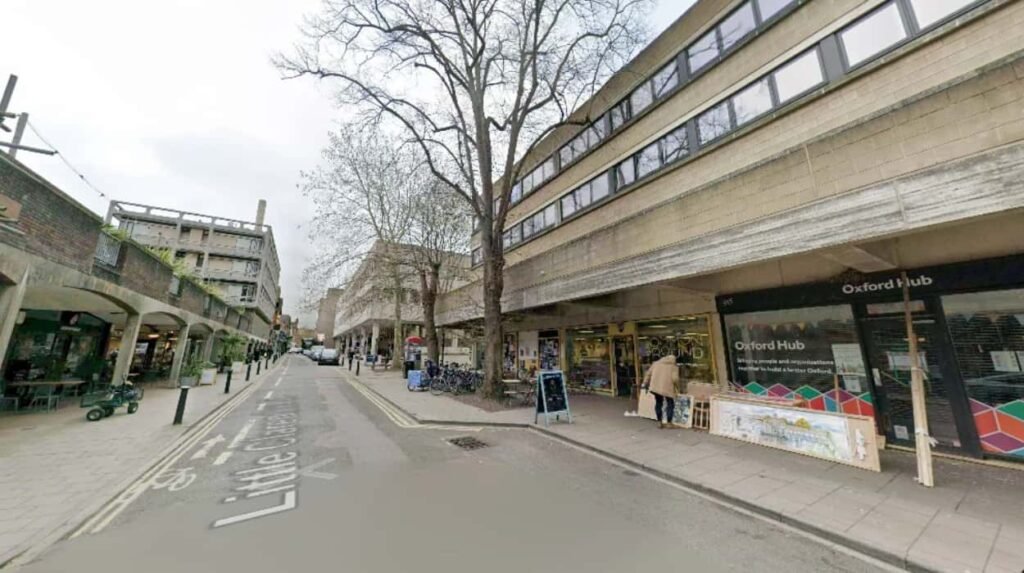
A diverse mix of independent retailers, artisan food purveyors, specialized clothing boutiques, and popular cafes operate along Little Clarendon Street, creating a localized commercial ecosystem distinct from standard British high streets.
The street features specialty coffee shops, wine bars, and international restaurants. Bakeries and artisan cheese shops attract regular local customers.
Independent fashion boutiques, vintage stores, and hair salons line the sidewalks. Co-working spaces and cafes provide areas for remote workers and students.
Chain stores remain rare along the entire block. This creates a unique retail mix found nowhere else in the city.
High foot traffic keeps commercial space in high demand. The street remains a key economic asset for North Oxford.
How does Little Clarendon Street contribute to Oxford culture?
Little Clarendon Street contributes to Oxford culture by serving as a creative social hub that hosts independent cultural venues, fosters intellectual discourse, and preserves a distinct counter-cultural identity within the university city.
Cafes and eateries act as informal meeting places for scholars and residents. Ideas and conversation flow naturally across these shared spaces.
The street reflects Oxford’s artistic community. Local art installations and public projects add creative character.
Its reputation earned it nicknames like “Little Trendy Street” as early as the 1960s. It remains listed among the UK’s top cultural hotspots.
Community events and seasonal street festivals unite local residents. The thoroughfare maintains an authentic local identity.
What are the urban planning and architectural features of Little Clarendon Street?
Urban planning policies protect the narrow Victorian streetscape, low-rise terraced buildings, and pedestrian-oriented layout of Little Clarendon Street to maintain its historic conservation area status.
Victorian brick buildings define the structural character of the street. Ground-floor retail units sit beneath residential and office spaces.
Conservation rules limit alterations to historic facades. Building heights remain strictly controlled.
Narrow roadways and wide walkways prioritize pedestrian movement. Traffic-calming measures keep vehicle speeds low.
Outdoor seating expands the public realm during summer months. The scale remains human-centered and comfortable.
How do transportation and accessibility function around Little Clarendon Street?
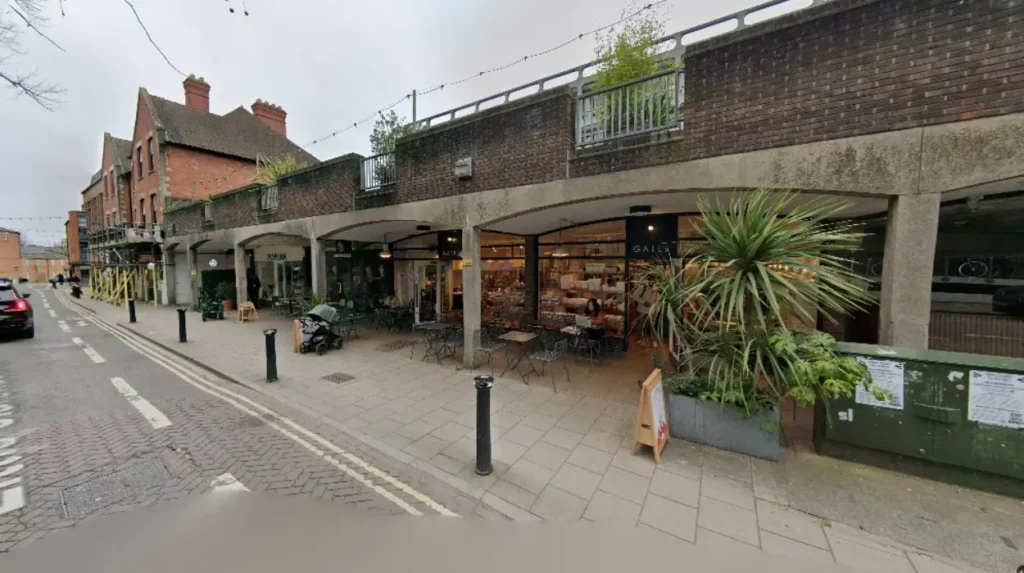
Accessibility to Little Clarendon Street relies on a multi-modal transportation network featuring comprehensive bicycle routes, frequent public bus services, and pedestrian pathways connecting directly to major university and residential zones.
Pedestrians can access the street easily from central Oxford. Nearby university facilities lie within short walking distance.
Bus stops along Woodstock Road and Walton Street provide direct connections across Oxfordshire. Commuters use these stops daily.
Bicycle parking racks sit located along both ends of the street. Cyclists form a large percentage of regular visitors.
Delivery vehicles operate under timed windows to prevent congestion. Active transit remains the primary access method.
What is the economic impact of independent businesses on Little Clarendon Street?
Independent businesses drive the local economy of Little Clarendon Street by maximizing local supply chain retention, generating specialized employment opportunities, and fostering high commercial resilience against economic downturns.
Revenue generated on the street stays within the local Oxfordshire economy. Local sourcing supports surrounding regional producers.
Shops and dining spots create jobs in hospitality, retail, and service sectors. Skilled artisans find continuous employment.
Diverse business models prevent high vacancy rates. When one tenant leaves, high demand fills the space quickly.
This resilience ensures the street’s long-term commercial survival. It serves as a model for independent high streets across the UK.
Where is Little Clarendon Street located in Oxford?
Little Clarendon Street is situated in the historic Jericho district of central Oxford, connecting Walton Street to Woodstock Road. It lies within walking distance of major University of Oxford departments and collegiate buildings.
What types of shops are on Little Clarendon Street?
The street features a wide variety of independent shops, including artisan food purveyors, specialty coffee houses, vintage clothing boutiques, bookshops, and boutique hair salons. Major multinational retail chains are largely absent from the thoroughfare.
Is Little Clarendon Street pedestrian-friendly?
Little Clarendon Street features narrow sidewalks and historic Victorian street layouts designed primarily for pedestrian and cyclist movement. Traffic management measures are in place to reduce vehicular congestion and ensure safe navigation for visitors.
What are the historical roots of the street?
The street was developed during the mid-nineteenth century as part of the residential and commercial expansion of the St John’s College estate. It transitioned over time from housing tradespeople into a vibrant bohemian quarter favored by artists and academics.