Literary walking tours of Oxford are guided educational routes through the city that highlight locations connected to major English literature figures, university history, and fictional works inspired by Oxford. These tours combine historical commentary, architectural context, and author biographies to explain how Oxford shaped global literary traditions.
- How did Oxford become a literary city?
- Which famous authors are connected to Oxford?
- What landmarks are included in Oxford literary walking tours?
- How do literary walking tours of Oxford work?
- What is the cultural and educational impact of literary walking tours of Oxford?
- How have modern literary walking tours of Oxford evolved?
- What should visitors expect and prepare for on literary walking tours of Oxford?
Literary walking tours of Oxford are structured experiences that explore the relationship between place and text. Oxford, a university city in England, contains centuries-old colleges, libraries, and streets that influenced writers such as J.R.R. Tolkien, C.S. Lewis, and Lewis Carroll. The tours typically follow pedestrian routes through central Oxford, focusing on college courtyards, historic pubs, libraries, and bookshops.
The concept of literary walking tours emerged from cultural tourism and academic heritage interpretation. Oxford’s compact medieval layout allows visitors to move between key literary sites within short distances. This spatial concentration of institutions such as the University of Oxford makes the city one of the most significant literary heritage destinations in the United Kingdom.
These tours are designed for educational engagement rather than entertainment alone. Guides present historical documentation from university archives, publishing records, and author correspondence to connect physical locations with literary production. This approach transforms urban space into a narrative landscape shaped by centuries of academic writing and storytelling.
How did Oxford become a literary city?
Oxford became a literary city through the development of the University of Oxford, established by the 12th century, which created a continuous academic environment that produced and attracted writers, philosophers, and poets. The city’s colleges, libraries, and scholarly culture established a foundation for centuries of literary output.
The University of Oxford is one of the oldest universities in the world, with documented teaching activity dating back to 1096. Its collegiate system created independent academic communities that encouraged writing, translation, and publication. The Bodleian Library, formally opened in 1602, became one of the largest research libraries in Europe, supporting literary scholarship and manuscript preservation.
During the 19th and 20th centuries, Oxford experienced a major literary expansion due to academic movements such as Romanticism and later modernist writing. University fellows and students contributed to poetry, fantasy literature, and philosophical works. The city became a hub for linguistic study, medieval literature research, and classical translation.
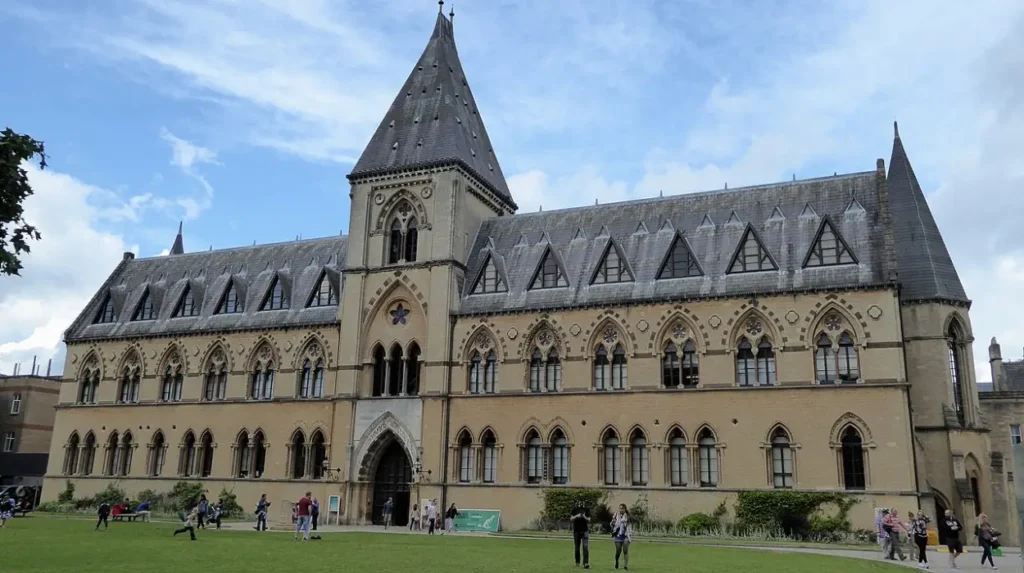
Oxford’s literary identity also developed through its association with children’s literature and fantasy fiction. Writers used the city’s Gothic architecture, narrow streets, and collegiate quadrangles as inspiration for fictional settings. This transformation of real urban space into literary imagination contributed to Oxford’s global cultural recognition.
Which famous authors are connected to Oxford?
Famous authors connected to Oxford include J.R.R. Tolkien, C.S. Lewis, Lewis Carroll, and Oscar Wilde, all of whom studied, taught, or worked at the University of Oxford and produced influential literary works linked to the city’s academic and architectural environment.
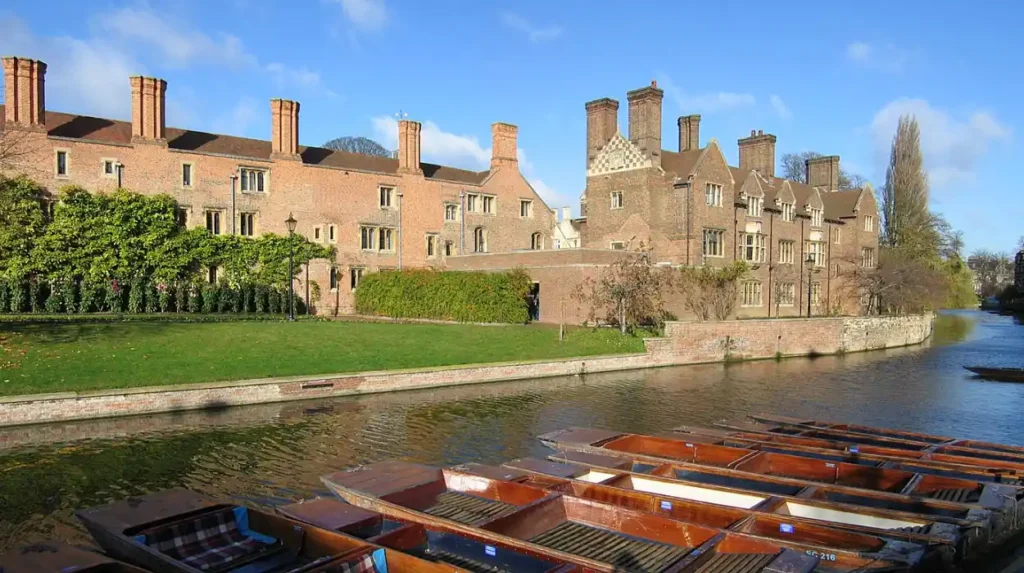
J.R.R. Tolkien, author of The Lord of the Rings, served as Professor of Anglo-Saxon at Oxford and conducted linguistic research at Exeter College. His academic work in philology influenced his fictional languages and world-building systems. C.S. Lewis, known for The Chronicles of Narnia, taught English literature at Magdalen College and participated in the literary group known as the Inklings.
Lewis Carroll, the pen name of Charles Lutwidge Dodgson, was a mathematics lecturer at Christ Church, Oxford. He wrote Alice’s Adventures in Wonderland, inspired by real Oxford locations and individuals, including Alice Liddell, the daughter of a dean at Christ Church. Oscar Wilde studied at Magdalen College and became associated with aestheticism and Victorian literary culture.
These authors contributed to different literary genres including fantasy, children’s literature, poetry, and satire. Their academic positions provided access to libraries, intellectual networks, and publishing platforms. Oxford’s institutional structure enabled continuous literary production across multiple generations of writers.
What landmarks are included in Oxford literary walking tours?
Landmarks included in Oxford literary walking tours consist of university colleges, libraries, historic pubs, and streets directly associated with authors and literary works. Key sites include the Bodleian Library, Christ Church, Magdalen College, Radcliffe Camera, and the Eagle and Child pub.
The Bodleian Library functions as one of the central stops in literary tours due to its extensive manuscript collections and historical role in European scholarship. Christ Church College is associated with Lewis Carroll and features architectural spaces linked to Alice in Wonderland. Magdalen College is connected to C.S. Lewis and includes the deer park where he frequently walked and wrote.
Radcliffe Camera, completed in 1749, represents classical architectural influence and serves as a symbolic center of academic reading culture. The Eagle and Child pub historically hosted the Inklings literary group, where Tolkien and Lewis discussed manuscripts and narrative development. These meetings influenced major works of 20th-century fantasy literature.
Oxford streets such as Broad Street and Holywell Street form connective routes between literary sites. These pedestrian pathways allow tours to maintain chronological and thematic storytelling structures, linking physical geography with literary production across centuries of academic history.
How do literary walking tours of Oxford work?
Literary walking tours of Oxford operate through scheduled guided routes led by trained historians or literature specialists who provide contextual explanations of sites, authors, and texts while moving through predefined pedestrian paths within the city center.
Tours typically begin at central meeting points near major transport access routes. Guides follow structured itineraries that last between 90 minutes and 3 hours depending on depth and audience level. Each stop corresponds to a specific literary figure or historical event connected to Oxford’s academic environment.
Interpretation methods include narrative explanation, historical documentation, and architectural analysis. Guides reference primary sources such as university records, author manuscripts, and published letters to establish factual connections between locations and literary works. This ensures academic accuracy and historical consistency.
Tour groups are limited in size to maintain accessibility within narrow medieval streets and college entrances. Some colleges restrict internal access during academic sessions, requiring external viewing only. Seasonal variations affect tour availability, with increased frequency during university holidays and summer months.
What is the cultural and educational impact of literary walking tours of Oxford?
Literary walking tours of Oxford generate cultural and educational impact by preserving literary heritage, supporting academic tourism, and enhancing public understanding of English literature through direct engagement with historical environments and authorial contexts.
These tours function as informal educational systems that extend university-level literary studies into public spaces. Visitors gain exposure to historical linguistics, narrative development, and publishing history through site-based learning. This reinforces comprehension of how environment influences literary production.
Culturally, the tours contribute to heritage preservation by maintaining awareness of historic buildings and intellectual traditions. Oxford’s architectural conservation policies align with tourism frameworks that protect college structures, libraries, and streets linked to literary history. This integration supports long-term preservation of cultural assets.
Economically, literary tourism contributes to local revenue through guided services, museum entry fees, and related hospitality industries. Academic research from UK tourism bodies indicates that cultural tourism forms a significant component of Oxford’s visitor economy, particularly during peak academic seasons.
How have modern literary walking tours of Oxford evolved?
Modern literary walking tours of Oxford have evolved through digital integration, expanded thematic routes, and increased academic collaboration, incorporating multimedia tools, mobile applications, and updated historical research to enhance interpretive accuracy and visitor engagement.
Traditional guided walking tours relied solely on verbal storytelling and printed maps. Contemporary tours now integrate audio guides, QR code archives, and augmented historical reconstructions that allow visitors to access additional manuscript images and scholarly commentary during the tour route.
New thematic variations include genre-specific tours focusing on fantasy literature, children’s literature, and academic philosophy. These specialized routes provide deeper analysis of individual authors such as Tolkien and Lewis, linking specific texts to architectural locations and historical university settings.
Collaboration between tourism providers and academic institutions ensures updated historical accuracy. Researchers from the University of Oxford contribute to revised tour content based on ongoing manuscript analysis and archival discoveries. This maintains alignment with current literary scholarship.
What should visitors expect and prepare for on literary walking tours of Oxford?
Visitors on literary walking tours of Oxford should expect structured pedestrian routes covering historic academic sites, variable weather conditions, and detailed historical commentary requiring moderate walking ability and preparation for outdoor urban exploration.
Tours involve walking distances between 2 and 4 kilometers across cobbled streets and college courtyards. Comfortable footwear and weather-appropriate clothing are essential due to Oxford’s temperate maritime climate, which includes frequent rainfall throughout the year.
Visitors receive detailed historical explanations covering multiple literary periods, including medieval scholarship, Renaissance translation movements, and modern fantasy literature. Guides provide chronological frameworks that connect architectural sites with literary developments across centuries.
Entry to some university colleges may be restricted during examination periods or academic events. External viewing is often substituted in such cases. Visitors are expected to respect institutional regulations and maintain quiet conduct in academic zones.
Is the Bodleian Library free?
The Bodleian Library at the University of Oxford requires registration for access, and some reading rooms are free for scholars, while special collections may require permissions or fees. Access policies depend on research purpose, visitor status, and specific archival materials requested.
Which billionaires went to Oxford?
Billionaires associated with Oxford include individuals such as Elon Musk (brief attendance at Oxford University business programs), Bill Clinton (Rhodes Scholar), and several global business leaders who studied at the University of Oxford and its colleges.
Which is World No. 1 university?
World No. 1 university rankings vary by system. The University of Oxford often ranks first in Times Higher Education listings, while other systems may place institutions like MIT or Harvard at the top depending on evaluation criteria and annual performance metrics.
Which is Asia’s largest literature festival 2026?
Asia’s largest literature festival in 2026 is generally recognized as the Jaipur Literature Festival held in India, featuring global authors, publishers, and thinkers. It serves as a major cultural platform for literary exchange across Asia and international literary communities.
Who is coming to Reading festival 2026?
Reading Festival 2026 lineup is not fully confirmed yet. The event, organized in England, typically features global rock, pop, and alternative artists. Final performer announcements are released closer to the festival date by official organizers and event promoters.