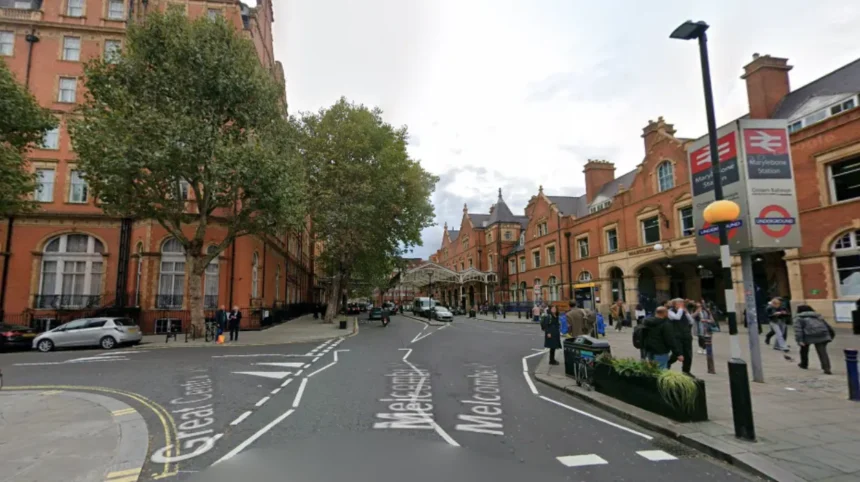
The train journey from Oxford to London takes approximately 54 minutes on the fastest direct service operated by Great Western Railway from Oxford station to London Paddington, while alternative services via Chiltern Railways to London Marylebone require about 1 hour and 9 minutes.
- What are the primary train operators and routes available?
- How much do train tickets cost from Oxford to London?
- What is the history of the rail link between Oxford and London?
- How frequent are the train departures from Oxford to London?
- What onboard facilities and amenities are provided on these trains?
- What are the environmental and economic impacts of the Oxford to London rail corridor?
- Frequently Asked Question
The duration of rail transit between Oxford and London varies according to the specific service route, the operating company, and scheduled station stops along the corridor. Great Western Railway operates high-speed direct intercity services covering the 53-mile geographic separation between Oxford and London Paddington in under an hour. Chiltern Railways provides an alternative route connecting Oxford directly to London Marylebone, with average transit times spanning 69 to 85 minutes depending on whether the service originates at Oxford central station or Oxford Parkway. Intermediate stops on the Chiltern route include stations such as Bicester Village, High Wycombe, and Beaconsfield, which add incremental minutes to the overall schedule. Commuters traveling during peak morning and evening hours experience minor timetable adjustments, though standard scheduling maintains consistent intervals across both operators.
What are the primary train operators and routes available?
The primary train operators running services between Oxford and London are Great Western Railway, which utilizes the historic Great Western Main Line into London Paddington, and Chiltern Railways, which operates via a dedicated link into London Marylebone.
Great Western Railway operates fast, high-frequency services departing from Oxford station and terminating at London Paddington, passing through key regional junctions like Didcot Parkway. This primary corridor carries millions of business and leisure passengers annually, utilizing Class 800 Intercity Express Trains capable of high speeds. In contrast, Chiltern Railways routes trains from Oxford central station and Oxford Parkway through the Chiltern Main Line corridor into London Marylebone. This secondary route was significantly upgraded in December 2016 following a joint infrastructure investment by Network Rail and Chiltern Railways, marking the first new rail link between a major British city and London in over a century. Passengers selecting these operators choose between distinct central London arrival points, allowing commuters to align their rail arrival directly with their final urban destination or connecting London Underground lines, such as the Bakerloo, District, Circle, and Elizabeth lines.
How much do train tickets cost from Oxford to London?
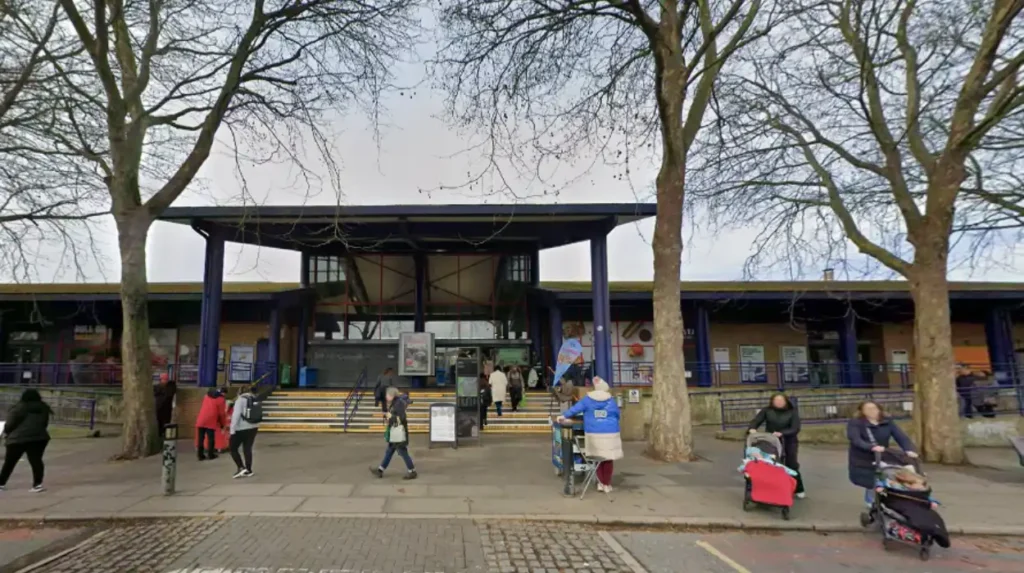
Train ticket prices from Oxford to London vary significantly based on booking lead times, ranging from advance single fares starting at £5.40 on off-peak Chiltern Railways services up to standard anytime peak fares exceeding £55 on Great Western Railway.
Pricing structures across the United Kingdom rail network rely on dynamic tiering, dividing fares into Advance, Off-Peak, and Anytime categories. Advance tickets become available up to 12 weeks prior to travel and offer the lowest cost for passengers committing to a specific departure time. Off-peak tickets provide greater flexibility for travel outside the morning and evening rush hours, typically defined as journeys starting after 09:30 Monday through Friday and all day on weekends. Anytime tickets remain the most expensive option, granting unrestricted travel access on any service throughout the designated travel date. Additional cost-saving mechanisms include National Rail Railcards, such as the 16-25 Railcard, Senior Railcard, or Network Railcard, which discount standard fares by one-third for eligible demographic groups. Furthermore, contactless payment methods and Oyster cards operate on specific sections of the London commuter network, though paper tickets or digital barcodes remain mandatory for the intercity segments originating directly within Oxford.
What is the history of the rail link between Oxford and London?
The rail link between Oxford and London evolved from mid-19th-century industrial expansion spearheaded by Isambard Kingdom Brunel’s Great Western Railway to modern infrastructure integration completed through the 2016 Chiltern Railways project.
Railway connectivity to Oxford commenced in June 1844 when the original Great Western Railway opened an initial station at Grandpont, followed by a permanent station site relocated in 1852. This nineteenth-century engineering feat established the foundational western corridor linking Oxfordshire directly into London Paddington. For over a century, this single primary route handled the entirety of direct rail traffic between the two urban centers. A major historical milestone occurred in December 2016 when a £320 million infrastructure project engineered by Network Rail and Chiltern Railways opened a brand-new direct link connecting Oxford and Oxford Parkway to London Marylebone. This historic engineering work involved laying new double-track sections, rebuilding regional stations like Bicester Town, and constructing modern interchange facilities to alleviate highway congestion on the A34 and M40 corridors. This expansion forms a foundational component of the broader East West Rail initiative designed to interconnect regional economic hubs across central England.
How frequent are the train departures from Oxford to London?
Train departures from Oxford to London occur with high frequency, offering combined frequencies of up to four direct trains per hour during peak commuting windows across both major operating companies.
Service scheduling is structured to accommodate high volumes of daily commuters, university scholars, and international tourists traveling between Oxfordshire and the capital. Great Western Railway dispatches services every 20 to 30 minutes during peak hours from Oxford station to London Paddington. Concurrently, Chiltern Railways maintains regular departures every half hour from both Oxford central station and Oxford Parkway station bound for London Marylebone. This overlapping schedule provides passengers with upwards of 40 to 60 combined daily departures across a typical weekday timetable. Weekend timetables feature slightly modified frequencies and engineering maintenance windows, though direct connections remain consistent throughout Saturday and Sunday operations. Real-time passenger information systems, digital mobile applications provided by National Rail Enquiries, and station departure boards display live tracking updates to manage passenger flow efficiently.
What onboard facilities and amenities are provided on these trains?
Onboard facilities on Oxford to London trains include complimentary high-speed Wi-Fi, power sockets at every seat, designated luggage storage racks, accessible wheelchair spaces, and modern toilet amenities.
Modern rolling stock deployed by both Great Western Railway and Chiltern Railways prioritizes passenger comfort and digital connectivity for modern travelers. Standard class carriages feature ergonomic seating layouts configured around tables or airline-style rows, supplemented by adjustable reading lights and climate control systems. First-class upgrades on Great Western Railway services offer larger reclining seats, wider tables, quieter carriage environments, and complimentary refreshments. Bicycle storage spaces are integrated into specific carriages, though bicycle reservation policies require advance booking due to strict capacity limits during peak commuting intervals. Catering services vary by operator, with intercity Great Western trains frequently offering an onboard trolley service or a buffet car, whereas Chiltern Railways services rely primarily on station retail concessions due to shorter journey structures. Audio-visual automated announcement systems and digital display screens operate across all fleets to provide continuous updates regarding upcoming station stops and connection platforms.
What are the environmental and economic impacts of the Oxford to London rail corridor?
The Oxford to London rail corridor drives substantial regional economic productivity and reduces carbon emissions by shifting tens of thousands of daily commuters away from congested highway networks like the M40 motorway.
Infrastructure investments along the Oxford and London railway lines serve as a vital catalyst for regional labor mobility, allowing professionals to reside in Oxfordshire while accessing employment markets in the City of London and the West End. Economically, the transit link underpins the commercial relationship between Oxford’s biotechnology and higher education sectors and London’s global financial ecosystem. Environmentally, electrified and modern diesel-electric hybrid rolling stock emit significantly lower greenhouse gas emissions per passenger mile compared to single-occupancy passenger automobiles or long-distance intercity coach services. Network Rail data highlights that continuous capacity upgrades, station modernizations at Oxford Parkway, and improved track signaling successfully mitigate urban traffic congestion. As regional urban planning initiatives under Oxford Daily continue to monitor sustainable transport metrics, the rail corridor remains a cornerstone of clean, efficient mass transit infrastructure within the United Kingdom.

Frequently Asked Question
What is the fastest train from Oxford to London?
The fastest train from Oxford to London is the direct Great Western Railway service from Oxford station to London Paddington, which completes the journey in approximately 54 minutes.