Key Points
- Oxfordshire County Council will monitor Botley Road traffic and tweak signal timing if needed to manage rising congestion.
- Botley Road reopened to through traffic on 20 September 2026 after closing in April 2023 for Network Rail’s Oxford Station upgrade.
- Drivers face fresh gridlock on the reopened road just days before Oxford starts its experimental traffic filter trial on 28 September 2026.
- Six new traffic filters across the city make Botley Road the main free route into Oxford city centre and the Westgate car park for cars without permits.
- Local business and hospitality leaders called the filter scheme an “absolute joke,” warning that severe traffic delays may force shops and medical clinics to leave the city.
- Local politicians warned that the new traffic layout risks turning Botley Road into a giant bottleneck.
- County council officials ruled out adding extra traffic filters at the end of Botley Road, stating the move would cut off car access to parts of Oxford.
OXFORD (Oxford Daily) September 25, 2026 — Severe vehicular congestion along Botley Road is set to be closely monitored by local authorities after the vital arterial highway reopened to traffic following years of major rail infrastructure works, as reported by journalists from the Oxford Mail and This Is Oxfordshire.
- Key Points
- Why Are Authorities Monitoring Botley Road Traffic?
- How Have Local Business Leaders and Politicians Reacted to the Traffic Crisis?
- Background to the Botley Road Reopening and Traffic Filter Scheme
- Prediction: How Will This Development Affect Local Residents, Businesses, and Commuters?
- Impact on Independent Businesses and Retailers
- Impact on Commuters and Private Motorists
- Impact on Bus Passengers and Active Travel Users
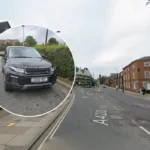
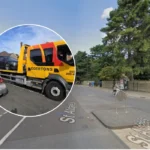
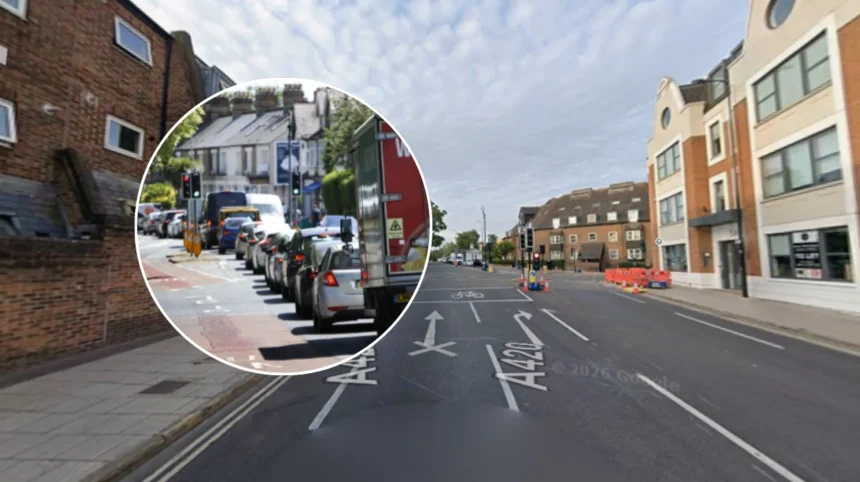
Vehicles have been trapped in bumper-to-bumper tailbacks during peak morning and evening commuting hours on either side of the day, triggering sharp frustration from motorists, residents, and independent traders across the city. The congestion arises just days before Oxfordshire County Council launches its controversial traffic filter trial on 28 September 2026, an initiative designed to replace the interim city centre congestion charge.
Why Are Authorities Monitoring Botley Road Traffic?
As reported by the Oxford Mail, an official spokesman for Oxfordshire County Council confirmed that transport officers will be keeping a constant watch on traffic movement along Botley Road, noting that traffic signal sequencing could be altered dynamically to manage vehicle queues.
“It has only been open for a few days following a long closure and we will monitor the situation while motorists get used to it once again, adjusting traffic signal timings where necessary. Botley Road is a vital bus route, and the bus lanes are important for prioritising this method of sustainable transport.”
— Oxfordshire County Council Spokesman, via This Is Oxfordshire
The council representative highlighted that Oxford’s primary bus operators have rolled out enhanced bus timetables to coincide with the road’s reopening. Authorities are urging commuters to adopt sustainable transport options, pointing to the newly introduced £3 combined parking and bus travel package available at the Seacourt Park and Ride facility.
The local authority explicitly addressed concerns regarding whether new restrictions would be placed directly onto Botley Road itself. The council spokesman clarified that officials have zero intention of erecting extra filter gates by the railway station or along nearby junctions such as Hollybush Row and Oxpens Road.
“There are no plans to place a traffic filter at the locations you mention as this would cut off access to part of the city centre for cars without permits. This is unfeasible.”
— Oxfordshire County Council Spokesman, via The Oxford Mail
How Have Local Business Leaders and Politicians Reacted to the Traffic Crisis?
The reopening of Botley Road and the impending transition to traffic filter enforcement have drawn fierce criticism from the local business community. As reported by journalist standard outlets covering Oxfordshire, business proprietors fear that making Botley Road the principal unrestricted gateway into Oxford city centre will paralyse local commerce.
Tom Rainey, who operates The Porterhouse restaurant and hotel in Mill Street alongside The Punter public house on Osney Island, expressed deep anger at the council’s traffic management strategy:
“The Botley Road used to be terrible. To put filters on the Abingdon Road and in effect make the Botley Road the only access road for the Westgate is ridiculous. It laughs in the face of the planning consent given to the Westgate — clearly it should have been built outside the ring road.”
— Tom Rainey, Proprietor of The Porterhouse and The Punter, reported in This Is Oxfordshire
Mr Rainey acknowledged that while welcoming the physical reopening of Botley Road on Sunday, 20 September 2026 was positive, he now faces the daunting task of re-marketing his commercial venues “as if they were new”.
He warned that Botley Road will quickly reach a “log jam” and cited concern for neighboring healthcare facilities, including his wife’s osteopathic practice, predicting that patients will struggle to access city-based clinics, forcing services to move out of Oxford entirely.
Political representatives have similarly voiced alarm over the unfolding traffic conditions:
- Susanna Pressel, City and County Councillor for Osney, described it as “depressing” to witness Botley Road instantly revert to “horrendous congestion”. However, she noted that county council officers maintain that traffic flow will stabilize once citywide filters take effect, as drivers bypassing the city will select alternative outer routes.
- Lois Muddiman, fellow Osney City Councillor, echoed hopes that traffic filters would reduce weekday congestion along Botley Road, though she expressed lingering concern over heavy weekend visitor traffic heading toward the Westgate shopping center.
- Liam Walker, Leader of the Conservative Group on Oxfordshire County Council, warned of systemic bottlenecks:
“Botley Road will inevitably become the obvious route for many drivers coming from the west… there is a risk of turning it into a giant bottleneck.”
— Cllr Liam Walker, Conservative Group Leader, via Oxford Mail
Background to the Botley Road Reopening and Traffic Filter Scheme
To understand the current congestion crisis, it is necessary to examine the timeline of major works and transport policies surrounding Oxford’s western artery over recent years.
Botley Road was closed to through traffic under the railway bridge in April 2023 as part of Network Rail’s multi-million-pound Oxford Station expansion project. Designed to increase track capacity, build a new platform, and construct a modern replaced highway bridge, the massive engineering endeavor suffered repeated operational delays, leaving the arterial route blocked to motorized traffic for over three full years.
To manage traffic flow across the central area during the prolonged bridge replacement, Oxfordshire County Council introduced a temporary congestion charge in October 2025. This required non-exempt private vehicles passing through designated central control zones to pay a £5 daily fee.
With Network Rail completing major structural highway milestones, Botley Road formally reopened to traffic on Sunday, 20 September 2026. This enabled the county council to transition to its long-planned trial of experimental traffic filters under an Experimental Traffic Regulation Order (ETRO), starting Monday, 28 September 2026.
Unlike the temporary congestion charge, private motorists without specific permits can no longer pay a fee to pass through camera filters; doing so incurs a fine of up to £70.
Although local Oxford residents receive up to 100 day passes per vehicle annually and Oxfordshire residents receive 25 passes, unpermitted private cars travelling into the central district from the west are directed exclusively down Botley Road to access destinations such as the Westgate car park without breaching a filter camera.
Prediction: How Will This Development Affect Local Residents, Businesses, and Commuters?
The combination of Botley Road’s reopening and the immediate rollout of non-payable traffic filters will trigger substantial operational shifts across key stakeholder groups in the Thames Valley region.
Impact on Independent Businesses and Retailers
For traders along Botley Road, Osney Island, and the central shopping district, the traffic filter layout presents a double-edged sword. While the physical reconnection of Botley Road restores direct access to central footfall, funneling unpermitted private cars down a single corridor threatens severe tailbacks during peak shopping hours.
Service-based businesses, medical clinics, and hospitality venues risk client cancellations due to unpredictable travel delays, which may drive commercial tenants toward retail parks on the outer Ring Road.
Impact on Commuters and Private Motorists
Motorists entering Oxford from West Oxfordshire via the A40 or A420 will face significant route restrictions. Drivers seeking to access city car parks without using non-exempt permit allowances will be concentrated onto Botley Road.
Even with a six-month grace period offering warning notices for initial filter contraventions, long queues at bottleneck points could lengthen commute times significantly until driving habits adapt.
Impact on Bus Passengers and Active Travel Users
The traffic filter scheme aims to reduce overall private car usage across central Oxford, which council planners anticipate will improve bus travel times and air quality over the 18-month trial period.
Because Botley Road features dedicated inbound bus lanes and segregated cycleways across much of its span, public transport passengers and cyclists may remain largely insulated from queue delays. However, if gridlock at major junctions spills over into general traffic lanes, short-term bus service reliability could experience disruptions until local signal timing adjustments take full effect.