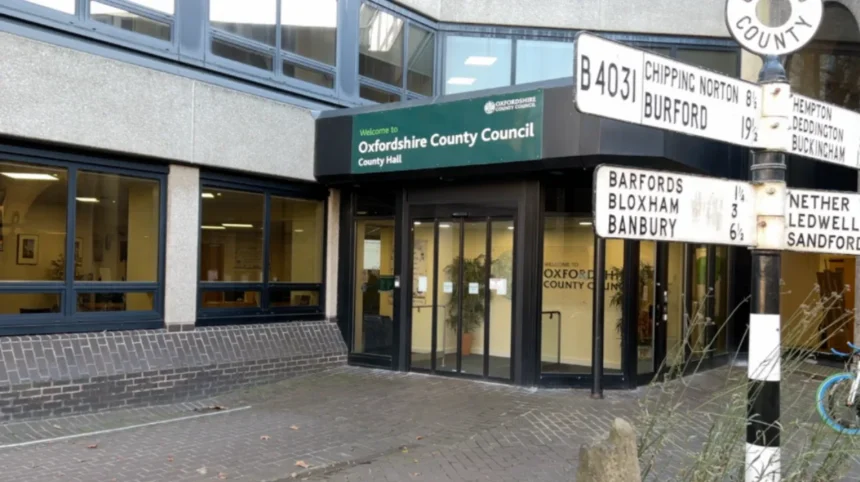
Major changes to local Oxfordshire and West Berkshire councils have been confirmed by the UK government following the 2028 Plan.
More exactly, seven existing councils will be removed and subsequently replaced by three new, larger councils. These changes will take full effect starting April 1, 2028.
This new system will implement unitary councils in the place of the current, available services which are split between local district councils and county councils. A unitary council involves broadly a single organisation being in charge of all local services in an area.
The area of these three new councils will be divided following the regions:
- Greater Oxford
- Northern Oxfordshire
- Ridgeway
The Greater Oxford Council will manage the city of Oxford and its surrounding areas. The Northern Oxfordshire Region Council will manage the northern towns and rural areas of Oxfordshire. And lastly, the Ridgeway Council will cover the southern parts, being responsible for West Berkshire and southern Oxfordshire.
The government’s reasons for replacing and reducing seven councils to only three are to essentially lower costs and facilitate easier access.
Having fewer council organisations will reduce staff duplication and therefore also administrative costs, it will ease for residents access to local services (they will have to contact a single council in regards to bin collection, road maintenance, housing planning and social care).
However, some points about the transition were raised by residents and local representatives. They mentioned the need to ensure that rural communities will receive equal support in comparison to larger towns, that public services will keep running smoothly while the merge of the organisations happens and that fair tax rates across the new region will be combined and set in place.
The news about council changes was accompanied by a regional Thames Water announcement of a new housepipe ban. The ban applies to 10 million people and it entails that citizens cannot use housepipes for activities such as watering gardens, cleaning cars or filling outdoor pools. The rule should ensure that water supplies are conserved during periods of high demand and dry conditions.
The seven existing councils will continue to run normal services until the decided date of April 1, 2028.
Over the next two years, up to the date when the seven councils will cease their services and the other three will start theirs, transitional committees will organise and prepare staff, transfer services and finalise political boundaries.