Key Points
- A new second-hand bookshop has opened in Oxford city centre.
- The shop is called Barker & Co. and it opened at the Golden Cross.
- The opening took place on Saturday, according to reports shared online on 18 May 2026.
- The shop is described as having an academic slant to its stock and selling second-hand books and prints.
- The opening adds another bookselling presence to Oxford’s historic centre, where long-established bookshops and second-hand sellers already operate.
Oxford(Oxford Daily) May 21, 2026: A new second-hand bookshop has opened in a historic part of Oxford uk/local/city-centre/">city centre, adding a fresh bookselling option in one of the city’s busiest shopping areas.
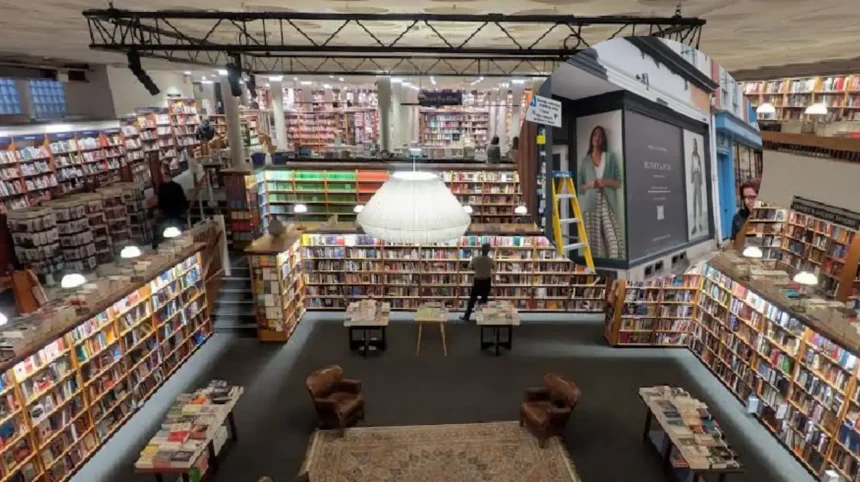
According to the report, the shop is Barker & Co., which launched on Saturday at the Golden Cross. The opening places it within a well-known part of the city centre, an area that already attracts visitors, shoppers and book lovers.
The report says the shop sells second-hand books and prints, and that its stock has an academic slant. That detail suggests the business is aiming at readers looking for used books with a scholarly or specialist feel rather than a general high-street chain model.
Why does the location matter?
The Golden Cross is part of Oxford’s historic shopping landscape, which makes the opening notable beyond a routine retail launch. Oxford already has a strong reputation for book culture, with established bookshops and second-hand outlets spread across the centre.
The new shop enters a market where readers can already find long-standing names, including Oxfam’s second-hand bookshop on St Giles and Blackwell’s on Broad Street. That means Barker & Co. is opening in a city where bookselling is not only commercial but also part of the city’s identity.
What do the available sources say?
The clearest available report is from the Oxford Mail, which identifies the shop, the location and the type of stock on sale. A separate online post from 18 May 2026 also refers to Barker & Co. opening on Saturday in the Golden Cross and describes the interior as charming.
Because the available reporting is limited, there is no verified information here on the owners, the size of the shop, opening hours, or whether it plans future events such as readings or signings. What can be confirmed is the opening itself, the name of the business and the broad description of its offer.
How does this fit Oxford’s book scene?
Oxford has long had a dense concentration of bookshops, ranging from academic and independent sellers to specialist second-hand stores. The city’s book trade has become part of its character, especially in central shopping streets where visitors often browse rather than buy with a fixed list.
A new second-hand shop can benefit from that environment because the local audience already understands and values book culture. At the same time, the competition is real, since established bookshops already serve students, tourists and local readers.
What does this mean for shoppers?
For city-centre shoppers, the opening gives them another place to browse used books and prints in a historic setting. For students and collectors, the academic emphasis may make the shop especially interesting if it carries specialist titles or rare finds.
The move may also support footfall in the Golden Cross area by giving people another reason to stop there rather than pass through. In a city like Oxford, even a small independent bookseller can matter because it adds to the character of the centre and strengthens the area’s cultural appeal.
Background of the development
Oxford has a long book trade history, with well-known shops such as Blackwell’s and Oxfam’s second-hand bookshop already embedded in the city centre. That wider backdrop helps explain why a new second-hand bookshop opening in a historic shopping area is newsworthy.
The city’s mix of tourists, students and academics makes it a natural place for specialist and second-hand bookselling. A business such as Barker & Co. is therefore entering a market that is both competitive and deeply rooted in local identity.
Prediction
For readers, students and collectors, the new shop is likely to be most useful if it maintains a focused academic stock and keeps pricing accessible. If it builds a loyal customer base, it could become a regular stop for people looking for distinctive used books in central Oxford.
For the wider city centre, the opening may contribute modestly to daytime footfall and support the continuing appeal of Oxford as a book-loving destination. Its longer-term impact will depend on how well it fits the city’s established bookselling scene and whether it can stand out in a crowded but interested market.