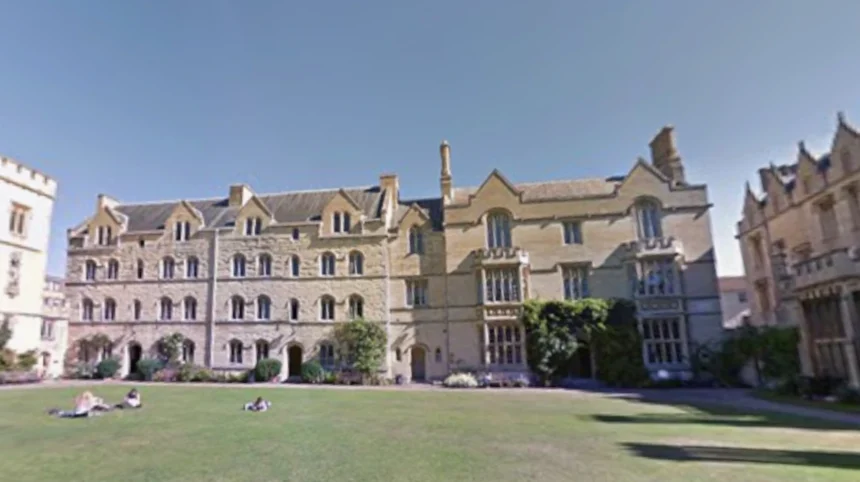
The University of Oxford is a collegiate, research-intensive university in Oxford, England, founded before 1167 and organized as a federation of 39 colleges and six permanent private halls.
- What is the University of Oxford?
- When and how was Oxford founded?
- How is Oxford structured and governed?
- What are Oxford’s main academic strengths and research areas?
- What is the tutorial teaching method and how does it work?
- Who are notable alumni and faculty from Oxford?
- What admissions practices and entry standards does Oxford use?
- How is student life organised at Oxford?
- What are Oxford’s libraries, collections, and museums?
- What are Oxford’s global rankings and measurable performance?
- How does Oxford contribute to society and the economy?
- What is Oxford’s future relevance and strategic direction?
What is the University of Oxford?
The University of Oxford is the oldest university in the English-speaking world, a collegiate public research university located in Oxford, England. The university consists of a central university administration and 39 colleges plus six permanent private halls that admit students, provide tutorials, and own buildings; the central university manages examinations, faculties, libraries, and research institutes. The main campus is distributed across the city of Oxford on the River Isis (Thames), approximately 80 km north-west of London, and the university employs over 13,000 academic and research staff and serves over 25,000 students across undergraduate and postgraduate programs. The university awards degrees including BA, BCL, MSc, MPhil, and DPhil (PhD), and conducts teaching through a tutorial system where students receive regular one-to-one or small-group instruction from college tutors.
When and how was Oxford founded?
Teaching existed in Oxford in the late 11th century, with formal university structures developing by the mid-12th century and a clear institutional presence by 1167. Documented teaching in Oxford dates to the late 11th century; the university’s growth accelerated after 1167 when English students were said to have returned from Paris and continental scholars settled in Oxford following a royal ban on students attending the University of Paris. By the 13th century, formal faculties and colleges began to appear: University statutes were consolidated, and colleges such as University College (founded 1249), Balliol College (founded c. 1263), and Merton College (founded 1264) established the collegiate model that defines Oxford today. Over centuries the university expanded faculties, built libraries (Bodleian Library formalized in 1602), and developed modern research departments during the 19th and 20th centuries.
How is Oxford structured and governed?
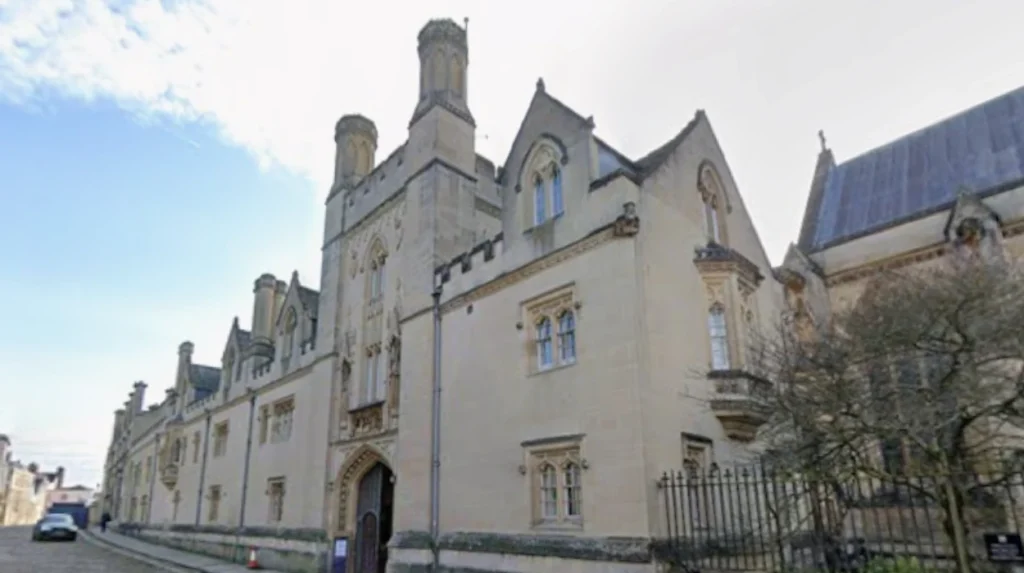
Oxford is governed by a central council and congregation, with academic life delivered through faculties, departments, and autonomous colleges that handle admissions, tutorials, and pastoral care. The central bodies set university-wide policy, grant degrees, and oversee examinations, while individual faculties and departments manage research and departmental teaching; colleges are independent legal entities with charitable status that provide student accommodation, tutorials, and college-specific scholarships. Academic staff hold university posts in departments and fellowship posts in colleges; governance roles include the Vice-Chancellor (chief executive), the Chancellor (ceremonial head), the Congregation (parliamentary body of academic staff), and the Council (executive body). The university’s financial model combines central funds, college endowments, tuition fees, research grants from UK Research and Innovation and other agencies, and philanthropic donations.
What are Oxford’s main academic strengths and research areas?
Oxford is ranked among the world leaders in humanities, social sciences, medical sciences, and natural sciences, with major research strengths in medicine, biology, physics, social policy, and humanities. Research is organized into departments and research centres such as the Medical Sciences Division, Mathematical, Physical and Life Sciences Division, Social Sciences Division, and Humanities Division; flagship institutes include the Radcliffe Institute for Advanced Study and the Oxford Internet Institute. The university secures substantial external research funding—over £800 million annually in research grants and contracts in recent years—and hosts major clinical trials, fundamental science projects, and policy research that influence UK and global agendas. Collaborative partnerships exist with NHS trusts for clinical research, with industry for translational innovation, and with international universities for consortia-based projects.
What is the tutorial teaching method and how does it work?
The tutorial system delivers individualized teaching through weekly one-to-one or small-group sessions where students discuss set work with a college tutor and receive detailed feedback. Tutorials (also called supervisions in some colleges) are scheduled weekly or fortnightly depending on course requirements and usually involve assigned essays, problem sets, or primary-source analyses prepared by students. Tutors are senior academics or college fellows who assess understanding, set follow-up work, and guide independent study; this system emphasizes critical thinking, written communication, and deep subject mastery. Tutorial outcomes influence college and university examinations; degree courses combine tutorial work with lectures, seminars, laboratory practicals, and assessed examinations such as the Honour Schools finals or research theses like the DPhil dissertation.
Who are notable alumni and faculty from Oxford?
Oxford’s alumni include prime ministers, heads of state, Nobel laureates, and leading scholars; examples include 28 British prime ministers and multiple Nobel Prize winners in Physics, Medicine, and Literature. Notable alumni include historical figures such as William Pitt the Younger (British Prime Minister), modern political leaders including former and current heads of state, writers such as Oscar Wilde and J.R.R. Tolkien, and scientists such as Dorothy Hodgkin (Nobel Prize in Chemistry). Faculty and researchers have included major figures who led breakthroughs in vaccine science, quantum physics, economics, and literature; faculty Nobel laureates and major award winners continue to contribute to cutting-edge research and public policy. The university maintains records and profiles for emeritus professors and notable alumni through college and central archives for verification.
What admissions practices and entry standards does Oxford use?
Oxford uses competitive, academic-focused admissions based on standardized criteria including academic records, admissions tests, written work, and interview performance. Undergraduate applicants apply through UCAS and often sit subject-specific admissions tests (for example, the Oxford Admissions Test, TSA, BMAT, or LNAT depending on the course) and must submit references and predicted or achieved qualifications such as A-levels, IB, or equivalent international credentials. Shortlisted applicants attend interviews—academic, subject-focused interviews intended to assess intellectual potential and problem-solving—after which colleges make offers either unconditional or conditional on final exam results. Postgraduate admissions require academic transcripts, research proposals for research degrees, reference letters, and, where applicable, GRE or English language test scores; funding decisions may be made concurrently or separately via scholarships and grants.
How is student life organised at Oxford?
Student life mixes college communities with university-wide societies, sports clubs, and cultural activities; colleges provide accommodation, dining, and pastoral support. Each college organizes social events, formal dinners, welfare services, and subject-specific common rooms; student unions and university societies provide over 400 clubs and societies including the Oxford Union debating society, Boat Club rowing teams, and theatrical groups. Sports compete in intercollegiate leagues and Varsity matches against Cambridge; cultural offerings include museums such as the Ashmolean Museum, public lectures, and chapel services. Student accommodation is typically offered for at least the first year by most colleges, and college bursaries, hardship funds, and the central awards office administer financial support.
What are Oxford’s libraries, collections, and museums?
Oxford’s libraries form the largest university library system in the UK, anchored by the Bodleian Libraries which hold over 13 million printed items, manuscripts, and special collections. The Bodleian Library system comprises multiple libraries: the Bodleian (main research library), Radcliffe Camera, and subject-specific libraries such as the Social Science Library and Medical Library; the libraries provide reading rooms, digital archives, and special-collections access by appointment. Museums include the Ashmolean Museum (art and archaeology), the Pitt Rivers Museum (anthropology), and the Museum of Natural History; these collections support research, public engagement, and teaching, and they house significant historical artifacts and primary-source materials used in scholarship.

What are Oxford’s global rankings and measurable performance?
Oxford consistently ranks in the top five universities globally across major ranking systems, with top subject rankings in humanities, medicine, and physical sciences. International league tables such as QS World University Rankings, Times Higher Education, and Academic Ranking of World Universities regularly place Oxford within the global top ten; subject-level rankings often place departments at or near number one worldwide. Research income, citation impact, and graduate employability metrics consistently position Oxford among leading international institutions, and the university maintains partnerships with industry and government that contribute to measurable research outputs and innovation indicators.
How does Oxford contribute to society and the economy?
Oxford contributes through research translation, public policy advice, clinical trials, technology transfer, and large-scale graduate education that supplies skilled professionals to public and private sectors. The university’s spin-out companies, technology transfer office, and innovation hubs commercialize research in pharmaceuticals, engineering, and digital technologies; philanthropic and government-funded research drives policy recommendations in health, environment, and education. Clinical research partnerships with NHS trusts enable large multi-centre trials; Oxford’s continuing professional development programs and public lectures disseminate findings to practitioners and the public, affecting national policy and international practice.
What is Oxford’s future relevance and strategic direction?
Oxford is focusing on interdisciplinary research, global partnerships, digital scholarship, and widening access programs to sustain research excellence and societal impact in the 21st century. Strategic priorities include expanding international research collaborations, investing in digital infrastructure and open-access scholarship, increasing graduate training in data science and AI, and implementing access initiatives to improve socioeconomic diversity among applicants. Continued philanthropic support and public funding aim to sustain major capital projects, laboratories, and scholarship funds that underpin long-term research agendas and global engagement.