Hidden college garden access refers to the rules, rights, and common practices that determine who may enter and use the private gardens and grounds of Oxford colleges.
These rules combine statutory property rights, college bylaws, visitor policies, membership schemes, and formal access routes used by residents, alumni, researchers, and the public.
- What is hidden college garden access and how is it defined?
- Who legally controls access to college gardens?
- What are common ways non-members gain access to hidden gardens?
- What rules, fees, and restrictions typically apply to hidden garden entry?
- What are the historical reasons for private college gardens being hidden?
- Which legal and conservation frameworks affect garden access?
- How do colleges balance privacy for students with public access?
- What processes do researchers or film crews follow to request access?
- What are real-world examples of hidden gardens and their access practices?
- What data and statistics exist about public access to college gardens?
- What are the implications for urban planning and tourism?
- How does hidden garden access affect academic life and student welfare?
- What future trends will shape hidden college garden access?
What is hidden college garden access and how is it defined?
Hidden college garden access means the formal and informal permissions that control entry to college-owned gardens that are not public highways, including gates, keys, memberships, and published visiting hours.
Colleges at the University of Oxford own land and gardens as private property; access is defined by each college’s statutes, the college bursar or estates office, and any contractual arrangements (for example, college membership cards or tourist ticketing). Colleges also interpret rights of way, conservation designations, and public footpath law when determining access. Legal ownership confers the primary right to permit or refuse entry, while operational policies set times, fees, and permitted activities.
Who legally controls access to college gardens?
College governing bodies (the governing council, bursar’s office, or senior tutor) exercise legal control over garden access because colleges are independent corporate entities holding property in trust.
Each Oxford college is a distinct legal corporation that holds land and buildings; the college’s governing body sets access rules consistent with charity and educational law. Estates teams implement maintenance and safety requirements; porters enforce day-to-day access; and college statutes and ordinances document delegation of authority. Public rights such as recorded public footpaths override private restrictions only where a legal right of way exists; otherwise, entry is by permission and can be revoked.
What are common ways non-members gain access to hidden gardens?
Non-members gain access through scheduled public opening times, paid tours, university membership cards, alumni passes, and special events such as open days or garden festivals.
Many colleges publish limited visiting hours or operate paid guided tours that include normally private gardens; examples include seasonal openings for tourists and charity events. University or city-wide schemes—such as alumni access cards, “My Oxford Card” style arrangements, or combined garden-and-Botanic-Gardens tickets—offer broader entry. Local residents sometimes hold reciprocal privileges through community partnerships. Access for research, academic collaboration, and film production is arranged by formal application and indemnity agreements.
What rules, fees, and restrictions typically apply to hidden garden entry?
Typical rules include restricted hours, no-vehicle zones, photography limits, supervised group sizes, and entry fees that fund conservation and college operations.
Colleges set opening hours tied to academic terms and ceremonial events; some gardens close during exams, private functions, or maintenance. Fees fund horticulture teams and historic-preservation obligations for listed parks and gardens. Restrictions protect biodiversity and historic features: for example, no dogs on certain lawns, no picnics on sensitive turf, and limits on drone use. Enforcement relies on porter staff, signage, and ticketing systems.
What are the historical reasons for private college gardens being hidden?
Colleges developed enclosed gardens from the medieval cloister tradition, evolving through the 16th–19th centuries into formal quads and private walks intended for study and privacy.
Oxford colleges trace garden origins to monastic and collegiate cloisters where inward-facing quadrangles provided secure, contemplative spaces for fellows and students. In the Tudor and Georgian periods many colleges added ornamental plantings, walled gardens, and waterside meadows. Later Victorian landscaping and 20th-century conservation created notable historic grounds now recorded as heritage assets, leading colleges to limit access to protect fabric and academic tranquillity.
Which legal and conservation frameworks affect garden access?
Planning law, listed-building/registered-park protections, public-rights-of-way law, and charity-law duties together constrain and shape access policies for college gardens.
Many college grounds appear on Historic England’s Register of Parks and Gardens (Grade I or II), which requires special care in alterations and impacts planning decisions. Where a definitive public footpath exists, colleges must permit passage along that route; otherwise, entry is permissive. Charity commissions require colleges to act for their educational purpose and public benefit where relevant; this can motivate limited public access for outreach. Health-and-safety obligations set standards for events and visitor numbers.
How do colleges balance privacy for students with public access?
Colleges allocate zones and times, separating private student-only areas from spaces opened to visitors during defined hours and using signage, gates, and staffed entry points to maintain separation.
Operational solutions include scheduled public tours that avoid term-time private hours, gating systems that close college grounds at night, and designated routes for visitors that bypass undergraduate accommodation quads. Colleges publish visitor codes of conduct and require guided tours to remain on permitted paths. Security staff monitor access during high-traffic periods to protect study environments and residents’ privacy.
What processes do researchers or film crews follow to request access?
Researchers and film crews submit formal written applications to the college estates or events office, provide insurance and risk assessments, and agree to conditions and fees for staging, conservation protection, and supervision.
Applications include project details, proposed dates, equipment lists, and anticipated impacts; colleges require public-liability insurance and sometimes restoration bonds for intrusive shoots. Research visits that impact flora or fauna require prior consent from estates staff and may need a supervisor present. For archival or botanical study, researchers often provide credentials and institutional affiliation, and colleges may impose embargoes on sensitive data.
What are real-world examples of hidden gardens and their access practices?
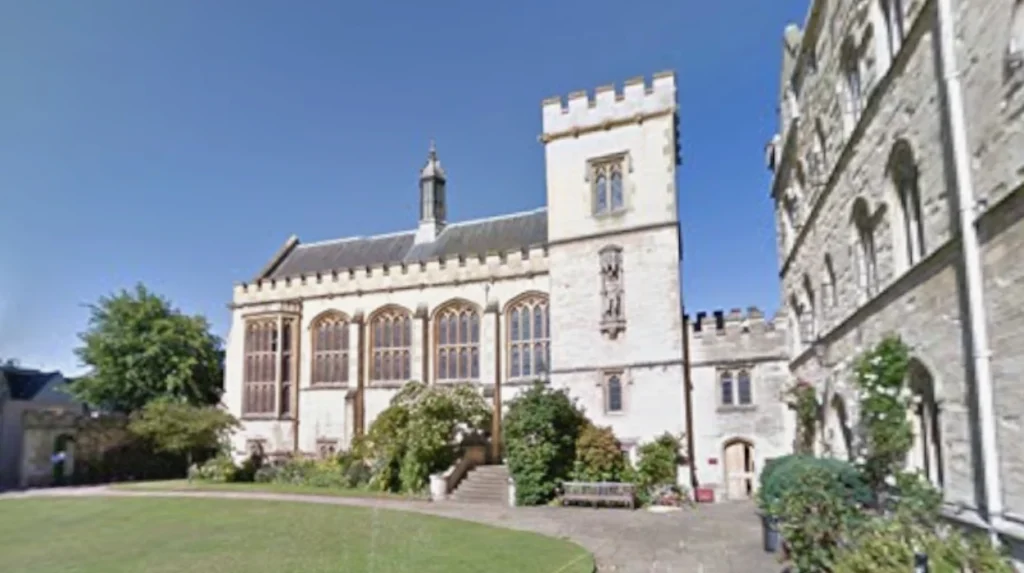
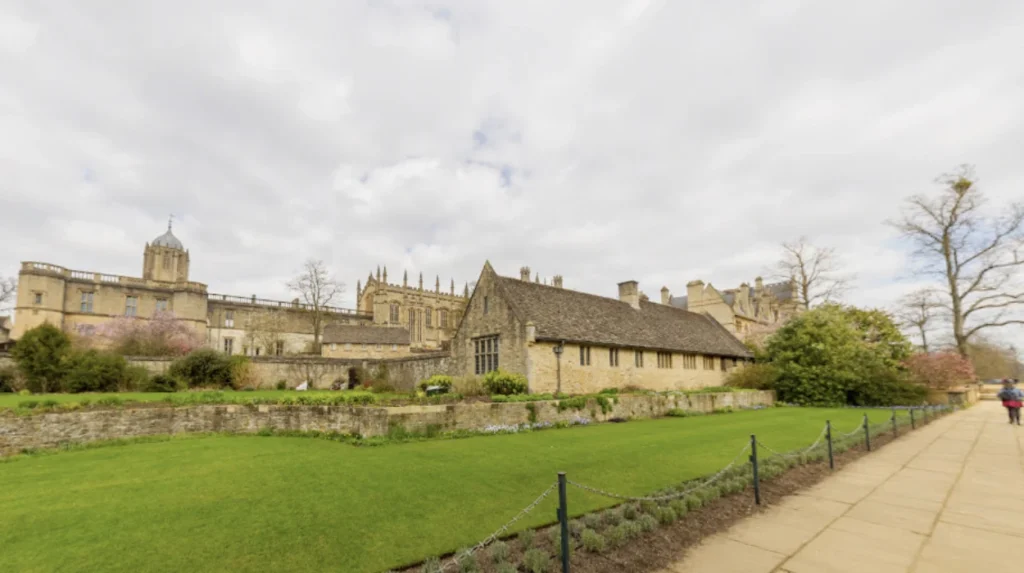
Magdalen College’s Water Meadow, New College Garden (one of the oldest), Christ Church Meadow, and Worcester College grounds each have tailored visiting policies, ticketing, and seasonal openings.
Magdalen College maintains Addison’s Walk and the deer park with defined visitor routes and occasional closures for college events. New College Garden operates guided-visit schedules and seasonal openings for the public. Christ Church Meadow is largely accessible as public green space along riverbanks while internal college gardens remain controlled. Worcester College opens its gardens to visitors on specified days and supports conservation through fee income.
What data and statistics exist about public access to college gardens?
Visitor-ticket schemes, tourism operators, and combined attraction passes generate annual visitor counts and revenue figures that colleges use for maintenance budgets and conservation planning.
Some colleges report visitor numbers and income in annual reports; combined tours that include multiple colleges increase footfall by thousands per year for larger operators. Historic-park registration and grant programs document maintenance costs and eligibility for public funding. Local tourism bodies and ticketing platforms publish aggregated statistics for Oxford attractions that include college gardens.
What are the implications for urban planning and tourism?
Limited access to college gardens shapes Oxford’s visitor flows, preserves historic fabric, and concentrates tourism into managed routes that reduce environmental impact and support local revenue.
Managed openings reduce wear on sensitive landscapes and offer interpretive opportunities that enhance cultural tourism. City planners coordinate access routes, signage, and event permits to limit congestion in residential streets adjacent to colleges. Tourism operators work with colleges to create low-impact experiences, and revenue supports horticultural staffing and conservation projects.
How does hidden garden access affect academic life and student welfare?
Controlled garden access preserves quiet study environments, supports mental-health benefits from green space, and protects undergraduate privacy during term; colleges restrict tourist access during exams and private events.
Gardens provide microclimates for study and recreation; colleges prioritize resident wellbeing by blocking high-traffic tourist access during key academic periods. Conserved green spaces also act as living laboratories for biology and environmental courses, with access policies that permit supervised academic use while limiting public disturbance.
What future trends will shape hidden college garden access?
Future trends include digital ticketing, timed entry to reduce crowding, increased heritage-funding conditions, and greater integration of gardens into outreach and sustainability programs.
Colleges adopt timed online bookings and visitor caps to manage numbers; technology enables QR-code interpretation and audio guides that reduce guide staffing needs. Climate-adaptation measures alter horticultural practices, and increased public-interest in heritage drives calls for transparency in access policies. Grants for biodiversity encourage colleges to expand selective public access tied to education programs.