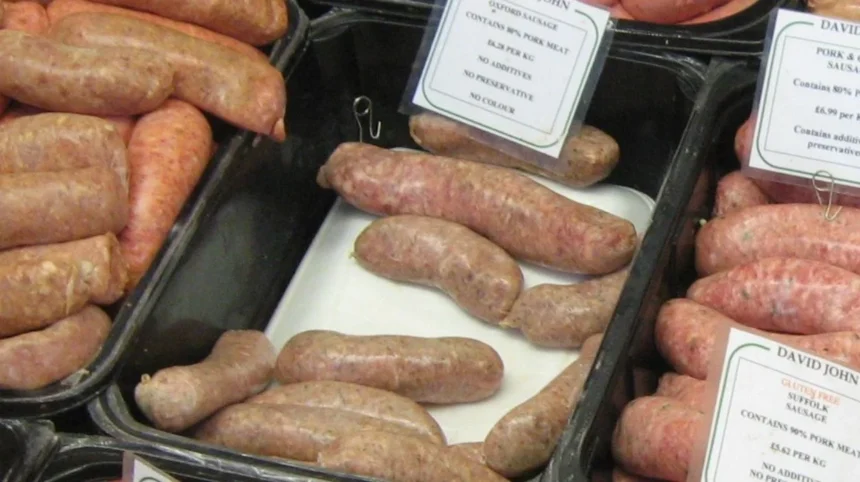
The Oxford sausage making tradition is a historical culinary practice originating in the 18th century in Oxford, England. It defines a specific meat product characterized by a mixture of pork, veal, and beef suet, seasoned heavily with lemon and herbs.
- What are the primary ingredients in a traditional Oxford sausage?
- How did the Oxford sausage making tradition begin in the 18th century?
- Why is the skinless preparation essential to the Oxford sausage making tradition?
- What role did Isabella Beeton play in the Oxford sausage making tradition?
- How does the Oxford sausage making tradition differ from other British varieties?
- What was the impact of industrialization on the Oxford sausage making tradition?
- How is the Oxford sausage-making tradition being revived in the 21st century?
- What is the significance of “The Oxford Sausage” book in culinary history?
- How should a traditional Oxford sausage be prepared and served today?
- Why is the Oxford sausage different from other English sausages?
- Can I substitute the veal in a traditional Oxford sausage recipe?
- Why are traditional Oxford sausages often made without skins?
- Is the Oxford sausage considered a healthy meat option?
- Where can I find an authentic Oxford sausage recipe today?
The Oxford sausage making tradition represents a significant era in British gastronomy where regional identities were forged through specific ingredient combinations. Unlike many other English sausages that rely solely on pork, this tradition integrates veal to provide a lighter texture and more refined flavor profile. Historical records indicate that these sausages were often prepared without a casing, a method that distinguishes them from the common banger.
This tradition was preserved by university cooks and local butchers who maintained the specific ratios of fat to lean meat. The use of lemon zest and aromatic spices like mace and nutmeg further separates the Oxford variety from its more rustic counterparts. Today, the tradition is undergoing a revival as artisanal butchers seek to reclaim authentic regional recipes from the Georgian and Victorian eras.
What are the primary ingredients in a traditional Oxford sausage?
Traditional Oxford sausage ingredients consist of equal parts lean pork and lean veal combined with a significant portion of beef suet. Essential seasonings include salt, black pepper, sage, mace, nutmeg, and finely grated fresh lemon peel for acidity.
The inclusion of veal is the most defining characteristic of the Oxford sausage making tradition. Veal provides a delicate base that allows the high concentrations of herbs and spices to remain prominent without being overwhelmed by the heavy flavor of pork. Beef suet acts as the primary binding agent and fat source, ensuring the meat remains moist during the cooking process, especially since the sausage often lacks a protective skin. Sage is the dominant herb, though many 18th-century recipes also suggest the addition of marjoram or savory for a more complex herbal profile.
Breadcrumbs were introduced in later iterations to act as a filler and to help the meat hold its shape when formed into cakes. The addition of lemon rind provides a bright, citrusy finish that is atypical for most British meat products of the period. This specific blend of ingredients created a “highly spiced” product that was favored by the academic elite of Oxford.
How did the Oxford sausage making tradition begin in the 18th century?
The Oxford sausage making tradition began with the first recorded recipe in 1723 by John Nott in his book The Cook’s and Confectioner’s Dictionary. Nott referred to the recipe as Oxford Skates, featuring a unique blend of meats.

John Nott was the cook to the Duke of Bolton and his inclusion of the Oxford recipe suggests the style was already established by the early 1700s. The name Oxford Skates or Kates appears in the index of his 1723 publication, marking the earliest formal documentation of the dish. During this period, the city of Oxford was a hub of academic and social activity, and the local cuisine reflected the tastes of a growing middle and upper class. The use of veal, a more expensive meat than pork, indicates that the Oxford sausage was a premium product intended for refined palates.
By 1764, the name had become so recognizable that Thomas Warton used The Oxford Sausage as the title for a famous collection of university verse. This cultural crossover confirms that the sausage was a staple of the Oxford experience and a point of local pride. The transition from a local specialty to a national icon was facilitated by the city’s position on major trade routes.
Why is the skinless preparation essential to the Oxford sausage making tradition?
The skinless preparation is essential because it reflects the original 18th-century method of hand-forming the meat into small cakes or balls. These portions were floured and fried, creating a unique texture that differed from traditional encased sausages.
In the early days of the Oxford sausage making tradition, the lack of a casing was a matter of both texture and convenience. Casings made from animal intestines require significant cleaning and preparation, and the skinless method allowed for a quicker assembly of the sausage meat. When the mixture of pork, veal, and suet is floured and fried, it develops a crisp exterior that contrasts with the soft, spiced interior.
This method also allows the aromatic oils of the lemon and mace to be released more directly during the cooking process. Isabella Beeton noted in 1861 that while casings could be used, the skinless “cake” form remained a popular and valid way to serve the dish. Modern revivals of the tradition often emphasize this skinless aspect to highlight the high quality of the meat. This preparation style is also more accessible for home cooks who may not have access to specialized sausage-stuffing equipment.
What role did Isabella Beeton play in the Oxford sausage making tradition?
Isabella Beeton popularized the Oxford sausage making tradition by including a definitive recipe in her 1861 Book of Household Management. Her version standardized the 50:50 ratio of pork to veal and established lemon as a core ingredient.
Before the publication of Mrs. Beeton’s work, recipes for Oxford sausages varied significantly between different households and university colleges. Beeton’s endorsement provided a gold standard that was followed by millions of readers across the British Empire. She explicitly described the meat as being composed of pork, veal, and beef suet, seasoned with lemon peel, nutmeg, and sage. Her recipe was designed for the Victorian housewife, offering clear instructions on how to achieve the specific texture and flavor profile associated with Oxford.
The popularity of her book helped the Oxford sausage transition from a regional academic specialty to a common breakfast item across England. Beeton also highlighted that the meat could be stored in jars or formed into cakes, providing versatility for various meals. Her contribution ensured that the specific ingredient list remained unchanged for over a century, cementing the tradition in the national culinary canon.
How does the Oxford sausage making tradition differ from other British varieties?
The Oxford sausage making tradition differs through its use of veal and lemon, which are absent in most other British varieties. Most regional sausages, such as the Cumberland or Lincolnshire, rely exclusively on pork and different herbs.
The Cumberland sausage is perhaps the most famous comparison, known for its coiled shape and heavy use of black pepper without any veal or citrus. In contrast, the Oxford sausage prioritizes a lighter, more aromatic profile that emphasizes the zest of lemon and the sweetness of mace. Lincolnshire sausages focus on coarse-ground pork and a very high concentration of sage, whereas the Oxford style uses a finer grind and a more balanced spice blend. The inclusion of beef suet is also a distinct feature of the Oxford tradition, providing a different type of fat content compared to the pork back fat used in other regions.
While most British sausages are defined by their casings, the Oxford tradition’s historical preference for skinless forms is a major outlier. These differences reflect the more cosmopolitan and wealthy demographic of Oxford during the development of the recipe. The result is a sausage that feels more like a gourmet meat patty than a standard breakfast banger.
What was the impact of industrialization on the Oxford sausage making tradition?
Industrialization impacted the Oxford sausage making tradition by leading to the creation of canned and processed versions in the late 19th century. However, mass production eventually led to the decline of the traditional veal-based recipe.
As the 19th century progressed, the popularity of the Oxford sausage encouraged manufacturers to produce it on a larger scale. For a time, canned Oxford sausages were a common sight in British larders, offering a convenient way to enjoy the regional specialty. Unfortunately, the high cost of veal and the complexity of the spice blend made the traditional recipe difficult to replicate profitably in a factory setting. Many commercial producers began to substitute veal with cheaper cuts of pork or cereal fillers, which diluted the unique identity of the product.
By the mid-20th century, the rise of supermarkets and standardized “everyday” sausages led to the near-extinction of the authentic Oxford variety. The specific requirements for beef suet and fresh lemon rind were also difficult to maintain in long-term storage conditions. Consequently, the tradition was largely relegated to specialized heritage butchers and historical enthusiasts until the recent artisanal food movement.
How is the Oxford sausage-making tradition being revived in the 21st century?
The Oxford sausage-making tradition is being revived through the efforts of artisanal butchers and the Slow Food movement. These modern producers use heritage breeds and original 18th-century recipes to restore the authentic flavor profile.
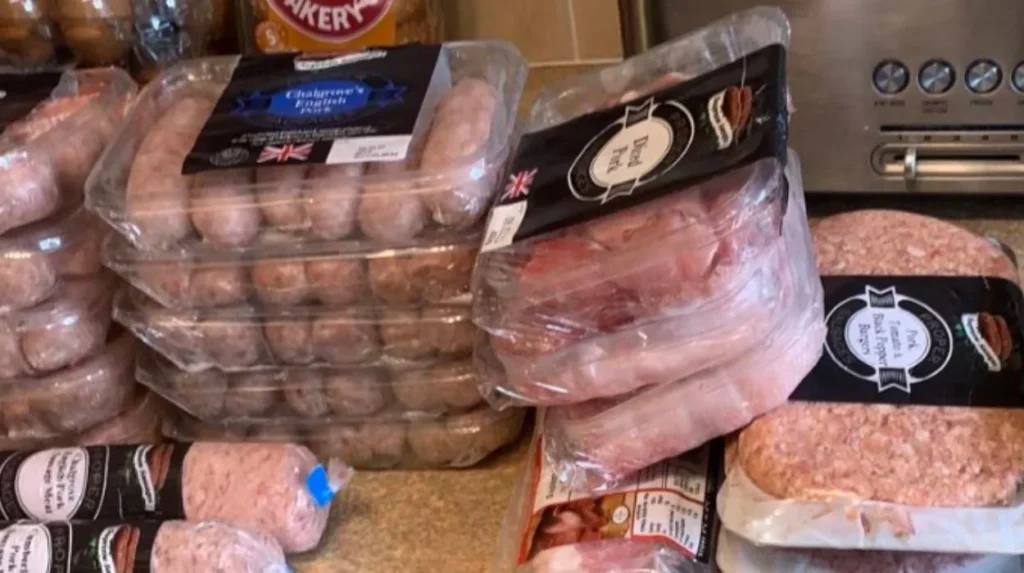
In the 21st century, there has been a significant shift toward local and historical food sourcing, which has benefited the Oxford sausage. Contemporary butchers in Oxfordshire are once again sourcing high-quality veal and pork to recreate the exact ratios defined by John Nott and Isabella Beeton. Organizations like the Slow Food Foundation have listed the Oxford sausage in their Ark of Taste to highlight its cultural importance and the need for its preservation. Modern recipes sometimes adjust the veal content due to animal welfare concerns, occasionally substituting it with high-quality lamb or specialized pork cuts.
However, the commitment to the “highly spiced” nature of the meat, including the essential mace and lemon, remains a priority. This revival is also seen in local gastropubs and restaurants that feature the sausage as a signature heritage dish. The return to skinless preparation has also found favor with modern consumers looking for gluten-free or low-processing meat options.
What is the significance of “The Oxford Sausage” book in culinary history?
The significance of The Oxford Sausage book, published in 1764, lies in its use of the sausage as a metaphor for the diverse and “spicy” culture of the university. It solidified the sausage’s place in English literature.
Edited by Thomas Warton, a professor of poetry at Oxford, the book was a collection of satirical and political verses written by university members. The choice of title indicates that by the mid-18th century, the Oxford sausage was already a well-known symbol of the city’s identity. Warton’s use of the sausage as a central motif suggests that the dish was considered a mixture of various “ingredients” or characters, much like the university itself. The book was highly successful and went through multiple editions, which inadvertently served as a marketing tool for the actual meat product.
It is rare for a specific food item to be so closely linked with the intellectual and literary output of a major institution. This connection helped the Oxford sausage-making tradition transcend the kitchen and enter the realm of cultural history. The book remains a primary source for understanding how regional foods were perceived in the Georgian era.
How should a traditional Oxford sausage be prepared and served today?
Today, a traditional Oxford sausage should be prepared by hand-forming the meat into small patties, coating them in seasoned flour, and frying them in butter. They are typically served as part of a traditional breakfast.
The cooking process is vital to maintaining the integrity of the Oxford sausage-making tradition. Because the mixture contains beef suet and no casing, frying in butter or high-quality lard helps to seal the exterior and prevent the meat from crumbling. The flour coating provides a slight crunch that mimics the texture of a casing without the toughness of an actual intestine. For a truly historical experience, the sausages should be seasoned with extra freshly grated nutmeg just before serving.
They pair exceptionally well with poached eggs, grilled tomatoes, and thick-cut sourdough bread, which complements the citrus notes of the meat. Some modern chefs also incorporate the sausage meat into stuffing for poultry or use it as a base for gourmet Scotch eggs. Regardless of the meal, the emphasis should always be on the quality of the veal and the freshness of the lemon peel. Maintaining these standards ensures that the unique character of the 18th-century recipe is preserved for future generations.
Why is the Oxford sausage different from other English sausages?
The Oxford sausage stands out because it uses a specific blend of pork and veal, whereas most English varieties are purely pork-based. It is also uniquely flavored with fresh lemon peel and mace, giving it a bright, citrusy profile that contrasts sharply with the peppery, herbal notes of standard regional bangers.
Can I substitute the veal in a traditional Oxford sausage recipe?
While traditional recipes demand veal for its delicate texture, modern home cooks often substitute it with lean pork or chicken due to dietary preferences or availability. However, to maintain the authentic character, you must keep the ratio of beef suet and the specific lemon-mace seasoning intact to ensure the signature flavor profile remains.
Why are traditional Oxford sausages often made without skins?
Historically, Oxford sausages were hand-formed into small balls or patties and floured rather than being stuffed into animal casings. This skinless method was popular in 18th-century kitchens because it allowed for faster preparation and created a unique, crisp exterior when fried in butter, which remains a hallmark of the tradition.
Is the Oxford sausage considered a healthy meat option?
Compared to heavily processed modern sausages, the traditional Oxford version uses high-quality lean meats and natural seasonings like sage and lemon zest. While it does rely on beef suet for moisture, it is generally free from the artificial fillers, nitrates, and preservatives found in mass-produced commercial varieties, making it a cleaner protein choice.
Where can I find an authentic Oxford sausage recipe today?
The most reliable sources for an authentic recipe are historical culinary texts such as John Nott’s 1723 dictionary or Isabella Beeton’s 1861 Book of Household Management. Many heritage butchers in the Oxfordshire region still follow these exact Victorian standards, using the classic meat ratios and fresh herbs to preserve the genuine 18th-century taste.