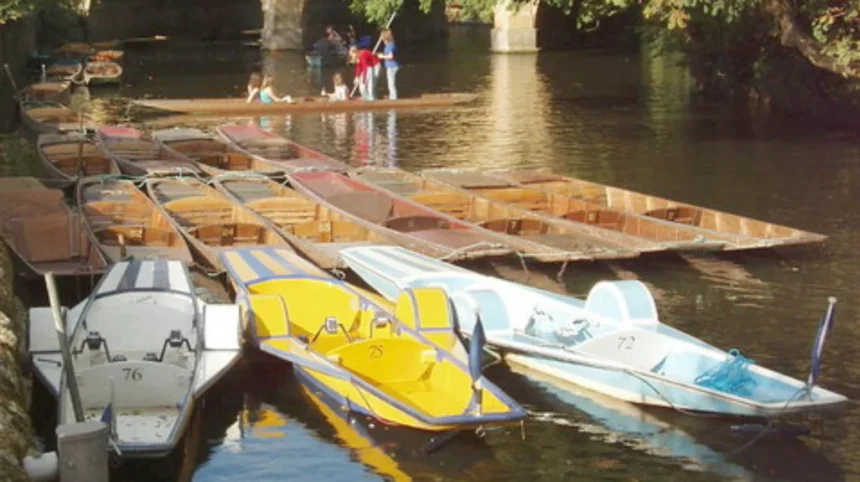
Punting is a traditional river activity involving a flat-bottomed boat propelled by a long wooden pole. This practice became a staple of Oxford leisure in the 1860s. The River Cherwell provides the primary environment for this activity in Oxford.
- What are the best punting routes from Magdalen Bridge?
- How does the geography of the River Cherwell influence punting?
- What is the historical significance of Magdalen Bridge in Oxford?
- What equipment is required for a successful punting trip?
- What are the primary safety regulations for punting on the Cherwell?
- How do seasonal changes affect punting at Magdalen Bridge?
- What flora and fauna can be observed along the punting routes?
- What are the differences between self-hire and chauffeured punting?
- How does punting at Magdalen Bridge compare to other Oxford locations?
- What impact does punting have on the local Oxford economy?
What are the best punting routes from Magdalen Bridge?
The best punting routes from Magdalen Bridge include the southern path toward Christ Church Meadow and the northern route toward the University Parks. The southern route offers views of the Botanic Garden, while the northern route provides a more secluded experience.
Magdalen Bridge serves as the most central starting point for river excursions in Oxford. From this location, travelers have two distinct directions to choose from upon launching their craft. The southern route is the most popular for tourists due to its proximity to famous university landmarks. Heading downstream, punters pass the Oxford Botanic Garden, which is the oldest botanical garden in Great Britain. The river then skirts the edge of Christ Church Meadow, a large area of open parkland owned by Christ Church College. This route concludes where the River Cherwell meets the River Thames, locally known as the Isis.
The northern route offers a different atmosphere characterized by tranquility and natural scenery. Heading upstream from Magdalen Bridge requires more physical effort as the punter moves against the gentle current. This path takes the boat behind the buildings of Magdalen College and along the edge of the University Parks. The University Parks consist of 70 acres of parkland maintained by the University of Oxford. This route is favored by those seeking to escape the crowds of the city center. It provides opportunities to view local wildlife and the back gardens of various historic college properties.
How does the geography of the River Cherwell influence punting?
The River Cherwell geography features shallow depths and slow currents that make it ideal for punting. Its winding course through Oxford provides a sheltered environment protected from the stronger winds and heavier boat traffic found on the River Thames.
The River Cherwell is a major tributary of the River Thames in central England. It originates in the ironstone hills at Hellidon in Northamptonshire and flows approximately 40 miles south to Oxford. In the vicinity of Magdalen Bridge, the river is narrow and relatively shallow, usually ranging from 2 to 4 feet in depth. This shallow depth is essential for punting because the pole must reach the riverbed to provide leverage. The riverbed in this area is primarily composed of gravel and silt, which offers a firm surface for the punting pole to grip.
The course of the Cherwell around Magdalen Bridge is highly sinuous. This meandering nature creates a series of bends that naturally slow the water velocity. Unlike the River Thames, which accommodates motorized vessels and competitive rowing teams, the Cherwell is largely reserved for unpowered pleasure craft. This separation of traffic ensures a safer environment for beginners. The riverbanks are lined with various species of trees, including weeping willows and alders, which provide a windbreak. This geographic protection ensures that the water surface remains calm, reducing the difficulty of steering the rectangular punt.
What is the historical significance of Magdalen Bridge in Oxford?

Magdalen Bridge is a Grade II listed structure completed in 1790 that serves as a gateway to Oxford. It replaced a medieval stone bridge and has been a focal point for university traditions and river transport for centuries.
The current Magdalen Bridge was designed by architect John Gwynn and built between 1772 and 1790. It is constructed from Headington stone and features a series of elegant arches spanning the Cherwell. Historically, the bridge was the main entrance to the city for travelers arriving from London. Its location at the foot of the High Street makes it one of the most photographed sites in the city. The bridge was widened in 1882 to accommodate increased traffic, but its classical Georgian aesthetic was carefully preserved during the renovation process.
The bridge is inextricably linked to the May Morning tradition in Oxford. Every year on May 1st, the Magdalen College Choir sings the Hymnus Eucharisticus from the top of the Great Tower at 6:00 AM. Thousands of people gather on the bridge below to listen. In previous decades, a tradition emerged where students would jump from the bridge into the river, though this is now prohibited for safety reasons. The Magdalen Bridge Boathouse, located directly beneath the bridge, has operated as a commercial hub for punt hire since the Victorian era, cementing the bridge’s role in Oxford’s social history.
What equipment is required for a successful punting trip?
A successful punting trip requires a traditional Oxford punt, a 16-foot treated spruce pole, and a small wooden paddle. Standard safety equipment including life jackets and waterproof cushions is provided by the boathouse to ensure passenger comfort.
The Oxford punt is a specific type of boat designed for shallow water. It is approximately 20 to 24 feet long and 3 feet wide, with a flat bottom and no keel. In Oxford, punts are traditionally propelled from the inside of the boat at the sloping end. This differs from the Cambridge style, where the punter stands on the raised deck or till. The punting pole is the primary tool for movement. It is typically 16 feet long and tipped with a metal shoe called a ferrule. This metal tip protects the wood and provides a better grip on the riverbed.
A small wooden paddle is always included in the equipment list. This paddle is used for steering in deep water where the pole cannot reach the bottom or for maneuvering in tight spaces near the docks. Passengers sit on cushions placed on the floor of the boat. These cushions are often covered in waterproof material to resist river spray. Modern boathouses at Magdalen Bridge also offer life jackets, which are mandatory for children and non-swimmers. The combination of these items allows the boat to be operated effectively by a single punter while carrying up to five passengers.
What are the primary safety regulations for punting on the Cherwell?
Punting safety regulations include a maximum capacity of six people per boat and a strict prohibition on swimming in the river. Operators must remain within designated river boundaries and avoid interfering with the local wildlife and vegetation.
Safety on the River Cherwell is governed by the Oxford City Council and the individual boathouses. The most critical rule is the capacity limit. A standard punt is licensed to carry a maximum of six occupants, including the person punting. Overloading the boat significantly increases the risk of capsizing or taking on water. Alcohol consumption is discouraged as it impairs the balance required to stand and use the pole. If a punter falls into the water, they are advised to stand up rather than swim, as the river is usually shallow enough to wade.
The river environment requires specific behavioral rules to protect the ecosystem. Boaters must keep a respectful distance from nesting birds, such as swans and ducks, which can be aggressive during the spring. It is also prohibited to tie boats to overhanging trees or private docks. Because the Cherwell is narrow, a system of river etiquette exists where boats should pass each other on the right side. Punting under the influence of the current requires constant vigilance to avoid collisions with other craft or the bridge buttresses.
How do seasonal changes affect punting at Magdalen Bridge?
Seasonal changes affect punting by dictating the boathouse operating hours and the physical condition of the river. The primary punting season runs from mid-March to October when water levels are stable and the weather is mild.
The punting season is largely determined by the temperature and the flow rate of the River Cherwell. During the winter months, from November to February, the river often experiences higher water levels and faster currents due to increased rainfall. These conditions make punting dangerous for amateurs, leading to the seasonal closure of the Magdalen Bridge Boathouse. In the spring, the riverbanks come into bloom with wild garlic and marsh marigolds, providing a scenic backdrop for early-season boaters. The water is generally cooler, and the current can be slightly stronger as the last of the winter rains wash through the system.
Summer is the peak period for punting from Magdalen Bridge. The months of June, July, and August provide the longest daylight hours and the calmest water conditions. However, high temperatures can lead to lower water levels, which may expose submerged obstacles or thick patches of river weed. During autumn, the turning leaves of the trees along the Cherwell attract many visitors. The main challenge during this season is the accumulation of fallen leaves on the water surface, which can make the punting pole slippery. Boathouses typically monitor weather forecasts daily and will cease operations if high winds or heavy storms are predicted.
What flora and fauna can be observed along the punting routes?
The punting routes from Magdalen Bridge feature a diverse range of flora including weeping willows and yellow flag irises. Common fauna includes mute swans, mallard ducks, grey herons, and the occasional flash of a kingfisher.
The River Cherwell serves as a vital green corridor through the urban environment of Oxford. The banks are dominated by large deciduous trees that provide shade and stability to the soil. Weeping willows are the most iconic trees associated with the river, their branches often dipping into the water. In the wetter areas near the meadows, visitors can see common reed and meadowsweet. These plants provide essential habitats for insects, which in turn support the bird population. The Botanic Garden, visible from the southern route, contains thousands of exotic and native plant species that often spill over the garden walls.
Birdlife is abundant and easily observed from the silence of a punt. Mute swans are a constant presence and are protected by law. They are often seen with cygnets during the early summer. Grey herons are frequently spotted standing motionless in the shallows as they hunt for fish. Kingfishers, though more elusive, inhabit the quieter stretches of the northern route toward the University Parks. The river also supports various fish species, including chub, perch, and pike. On warm evenings, pipistrelle bats can be seen flying over the water surface to catch midges and other flying insects.
What are the differences between self-hire and chauffeured punting?
Self-hire punting allows individuals to steer and propel the boat themselves, offering a private and active experience. Chauffeured punting provides a professional guide who handles the pole while sharing historical facts about the university.
Choosing between self-hire and a chauffeured service depends on the visitor’s desire for activity versus relaxation. Self-hire is the most common choice for students and residents. It requires a deposit and a brief safety demonstration. Learning to punt involves a steep learning curve; beginners often find the boat moving in circles or the pole getting stuck in the mud. This option provides the freedom to stop and have a picnic or explore specific side channels at one’s own pace. It is generally more affordable for groups who are willing to share the physical labor.
Chauffeured punting is a premium service often preferred by tourists or those celebrating special occasions. A chauffeur is typically an Oxford student who is highly skilled in navigating the river. They stand at the rear of the punt and provide a steady, smooth journey, allowing passengers to focus entirely on the scenery. Chauffeurs often provide a running commentary on the history of the colleges and the various landmarks passed during the trip. This service removes the risk of falling into the water or getting lost. It is a more structured experience, usually sold in 30-minute or one-hour blocks.
How does punting at Magdalen Bridge compare to other Oxford locations?
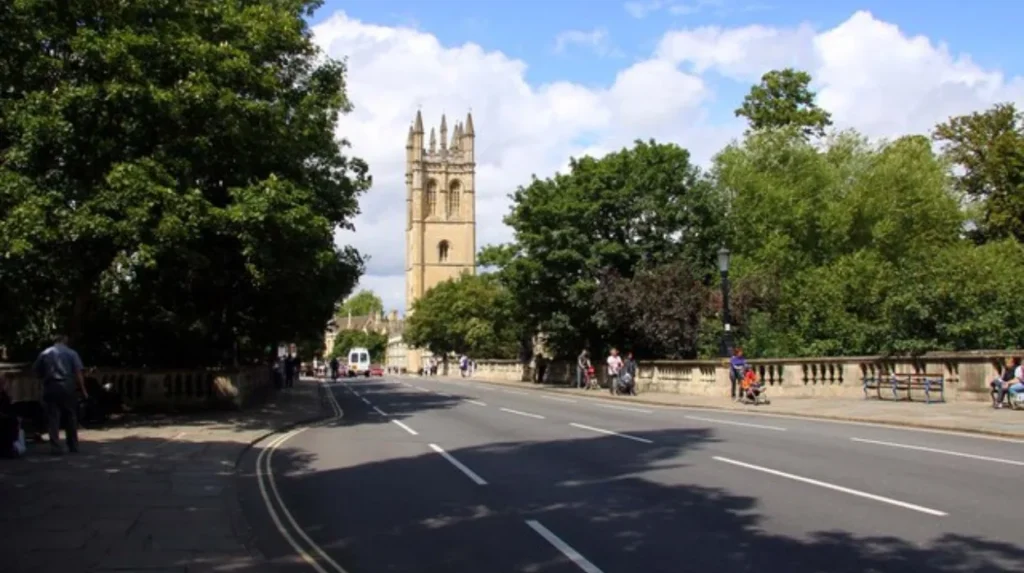
Magdalen Bridge offers the most central location and direct access to the Botanic Garden and Christ Church Meadow. Other locations like the Cherwell Boathouse provide access to the rural northern stretches of the river.
Oxford has two main commercial punting stations: Magdalen Bridge and the Cherwell Boathouse. Magdalen Bridge is located at the eastern end of the High Street, making it the most accessible spot for day-trippers. Because it is in the heart of the city, the river here is often busier, and the scenery is more focused on collegiate architecture. The routes from Magdalen Bridge are ideal for those who have limited time but want to see the most famous Oxford landmarks from the water. The proximity to the city center also means there are many cafes and shops nearby for post-punting refreshments.
The Cherwell Boathouse is situated further north in the residential area of North Oxford. Punting from this location takes visitors away from the city center and toward the more wild and rural parts of the river. The routes here lead toward the Victoria Arms pub in Marston, which is a popular destination for a long afternoon trip. The river is wider and deeper in the north, which some find easier for practicing punting technique. While Magdalen Bridge is the choice for iconic views and convenience, the Cherwell Boathouse is preferred by those seeking a longer, more secluded nature experience.
What impact does punting have on the local Oxford economy?
Punting serves as a significant driver of tourism revenue, supporting seasonal employment and local hospitality businesses. It reinforces Oxford’s brand as a historic cultural destination, attracting hundreds of thousands of visitors annually.
The economic impact of punting at Magdalen Bridge extends beyond the boathouse itself. As a primary tourist attraction, it draws visitors to the eastern end of the city, benefiting nearby businesses such as the Oxford Botanic Garden and local cafes on the High Street. The boathouses employ dozens of students and locals during the peak season as dock hands, chauffeurs, and administrative staff. This provides vital flexible employment for the university population. The presence of punting also supports the local boat-building and maintenance industry, as traditional wooden punts require skilled craftsmanship to repair and preserve.
Furthermore, punting is a key component of the international marketing of Oxford as a destination. It is featured prominently in travel guides, films, and television shows set in the city. This cultural visibility encourages longer stays and higher spending by tourists. The revenue generated from boat hire also contributes to the maintenance of the riverbanks and the preservation of the historic boathouse structures. By maintaining this traditional activity, Oxford preserves a unique selling point that distinguishes it from other historic cities, ensuring a steady stream of domestic and international visitors.
How much does punting cost in Oxford?
Punting costs typically range from £25 to £35 per hour for self-hire boats at Magdalen Bridge. Prices fluctuate based on the day of the week and season. Professional chauffeured tours generally cost between £50 and £100 per half hour.
What is the illegal punt rule?
The illegal punt rule refers to the strict prohibition of mooring punts in unauthorized areas or private college grounds. Navigation laws require boaters to stay within the public waterway. Trespassing on college riverbanks can result in fines or immediate boat confiscation.
Can you punt straight out of bounds?
You cannot punt out of bounds as the River Cherwell has clearly defined navigation limits marked by signs and physical barriers. Straying into restricted weir streams or private conservation zones is prohibited to ensure boater safety and protect delicate local ecosystems.
Do you have to book punting in Oxford?
You do not always have to book punting in advance, but it is highly recommended during weekends and summer months. Walk-in rentals are available at Magdalen Bridge, though wait times can exceed one hour during peak tourist periods in July.
What clothes to wear for punting?
You should wear comfortable, flat-soled shoes with good grip and breathable, layered clothing for punting. Avoid long skirts or loose items that could catch on the pole. Synthetic fabrics are preferable as they dry faster if splashed by river water.