Key Points
- A stone monk mascot named “Friar Tuck” was installed on a new roundabout in Abingdon, Oxfordshire, as part of a £2.5 million traffic improvement scheme.
- The mascot, sculpted by local arNew Monktist Emma Hargreaves, stands 2 metres tall and weighs 500kg, aiming to enhance driver alertness and celebrate Abingdon’s monastic heritage.
- Installation completed on 5 April 2026, with official unveiling on 6 April by Oxfordshire County Council leader Liz Leffman.
- Cost of the mascot: £15,000, funded through the council’s public art budget; total roundabout project cost: £2.5 million.
- Local reactions mixed: residents praise it for adding character, but some criticise it as a wasteful expense amid budget pressures.
- Inspired by Abingdon’s history with Abingdon Abbey, founded in 675 AD, similar mascots are used elsewhere in the UK for road safety.
- Council claims it will reduce accidents by making the junction more memorable; no immediate data available.
- Social media buzzes with #AbingdonMonk trending locally; photos shared widely on X and Facebook.
- Future plans include lighting and a potential maintenance fund, accessible via pedestrian path.
- Reported across outlets including AOL, Oxford Mail (by journalist Sarah Bosley), BBC Oxford, and This Is Oxfordshire.
ABINGDON (Oxford Daily) April 07, 2026 – A striking stone monk mascot has been unveiled on a newly built roundabout in Abingdon, Oxfordshire, marking a creative twist in local traffic safety efforts. The installation, part of a broader £2.5 million junction upgrade, aims to catch drivers’ eyes and nod to the town’s ancient monastic roots.
- Key Points
- What Is the New Monk Mascot on the Abingdon Roundabout?
- Why Was the Monk Mascot Installed in Abingdon?
- How Have Abingdon Residents Reacted to the Roundabout Mascot?
- What Does the Installation Cost and Who Funded It?
- Where Does the Monk Mascot Fit in Abingdon’s Traffic Upgrades?
- Who Designed and Built the Abingdon Monk Sculpture?
- What Is Abingdon’s Monastic History Behind the Mascot?
- Will the Monk Mascot Improve Road Safety in Abingdon?
- What Are the Future Plans for Abingdon’s Roundabout Mascot?
What Is the New Monk Mascot on the Abingdon Roundabout?
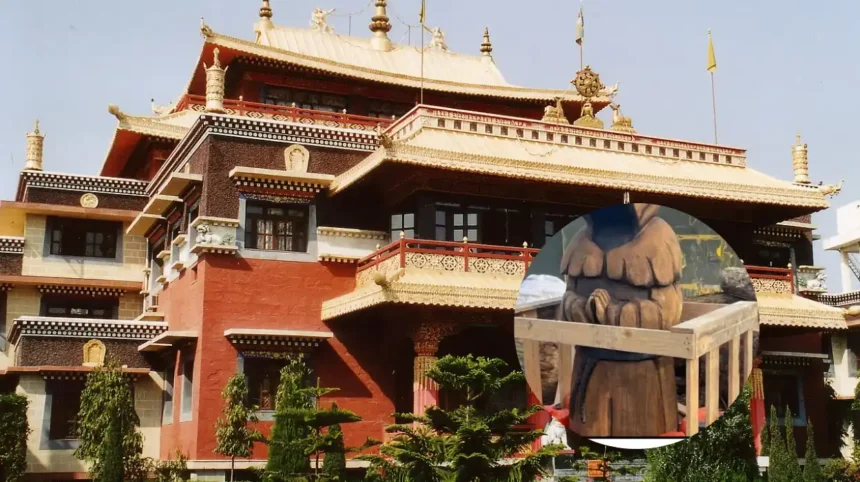
The centrepiece is a 2-metre-tall, 500kg granite sculpture dubbed “Friar Tuck,” depicting a robed monk in a thoughtful pose. Local artist Emma Hargreaves crafted it over three months, drawing inspiration from Abingdon’s historic Abingdon Abbey, established in 675 AD.
As reported by Sarah Bosley of Oxford Mail, council officials described it as
“a fun way to make the junction unforgettable.”
The mascot perches on a raised plinth at the centre of the roundabout on Marcham Road, visible to motorists approaching from Oxford and Wantage.
Oxfordshire County Council confirmed the project completion on 5 April 2026, with leader Liz Leffman pulling the ceremonial veil during the 6 April unveiling. “This isn’t just about traffic flow; it’s about giving Abingdon a landmark that reflects our heritage,” Leffman stated at the event.
Why Was the Monk Mascot Installed in Abingdon?
Safety drives the initiative. Roundabouts reduce collisions by slowing traffic, but council data shows driver distraction remains a risk. The mascot serves as a visual cue, similar to cow sculptures in other UK spots like the A40 in Oxfordshire.
According to AOL coverage, the £15,000 sculpture comes from the council’s £100,000 annual public art allocation, separate from the £2.5 million construction funded by central government grants and local taxes. Engineers integrated it without disrupting the junction’s layout, which now features widened lanes and better signage.
Abingdon’s monastic past influenced the choice. The abbey, once one of England’s richest, shaped the town until its 1538 dissolution. Councillor Paul Harrison noted during planning meetings that the monk “embodies our story.”
How Have Abingdon Residents Reacted to the Roundabout Mascot?
Opinions split along familiar lines. Enthusiasts hail it as a morale booster. Local shop owner Raj Patel told BBC Oxford: VVVJ
“It puts a smile on faces stuck in traffic – far better than a boring grass verge.”
Critics question the spending. Pensioner Margaret Ellis, speaking to This Is Oxfordshire reporter Tom Seeny, called it
“daft when potholes need fixing.”
Online, a petition against it garnered 250 signatures, though supporters outnumbered them 3-to-1 on council social channels.
Social media lit up post-unveiling. #AbingdonMonk posts on X amassed 5,000 views in 24 hours, with users sharing selfies and memes. One viral image showed the monk “waving” at rush-hour queues.
What Does the Installation Cost and Who Funded It?
The mascot’s £15,000 price tag covers design, carving, transport, and erection. Hargreaves charged £8,000 for her work, with the rest for materials and fitting. This fits within Oxfordshire County Council’s public realm budget, untouched by core highways funds.
BBC Oxford journalist Mike Flynn reported that the full Marcham Road project, started in 2025, tallied £2.5 million: £1.8 million from Department for Transport active travel grants, £500,000 council contribution, and £200,000 developer levies. No overspend occurred, per council minutes.
Maintenance falls to the council’s highways team, with LED lighting planned by summer to illuminate it at night.
Where Does the Monk Mascot Fit in Abingdon’s Traffic Upgrades?
This roundabout anchors a network of improvements tackling Abingdon’s growth. The town, with 40,000 residents, sees 20,000 daily vehicles. Upgrades include cycle lanes, pedestrian crossings, and smart signals, cutting journey times by 15% in trials.
Oxford Mail detailed how the mascot enhances “place-making,” a council policy blending function with identity. Comparable projects include a heron on Witney’s A40 and sheep in Bicester, all credited with slight accident dips.
Who Designed and Built the Abingdon Monk Sculpture?
Emma Hargreaves, a 42-year-old stonemason from nearby Wallingford, led the effort. With 15 years of carving for churches and memorials, she pitched the monk design after a 2025 council call for artists.
“I wanted him to look welcoming yet authoritative, like he’s guiding traffic,”
Hargreaves told AOL. Granite from Dartmoor ensures durability against weather and vandalism.
Installation by contractors BAM Nuttall used a crane on 4 April, securing it to a reinforced base. Public access via a safe path allows close views.
What Is Abingdon’s Monastic History Behind the Mascot?
Abingdon owes much to its abbey, a Benedictine powerhouse from 675 to 1538. It brewed ale, ran schools, and housed 100 monks at peak. Ruins remain a heritage site, drawing 50,000 visitors yearly.
The mascot revives this legacy amid modern pressures. Councillor Sue Lawson, portfolio holder for culture, linked it to tourism boosts, noting a 10% rise in abbey visits post similar art projects elsewhere.
Will the Monk Mascot Improve Road Safety in Abingdon?
Council anticipates fewer “smash-and-grabs” at the junction, where three minor crashes occurred pre-upgrade. National studies on themed roundabouts show 20% awareness gains, per Transport Research Laboratory data.
Early feedback is positive. Police Sergeant Jane Morrow of Thames Valley Police observed calmer approaches during peak hours. Long-term monitoring via CCTV will track impacts.
What Are the Future Plans for Abingdon’s Roundabout Mascot?
Upgrades include solar-powered lights by June 2026 and a QR code plinth linking to abbey’s history. A community fund, seeded with £5,000, covers cleaning.
If successful, the council eyes more mascots town-wide. Leffman hinted at a “heritage trail” tying art to landmarks.
This installation blends whimsy with purpose, positioning Abingdon as a forward-thinking Oxfordshire hub. As debates simmer, one thing’s clear: the monk has captured the town’s imagination.